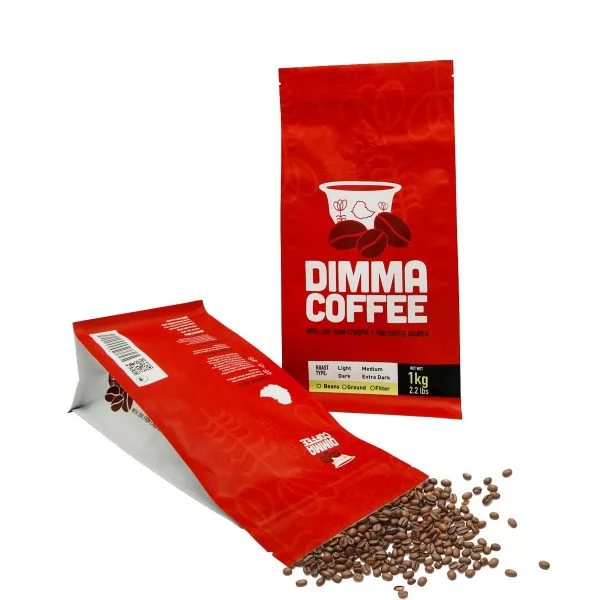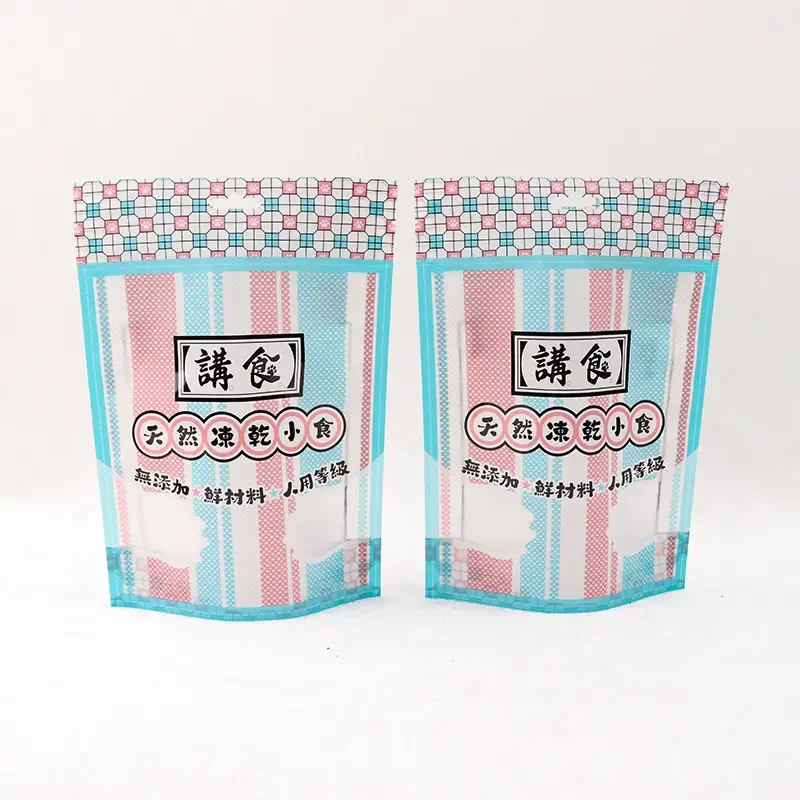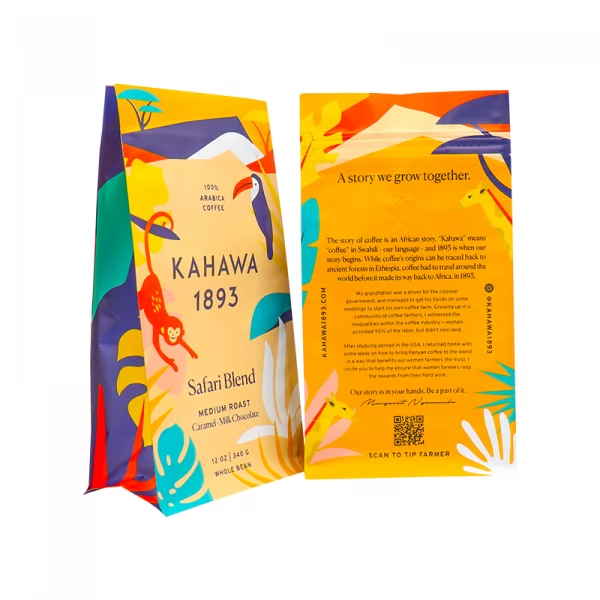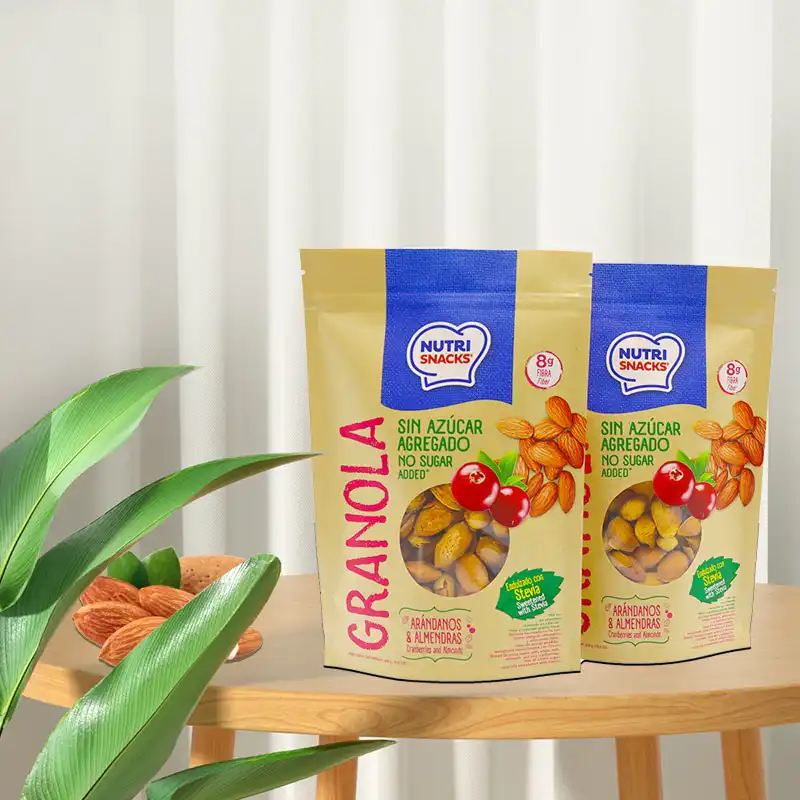
Quick Answer: Match Bag Size to Portion, Product Volume, and Selling Channel
If you need a practical snack bag size guide, start here: 1 oz to 2 oz bags work well for single-serve snacks, 3 oz to 8 oz bags fit convenience and trial sizes, 12 oz to 1 lb bags suit family or pantry packs, and 2 lb to 5 lb bags are usually chosen for club stores, refill packs, pet treats, bulk nuts, granola, or foodservice-style packaging.
The tricky part is that ounces measure weight, while bags hold volume. One ounce of potato chips takes far more space than one ounce of almonds, gummies, or roasted coffee beans.
So the right choice depends on three things: your product density, your target portion, and how the bag will be displayed, shipped, and opened by customers.
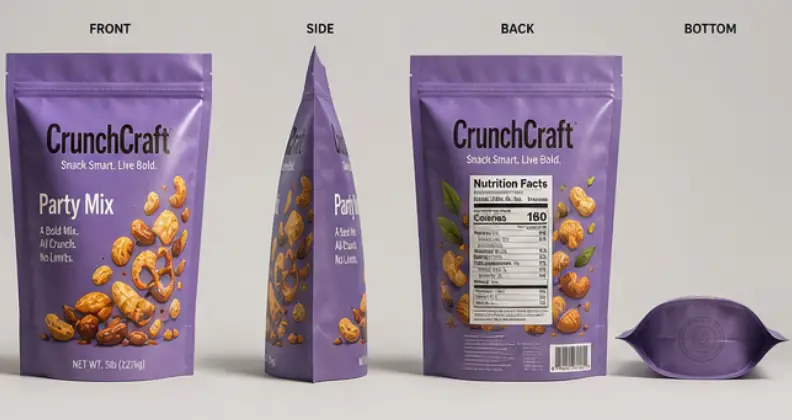
Why Snack Bag Size Is Not Just About Ounces
Many founders and purchasing teams ask the same question early on: if the snack weighs 4 oz, can we simply order a 4 oz pouch? Not exactly.
A bag must have enough internal space for filling, sealing, shelf presentation, and product movement during transport. If it is too tight, the seal area gets messy, the pouch may wrinkle, and the customer experience feels cheap.
If it is too large, the pack looks underfilled. That can make shoppers feel they received less value, even when the net weight is accurate.
As a manufacturer that has produced packaging for 20+ years, YLTPACK has seen one repeated mistake: brands choose by net weight only, then discover the same pouch looks full with nuts but half-empty with puffed snacks.
Snack Bag Size Chart: Common Uses from 1 oz to 5 lb
The table below is a practical snack bag size chart for early planning. Treat these as starting points, not final engineering specifications, because film thickness, gusset depth, zipper type, product shape, and filling method all change the final fit.
| Net Weight Range | Typical Use Case | Approximate Pouch Size Range | Common Bag Style | Good Fit For |
|---|---|---|---|---|
| 1 oz | Single serving, sampling, lunchbox packs | 3.5 x 5 in to 4 x 6 in | Flat pouch, small stand-up pouch | Chips, cookies, candy, dried fruit, mini pretzels |
| 2 oz | Grab-and-go retail snack | 4 x 6 in to 5 x 7 in | Flat pouch, stand-up pouch | Nuts, jerky bites, granola clusters, gummies |
| 3 oz | Premium single serve or trial pack | 5 x 7 in to 5.5 x 8 in | Stand-up pouch | Trail mix, protein snacks, popcorn, chocolate pieces |
| 4 oz to 6 oz | Small pantry pack, gift set, specialty retail | 6 x 8 in to 7 x 10 in | Stand-up pouch with zipper | Coffee beans, roasted nuts, dried mango, granola |
| 8 oz to 12 oz | Family size, repeat-purchase pack | 7 x 10 in to 8 x 12 in | Stand-up pouch, side gusset pouch | Cookies, cereal snacks, pet treats, bulk candy |
| 1 lb | Pantry, club sample, refill pack | 8 x 12 in with 3 to 4 in gusset | Stand-up pouch, quad-seal pouch | Nuts, coffee, granola, baking snacks |
| 2 lb | Bulk retail, family refill, subscription pack | 9 x 13 in with 4 to 5 in gusset | Side gusset, flat bottom, quad-seal | Pet treats, trail mix, rice crackers, snack pellets |
| 5 lb | Large refill, warehouse pack, foodservice-style use | 12 x 18 in with 5 to 6+ in gusset | Heavy-duty side gusset, flat bottom, reinforced pouch | Nuts, granola, rice snacks, pet snacks, dried ingredients |
What Size Are Snack Bags for Different Selling Scenarios?
When people ask what size are snack bags, they are usually trying to solve a business problem, not memorize dimensions. A school lunch pack, a premium retail pouch, and a 5 lb refill bag all need different thinking.
For impulse purchases near checkout, smaller formats often work because shoppers want portion control and easy carry. For pantry staples, resealability and upright shelf presence matter more.
For club, refill, or family formats, strength becomes a bigger issue. The bag must survive stacking, case packing, shipping vibration, and repeated opening at home.
Single-Serve Snacks: 1 oz to 2 oz
Choose this range when convenience is the main selling point. These packs are popular for chips, cookies, crackers, small candies, dried fruit, and kids’ snack boxes.
For airy products like popcorn or cheese puffs, the bag may need more height than expected. For dense snacks such as nuts or gummies, the same net weight can fit into a smaller pouch.
If the pack will be sold in multipacks, pay attention to outer carton fit. A few millimeters saved per bag can improve packing efficiency across a full production run.
Retail and Specialty Snacks: 3 oz to 8 oz
This is a flexible range for brands selling through specialty grocery, online stores, subscription boxes, and gift bundles. It gives enough print space for storytelling, ingredients, nutrition facts, certifications, and flavor cues.
For coffee snacks, chocolate-covered espresso beans, or roasted coffee pouches, oxygen barrier and aroma retention matter. A beautiful pouch is not enough if flavor fades before the customer opens it.
Because we hold FDA and ISO 22000 certifications, we recommend choosing food-contact materials based on both safety and shelf-life goals, not appearance alone.
Family, Refill, and Bulk Packs: 12 oz to 5 lb
Larger bags need stronger structure, better seal integrity, and a more comfortable opening experience. A zipper that works well on a 4 oz pouch may feel weak on a heavy 2 lb or 5 lb refill bag.
For pet treats, shoppers care about ingredient transparency, freshness, and easy resealing. A clear window can help, but it should not compromise barrier performance if the product is sensitive to oxygen or moisture.
For rice snacks, granola, nuts, and dried fruit, stacking strength is important because heavy pouches may be packed several layers high during transport.
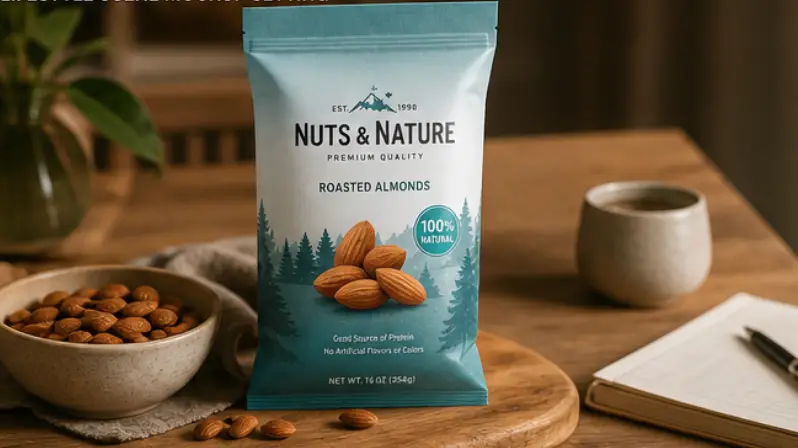
How Product Density Changes the Bag You Need
Here is the simple rule: lighter, puffier snacks need bigger bags at the same weight. Denser snacks need less space but often require stronger seals because the packed bag becomes heavy for its size.
One U.S. ounce equals about 28.35 grams, but that number does not tell you how bulky the product is. That is why a sample fill test is more reliable than guessing from weight alone.
| Snack Type | Typical Bulk Density Range | Size Impact | Packaging Note |
|---|---|---|---|
| Potato chips | 35 to 60 g/L | Needs large volume for low weight | Allow cushion space to reduce crushing |
| Popcorn | 30 to 50 g/L | Very bulky | Use taller pouches and avoid over-compression |
| Pretzels | 120 to 180 g/L | Moderate volume | Watch sharp edges near seals |
| Granola | 250 to 400 g/L | Medium to dense | Consider zipper for repeat use |
| Roasted nuts | 450 to 650 g/L | Compact and heavy | Use oil-resistant inner layers when needed |
| Gummies | 700 to 900 g/L | Dense | Prevent blocking and sticking with suitable films |
| Coffee beans | 350 to 450 g/L | Medium density | Use aroma barrier and valve if degassing is required |
| Pet treats | 250 to 550 g/L | Varies widely | Match structure to fat content and treat shape |
Snack Bag Dimensions Guide: Width, Height, Gusset, and Fill Level
A useful snack bag dimensions guide should explain more than width and height. For stand-up and flat-bottom formats, the bottom gusset controls how much the pouch expands and how stable it looks on shelf.
Most snack pouches should not be filled to the absolute top. Brands usually need headspace for sealing, nitrogen flushing if used, zipper placement, and product settling.
A practical target is often around 70% to 85% visible fill after settling, depending on product type and presentation. Fragile snacks may need extra internal space to reduce breakage.
Width
Width affects the front-panel look and how easy the bag is to fill. A narrow pouch can look elegant, but it may be frustrating for chunky snacks or automated filling.
If you sell colorful snacks, candies, or freeze-dried fruit, a wider front panel can make the product easier to recognize at a glance. For online sales, the front panel also needs to read clearly in thumbnail images.
Height
Height gives room for branding, nutrition facts, flavor names, and resealable features. However, too much height can make a low-weight product look underfilled.
For 1 oz and 2 oz snacks, every inch matters. For 1 lb to 5 lb pouches, height must be balanced with shelf stability and carton fit.
Gusset
The gusset is the expandable part of the pouch. It helps the bag stand, increases usable volume, and supports heavier products.
For dense snacks like nuts, candy, and pet treats, a deeper gusset can improve stability. For delicate chips or popcorn, the shape should protect the product without forcing it into a tight block.
How to Choose by Ounces Without Getting Tricked by Volume
A snack bag ounces size guide is helpful, but ounces should be the beginning of the conversation, not the final decision. Start with net weight, then test the actual product in a sample pouch.
Use this quick decision flow:
- Confirm the net weight you want to sell.
- Measure how much volume that weight occupies after normal settling.
- Add room for sealing, zipper, gas flush, or product protection.
- Check whether the pouch stands, stacks, and displays correctly.
- Run a filled sample through your shipping or shelf-life test.
As of July 28, 2026, the U.S. FDA reference amount customarily consumed for many snacks such as chips, crackers, and nuts is commonly 30 g for nutrition labeling context. That is useful for portion planning, but your retail pack can still be smaller or larger depending on your brand promise and customer use case.
Comparing Custom Snack Pouches with Household Storage Bag Sizes
Some teams search for snack size ziploc bag dimensions to estimate pouch volume. That can be a rough starting point for kitchen testing, but retail-ready packaging has different requirements.
Household storage bags are not designed for brand printing, high-speed filling, shelf display, barrier protection, or long distribution chains. A custom snack pouch must handle product safety, appearance, sealing, compliance, and repeat use.
| Comparison Point | Household Storage Bag | Custom Snack Pouch |
|---|---|---|
| Purpose | Short-term home storage | Retail display, shipping, shelf life, branding |
| Print Area | Limited or plain | Full custom artwork, nutrition panel, barcode, claims |
| Barrier Options | Basic protection | Moisture, oxygen, aroma, light, and oil resistance options |
| Structure | Thin and flexible | Designed for weight, seal strength, and display format |
| Retail Fit | Not made for shelves | Can be stand-up, hang-hole, flat-bottom, or gusseted |
Choose the Bag Style After You Choose the Size
Once the weight and volume are clear, bag style becomes much easier to decide. The same 8 oz product can look very different in a flat pouch, stand-up pouch, or flat-bottom bag.
In our 6,800㎡ cleanroom facility, we often test filled samples for seal cleanliness, pouch shape, and shelf stability before customers confirm large production. That step helps prevent surprises after artwork and materials are finalized.
Flat Pouch
Flat pouches are common for small single-serve snacks, sample packs, and lightweight products. They use space efficiently and are simple to pack into cartons.
They are less suitable when the brand needs strong shelf presence or resealability. For heavier snacks, the structure may need to be upgraded.
Stand-Up Pouch
Stand-up pouches are a popular choice for 3 oz to 1 lb snack packs because they balance shelf display, resealing, and print space. They work well for nuts, granola, dried fruit, candy, coffee snacks, and pet treats.
If your product is oily, sharp, powdery, or aroma-sensitive, the film structure matters as much as the pouch shape.
Flat-Bottom or Quad-Seal Pouch
Flat-bottom and quad-seal bags are often used for heavier snack formats from about 12 oz upward. They stand neatly, stack better, and create clean front and side panels for branding.
For 2 lb to 5 lb packs, this structure can make the bag easier to handle. It also gives more stability during shelf display and warehouse movement.
Material and Barrier Choices That Affect Size Decisions
Bag size and material should be selected together. A large bag made from a weak structure can stretch, wrinkle, or fail at the seals, while a small high-barrier pouch may be unnecessary for a fast-moving dry snack.
For chips, crackers, and popcorn, moisture barrier is usually critical because crisp texture drives repeat purchases. For roasted nuts and coffee-based snacks, oxygen barrier helps protect oils and aroma.
For pet treats, a stronger structure may be needed if pieces are hard, greasy, or irregular. Pet owners also read ingredient panels carefully, so leave enough print space for clear nutrition and sourcing details.
For giftable snacks, candies, or beauty-adjacent wellness treats, the unboxing experience matters. Matte finishes, soft-touch effects, transparent windows, and clean zipper placement can influence how the product appears in social media photos.
How to Avoid the Most Common Size Mistakes
The wrong pouch size can create problems across production, shipping, retail display, and customer reviews. Most issues are preventable with a filled sample and a clear use scenario.
- Choosing by weight only: Always check volume, especially for puffed or irregular snacks.
- Forgetting seal space: Leave enough room at the top for clean sealing and zipper placement.
- Ignoring settling: Granola, nuts, and small candies may settle after filling, changing the perceived fill level.
- Using a weak zipper on heavy packs: Larger pouches need closures that match the filled weight.
- Overlooking carton fit: A pouch that looks good alone may waste space in shipping cases.
- Making the front panel too small: Nutrition facts, barcode, flavor, claims, and brand story all need readable space.
Working with snack brands across North America, we have found that the most common size issue is not choosing too small or too large. It is choosing before the product has been test-filled and allowed to settle.
A Practical Checklist Before You Request Custom Packaging
Before asking any packaging supplier for a quote, prepare a few details. This helps the team recommend the right dimensions, material, zipper, and printing approach without unnecessary back-and-forth.
- Product type and flavor, including oil, powder, salt, sugar, or seasoning level
- Target net weight, from 1 oz sample packs to 5 lb refill formats
- Approximate product density or a physical sample for testing
- Preferred bag style: flat, stand-up, flat-bottom, side gusset, or quad-seal
- Need for zipper, tear notch, hang hole, valve, clear window, or rounded corners
- Expected shelf life and sensitivity to oxygen, moisture, light, or aroma loss
- Sales channel: retail shelf, online delivery, subscription box, club pack, or gift set
- Artwork status: finished design, rough concept, or only a brand direction
Our in-house design team often helps brands who only have a rough idea turn it into a printable pouch layout with realistic panel space, zipper position, and nutrition panel placement.
When to Ask for a Custom Size Instead of Using a Standard Template
Standard sizes can be useful for testing, small launches, and quick comparisons. But a custom size often makes sense when your product is bulky, fragile, premium-positioned, or sold in larger formats.
Custom sizing can improve shelf appearance, reduce wasted film, support better carton packing, and create a more satisfying fill level. It can also prevent oversized pouches that make customers feel the bag is mostly air.
YLTPACK supports custom snack packaging from concept through production, including food-contact material selection, structure recommendations, printing, and filled-sample review. For size planning, you can share your product details via WhatsApp at +86 182 1944 5665 or email [email protected].
Final Takeaway: Choose the Bag Around the Real Product, Not a Guess
The right snack pouch size is not just a number on a spec sheet. It is the point where portion size, product volume, shelf appeal, protection, filling, and shipping all meet.
Use this snack bag size guide as a planning framework, then confirm with real product samples before production. That extra step can protect your launch from poor fill appearance, weak seals, damaged snacks, and avoidable redesigns.
If you are deciding between 1 oz, 3 oz, 8 oz, 1 lb, or 5 lb formats, start with the customer moment: quick snack, pantry refill, premium gift, family sharing, or bulk use. The right packaging decision becomes much clearer from there.
FAQ
1. What is the most common size for single-serve snack bags?
Many single-serve snack bags fall between 1 oz and 2 oz. This range works well for lunchboxes, convenience stores, sampling, event packs, and multipacks.
However, bulky snacks like popcorn or chips may need a larger pouch than dense snacks such as nuts or gummies at the same weight.
2. How do I choose the right pouch size if my snack is very light?
Use volume testing instead of weight alone. Fill a sample pouch with the exact net weight, shake it lightly to simulate settling, then check the remaining headspace and front-panel appearance.
For light snacks such as popcorn, puffed chips, or veggie crisps, you may need a taller pouch or deeper gusset to prevent crushing and maintain a full look.
3. Should I choose a resealable zipper for small snack packs?
For 1 oz to 2 oz packs, a zipper is often unnecessary because the product is usually eaten in one sitting. For 3 oz and larger formats, resealability can improve convenience and freshness after opening.
If your product is oily, powdery, or has small particles, test the zipper area carefully to make sure crumbs or seasoning do not affect closure performance.
4. What information should I send before ordering custom snack packaging?
Share your product type, target net weight, estimated shelf life, preferred pouch style, artwork status, and any special needs such as zipper, hang hole, clear window, high barrier film, or recyclable material goals.
If possible, send the actual snack sample or bulk density details. This allows the packaging team to recommend dimensions based on real fill behavior rather than assumptions.
5. Can one bag size work for several snack flavors?
Yes, if the flavors have similar density, shape, oil content, and settling behavior. For example, three granola flavors may share one pouch size if inclusions such as nuts, chocolate, or dried fruit do not change the volume too much.
But if one flavor is puffed, another is dense, and another is fragile, separate testing is safer. A shared structure can still work, but the final size should be confirmed with filled samples for each product.