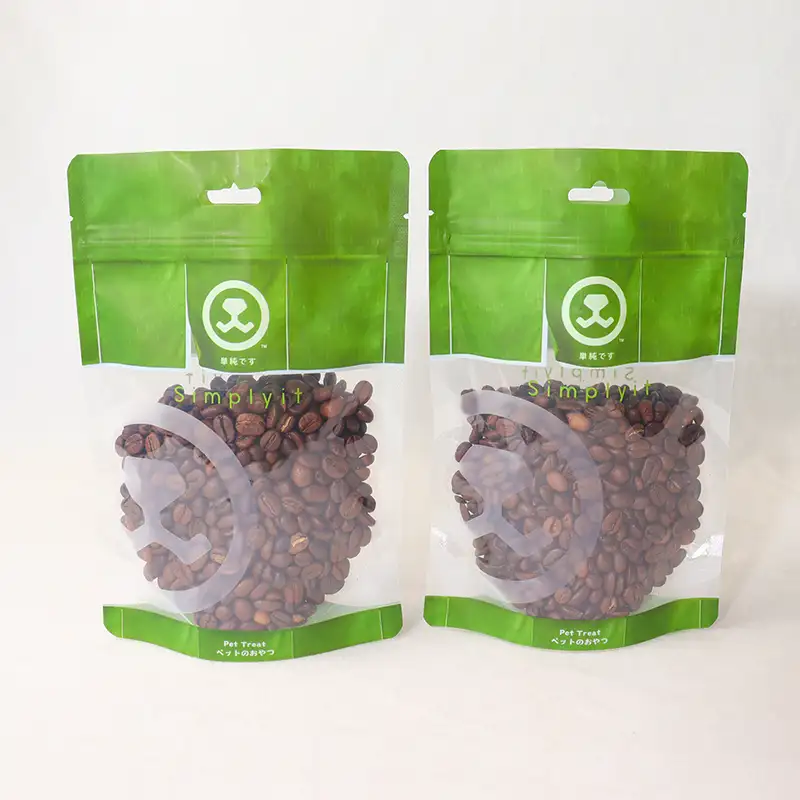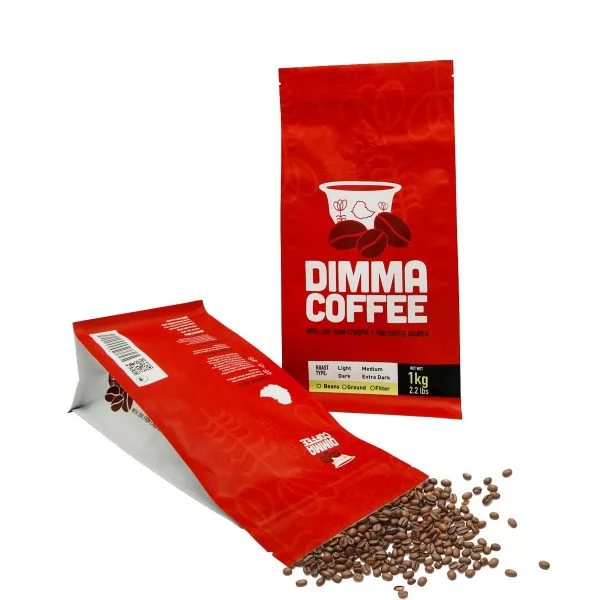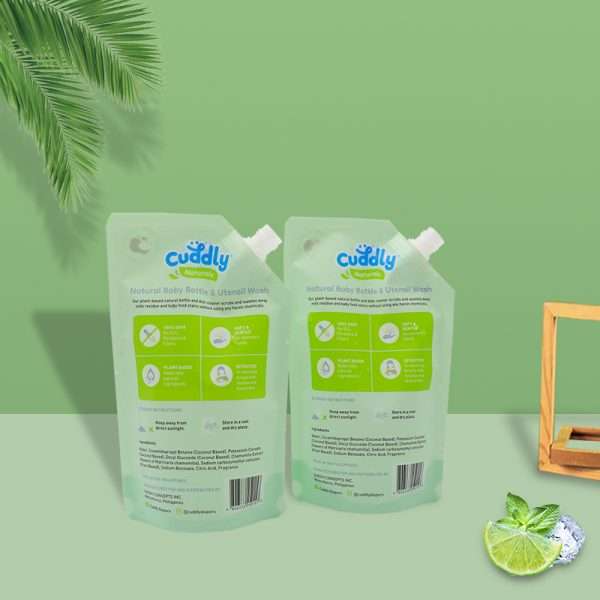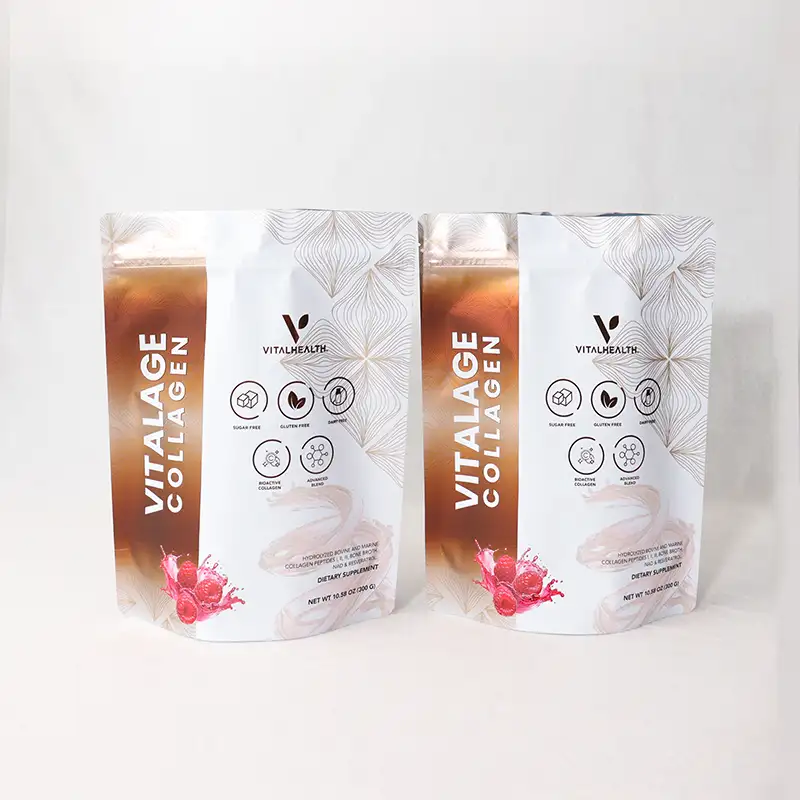
The right stand up pouch size can lower total packaging cost, improve shelf impact, and speed up purchasing decisions. The wrong size does the opposite: it wastes film, increases freight cost, causes filling problems, and reduces product presentation.
For procurement teams, brand owners, and packaging decision-makers, size selection is not just a design issue. It directly affects unit economics, packing efficiency, storage, and customer experience.
Why Stand Up Pouch Size Directly Impacts Cost, Shelf Appeal, and Inquiry Success
A pouch that is too large uses more material than necessary. It also creates excess headspace, weaker shelf presentation, and inefficient carton loading.
A pouch that is too small can cause sealing failure, overflow during filling, zipper interference, and unstable standing performance. In practical production, these issues often lead to rework, delayed launch, and higher purchasing risk.
Industry practice shows that even small dimensional changes can affect material consumption and shipping volume. For example, increasing pouch width and gusset for a 500g product may improve filling stability, but if over-designed, it can also increase film usage and master carton dead space.
The Core Problem: Why Buyers Struggle to Choose the Correct Stand Up Pouch Size
Choosing the correct stand up pouch size is rarely as simple as matching grams to dimensions. The same fill weight can require different pouch sizes depending on density, particle shape, and flow behavior.
Powders, liquids, gummies, granules, frozen food, and pellets all pack differently. Buyers also need to consider sealing area, zipper position, display ratio, transport efficiency, and packing line compatibility.
This is why many inquiries begin with only a target weight, but not a reliable pouch size. A professional stand up pouch Manufacturer should help bridge that gap with technical guidance and sample validation.
Standard Stand Up Pouch Sizes Chart for Fast Procurement Decisions
The table below gives a fast reference for common sizes used across food, personal care, pet food, household, chemical, and agricultural applications. These are typical market ranges, not absolute standards.

Table: Common Stand Up Pouch Size by Capacity, Dimensions, and Industry Use
| Approx. Capacity | Typical Dimensions (W x H + Bottom Gusset) | Common Product Types | Typical Industries |
|---|---|---|---|
| 50g / 100ml | 80 x 130 + 50 mm | Powder samples, spices, supplements | Food, nutraceutical |
| 100g / 250ml | 100 x 150 + 60 mm | Tea, coffee, snacks, bath salts | Food, personal care |
| 250g / 500ml | 130 x 200 + 70 mm | Nuts, pet treats, granules, liquids | Food, pet food, chemical |
| 500g / 1L | 160 x 230 + 80 mm | Protein powder, frozen food, detergent | Food, household, industrial |
| 1kg / 2L | 200 x 300 + 100 mm | Rice, fertilizer, large snacks, feed additives | Agriculture, food, chemical |
| 2kg+ / 3L+ | 250 x 340 + 120 mm | Bulk powder, pellets, compound mixes | Industrial, agriculture, pet food |
These sizes are useful for shortlisting. Final dimensions should still be confirmed by product testing, especially for low-density powders, irregular solids, and liquid refill products.
How to Measure Stand Up Pouch Size Correctly
Before requesting pricing, buyers should confirm three critical dimensions. This avoids repeated quotation rounds and reduces the risk of sampling errors.
Width, Height, and Bottom Gusset
The standard measuring method is width x height + bottom gusset. Width is measured across the front panel, height is measured from bottom seal to top edge, and bottom gusset is the fold-out base depth when the pouch stands.
This format is used by most pouch converting factories and helps keep technical communication clear. It is especially important for custom stand up pouch projects with zipper, spout, or valve features.
Product Weight vs Product Volume
Product weight does not equal product volume. A 500g protein powder may need a larger pouch than a 500g liquid because powder bulk density is lower and requires more internal space.
This is a common source of confusion in purchasing. Buyers should share both target weight and estimated volume whenever possible.
Headspace, Zipper Position, and Sealing Margin
Total pouch size is not the same as usable fill volume. Internal space is reduced by top seal margin, zipper area, tear notch position, and required headspace for safe filling.
In many retail formats, practical fill volume is meaningfully lower than the apparent pouch size. That is why test filling is strongly recommended before mass production approval.
How to Select the Right Stand Up Pouch Size by Product Type
The best pouch size depends on product form, visual presentation, storage conditions, and filling method. A good selection balances performance, cost, and display value.
Food Packaging Stand Up Pouch Sizes
Coffee, tea, spices, and snacks often use smaller to medium formats such as 100g, 250g, and 500g. Frozen food and sauces may require stronger seals, wider gussets, and structures suited for cold-chain or liquid handling.
Coffee buyers often prefer a doypack with zipper and valve. Spice and seasoning buyers may prioritize compact shelf size and high barrier against moisture and aroma loss.
Pet Food and Treat Pouch Sizes
Trial packs commonly start around 100g to 250g. Retail pouches for treats often move to 250g or 500g, while refill or value packs can reach 1kg and above.
For pet applications, strong seals and puncture resistance matter. Zipper closure is also widely preferred for repeat use and freshness retention.
Nutraceutical and Supplement Pouch Sizes
Powders, gummies, capsules, and stick-pack outer bags require careful matching between density and pouch geometry. Many supplement brands use 250g, 500g, and 1kg formats for powders.
Light-sensitive or moisture-sensitive formulas usually need higher barrier structures. This is especially important for collagen, probiotics, plant powders, and performance nutrition blends.
Personal Care and Household Product Pouch Sizes
Bath salts, wipes, detergent pods, and refill liquids all behave differently in filling and storage. Refill liquids often need stronger lamination and seal strength than dry products.
For household refills, buyers should also review leakage risk, drop resistance, and carton stacking. A pouch that stands well in retail must also survive transportation.
Industrial and Agricultural Pouch Sizes
Seeds, fertilizers, additives, and chemical powders typically use medium to larger formats such as 500g, 1kg, 2kg, or more. These products often need stronger film and wider sealing margins.
Puncture resistance and handling strength are major concerns in this category. Buyers should align pouch size with transport conditions and end-user handling requirements.
Doypack vs Other Flexible Packaging Formats: Which Size Structure Works Best?
Not every product should use the same pouch structure. Size selection works best when matched with format function.
When a Doypack Is the Best Choice
A doypack is ideal when shelf display, self-standing performance, and resealability matter. It is widely used for snacks, coffee, pet treats, supplements, and many refill products.
The bottom gusset gives the pouch its standing base, making it suitable for retail shelves and direct-to-consumer presentation. It also supports better front-panel branding.
When a Mylar Pouch Is Better for Barrier Protection
A mylar pouch is often selected when products are sensitive to oxygen, moisture, light, or aroma loss. This is common in coffee, supplements, specialty powders, and certain chemical applications.
In practice, buyers often use the term mylar pouch to describe high-barrier laminated pouches. The exact structure may include aluminum foil or other barrier layers depending on protection goals.
Custom Stand Up Pouch Size Options for Brand-Specific Requirements
Standard sizes are useful, but custom sizing often creates better commercial results. It helps brands improve panel visibility, fit filling equipment, and reduce wasted carton space.
Custom Width and Height for Shelf Presence
The ratio between width and height affects how the pack looks on shelf. A wider front panel gives more room for design, regulatory text, and brand recognition.
For Western retail presentation, clean proportions and clear front-facing visibility often improve perceived quality. This is especially relevant for premium food, supplement, and pet care packaging.
Custom Gusset for Filling Stability
The bottom gusset determines how well the pouch stands and how much product it can practically hold. A deeper gusset may improve capacity and shelf stability, but it should be balanced against material cost and carton efficiency.
This is one of the most important adjustments in a custom stand up pouch project. It directly influences fill behavior and final pack appearance.
Optional Features That Affect Final Size
Functional features can change the final pouch dimensions. Common examples include zipper, spout, tear notch, degassing valve, hang hole, and rounded corners.
Each feature occupies space or changes seal layout. Buyers should include these requirements early when asking for size recommendations.
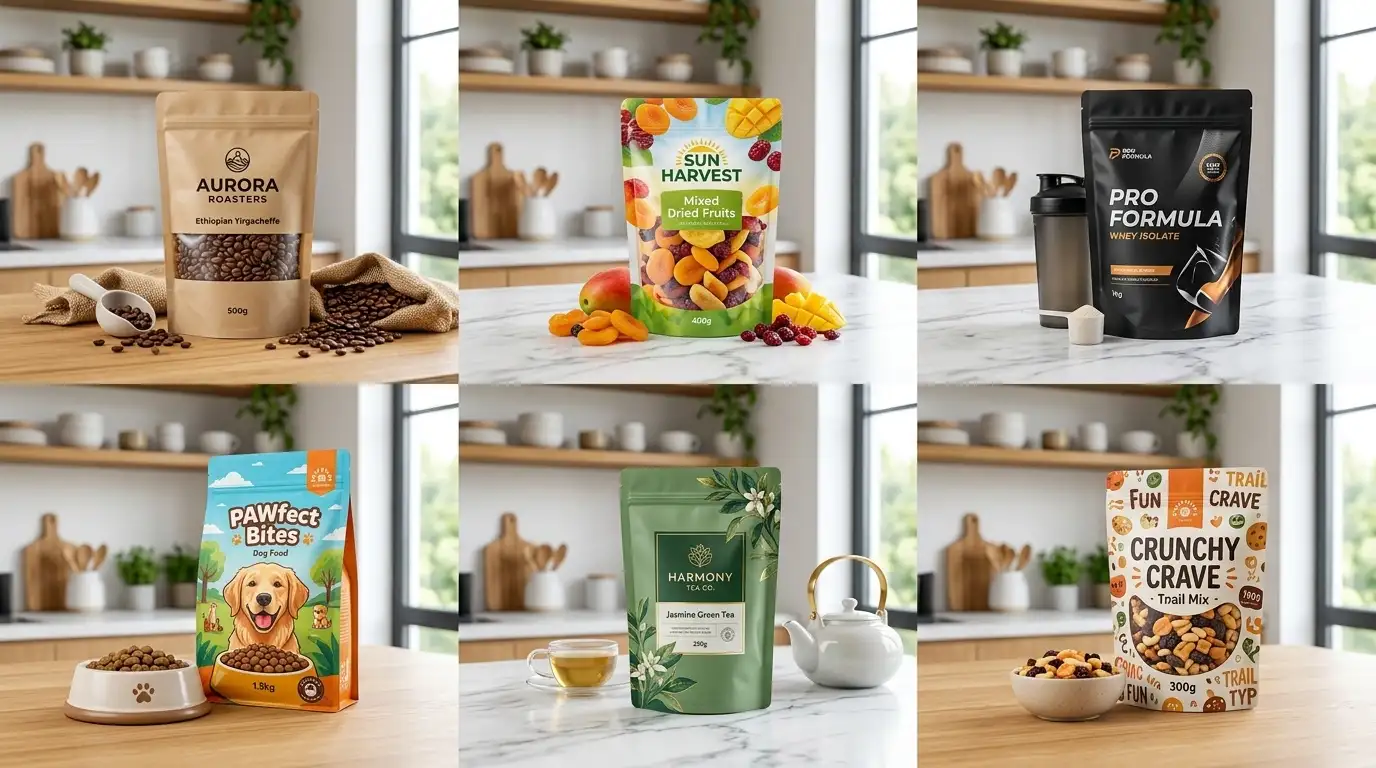
Material Structure and Pouch Size Matching Guide
Pouch size should not be selected alone. Material structure must match the product’s barrier needs, weight, handling conditions, and machine requirements.
Table: Recommended Material Structures by Product Category
| Product Category | Suggested Structure | Key Protection Need | Typical Size Range |
|---|---|---|---|
| Coffee | PET / AL / PE | Aroma and oxygen barrier | 100g–1kg |
| Snacks | PET / VMPET / PE | Moisture barrier | 50g–500g |
| Powder supplements | PET / AL / PE | Moisture and light barrier | 100g–1kg |
| Liquid refill | PET / NY / PE | Puncture resistance and sealing strength | 250ml–2L |
| Pet treats | PET / PE | Durability and shelf display | 100g–1kg |
| Seeds / fertilizer | BOPP / CPP or PET / PE | Strength and cost balance | 500g–5kg |
These structures reflect common market use. Actual layer design depends on product sensitivity, shelf life target, transportation conditions, and local regulatory needs.
Real-World B2B Examples: Matching Stand Up Pouch Size to Procurement Needs
Practical buying decisions are easier when product type and pouch size are linked clearly. The examples below reflect common purchasing scenarios across multiple industries.
Table: Example Size Selection by Industry and Product
| Industry | Product | Target Fill | Recommended Pouch Size | Notes |
|---|---|---|---|---|
| Coffee brand | Roasted beans | 250g | 130 x 200 + 70 mm | Add one-way valve |
| Pet food company | Dog treats | 500g | 160 x 230 + 80 mm | Zipper recommended |
| Supplement brand | Protein powder | 1kg | 200 x 300 + 100 mm | High-barrier structure |
| Household brand | Laundry liquid refill | 1L | 160 x 230 + 80 mm or custom spout pouch | Leak test required |
| Seed supplier | Vegetable seeds | 1kg | 200 x 300 + 100 mm | Strong puncture-resistant film |
These examples are a useful starting point, not a final engineering standard. In real procurement, final approval should be based on product sample checks, filling tests, and logistics review.
Why Work with a Professional Stand Up Pouch Manufacturer Like YLTPACK
For purchasing teams, a reliable supplier should do more than quote a price. The supplier should help reduce specification risk, shorten development time, and align the pouch with the real application.
YLTPACK supports buyers with size guidance, material selection, structure recommendations, and efficient project communication. This is especially valuable when the product is new, the dimensions are not yet finalized, or the brand needs custom packaging performance.
Customization Support
YLTPACK can support OEM and ODM pouch development, printed packaging, and structure optimization based on actual product needs. This includes guidance for zipper placement, valve options, spout formats, and size refinement.
For buyers managing multiple SKUs, custom development also helps create a more consistent packaging system across product lines.
Faster Sampling and Quotation Process
Clear size confirmation speeds up sampling and reduces back-and-forth communication. It also lowers the risk of ordering a pouch that looks correct on paper but performs poorly in filling or transport.
With the right initial data, quotation accuracy improves significantly. This helps procurement teams compare options more efficiently and move projects forward faster.
Industry-Based Packaging Solutions
YLTPACK can support packaging needs across food, pet food, supplements, personal care, household, industrial, and agricultural sectors. Different applications require different material and size logic, and those details matter.
For buyers in Europe and North America, practical support, fast response, and clear technical communication are often just as important as unit price. That is where an experienced manufacturing partner adds real value.
What Buyers Should Prepare Before Sending an Inquiry
The fastest way to receive an accurate quote is to send complete project information at the start. This helps the supplier recommend the right pouch size and material without guesswork.
Table: Inquiry Checklist for Custom Stand Up Pouch Projects
| Required Information | Why It Matters |
|---|---|
| Product type | Determines material and barrier level |
| Fill weight or volume | Determines pouch capacity |
| Target dimensions | Speeds up quotation |
| Product photo | Helps judge shape and packing behavior |
| Packaging style | Confirms if doypack, spout, zipper, or flat bottom is needed |
| Material requirement | Aligns protection with cost |
| Printing artwork or color count | Impacts plate and production cost |
| Estimated order quantity | Affects unit price and MOQ |
| Destination market | Helps with compliance and logistics planning |
When buyers share this information upfront, suppliers can recommend a more accurate solution faster. It also improves sample relevance and lowers sourcing uncertainty.
FAQ
What is the most common stand up pouch size?
The most common retail sizes are typically 100g, 250g, 500g, and 1kg, depending on product density and category. These ranges are widely used for coffee, snacks, supplements, pet treats, and refill products.
How do I calculate the right stand up pouch size for my product?
Start with product weight, volume, and density, then allow space for headspace, zipper position, and sealing margin. The most reliable method is to combine these numbers with a real filling test before final approval.
Is a doypack the same as a stand up pouch?
Doypack is a common type of stand up pouch that uses a bottom gusset structure to stand upright. In many markets, the terms are used closely, but doypack refers more specifically to that self-standing pouch design.
When should I use a mylar pouch instead of a regular pouch?
A mylar pouch is a better choice when the product needs stronger protection against moisture, oxygen, light, or aroma loss. It is commonly used for coffee, supplements, powders, and other sensitive products requiring higher barrier performance.
Can I order a custom stand up pouch size?
Yes, custom stand up pouch options are widely available for brands that need better shelf impact, machine compatibility, or unique fill capacity. Custom sizing can also improve carton loading and reduce unnecessary material use.
What information should I send to a stand up pouch manufacturer for a quote?
You should send product type, target fill size, pouch dimensions if known, material needs, artwork details, and estimated order quantity. A product photo and destination market are also helpful for faster and more accurate pricing.
Request a Fast Size Recommendation and Quote from YLTPACK
If you are sourcing pouches for coffee, snacks, supplements, pet food, household refills, seeds, or industrial products, YLTPACK can help you narrow down the right size quickly.
Send your product type, target fill weight or volume, preferred pouch style, material needs, and estimated quantity. YLTPACK will support you with custom stand up pouch recommendations, sampling advice, and a fast quotation tailored to your project.
Contact YLTPACK now to get a practical size recommendation, material guidance, and competitive pricing for your next stand up pouch project.