Ziploc bag measurements are written as width × length. On a custom order, the number that matters is the usable space below the zipper, not the outside edges. If you get this wrong in an RFQ (request for quote), the supplier will quote a bag that looks right on paper but won't hold your fill.
A resealable bag is specified as width at the opening × length, plus gusset depth where there is one, usually in millimetres. Retail sizes such as quart and gallon are approximate capacity classes. For branded packaging, size the bag from your product's volume and test a filled sample before you approve production.
What Do Ziploc Bag Measurements Actually Refer To?
Resealable bag dimensions refer to the width across the opening × the length measured down from the top edge, plus the depth of any gusset. Suppliers normally quote these as the flat outside size of the bag. Your product only gets the inside space, which is smaller once you allow for the seals and the zipper.
Width, Length and Gusset: The Order Suppliers Expect
Width always comes first. It runs across the opening, parallel to the zipper. Length comes second and runs at right angles to the zipper, down to the bottom edge.
A gusset is a folded panel in the bottom or sides of a bag that opens out to add volume. Bottom and side gussets are listed as separate figures, for example 160 × 230 + 80 mm bottom gusset. Swap width and length and the zipper ends up on the wrong edge. You then get a correct quote for the wrong bag.
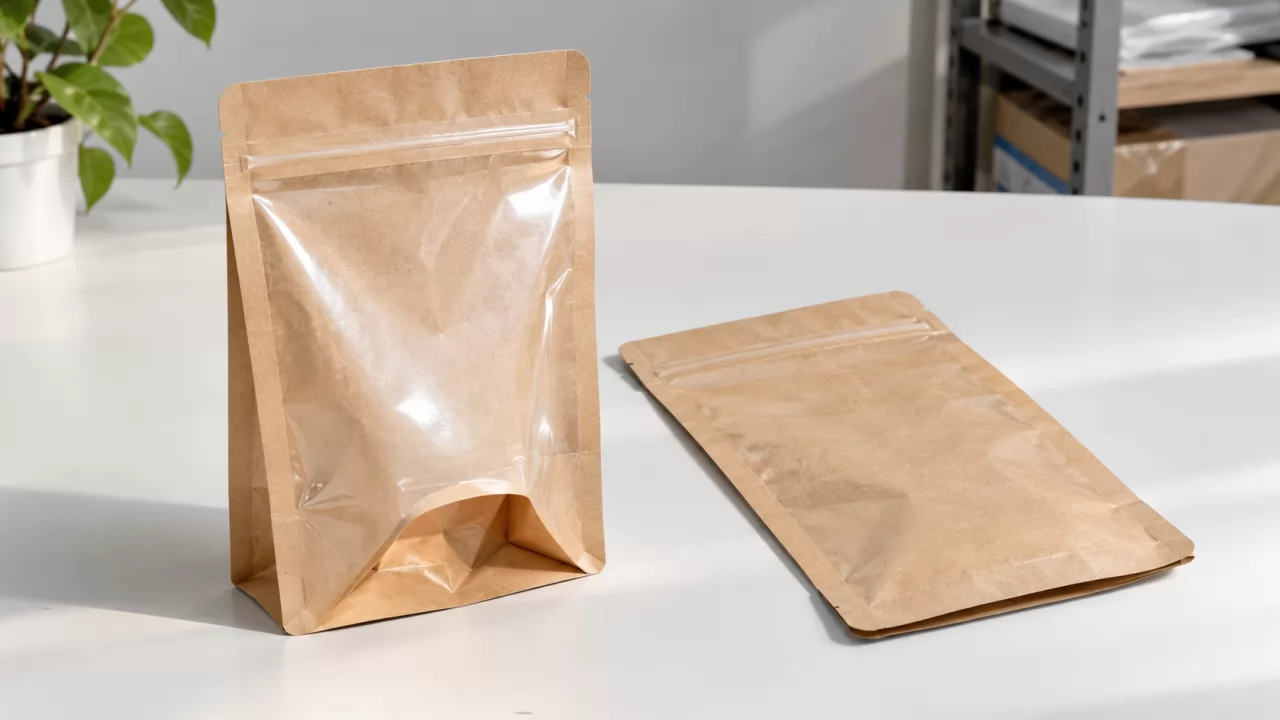
External Size vs. Usable Internal Space
The flat size is measured on the outside. Several parts of the bag take space away from that figure:
- Side seals: heat-sealed strips along each edge, typically a few millimetres wide.
- Zipper track: the zipper profile itself, plus the band of film above it.
- Top seal and tear notch: on many retail-ready pouches the bag is sealed above the zipper as tamper evidence and opened at a tear notch.
- Bottom seal or gusset fold: the base seal or the folded gusset seal also uses some of the length.
That's why the usable area is always smaller than the outside size. How much smaller depends on the style and the seal widths. Your supplier confirms these on the dieline, which is the flat technical drawing that shows every dimension, seal and print area.
Ziplock Bag Sizes Chart: Retail Formats vs. Custom Pouches
Retail snack, sandwich, quart and gallon zipper bags follow common approximate sizes, and those sizes vary a little by brand. Custom zipper pouches don't follow a chart. They are sized to the product, the fill weight and the shelf. Use retail sizes as a reference point, not as a specification.
Comparison Table: Common Formats and Typical Uses
The ranges below are rough flat sizes for typical household bags sold in North America. Always measure the actual reference bag you have in hand.
| Format | Approximate flat size (W × L) | Gusset | Typical use |
|---|---|---|---|
| Snack zipper bag | Roughly 16–17 × 8–9 cm | Usually none | Small portions, accessories, samples |
| Sandwich zipper bag | Roughly 16–17 × 15 cm | Usually none | Single servings, small parts |
| Quart-size zipper bag | Roughly 17–18 × 18–20 cm | Sometimes a small bottom gusset | Dry food, travel liquids kits, freezer portions |
| Gallon-size zipper bag | Roughly 26–28 × 27–30 cm | Sometimes a small bottom gusset | Bulk storage, frozen food, larger items |
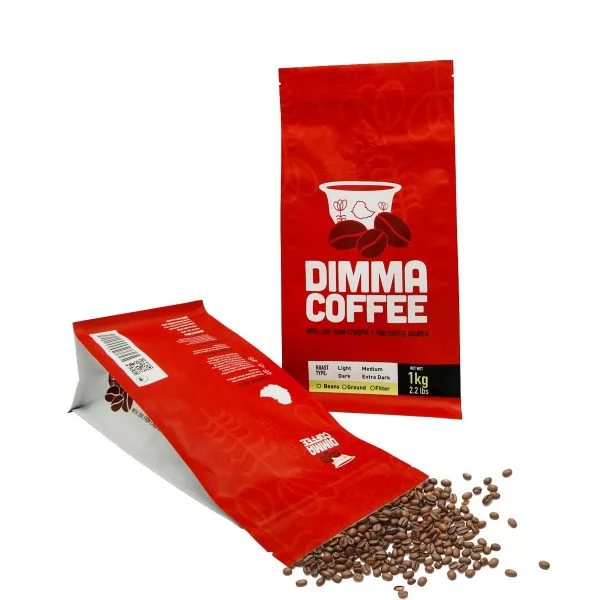
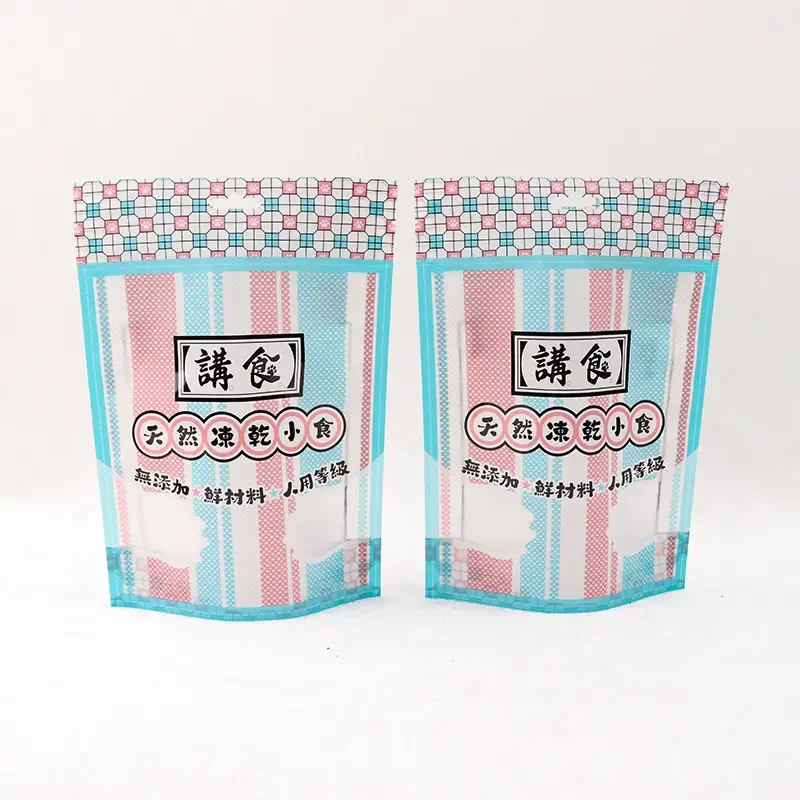
| Custom stand-up ziplock pouch | Set by fill volume and shelf face | Bottom gusset | Snacks, granola, powders, pet treats |
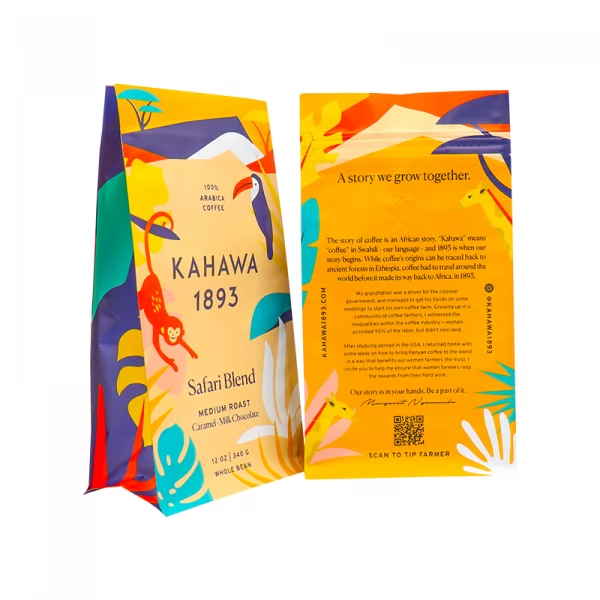
| Custom flat-bottom ziplock pouch | Set by fill volume and carton layout | Flat base plus side gussets | Coffee, premium food, pet food |
Retail formats give you a rough starting point, but only a custom pouch is sized to your actual fill. "Gallon" describes a capacity class, roughly what the bag holds. It is not an exact specification you can quote from, and quart-size dimensions work the same way.
Why Retail Sizes Rarely Fit Branded Packaging
Retail bags are made for home storage. They are flat, usually clear, and sized for leftovers. A branded pack has a different job.
Branded pouches are sized around the fill weight, the shelf face the shopper sees and the way packs sit in a shipping carton. A pouch slightly wider than needed can cost you a pack per carton row. Over a full container, that adds up.
How to Measure a Ziplock Bag Correctly
To measure a ziplock bag, lay it flat and empty. Measure the width across the opening, then the full length, then each gusset unfolded, and record every figure in millimetres. A steel ruler on a flat table gives more consistent readings on soft film than a cloth tape.
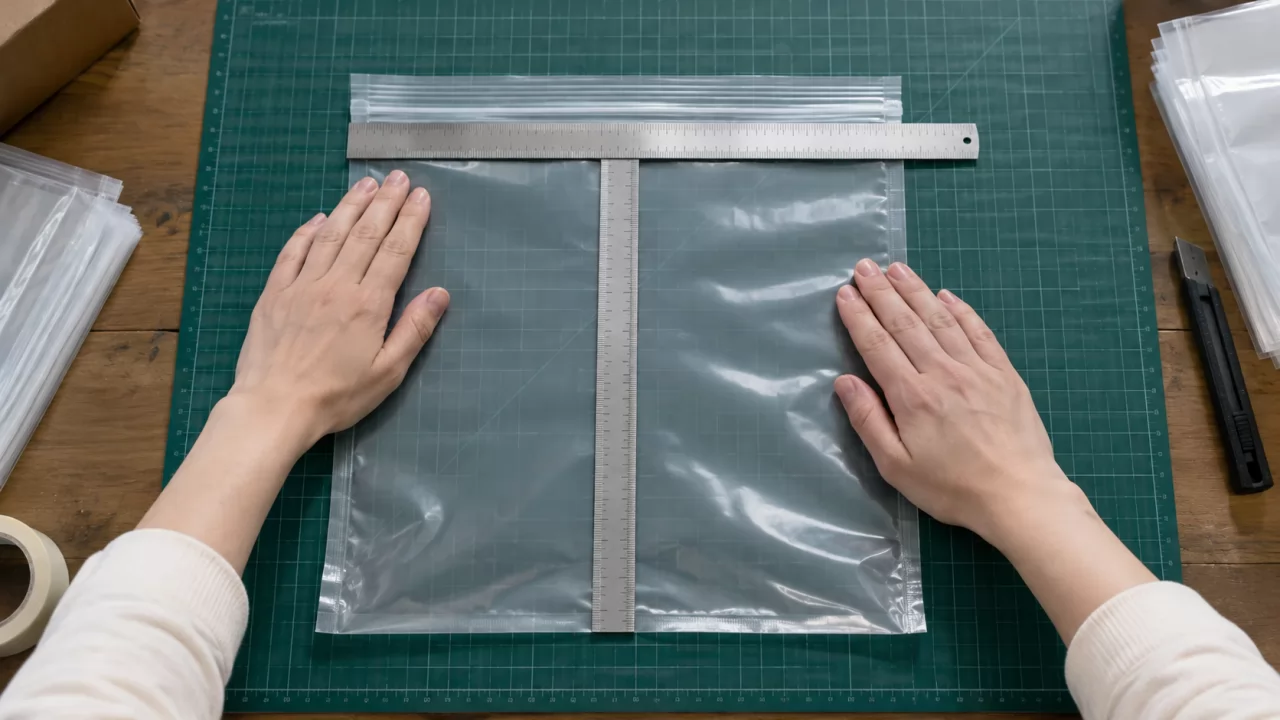
- Flatten the empty bag on a table and smooth out the gussets so the panels lie square.
- Measure the width edge to edge across the opening, including the side seals.
- Measure the length, starting at the top edge and ending at the bottom fold or seal.
- Unfold the bottom gusset and measure its full depth, then do the same for any side gusset.
- Record the distance between the top edge and the zipper, and between the zipper and the tear notch.
- Write the size as W × L + G in mm, and attach a photo of the reference bag to your RFQ.
If the bag has a hang hole or a window, also measure where it sits, using the top edge and the nearest side edge as reference points.
What Size Ziplock Bag Do I Need for My Product?
The right ziplock bag size starts from your product's volume and fill weight, with headspace added for the zipper and the seal. Size from volume, not from weight alone. Two products with the same net weight can need very different pouches. A filled sample is the only reliable final check.
Fill Weight, Bulk Density and Headspace
Bulk density is the weight of a loose product per unit of volume, including the air between pieces. Because of it, the same weight can take up very different amounts of space. 500 g of granola fills noticeably more of a pouch than 500 g of rice.
Headspace is the empty room left between the top of the product and the zipper. You need enough of it to keep the zipper and seal area clean during filling. Without it, crumbs or powder get into the zipper track and the bag won't close properly. Very loose, flaky products usually need more headspace than dense, free-flowing ones.
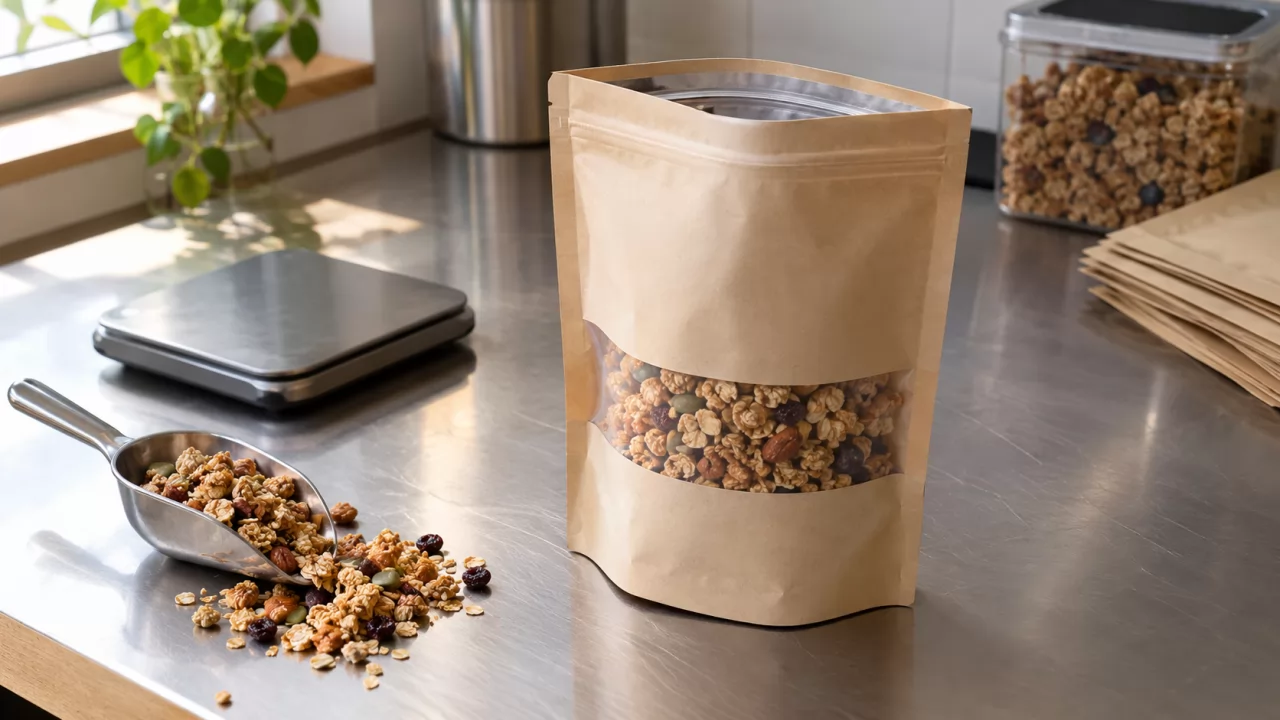
Custom Ziplock Bag Dimensions for Packaging Lines and Shelves
Pouch style changes the size you need for the same volume:
- Stand-up pouch: the bottom gusset adds volume and lets the pack stand. Part of the length folds into the base, so the visible front panel is shorter than the flat length.
- Flat-bottom pouch: the square base and side gussets hold more product within a narrower width. This suits cartons and shelves where facing space is tight.
- Hang holes and windows: a hang hole needs film above the zipper. A window takes print area away and has to line up with the product inside.
The filling method matters too. Hand filling can cope with a snug pouch. Machine filling usually needs a wider opening and tighter size tolerances, because the bag has to open, take the fill and reach the sealing jaws in the same position every time. Share your filling equipment details before the size is fixed.
YLTPACK makes custom printed ziplock pouches in the size, material and artwork you specify. The free Pouch Capacity calculator on its website needs no sign-up and helps you narrow down the size. Free similar samples are available for checking fit, and you pay the courier. MOQ per design is 1,000 pcs for digital print and 10,000 pcs for gravure. Production takes 7-15 days after artwork approval.
Common Sizing Mistakes That Cost a Reorder
Most sizing errors on resealable bags come from quoting the outside size as if it were the fill space, or from copying a retail bag without testing the real product inside it. These mistakes are cheap to catch at the sample stage. After a production run, they are expensive.
- Treating "quart" or "gallon" as an exact size. These labels are capacity classes that vary by brand, so two suppliers can read the same word as two different bags. Quote a measured W × L + G in mm instead.
- Forgetting that the zipper and seals use space. The pouch arrives on spec but the product won't fit below the zipper. Ask for the dieline and check the usable area, not just the flat size.
- Sizing by weight and ignoring bulk density. A size that works for a dense product will overflow with a lighter, bulkier one of the same weight. Measure your product's volume or fill a test bag.
- Approving a size without filling a physical sample. Drawings don't show how a pouch stands, closes or fits a carton. Fill a sample with real product and seal it before you sign off.
- Mixing inches and mm across documents. Rounding errors creep in when the artwork, quote and dieline use different units. Pick millimetres and use them on every document.
FAQ: Resealable Bag Sizes
Are resealable bag sizes given as width × length?
Yes. Width across the opening comes first, then length. Gusset depth is added as a separate figure, for example W × L + G in mm.
How does a quart-size zipper bag compare with a gallon bag?
A quart bag is a smaller capacity class than a gallon bag. Exact sizes vary by maker, so measure the reference bag you have rather than relying on the label.
Can I order a custom size instead of a standard one?
Yes. Custom resealable bags are made to the width, length and gusset you specify. The final dimensions and tolerances are confirmed in the quote and on the dieline.
How do I check a size before ordering in volume?
Fill a sample bag with your real product and seal it. A free pouch capacity calculator can help you narrow the size down before you request samples.
Send Your Bag Size for an Itemized Quote
Send your product and fill per bag, a bag photo or size, quantity per design, number of designs, artwork or idea, extras and target market to [email protected] or WhatsApp +86 182 1944 5665. Within one business day you get a recommended structure and an itemized price. Design help is free, and so is the sample (you pay the courier).