The Quick Answer: Match the Pouch to Your Product, Not the Other Way Around
If you're short on time, here's the honest shortcut. For most liquid products, the right pouch falls into three buckets: single-serve (50–200ml), everyday retail (250ml–1L), and family or bulk (1.5L–5L). Pick the volume your customer actually consumes in one sitting or one week, then add a small headspace allowance.
That's the essence of a good spout pouch size guide liquid brands can rely on. The rest of this article unpacks the "why" so you can make the call with confidence instead of guessing.
Why Getting the Volume Right Matters More Than You Think
Choosing the wrong capacity is one of the most expensive mistakes we see. Too large, and your product looks stingy on the shelf with a half-empty look. Too small, and customers feel shortchanged or reorder too often.
Working with brands across North America and Europe, we've found the most common mistake isn't design or color. It's picking a volume based on a competitor's pack rather than the buyer's real consumption habit.
There's a physical reason too. Liquids expand and contract with temperature, and they need room to move during transit. Overfilling stresses the seals; underfilling wastes film and shipping space.
The Headspace Rule
Always leave 10–15% empty space above the fill line. A 500ml drink usually sits in a pouch rated for roughly 570–600ml. This buffer protects the seal, handles thermal expansion, and makes the pack easier to fill on automated lines.
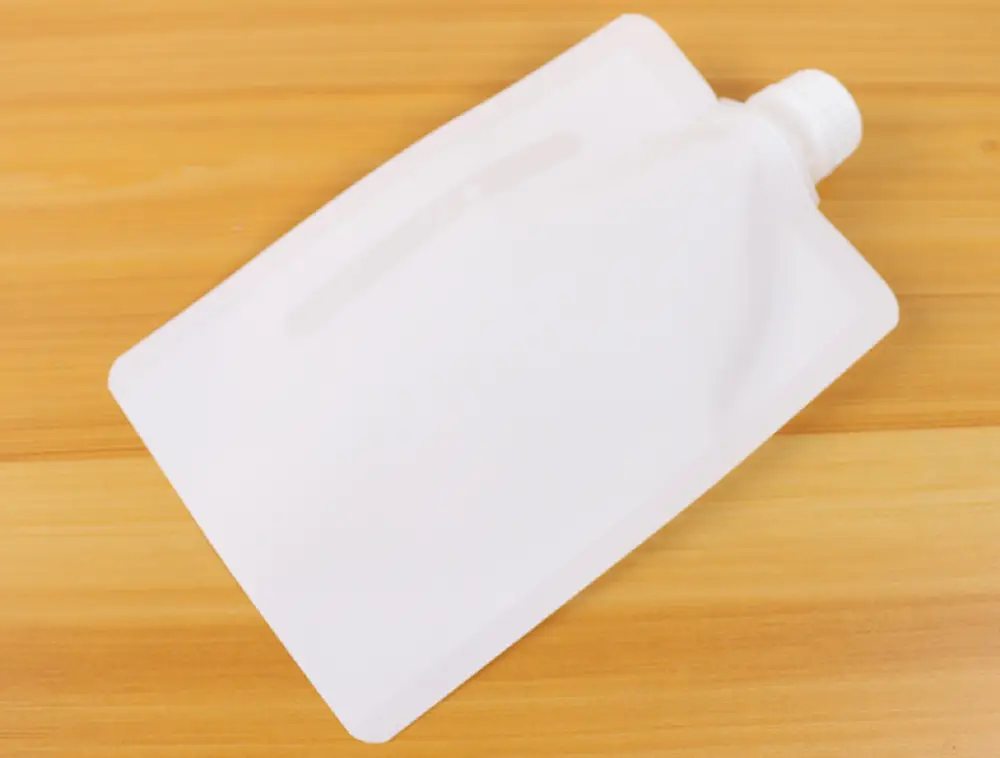
A Practical Volume Chart You Can Use Today
Rather than list abstract numbers, here's a liquid spout pouch volume chart mapped to real product categories. Use it as a starting frame, then fine-tune to your fill weight.
| Fill Volume | Recommended Pouch Capacity | Common Products | Typical Flat Dimensions (W × H) |
|---|---|---|---|
| 50–100ml | 60–120ml | Baby food, energy shots, samples | 90 × 130 mm |
| 150–250ml | 180–290ml | Juice pouches, kids' drinks | 110 × 160 mm |
| 300–500ml | 350–580ml | Cold brew, smoothies, sauces | 130 × 200 mm |
| 750ml–1L | 850ml–1.15L | Detergent, cooking oil, wine | 160 × 240 mm |
| 1.5–3L | 1.7–3.4L | Bulk juice, liquid soap refills | 200 × 300 mm |
| 4–5L | 4.4–5.5L | Industrial concentrates, water refills | 250 × 380 mm |
These figures reflect the standard spout pouch dimensions for liquids we produce most often. Your exact width and height will shift slightly depending on gusset depth and whether you want the pack to stand tall or wide.
How to Choose the Right Capacity for Your Product Type
Different liquids behave differently, and so do their buyers. Let's walk through the categories where the decision matters most.
Beverages and Drinkable Products
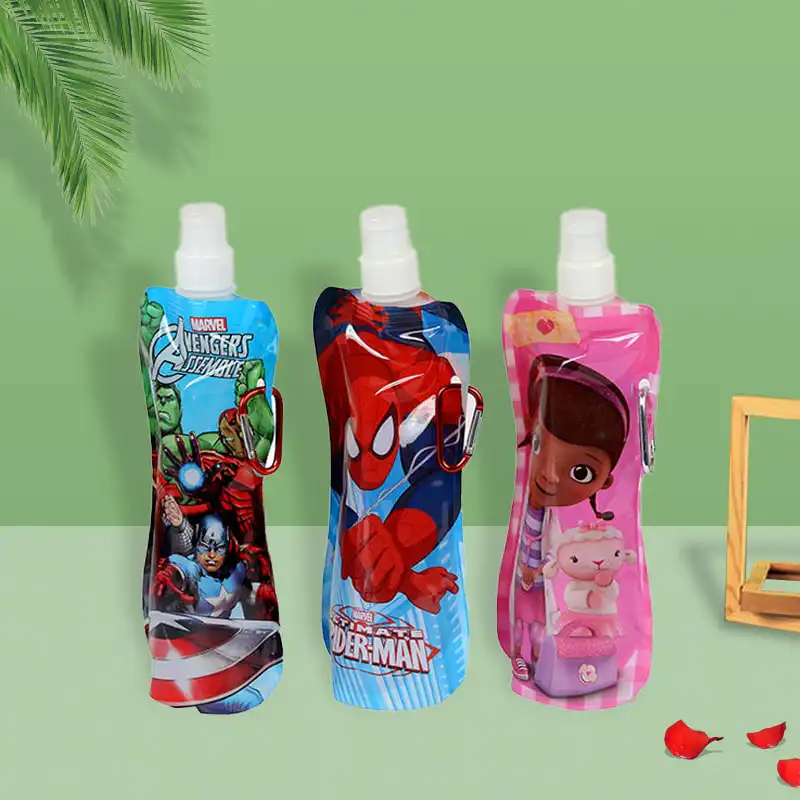
When thinking about how to choose spout pouch size for beverages, start with the drinking occasion. On-the-go single serves thrive in the 200–330ml range, matching what someone finishes before it warms up.
Family-format juices and functional drinks do better at 750ml–1L, since they live in the fridge and get poured over several days. If your drink is carbonated, mention it early. Pressure changes the film and seal choices dramatically.
Sauces, Condiments, and Culinary Liquids
Sauces are viscous, so the spout diameter matters as much as the volume. A thick barbecue sauce needs a wider fitment than a thin vinaigrette. Retail sizes cluster around 250–500ml, which balances shelf presence with a comfortable squeeze.
Home Care and Refill Formats
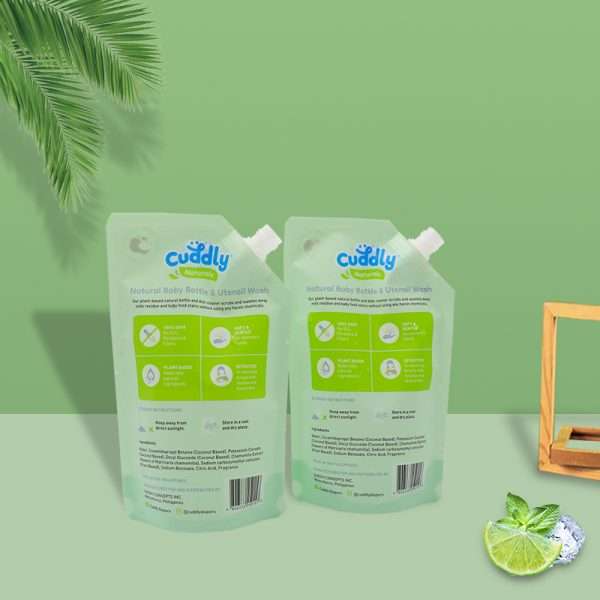
Detergents and cleaners have shifted toward large refill packs because shoppers now buy a sturdy bottle once and top it up. The 1L–2L range dominates here. The pouch uses far less plastic than a rigid jug, which is a selling point worth putting front and center.
Health, Beauty, and Personal Care
Serums, oils, and premium liquids reward smaller, elegant formats. Here the unboxing moment counts, and a clean pouch that photographs well for social sharing can do quiet marketing for you. Volumes of 100–300ml keep the price point accessible while feeling considered.
Beyond Volume: The Details That Make or Break the Pack
Capacity is the headline, but a few supporting decisions decide whether your pouch performs on the shelf and in the hand.
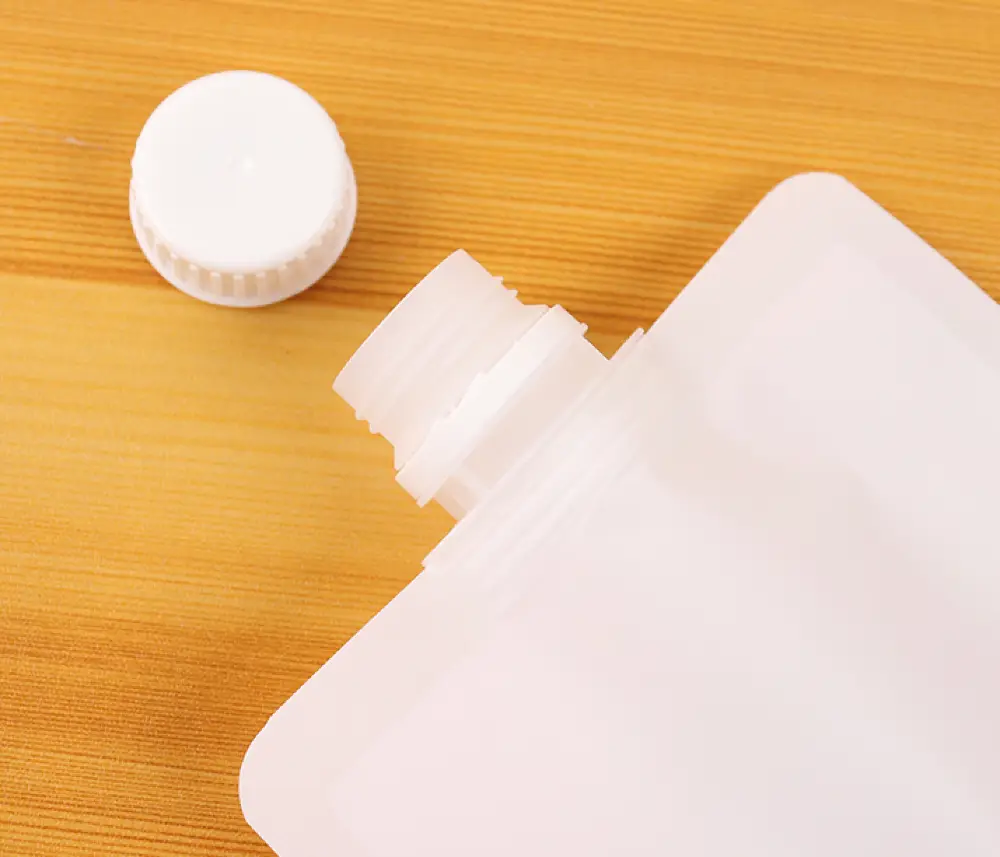
Spout Position and Diameter
- Top-center spout: best for pouring larger volumes like oils and detergents.
- Top-corner spout: ideal for drinkable single serves; comfortable to sip.
- Spout bore (8.6mm): the common choice for thin liquids and drinks.
- Wider bore (10–15mm): better for thick sauces, gels, and fast dispensing.
Stand-Up vs. Flat Design
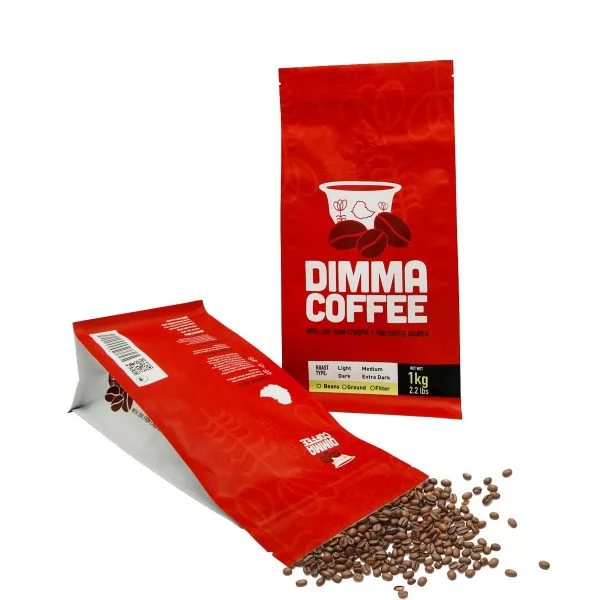
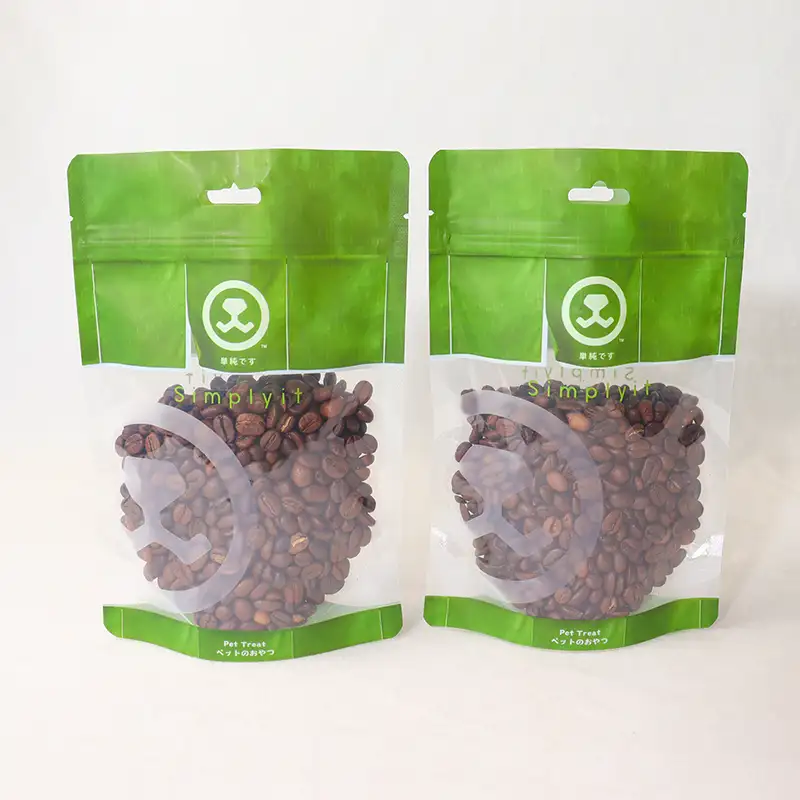
A gusseted stand-up base gives shelf presence and stability, which matters for retail. Flat pouches save space and cost for products stored in a cabinet or fridge door. The heavier your fill, the more base support you'll want.
Film Structure and Barrier
Liquids that oxidize, like cold-pressed juice or wine, need a strong oxygen barrier to protect flavor and shelf life. Because we hold FDA and ISO 22000 certifications, we recommend matching the barrier layer to the specific ingredient rather than using one generic laminate for everything.
Common Sizing Mistakes and How to Avoid Them
After two decades of production runs, the same avoidable errors keep surfacing. Here's a quick checklist to keep you clear of them.
- Forgetting headspace: ordering a pouch sized to the exact fill volume, then struggling to seal it.
- Copying a competitor blindly: their consumption pattern may not match yours.
- Ignoring transit stress: heavy liquids need reinforced seals and thicker film.
- Mismatched spout: a narrow spout on a thick product frustrates users.
- Overlooking shelf height: a tall pouch that won't fit a fridge door loses reorders.
As a manufacturer that has produced packaging for more than 20 years, we've learned that a short prototype round upfront prevents most of these headaches down the line.
Matching Size to Your Fill Line and Shipping Reality
Your pouch doesn't live in isolation. It has to fill cleanly, seal reliably, and survive a truck.
Fill Equipment Compatibility
If you fill by hand, you have flexibility. If you run automated equipment, the pouch width, spout size, and gusset must match your machine's specs precisely. Share your line details early so the dimensions are dialed in from the first sample.
Shipping and Stacking
Liquids are dense and heavy. A case of 1L pouches can strain a weak seal if stacked too high. We test seal strength against the fill weight and expected drop height, so packs arrive intact rather than leaking in the box.
In our 6,800㎡ cleanroom facility, that testing happens before we scale to full production, which keeps surprises out of your first big order.
When Standard Sizes Don't Fit: Going Custom
Sometimes an off-the-shelf size is close but not quite right. Maybe your fridge-door slot is unusual, or your brand wants a distinct silhouette on a crowded shelf.
Our in-house design team often helps brands who arrive with only a rough idea, like "something around 400ml that looks premium." From there we translate the concept into exact dimensions, spout placement, and a barrier that fits the liquid inside.
This is where thinking through the full range of spout pouch sizes for liquid packaging pays off, because a small dimensional tweak can improve both shelf fit and material efficiency at the same time.
A Simple Decision Framework
To pull it all together, here's the sequence we walk clients through when they want the best spout pouch size for liquid products without overthinking it.
- Define the consumption occasion: single serve, weekly use, or bulk refill.
- Set the fill volume, then add 10–15% headspace.
- Pick the shape: stand-up for retail, flat for storage.
- Choose the spout based on viscosity and pour speed.
- Confirm the barrier against your ingredient's shelf-life needs.
- Prototype and test before committing to volume.
| Your Priority | Recommended Direction |
|---|---|
| Grab-and-go convenience | 200–330ml, corner spout, stand-up |
| Premium shelf presence | 100–300ml, clean matte finish, center spout |
| Value and refill | 1L–2L, reinforced base, wide spout |
| Long shelf life | High oxygen-barrier film, sealed spout cap |
Let's Get Your Sizing Right
The pouch that fits your product, your shelf, and your customer's habit is out there. Getting there is mostly a matter of asking the right questions before you print thousands of units.
If you'd like a second opinion on dimensions, barrier, or spout choice, the YLTPACK team is happy to review your specs and send prototype recommendations. Reach us on WhatsApp at +86 182 1944 5665 or by email at [email protected]. Share your liquid type and target volume, and we'll map out options that fit your line and your budget.
Frequently Asked Questions
How much headspace should I leave in a liquid pouch?
Aim for 10–15% empty space above your fill line. A 500ml drink sits comfortably in a pouch rated near 570–600ml. This buffer absorbs thermal expansion, protects the seal, and keeps automated filling clean.
What's the most popular size for drinkable pouches?
Single-serve drinks land most often in the 200–330ml range, since that's what people finish in one sitting. Family formats move toward 750ml–1L for fridge storage and repeat pouring over several days.
Does the spout size need to match the liquid's thickness?
Yes. Thin liquids like juice flow well through a standard 8.6mm bore, while thick sauces and gels need a wider 10–15mm opening. Matching the spout to viscosity prevents clogging and user frustration.
Can heavy liquids ship safely in pouches?
They can, with the right film thickness and reinforced seals. We test seal strength against fill weight and drop height before scaling production, so bulk packs of 1L or more arrive intact rather than leaking during transit.
What if none of the standard sizes fit my product?
Custom dimensions are common and often improve both shelf fit and material efficiency. Share a rough target volume and shape idea, and a design team can translate it into exact width, height, spout placement, and barrier structure.