Fill weight alone does not set the bag size. Chip density, headspace and bag format decide it together, so two 2 oz snacks can need different bags. This guide covers typical chip bag sizes for each fill band, the criteria that change them, and how to confirm the final length with a filled sample.
What Size Bag Do Chips Actually Need?
A chip bag should be sized from fill weight and chip shape first. The length is then confirmed by filling a sample bag with real product. Volume math gives you a starting point, but it misses how chips settle, how much they break and how much headspace you want. That is why the sample decides.
Chips do not pack like powder or rice. They stack at angles, trap air between pieces and crush under pressure. A calculated volume tells you roughly where to start. It cannot tell you how the filled bag will look on a shelf or in a carton.
What Size Bag for 1 oz Chips
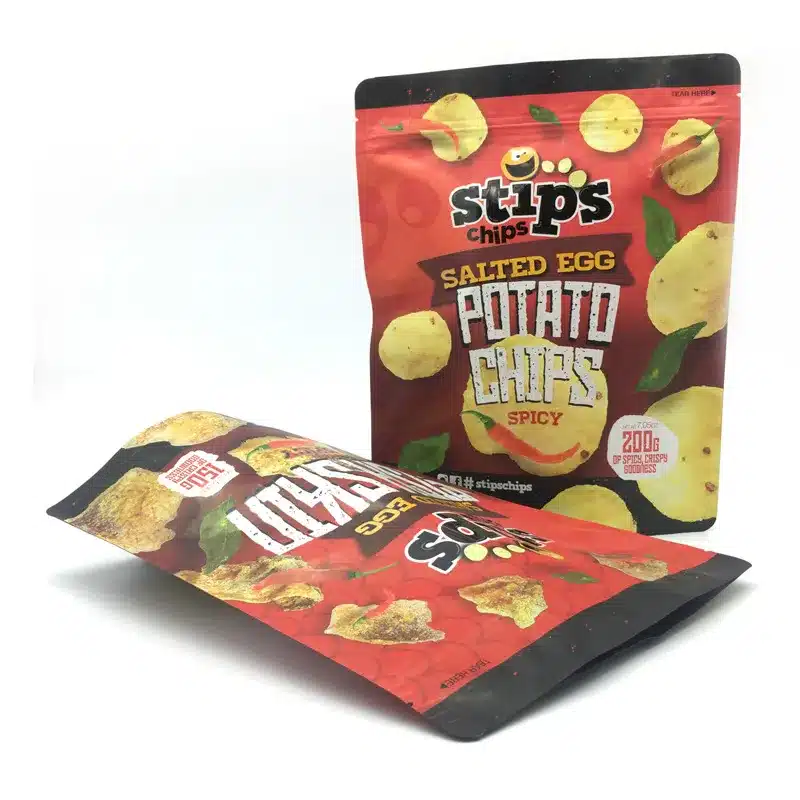
A single-serve pillow bag of roughly 5 × 7 in is a common starting point for 1 oz of thin potato chips. A pillow bag is a flat, gusset-free bag sealed at the back, upper edge and bottom, like most vending-machine chip bags. Thick kettle chips or a larger headspace usually push the length up by an inch or so. Light puffed snacks can need more.
Why Headspace Is Part of the Size
Most chip bags are gas-flushed. Gas flushing, also called modified atmosphere packaging, replaces much of the air in the bag with an inert gas, usually nitrogen, before sealing. The headspace is kept on purpose. It cushions fragile chips during shipping and handling, which is why a chip bag looks oversized for its weight.
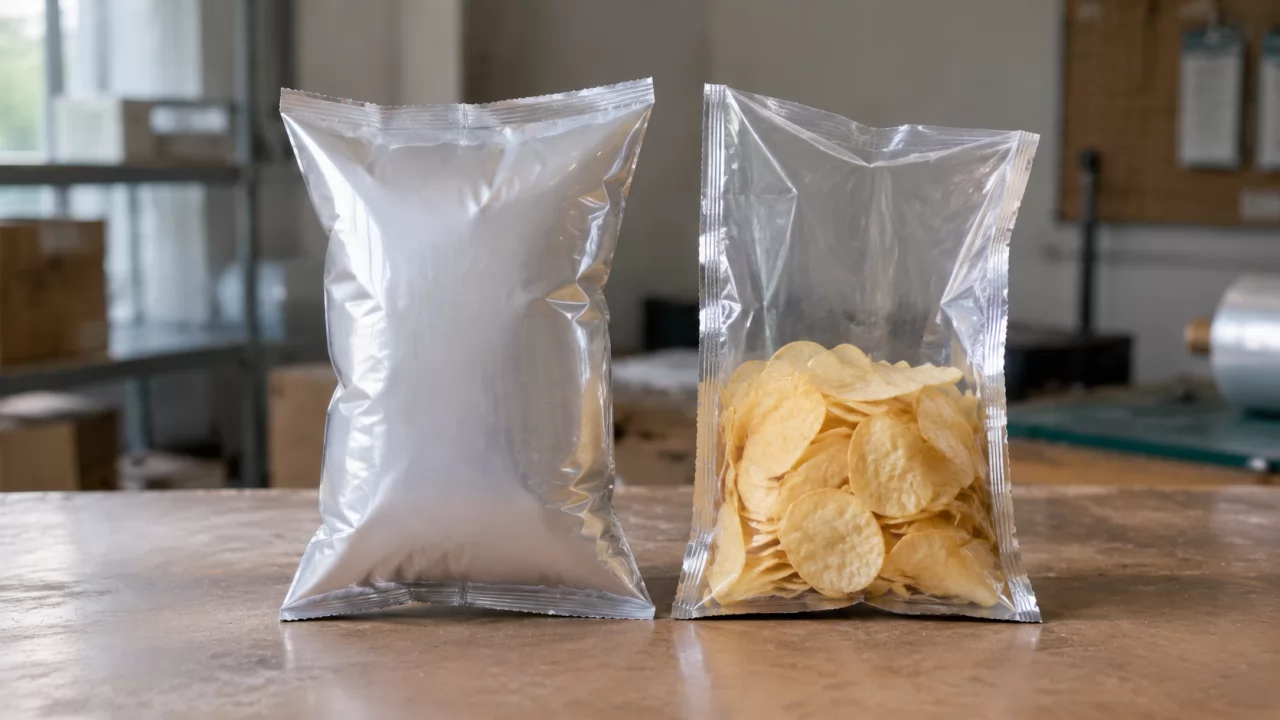
Cut the headspace too far and you save film but get more broken chips at the bottom of the bag.
Chip Bag Size Chart: Standard Dimensions by Fill Weight
A snack bag sizes chart gives typical width × length ranges for each common chip fill weight. The figures below are hedged starting points for thin potato chips in pillow bags. They are not industry specifications, and every size should be checked by filling a sample with your own product before you approve artwork.
| Fill weight band | Typical pillow-bag size (W × L) | Stand-up or flat bottom alternative | Common use |
|---|---|---|---|
| About 1 oz (single-serve) | Roughly 5 × 7 in | Rarely used; small stand-up possible for display | Vending, lunch box, multipacks |
| 2–3 oz | Roughly 6 × 9 in to 7 × 10 in | Small stand-up pouch with bottom gusset | Convenience store, grab-and-go |
| 5–8 oz (sharing size) | Roughly 8 × 11 in to 9 × 13 in | Stand-up or flat bottom with zipper | Grocery shelf |
| 10 oz and up (family size) | Roughly 10 × 14 in to 12 × 16 in | Flat bottom pouch, often resealable | Club store, family packs |
Key takeaway: the bag width steps up with each fill band, but the exact length depends on chip type and headspace, so use these ranges to brief a supplier, not to finalize a spec.
The standard chip bag dimensions in this table assume thin, flat potato chips. Kettle-cooked chips are thicker and harder, so the same weight usually needs a longer bag. Tortilla chips are larger and flatter but break easily, which argues for more headspace. Puffed corn or extruded snacks are the lightest per ounce and can need much more volume than the chart suggests.
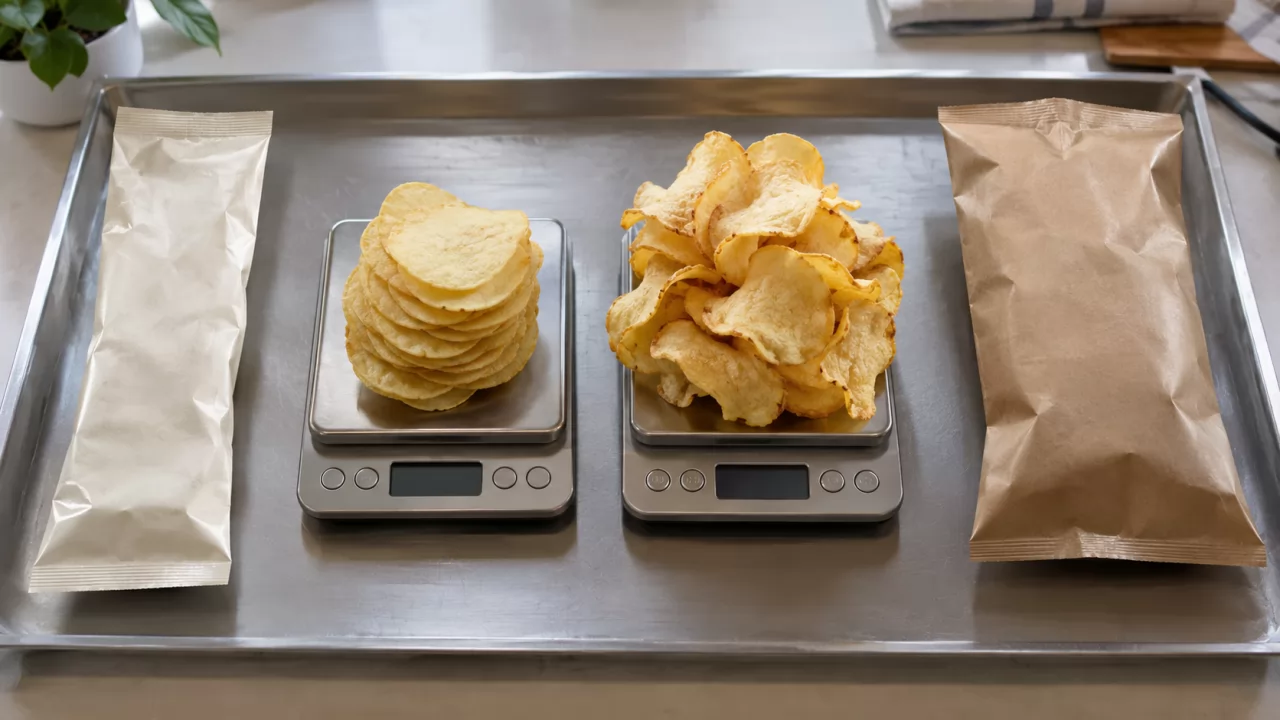
Also check the width against your carton and shelf. A bag that fits the product but adds one column to every carton raises freight cost across the whole order.
Why the Same Fill Weight Can Need Different Bag Dimensions
Bag dimensions for chips depend more on bulk density, chip shape and package format than on the weight printed on the label. Bulk density is the weight of a product per unit of volume, including the air between pieces. A low-density snack needs a bigger bag than a dense one at the same weight.
Chip Density and Shape
Light puffed snacks need far more volume per ounce than thin potato chips. Thick kettle chips sit somewhere in between. Shape matters too: large curled chips trap more air than small flat ones, and ridged chips nest differently from plain cuts.
If you sell several snack types under one brand, measure each one. Do not assume a size that works for one line carries over to the next.
Pillow Bag vs. Stand-Up and Flat Bottom Pouches
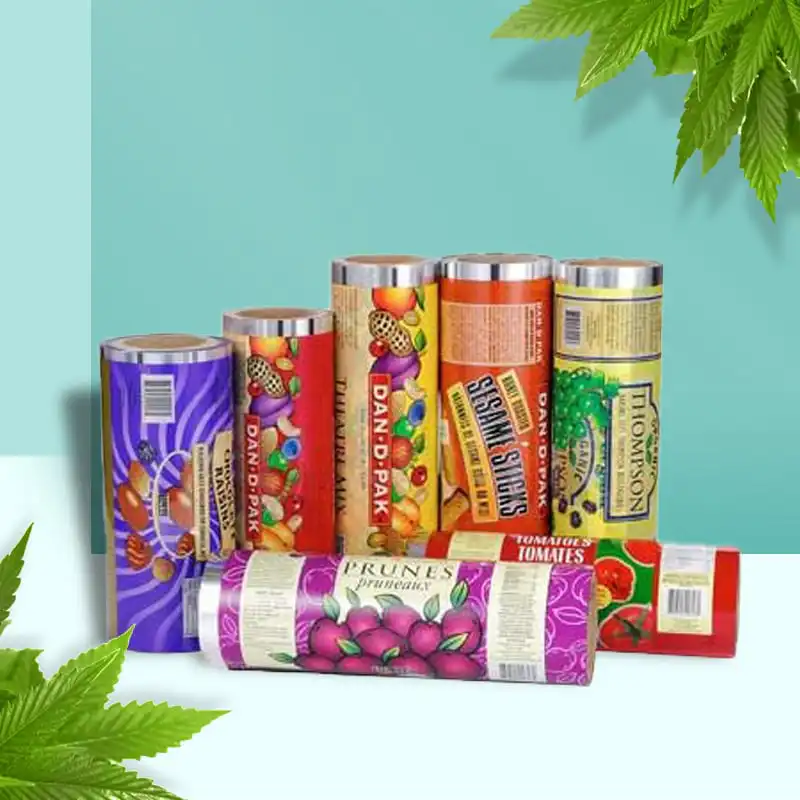
Pillow bags are made on form-fill-seal lines. A form-fill-seal (FFS) machine is a packaging machine that forms bags from a continuous roll of printed film, fills them and seals them in one pass. The film is called roll stock film, and the bag length is set on the machine.
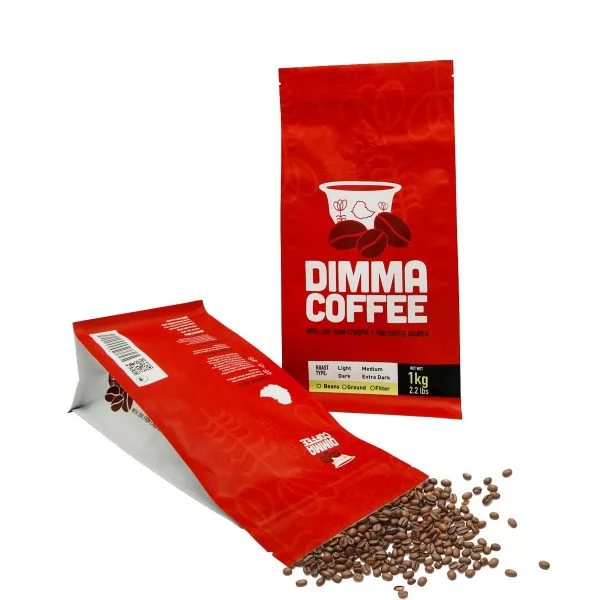
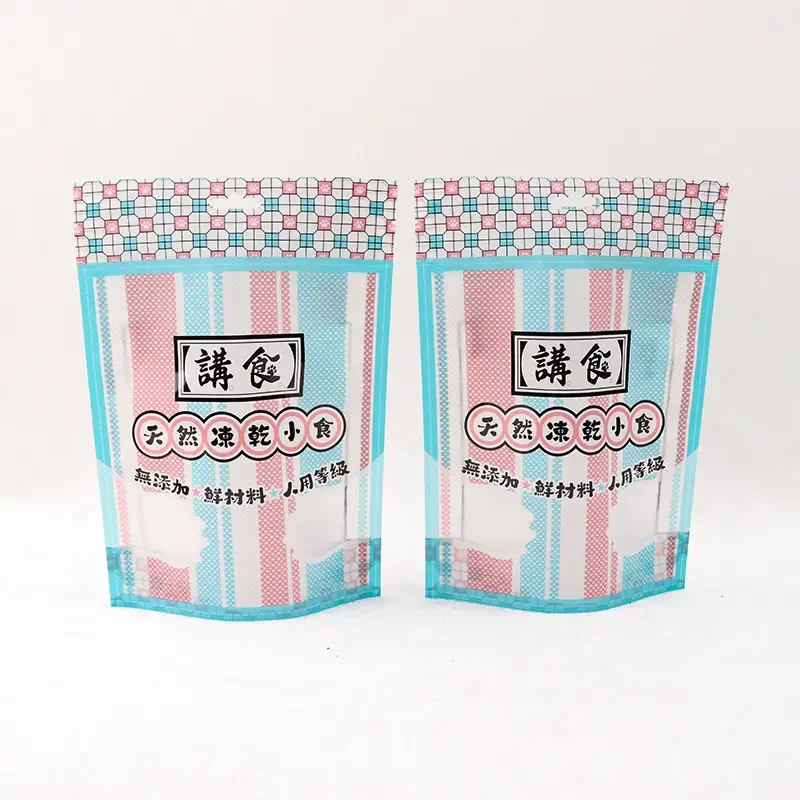
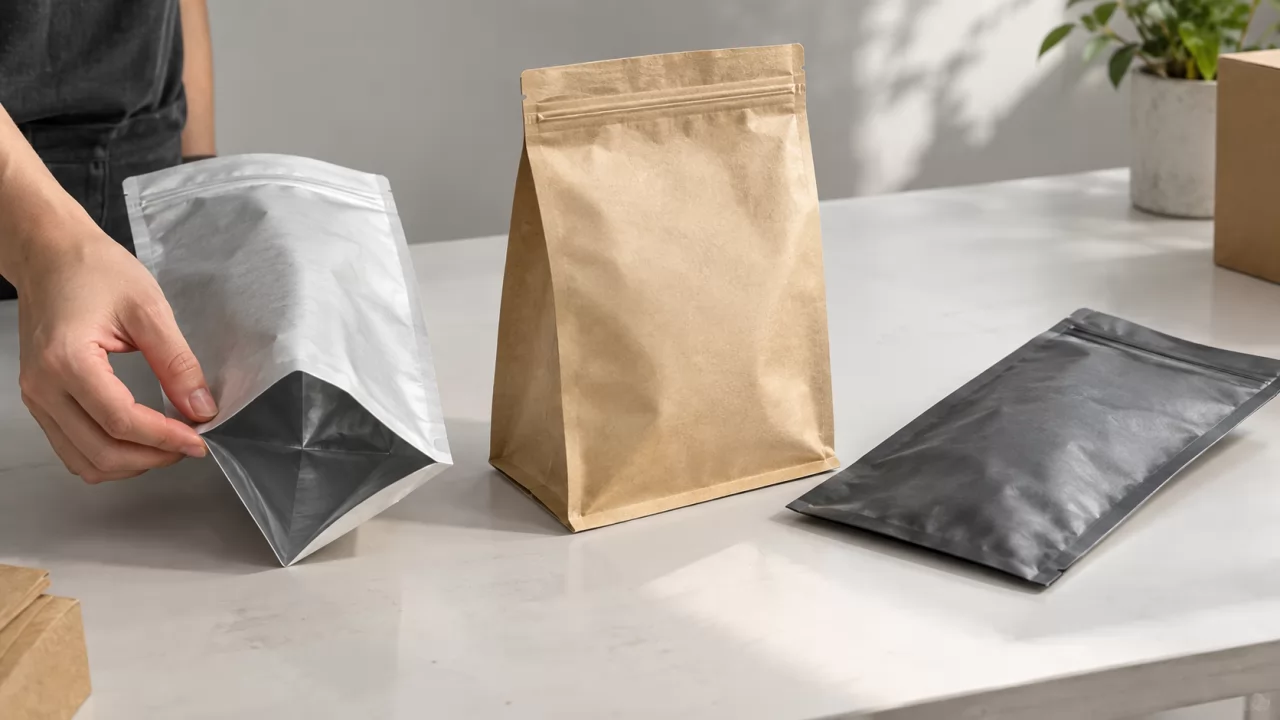
Stand-up and flat bottom pouches are made as finished bags and filled later. A gusset is a folded panel, at the bottom or sides, that lets the bag expand and stand. Gussets trade some internal volume for shelf presence, so width and height are set differently from a pillow bag holding the same weight. A flat bottom pouch usually ends up narrower and taller than an equivalent pillow bag.
Seals, Zippers and Tear Notches Take Space
Seal widths, a zipper strip and the hang hole area all take length you cannot fill. A zipper also needs clearance above the product so the chips do not sit in the track. Count all of these before you lock the dimensions.
Note: Always quote the outside bag size and the usable inside size separately. Suppliers usually quote outside dimensions, and confusing the two is a common reason a filled bag comes up short.
How Do You Choose the Right Size for Custom Printed Chip Bags?
The right size for custom printed chip bags comes from four decisions made in order: fill weight and product, bag format, filling method, and then print method with quantity per design. Fixing the size first and the format later usually means reworking dimensions and artwork, which costs time and, on gravure, money.
- Fill weight and chip type: Weight sets the band; density and shape set the length within it. Have real product on hand for sampling.
- Target headspace: More headspace protects fragile chips but adds film and carton space. Decide how much breakage you can accept.
- Channel: Vending and multipacks favor small pillow bags. Grocery shelves reward stand-up or flat bottom pouches with a full front panel.
- Filling method: Manual or semi-automatic filling works with pre-made pouches. An FFS line needs roll stock film matched to its forming tube and jaw width, so get the machine specs before sizing.
- Barrier and extras: Chips are sensitive to oxygen, moisture and light, so metallized film or a foil laminate is the usual choice for longer freshness. A zipper, tear notch, hang hole or window each changes the usable area.
- Labeling space: Ingredients, allergen statements, nutrition panels and barcodes must fit the target market's rules. A small bag can run out of back-panel space before it runs out of volume.
Rule of thumb: pick the format and filling method before you finalize width and length, then let a filled sample, not a calculation, set the final size.
Tip: Use a free Pouch Capacity calculator for a first estimate. YLTPACK has one among the 6 free packaging calculators on its website, no sign-up needed. Then fill a free similar sample bag with real product before approving artwork.
MOQ, Cost and Timing
Print method and quantity per design drive unit cost more than small changes in size. Per YLTPACK's terms:
- Digital print: MOQ of 1,000 pcs per design. Suited to launches, test runs and ranges with many flavors.
- Gravure print: MOQ of 10,000 pcs per design. Suited to repeat orders and gives the lowest unit price.
- Roll stock film: MOQ of 100 kg for FFS lines.
- Production time: 7–15 days after artwork proof approval. Air, sea or express shipping is quoted separately with the order.
Price depends on material, size, print colors, quantity per design and extras such as a zipper, valve or window. It comes as an itemized quote.
Note: Do not change the bag size after artwork is approved. On gravure, a new size usually means new cylinders and a new proof, which adds cost and resets the production clock.
FAQ
What are standard chip bag dimensions for a family-size bag?
A family-size pillow bag of 10 oz or more typically falls around 10 × 14 in to 12 × 16 in. Chip type and headspace move it within that range. Confirm the size by filling a sample bag with your own product.
Why do chip bags have so much air in them?
The space is deliberate. It is usually nitrogen, not air, and it cushions chips against crushing while helping limit the oxygen that makes them go stale.
Can I use one bag size for several chip flavors?
Usually yes, if the flavors have similar density and chip shape. Digital print lets you run several designs on one size at 1,000 pcs per design, which keeps stock low across a flavor range.
Which material should I use for potato chip packaging?
Metallized film or foil laminate is the usual choice for barrier. Kraft paper laminate gives a natural look, usually with a metallized or foil inner layer for protection. Film test reports and certificates come with the quote.
Send Your Fill Weight and Get a Size Recommendation
Send your product and fill per bag, bag type or a reference photo, quantity per design, number of designs, artwork or idea, extras and target market. Within one business day you get an itemized quote with a recommended structure and free design help. You can also get a free similar sample; you pay the courier. Email [email protected] or WhatsApp +86 182 1944 5665.