The Short Answer: Matching Thickness and Material to Your Meat
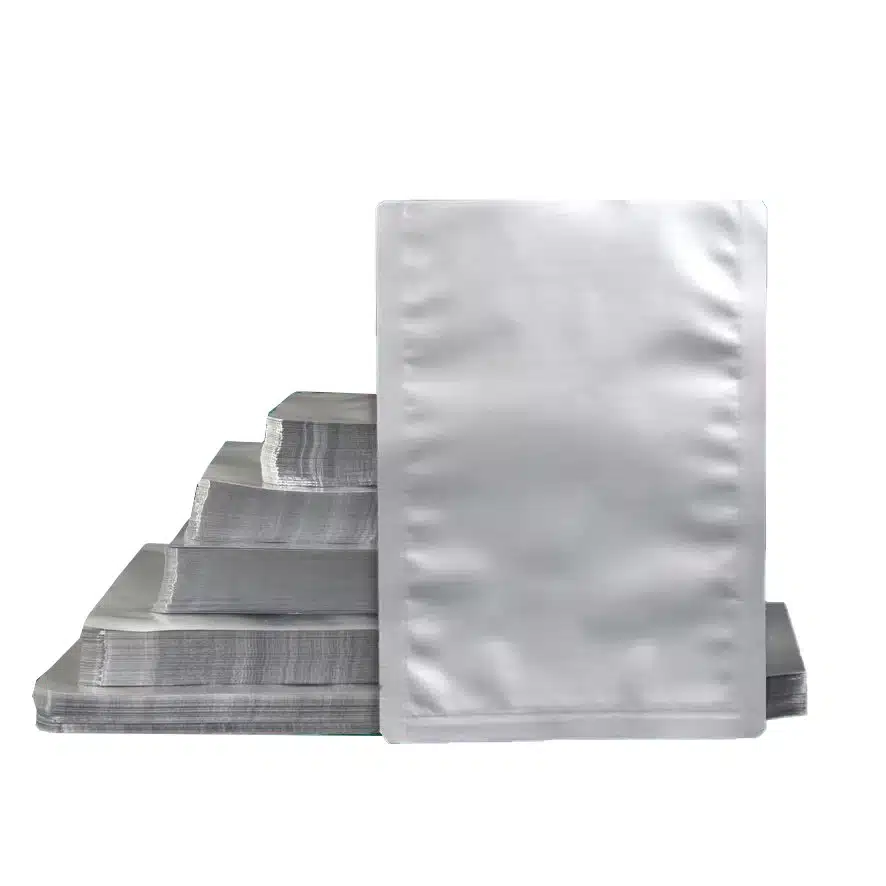
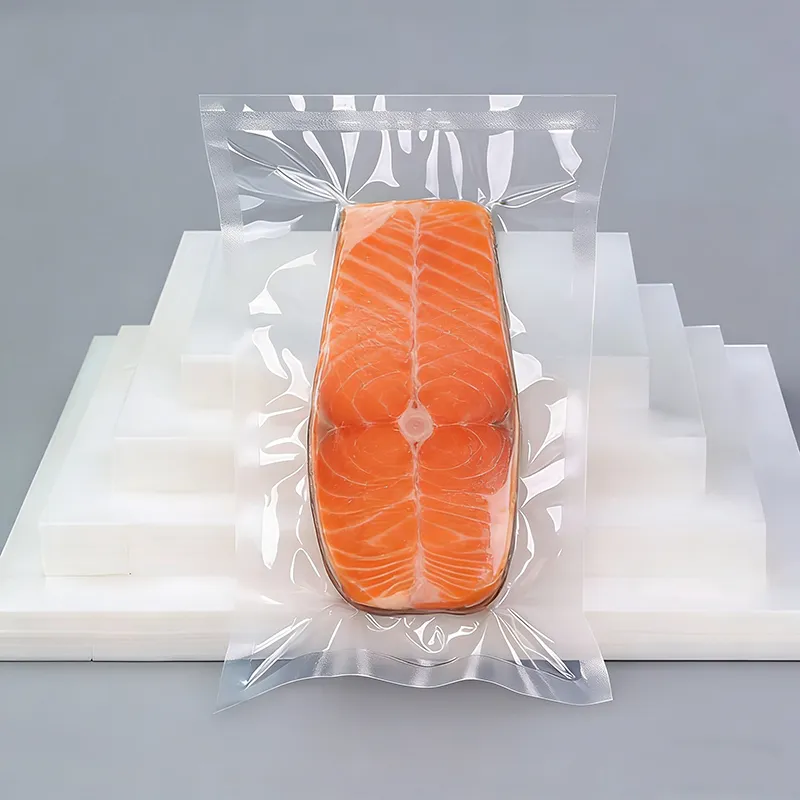
If you package fresh cuts for retail or wholesale, the right vacuum bags for meat thickness usually falls between 3 mil and 5 mil, made from a nylon/PE (polyethylene) laminate. Thicker isn't always better. The correct gauge depends on bone content, storage temperature, and whether you plan to freeze the product.
Why Thickness and Material Decide Everything for Meat
Meat is one of the most demanding products to package. It has moisture, sharp bones, fat that oxidizes, and a shelf life that customers judge by sight. Get the packaging wrong and you get freezer burn, leaks, or purge pooling at the bottom of the pack.
Two variables carry most of the weight here: how thick the film is and what it's made from. Thickness handles puncture resistance and durability. Material handles the oxygen barrier, seal strength, and clarity. They work as a team.
What "mil" actually means
A "mil" is one-thousandth of an inch. So a 3 mil bag is 0.003 inches thick. Most meat packaging lives in the 3 to 5 mil range, though bone-in and bulk cuts sometimes push toward 6 mil or more.
Working with brands across North America, we've found the most common mistake is defaulting to the thickest option "just to be safe." That adds cost and stiffness without solving the real problem, which is often barrier or seal quality instead.

How to Choose the Right Gauge for Your Product
Not every cut needs the same protection. Here's a practical starting point based on what you're actually packing.
| Product Type | Recommended Thickness | Why |
|---|---|---|
| Boneless steaks, fillets, ground meat | 3 mil | Soft, no sharp edges; barrier matters more than puncture strength |
| Bone-in chops, small roasts | 4 mil | Occasional bone contact needs extra puncture resistance |
| Whole primals, ribs, brisket | 5 mil | Heavy weight and rougher handling during transport |
| Bone-in shanks, sharp-edged cuts | 5–6 mil or bone guard film | High puncture risk; protects seal integrity through freezing |
| Long-term frozen storage | 4–5 mil high-barrier | Prevents freezer burn and oxygen migration over months |
Use this as a map, not a rulebook. A ground-meat brand shipping cross-country in summer may want a touch more film than one selling locally. Context always wins.
The puncture problem nobody plans for
Freezing changes things. As meat freezes, moisture expands and bones become rigid and sharp. A bag that held up fine at fridge temperature can fail in the freezer. If your product will freeze, plan the gauge around that condition, not the fresh state.
Understanding the Material: It's Not Just Plastic
Thickness is only half the story. The film structure decides how well your packaging blocks oxygen, holds a seal, and keeps that fresh red color customers trust. Most meat packaging uses a multi-layer laminate, and each layer has a job.
The common material choices
- Nylon/PE (PA/PE): The workhorse. Nylon gives puncture resistance and a strong oxygen barrier; polyethylene handles the seal. Great for fresh and frozen cuts.
- EVOH-layer films: Add an ethylene vinyl alcohol layer for a premium oxygen barrier. Ideal for extended shelf life and case-ready retail.
- PET/PE: High clarity and rigidity, good for display, though less puncture-tolerant than nylon-based films.
- Bone guard films: A reinforced inner layer specifically for sharp bone-in products.
Because we hold FDA and ISO 22000 certifications, we usually recommend food-contact-approved nylon/PE for most meat programs. It balances barrier, strength, and cost better than any single-material option.
Why the oxygen barrier matters so much
Oxygen is the enemy of meat. It drives discoloration, rancidity in fatty cuts, and shortens shelf life. A strong barrier layer keeps oxygen out and locks moisture in, which is exactly why a thin bag with a great barrier can outperform a thick bag with a poor one.
This is where thickness and material stop being separate decisions. A well-built 3 mil high-barrier film often protects better than a cheap 5 mil bag with no dedicated barrier layer.
Fresh vs. Frozen vs. Sous Vide: Match the Bag to the Job
Different end uses put different stress on packaging. A bag built for refrigerated display isn't automatically right for a boil-in-bag cooking application.
| Use Case | Priority | Suggested Build |
|---|---|---|
| Refrigerated retail (7–14 days) | Clarity + oxygen barrier | 3–4 mil nylon/PE or EVOH |
| Long-term freezing (3–12 months) | Puncture + moisture barrier | 4–5 mil high-barrier laminate |
| Sous vide / cook-in-bag | Heat resistance + seal strength | Food-grade heat-stable film rated for target temps |
| Bulk wholesale transport | Durability + seal integrity | 5 mil, wider seals |
If you're running a sous vide product line, confirm the film's temperature rating before anything else. Heat resistance and seal strength outrank thickness in that scenario, because a seal that opens mid-cook ruins the whole batch.
Seals, Sizing, and the Details That Cause Failures
Most packaging complaints trace back to two things: seals and sizing. Even the right film fails if these are off.
Seal width and quality
A wider seal band (think 8–10 mm) resists stress better during freezing and shipping than a thin, minimal seal. For heavy or bone-in products, ask about reinforced or double seals. They cost little and prevent the most common leak points.
Right-sizing the bag
Too large and you get excess air and floppy packs. Too small and the product strains the seal. Aim for roughly a finger's width of clearance beyond the meat on each side. Our in-house design team often helps brands who only have a rough idea of their cut dimensions turn that into precise bag specs.
Texture: smooth vs. embossed
If you're using chamber vacuum machines, smooth bags work well. For external suction sealers, embossed or channeled bags let air escape properly. Matching the bag texture to your equipment is a small detail that quietly determines whether packaging even works on your line.
Printing, Branding, and Shelf Presence
Meat is a visual sale. Customers read the package before they read the label. A clear window that shows the true color of the cut builds instant trust, while smart print placement communicates quality and origin.
If your product sells in a crowded case, consider matte finishes for a premium feel or high-clarity film for a fresh, honest look. Butcher-shop and craft brands often lean on clean, minimal print with a large clear area so the meat itself does the selling.
As a manufacturer that has produced packaging for 20+ years, we've seen how much a well-placed logo and accurate barrier claims influence repeat purchases. Presentation and performance aren't competing priorities. They reinforce each other.
Food Safety and Compliance You Can't Skip
Anything touching meat needs to be food-contact safe, full stop. This isn't a place to cut corners, and buyers increasingly ask for documentation before they commit.
- Confirm the film is food-grade and FDA-compliant for direct contact.
- Ask for certification records if you sell into regulated retail channels.
- For export or premium retail, ISO 22000 (food safety management) signals a controlled process.
- If sustainability is part of your brand story, ask about recyclable or GRS-certified recycled-content options.
In our 6,800㎡ cleanroom facility, packaging for food products is produced under controlled conditions to reduce contamination risk. For meat, that hygiene layer matters as much as the film specs themselves.
A Quick Checklist Before You Order
Run through these before finalizing a custom run. It saves costly reprints and rejected batches.
- Is the product boneless, bone-in, or sharp-edged?
- Will it be refrigerated, frozen, or cooked in-bag?
- What's the target shelf life?
- Chamber sealer or external suction machine?
- How rough is the shipping and handling route?
- Do you need high clarity, print, or a matte finish?
- Are food-contact certifications documented?
- Is the size dialed in to the actual cut dimensions?
Answer these and the right specification usually becomes obvious. The decision on vacuum bags for meat thickness stops being a guess and becomes a straightforward match of conditions to film.
How to Work With a Custom Packaging Partner
Off-the-shelf bags rarely fit growing brands perfectly. Custom sizing reduces waste, tightens your seals, and lets you build in the exact barrier and branding you need. When you're comparing suppliers, look past price sheets and ask about testing, sample runs, and consistency across large orders.
A good partner will ask about your product and process before quoting anything. If a supplier recommends a spec without understanding whether you freeze your product or which sealer you run, that's a warning sign.
At YLTPACK, we start with your product and use case, then match film structure, gauge, and format to it. If you want a second opinion on a spec or a sample to test on your own line, reach out at WhatsApp +86 182 1944 5665 or [email protected]. We're happy to help you pressure-test the choice before you scale.
Final Thoughts
Choosing meat packaging comes down to matching film gauge and material to the real conditions your product faces. For most fresh cuts, a 3–4 mil nylon/PE laminate does the job. Bone-in and long-frozen products lean toward 5 mil or reinforced films. And a strong oxygen barrier often matters more than raw thickness.
Start from your product, storage, and equipment, not from a generic spec. Do that, and your packaging will protect the meat, survive the journey, and look right in the customer's hands.
Frequently Asked Questions
Is a thicker bag always safer for meat?
No. Extra thickness adds puncture resistance but does nothing for the oxygen barrier. A thinner high-barrier film often protects fresh meat better than a thick bag with no dedicated barrier layer. Match the gauge to bone content and handling, not to a "thicker is safer" instinct.
What thickness do I need for freezing meat long term?
For three to twelve months of frozen storage, a 4–5 mil high-barrier laminate is a reliable range. Freezing sharpens bones and expands moisture, so puncture resistance and a strong moisture barrier both matter. If the cuts are bone-in, consider a reinforced or bone guard film.
What's the best material for vacuum-sealed meat?
Nylon/PE (PA/PE) laminate is the most common choice because it balances puncture resistance, oxygen barrier, and seal strength. For extended shelf life, an EVOH layer adds a premium oxygen barrier. All films should be food-contact safe and FDA-compliant.
Can I use the same bags for a chamber sealer and a suction sealer?
Usually not. Chamber machines work with smooth bags, while external suction sealers need embossed or channeled bags so air can escape. Using the wrong texture leads to weak vacuums and failed seals, so match the bag to your equipment.
Do I need certifications for meat packaging?
Yes, at minimum the film should be food-grade and FDA-compliant for direct contact. If you sell into regulated retail or export markets, ISO 22000 food safety documentation is often requested. Ask any supplier for records before placing a large order.