Quick Answer: Spotting a Failed Vacuum Seal in Seconds
If your pouch feels loose, puffy, or air-filled instead of tight and rigid, the seal is gone. A properly sealed bag clings to its contents like shrink wrap, with no give when you press it. The moment you notice softness, trapped air, or condensation inside, you're looking at a compromised package.
The 5-Second Touch Test Anyone Can Do
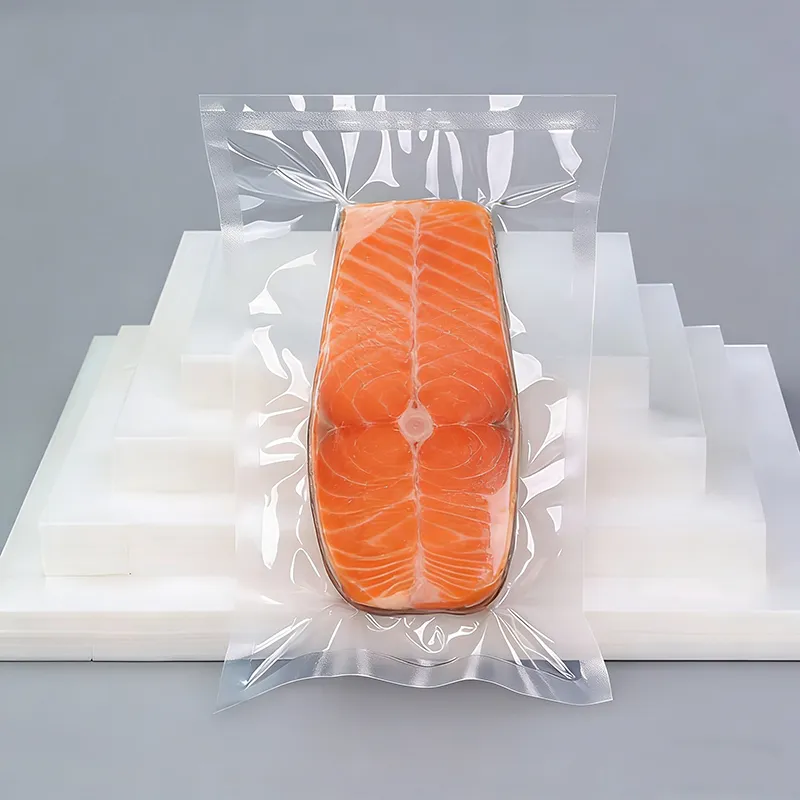
Your hands are the fastest diagnostic tool you own. A live vacuum bag is firm and molded tightly around whatever sits inside. There's no slack, no air pocket, no movement.
Press down with your fingertips. A sealed pouch resists and feels almost solid. A failed one gives way easily, and you'll feel the contents shift.
What "Loss of Seal" Actually Feels Like
- Firm and rigid: Seal intact, air removed, product protected.
- Soft or spongy: Air has crept back in, seal compromised.
- Loose film: The plastic no longer hugs the contents.
- Audible crinkle with give: Trapped air moving around.
Working with brands across North America, we've found the most common mistake is assuming a slightly soft bag is "fine." It isn't. Once air returns, the protective barrier is already working against you.
Visual Signs Your Vacuum Seal Is No Longer Sealed
Your eyes catch things your fingers miss. The signs vacuum seal bag is no longer sealed are often visible the moment you hold the pouch up to light.
Look for the film lifting away from the product. A healthy package shows the plastic pressed flat against every contour. A failed one balloons or wrinkles in odd places.
| Visual Cue | Sealed (Good) | Seal Lost (Bad) |
|---|---|---|
| Film position | Tight against contents | Lifted, loose, or puffy |
| Seal edge | Clean, continuous line | Wrinkled, gapped, or open |
| Internal moisture | Dry, clear | Condensation or droplets |
| Shape | Compact, molded | Rounded, inflated |
The Seal Line Tells the Whole Story
Run your eye along the heat-sealed edge. A solid weld looks like one uninterrupted band. If you spot a faint channel, a wrinkle crossing the seal, or a tiny gap, that's your leak point.
As a manufacturer that has produced packaging for over 20 years, we see most failures trace back to contamination at the seal line. A crumb, a drop of grease, or a fold caught in the heat zone is all it takes.
How to Check If a Food Saver Bag Lost Its Vacuum
Home-style sealers and the bags they use follow the same physics as commercial packaging. To learn how to check if food saver bag lost its vacuum, start with the puff test, then move to water.
- The puff test: Gently squeeze. If air pushes out from anywhere along the edge, the seal failed.
- The submersion test: Press the bag underwater. Rising bubbles pinpoint the exact leak.
- The overnight test: Mark the air level, wait 12 hours, and recheck. Any expansion means a slow leak.
The submersion test is the gold standard because it shows you precisely where the breach lives, not just that one exists.
Why a Bag Looks Sealed but Isn't
Micro-leaks are sneaky. The pouch can look perfectly tight for hours, then slowly inflate as air seeps through a pinhole or a weak seal. This is why a single visual check can fool you.
Why Did My Vacuum Sealed Bag Lose Its Seal?
Understanding the cause helps you prevent the next failure. If you've ever wondered why did my vacuum sealed bag lose its seal, the answer usually falls into one of a few buckets.
| Cause | What Happens | Prevention |
|---|---|---|
| Contaminated seal line | Grease or moisture blocks the weld | Wipe the inner edge before sealing |
| Sharp contents | Bones or edges puncture the film | Pad sharp items or use thicker film |
| Wrong film thickness | Thin material flexes and cracks | Match gauge to product weight |
| Weak heat seal | Incomplete bond along the edge | Verify temperature and dwell time |
| Temperature swings | Expansion stresses the seal | Store at stable conditions |
Material quality matters more than most people expect. A 2024 packaging industry review found that puncture and seal-integrity issues account for the majority of vacuum-pack complaints in food and consumer goods. The film and the weld do the heavy lifting.
The Film Thickness Factor
Not all pouches are built equal. A bag designed for soft produce will fail fast around sharp-edged hardware or bone-in proteins. Because we hold FDA and ISO 22000 certifications, we recommend matching film structure to the actual product, not just the category.
Our in-house design team often helps brands who only have a rough idea of what they need. A pet food brand, for instance, needs both a strong oxygen barrier to keep kibble fresh and enough strength to survive stacking on a pallet.
How to Tell If a Vacuum Seal Failed on Frozen Food
Frozen items add their own twist. Learning how to tell if vacuum seal failed on frozen food comes down to one word: frost.
Ice crystals or freezer burn on the surface of the product mean air has reached it. A working seal keeps the surface clean and moisture-locked, even after months in the freezer.
The Frozen-Food Checklist
- Frost inside the bag: Air is present, seal compromised.
- Freezer burn on product: A clear sign of exposure.
- Loose, crinkly film: Vacuum lost during freezing or storage.
- Gray or dried patches: Surface dehydration from trapped air.
Temperature cycling is the silent culprit here. Every time a freezer defrosts and refreezes, the film flexes. A marginal seal that survived day one can split by week three.
What a Failed Seal Costs Your Brand
For anyone packaging products for sale, a lost seal isn't just an inconvenience. It's spoiled inventory, customer complaints, and returns that eat your margin.
Coffee goes stale as oxygen strips its aroma. Frozen proteins develop freezer burn. Dry goods absorb moisture and clump. Each failure chips away at the trust a shopper placed in your label.
The packaging is the first physical promise a customer holds. When it fails, they don't blame the bag. They blame your brand.
Where Custom Packaging Makes the Difference
Off-the-shelf pouches rarely match your exact product. The right gauge, barrier layer, and seal width depend on what's inside and how it travels. In our 6,800㎡ cleanroom facility, we test seal strength and barrier performance before a run ships, so the bag that reaches your customer behaves like the sample you approved.
This is where a source factory earns its keep. Instead of guessing, you get film matched to your weight, your supply chain, and your shelf life targets.
Quick Prevention Checklist
- Wipe the seal area clean before closing every pouch.
- Match film thickness to product weight and edges.
- Pad or wrap sharp contents before sealing.
- Verify your sealer's heat and dwell settings regularly.
- Store finished goods at stable temperatures.
- Spot-check random units from each batch with the squeeze test.
A two-second check per unit during packing catches problems before they leave your facility. That habit alone prevents most field failures.
Final Takeaway
A reliable package should feel firm, look tight, and stay that way through storage and shipping. Softness, puffiness, condensation, or frost are your warning signs, and the squeeze and submersion tests confirm them in seconds.
Most seal failures trace back to one of two things: a contaminated seal line or film that doesn't match the product. Get those right and your pouches hold. If you're choosing packaging for a brand and want film matched to your exact needs, reach the YLTPACK team at WhatsApp +86 182 1944 5665 or [email protected] to talk through your product specs.
Frequently Asked Questions
How long should a vacuum sealed bag hold its seal?
A quality pouch with the right film should hold for the full shelf life of the product, often a year or more for frozen goods. If air returns within days, the seal or the film is the problem, not normal aging.
Can I reseal a bag that lost its vacuum?
Yes, if there's enough film left above the contents. Cut below the old seal, clean the new seal area, and run it through your sealer again. Just remember the original failure may repeat if the cause wasn't contamination.
Does a puffy bag always mean the seal failed?
Not always. Some foods naturally release gases as they age, which can inflate a bag even with an intact seal. But for most dry goods and frozen items, puffiness points to air leaking in through a breach.
What's the most reliable test for a small leak?
The water submersion test wins. Press the pouch underwater and watch for a steady stream of bubbles, which marks the exact leak point. Visual and squeeze checks can miss slow micro-leaks that water reveals instantly.
How do I prevent seal failures across a large production run?
Consistency comes from controlled materials and process checks. Match film gauge to your product, keep seal lines clean, and spot-test units from each batch. Partnering with a manufacturer that verifies seal strength before shipping removes most of the guesswork.