Bag format is the dullest decision on the project. Teams often settle it last, after the designer has already started on the front panel. But the format fixes the dieline, the print panels, the laminate, the extras and your route to the minimum order. This guide covers how to choose flexible packaging bag format before anything else is locked.
Pick the bag format before artwork, material or price. The format decides the dieline, the printable area, the laminate structure and which extras will fit, so every later choice depends on it. This applies to any brand owner or private-label client starting a new SKU. Choose the pouch style from what the product needs, then brief the designer.
Why Choose the Bag Format Before Artwork Design?
The bag format comes before artwork design because almost every later decision depends on it. The dieline, panel sizes, material structure, extras, print method and unit price all follow from the format. Choosing a pouch style before artwork design means your designer, your quote and your production schedule all work from the same fixed drawing.
What the format locks in
A dieline is the flat technical drawing that shows a bag's cut lines, folds, seals and safe print zones. Designers work inside it. Without it, they are guessing.
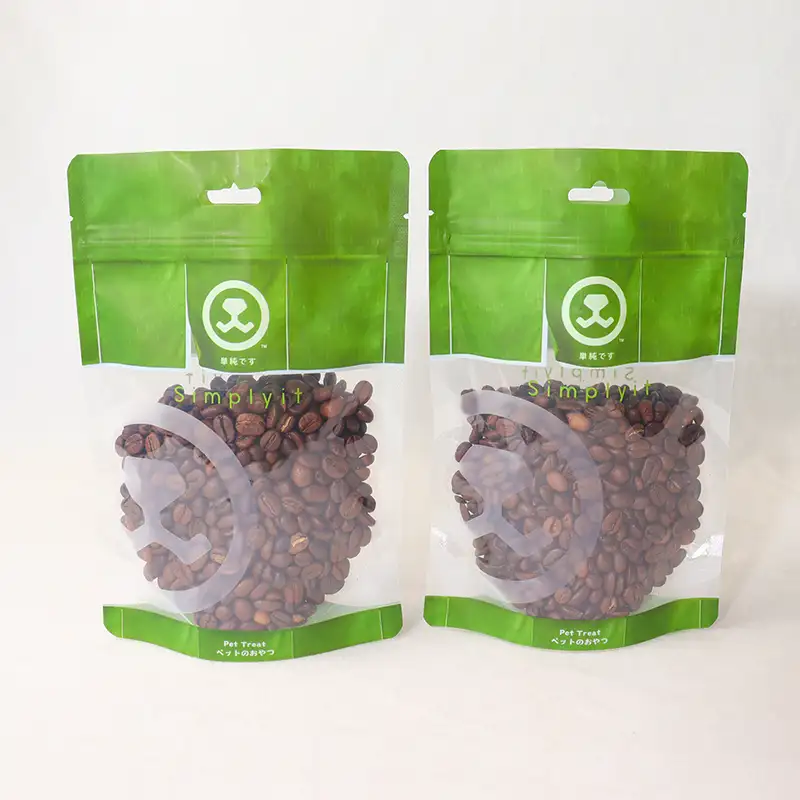
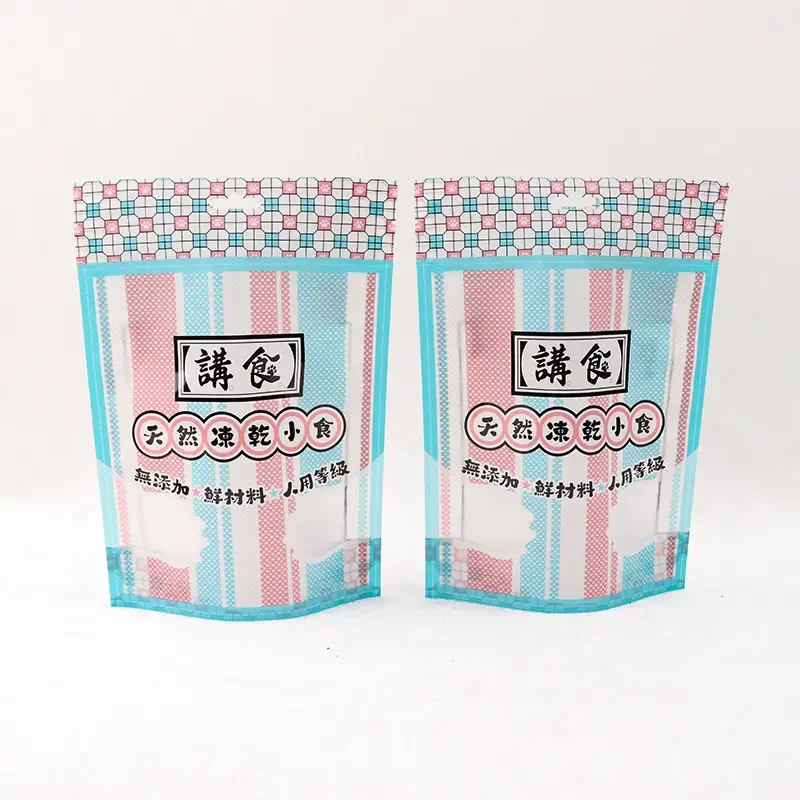
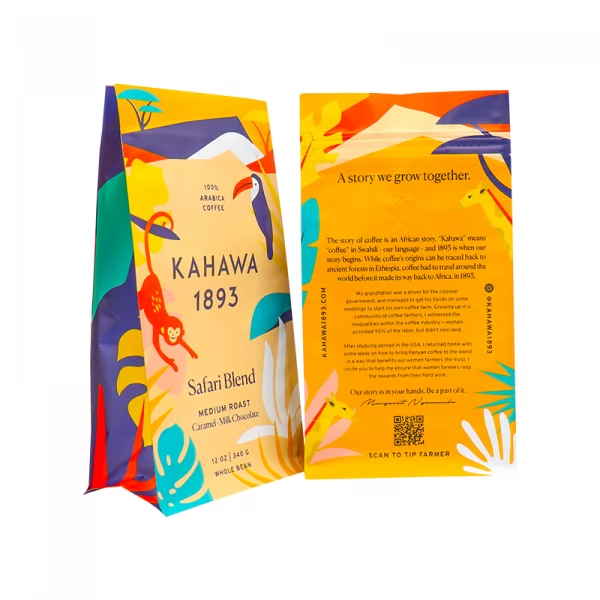
The format sets that drawing. A gusset is the folded panel that lets a bag expand at the bottom or sides, and its depth changes how much of the front panel stays visible once the bag is filled. Seal widths take up printable space at the edges. A stand-up pouch gives you a front, a back and a bottom gusset. A flat bottom pouch adds two side gussets and a base you can print on. Those are different canvases, so artwork built for one does not drop into the other.
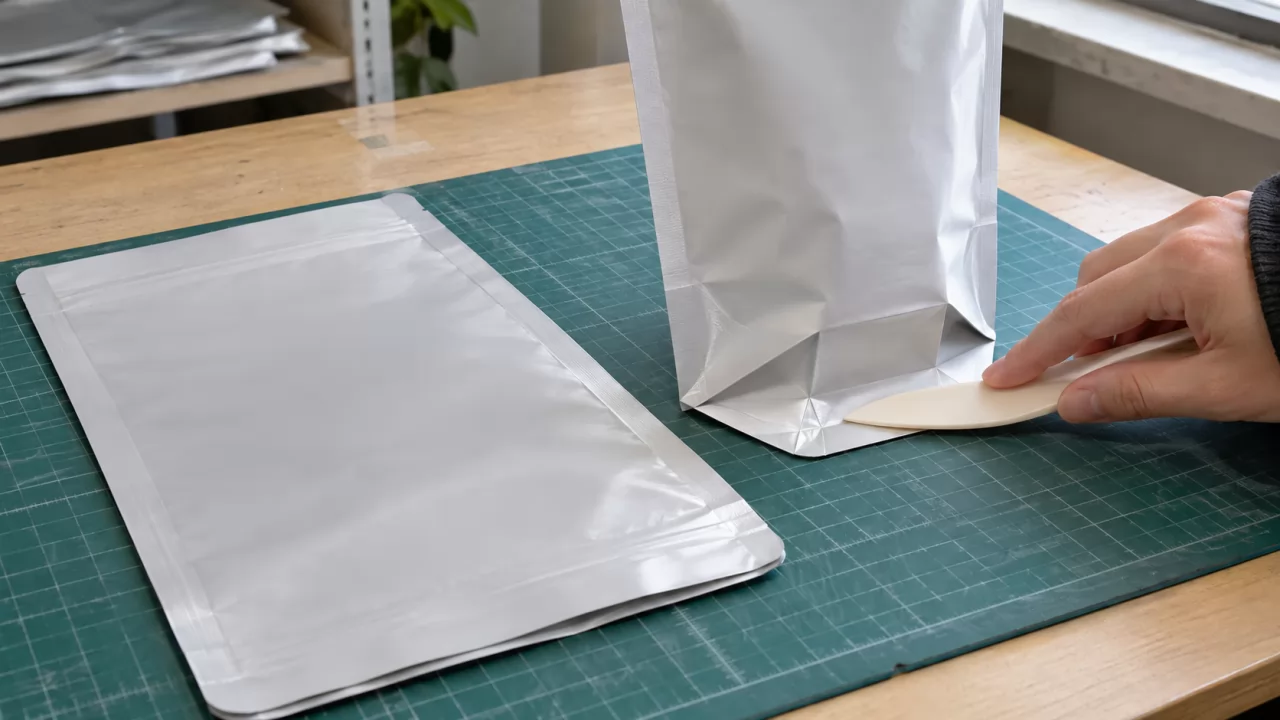
How the format shapes the quote
The bag style drives the laminate structure. A pouch that has to stand, hold a spout or survive a retort cycle needs different layers and different seal strength than a simple three-side-seal bag.
Extras depend on it as well. A zipper, degassing valve, spout or window each has to sit in a place the format allows. The format also affects whether digital or gravure printing makes sense, since gravure cylinders are made to a fixed repeat and size. All of this goes into the unit price.
What a late format change costs you
Say you switch from stand-up to flat bottom after the proof is signed. The dieline has to be redrawn and the artwork rebuilt around new panels. The quote is reissued, because the material use and converting steps have changed. Production time normally counts from artwork approval, so the schedule starts again from zero.
If gravure cylinders were already engraved, they may have to be made again. That cost comes back to you.
Format by Product: Liquids, Cooked Foods, Coffee and Filling Lines
Custom packaging bag types for food products should be matched to the product's physical needs. What looks good on a competitor's shelf is the wrong starting point. Here are the common cases.
Sauces, drinks and refills
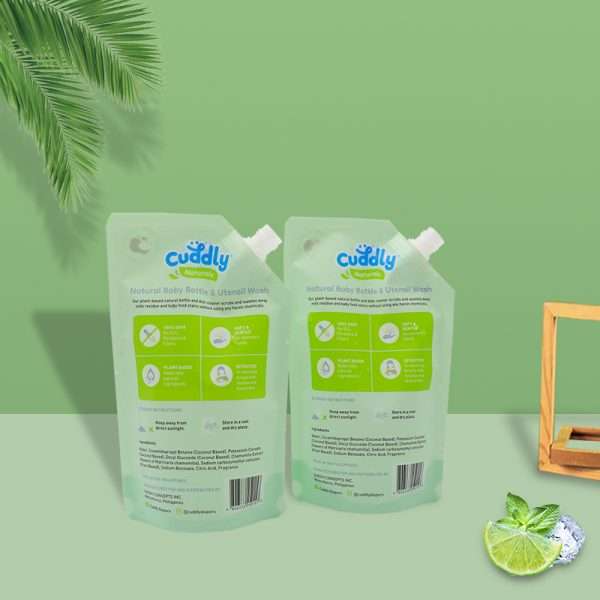
A spout pouch is a flexible pouch with a rigid fitment and cap sealed into it for pouring or squeezing. Sauce brands, drink start-ups and household refill lines use it. They need a bag that does not leak in transit or on the shelf.
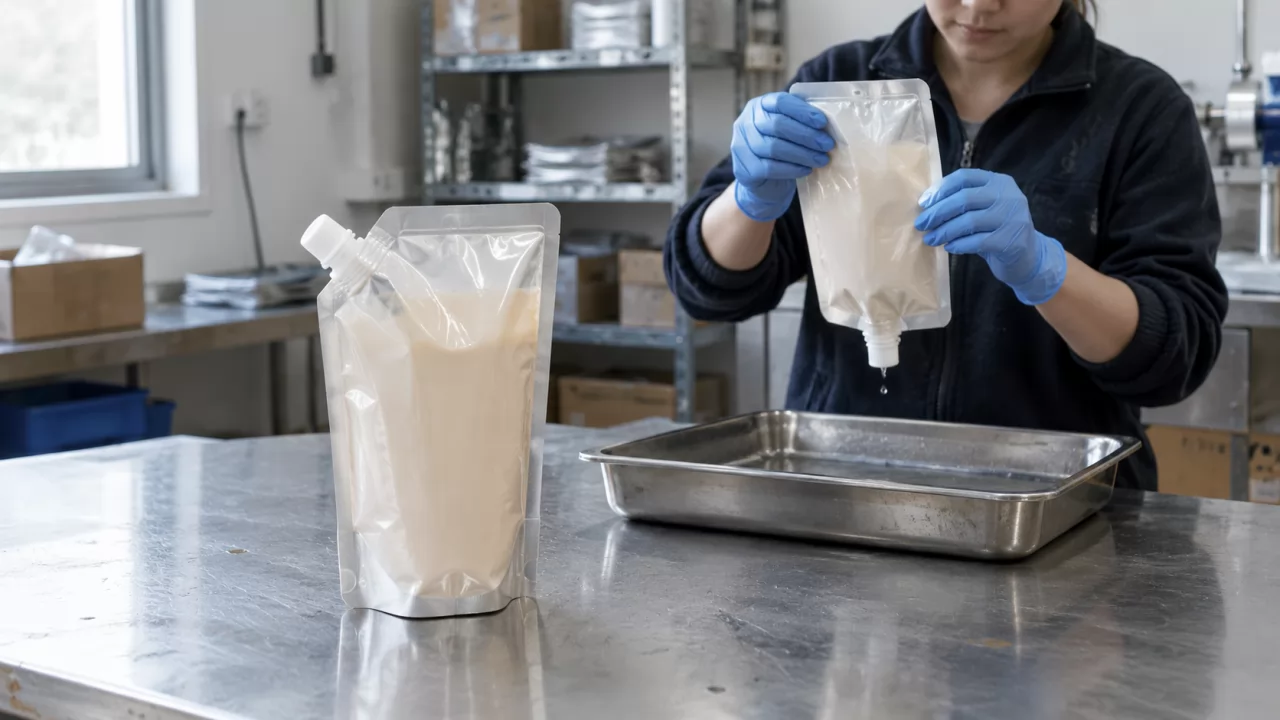
Look at leak testing first. Then look at the fitment: its diameter, where it sits (top or corner) and how well it fits your filling nozzle and the way the end user pours. A good print cannot fix a fitment that drips.
Ready meals, pet food and rice cooked in the bag
A retort pouch is a laminated pouch built to survive sterilization under heat and pressure after it is filled and sealed. Ready-meal brands, wet pet food makers and pre-cooked rice producers rely on it.
A standard pouch fails in this process. Its adhesives and sealant layers are not designed for sustained high temperature, so the laminate can separate, the seals can weaken and the bag can deform. Ask for a structure rated for your actual sterilization temperature and time, and give the supplier those figures from your own process sheet.
Coffee, dry goods and products opened often
A degassing valve is a one-way valve that lets gas from freshly roasted coffee escape without letting outside air in. Roasters usually put it on a flat bottom or stand-up pouch.
Granola, snacks and pet treats get opened many times. A zipper or slider keeps them usable after the first pour. When shelf life is the main concern, a foil or high-barrier laminate does more for the product than any closure.
Automatic filling lines
Form-fill-seal (FFS) is a packing method where a machine forms bags from a continuous roll of film, fills them and seals them in one pass. If you run an FFS line, you need roll stock film, not pre-made pouches. Check the film width, the print repeat, the core size and the eye-mark position against your machine's specification sheet.
Stand-Up and Flat Bottom Pouches Solve Different Problems
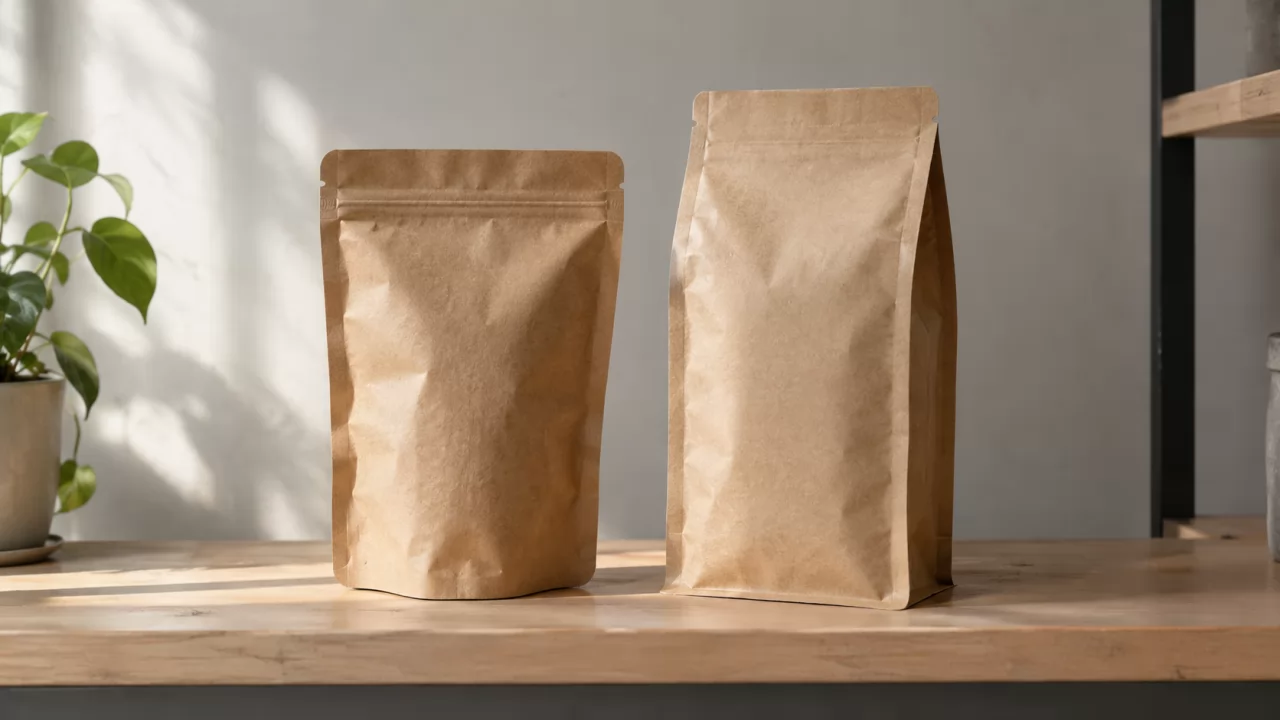
Buyers who compare a stand-up pouch vs a flat bottom pouch usually weigh the same six points, set out below.
| Item | What to look for |
|---|---|
| Shelf presence and print panels | Stand-up: two main faces and a bottom gusset. Flat bottom: front, back, two side gussets and a printable base, which gives more brand space at eye level. |
| Stability when filled | Flat bottom stands square, like a box. Stand-up rests on a rounded base and can lean when underfilled or holding light, bulky product. |
| Typical products | Stand-up: snacks, granola, powders, pet treats. Flat bottom: coffee, larger pet food packs and higher-priced dry food. |
| Material use per bag | For the same fill volume, flat bottom usually needs more film and more seals than stand-up. |
| Extras commonly added | Both take zippers, tear notches and hang holes. Flat bottom often carries a pocket or slider zipper and a valve. Stand-up suits windows and spouts more easily. |
| Relative cost drivers | Flat bottom adds converting steps and film area, so expect a higher unit price. Stand-up is simpler to make and cheaper at the same size and print. |
Choose stand-up when cost per unit, light fills or a spout matter most. Choose flat bottom when the bag holds a heavier fill, has to stand square in a retail display, or needs the side panels for information that would not fit elsewhere.
How to Choose a Flexible Packaging Bag Format: Five Checks
Run these checks before you send an RFQ. They are listed by how often each one settles the decision.
Product state and fill weight. Liquid, paste, powder, granule or solid pieces. This alone rules out half the options. Fill weight then sets the size and tells you whether a stand-up base will hold.
Process. Hot fill, retort, freezing, manual filling or FFS. Each one limits the structure. A bag that survives the freezer may not survive a retort.
Barrier and shelf-life target. Oxygen, moisture and light sensitivity decide between clear films, metallized layers and foil. Write down the shelf life you need. "Long" is not a spec.
Opening frequency. Single-serve products need only a tear notch. Products used over weeks need a reclosable zipper or slider.
Market rules and sustainability requirements. Food-contact rules in the target market, plus any retailer or regulatory push toward mono-material or recycled content, narrow the choice of materials. Those structures can also raise the minimum order.
Rule of thumb: if the first two checks point to one format, the other three only adjust the material and extras.
Most Format Mistakes Show Up After the Proof
- "Artwork first, bag later." The designer works to a guessed size, and the layout breaks once the real dieline arrives. Fix the format and dieline first, then start design.
- "Flat bottom always looks more upmarket, so it is always worth it." On a small or light fill, the extra film and converting cost buy very little extra shelf impact. Price both formats at your actual fill weight before you decide.
- "Any pouch can hold liquid if the seal is strong." Liquids put stress on corners, gussets and seals during filling, stacking and shipping. Use a spout pouch or a structure built for liquids, and ask how it is leak-tested.
- "Size can be fixed during sampling." Sampling checks fit and feel. It is not the stage for choosing the format. Agree format and approximate size before samples are cut.
FAQ
Which pouch type is right for my product if I am still unsure?
Send the product, fill weight and a reference photo, and ask for one recommended format in writing. A written recommendation gives you something concrete to compare and challenge.
Can I test a format before committing to a print run?
Yes. A free sample of a similar bag lets you check size, feel and fit with your real product. The sample costs nothing, and you pay the courier.
Does the bag format change the MOQ?
Indirectly, yes. The format affects the material and the print method, and those two set the minimum per design.
If two formats both work, how do I decide?
Ask for each one to be priced separately, with one recommended in writing. Then weigh the price gap against shelf and stability needs.
Send the Brief, Get the Format Settled
Once you know your fill weight and filling process, does your product need to stand square, pour, or just reseal? Send that answer with the quantity per design and a reference bag, and our team will reply with one recommended format, an itemized quote within one business day, and free design help before any artwork is final.