The Short Answer First
If you want the quickest answer: the best vacuum bag long term food storage relies on is a multi-layer bag with a strong oxygen barrier, thick puncture-resistant film (usually 4-mil or heavier), and food-grade certification. That combination keeps flavor, texture, and safety intact for months or even years.
Why Bag Choice Decides Shelf Life
Food doesn't spoil randomly. It degrades because of three quiet enemies: oxygen, moisture, and light. A cheap bag lets all three sneak in through thin film or weak seals.
Oxygen causes rancidity in fats and nuts. Moisture invites mold and freezer burn. Light breaks down vitamins and color. The right pouch acts as a shield against all three at once.
Working with brands across North America, we've found that the most common mistake is buying on price alone, then watching returns pile up when product arrives stale. The bag is the cheapest part of your product but the biggest risk to it.
The Materials That Actually Work
Not all films are equal. The magic happens in the layers, not the marketing. Here's what separates a reliable barrier pouch from a glorified sandwich bag.
Common film structures compared
| Structure | Oxygen Barrier | Best For | Typical Shelf Life |
|---|---|---|---|
| PA/PE (Nylon + Polyethylene) | Good | Freezer meats, wet foods | 1-2 years frozen |
| PET/AL/PE (Foil laminate) | Excellent | Coffee, dry goods, powders | Up to 2+ years |
| PET/VMPET/PE (Metallized) | Very good | Snacks, grains, blocking light | 12-18 months |
| Single-layer PE | Poor | Short-term fridge only | Days to weeks |
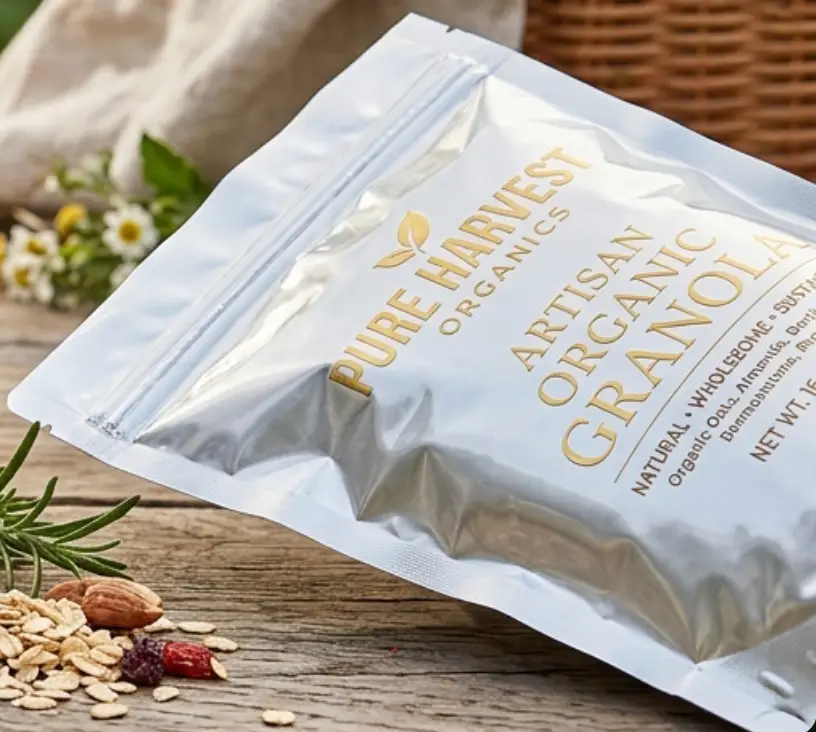
The takeaway is simple. If you're storing anything valuable for the long haul, single-layer film is off the table. You want a laminate that stacks a barrier layer between protective outer and heat-seal inner layers.
How thick is thick enough?
Film thickness is measured in mils. For freezer and long storage, aim for a minimum of 4-mil on the seal side. Heavy items with sharp edges, like bone-in meat or dried pasta, benefit from 5-mil or more.
Because we hold FDA and ISO 22000 certifications, we recommend matching gauge to the product's weight and edge sharpness rather than defaulting to the thinnest option. A puncture at month three ruins everything sealed before it.
Reusable or Single-Use? Reading Your Real Need
This question trips up a lot of buyers. Reusable vacuum bags for long term food storage make sense for home kitchens and low-volume, premium products where customers re-seal at home.
But for products that ship sealed and stay sealed, a single-use barrier pouch usually protects better and costs less per unit at scale. Reusables trade some barrier strength for the ability to open and re-close.
- Choose reusable when: end users portion and re-seal repeatedly.
- Choose single-use when: the product ships pre-sealed and opens once.
- Watch out: reusable zippers can weaken barrier performance over dozens of cycles.
Matching the Bag to What's Inside
There is no universal winner. The smartest choice depends entirely on the food. Here's how to think about the most common categories.
Coffee and aromatic goods
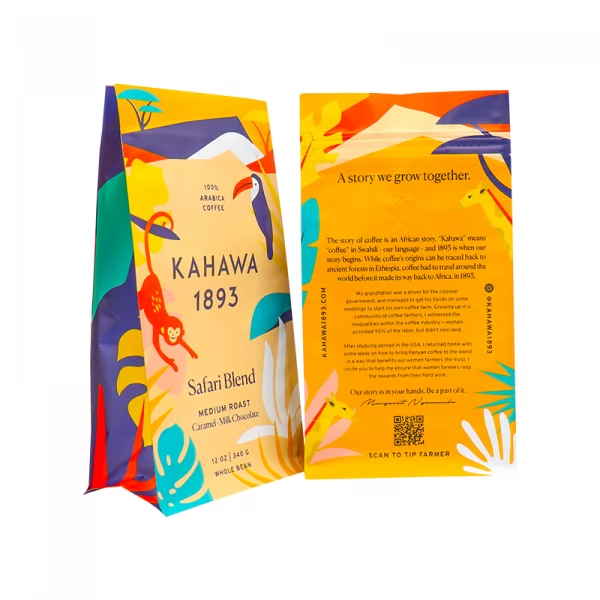
Coffee is all about aroma retention. A high oxygen barrier keeps beans from going flat, and a one-way degassing valve lets fresh-roasted CO2 escape without letting air back in. Skip the valve on coffee and you'll get bloated, dull-tasting bags.
Dry pantry staples
For rice, flour, beans, and dehydrated meals, the best vacuum bags for storing dry food long term pair a strong moisture barrier with room for an oxygen absorber sachet. Dry doesn't mean safe. Humidity finds a way in through weak film.
Frozen proteins
Freezer storage punishes weak seals. Heavy duty vacuum bags for freezer food storage need cold-crack resistance so the film stays flexible below zero, plus a thick gauge to survive sharp bones and ice crystals.
Bulk and wholesale volumes
When you're moving large quantities, vacuum sealer bags for bulk food storage should balance barrier strength with stacking and transport durability. Think about how pallets are loaded, how bags rub together, and whether seams can survive rough handling in a warehouse.
The Seal Is Where Most Bags Fail
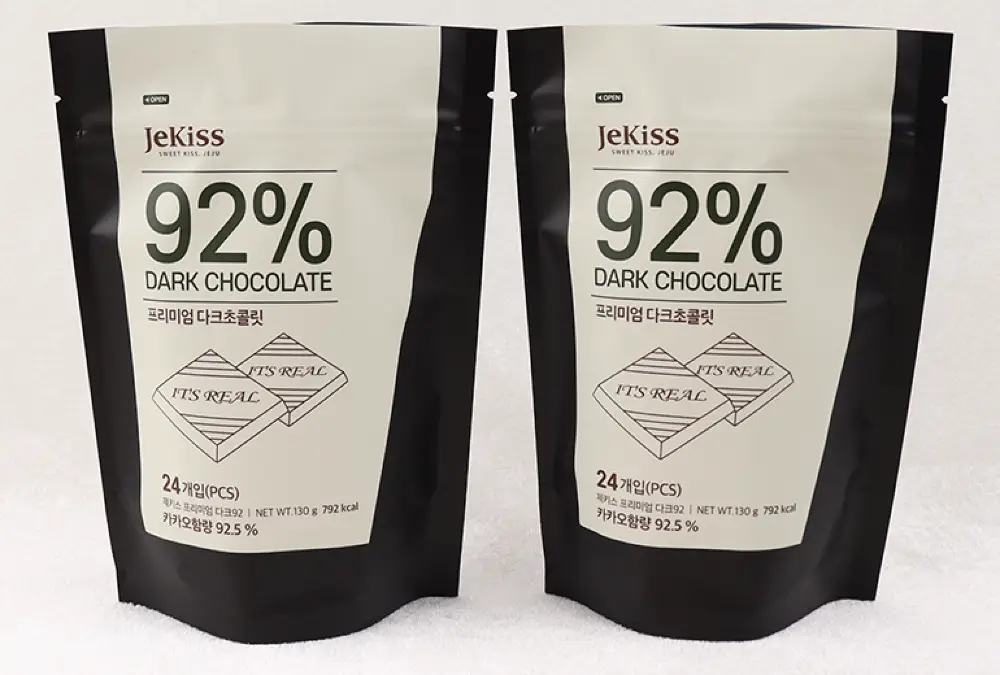
People obsess over film and forget the seal. Yet a perfect barrier with a weak seam is a bag that leaks. The seal is your finish line.
Look for a wide, even heat-seal channel and clean, uncontaminated seal areas. In our 6,800㎡ cleanroom facility, we control dust and particulates precisely because a single crumb in the seal path can create a slow leak that shows up weeks later.
A quick field test: seal a bag, submerge it in water, and press gently. Bubbles mean failure. Do this on samples before committing to a large run.
Certifications Worth Checking
Food-contact packaging is regulated for good reason. Before you order, confirm the film and inks meet food-grade standards for your target markets.
| Certification | What It Confirms |
|---|---|
| FDA compliance | Materials safe for direct food contact |
| ISO 22000 | Food safety management throughout production |
| ISO 9001 | Consistent quality control systems |
| GRS | Verified recycled content, if sustainability matters |
As a manufacturer that has produced packaging for over 20 years, we've seen shipments held at customs over missing documentation. Getting paperwork right upfront saves painful delays later.
A Simple Checklist Before You Order
Run through this before you approve any sample. It catches most problems early.
- Is the film multi-layer with a genuine barrier layer, not single-ply?
- Is the gauge at least 4-mil for freezer or long storage?
- Does it need a degassing valve, resealable zipper, or absorber pocket?
- Do the materials carry food-grade certification for your market?
- Have you water-tested the seal on a real sample?
- Does the design survive your actual shipping and stacking conditions?
Custom vs. Off-the-Shelf
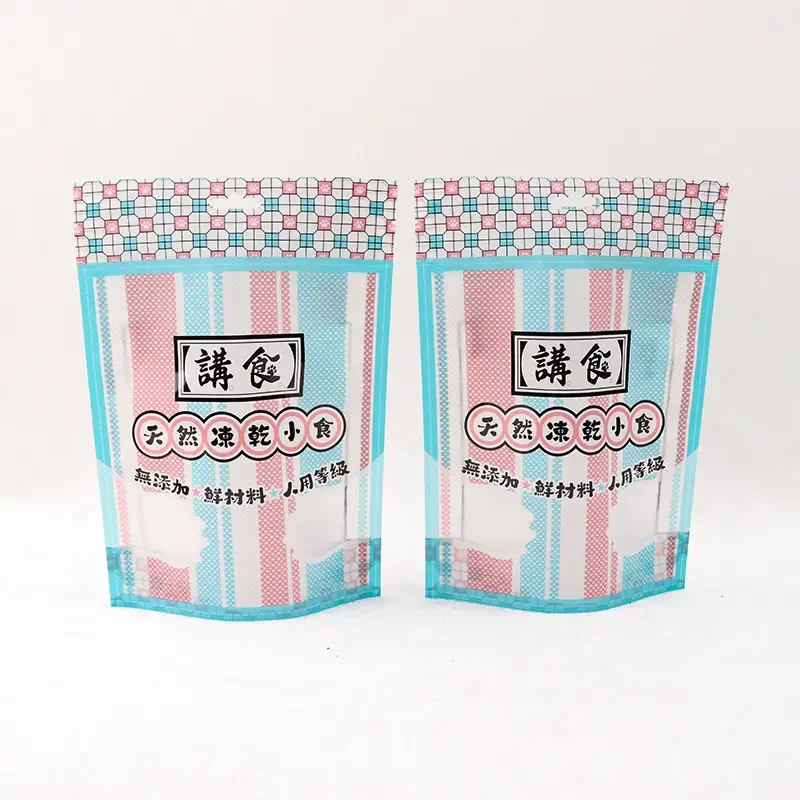
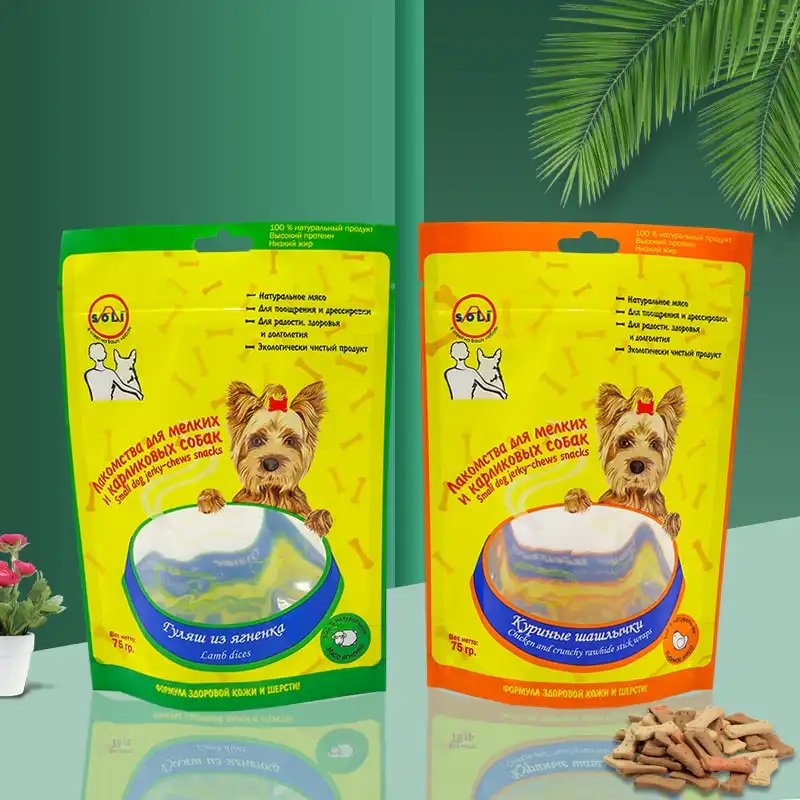
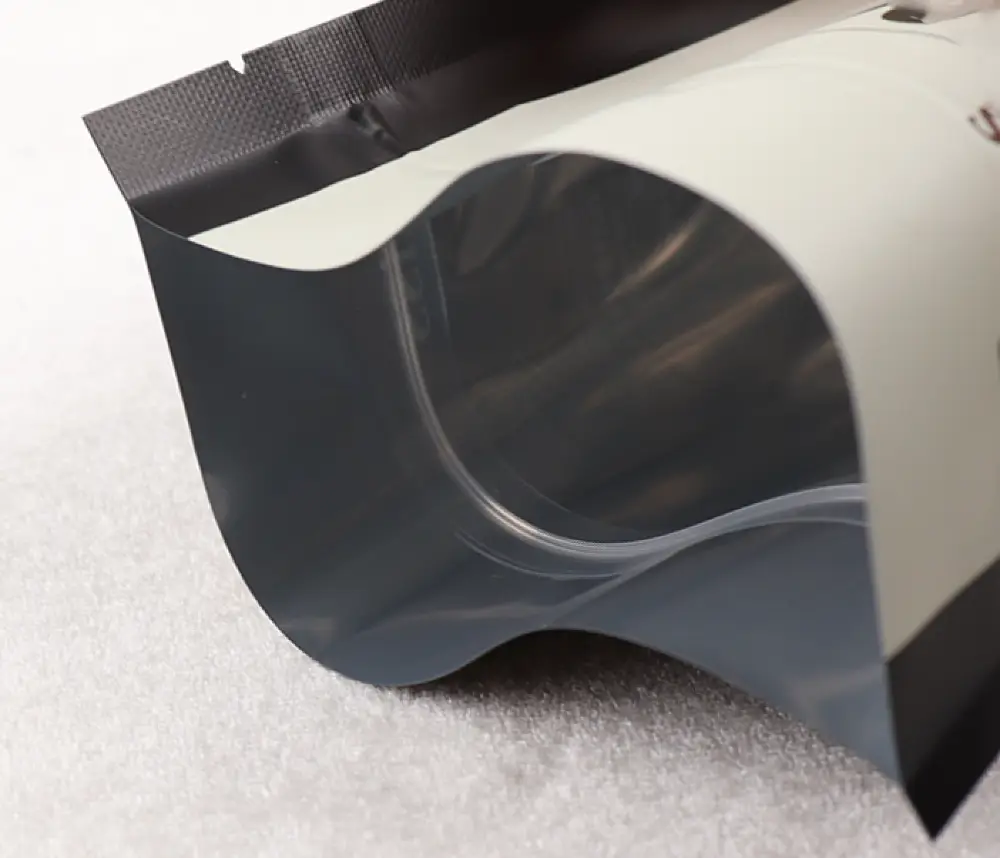
Stock bags are fine for testing an idea. But once you scale, generic sizing wastes headspace, weakens vacuum performance, and looks generic on the shelf.
Custom sizing means the pouch fits your product snugly, which improves the vacuum and reduces material waste. Our in-house design team often helps brands who only have a rough idea, turning a napkin sketch into print-ready artwork and the right film spec.
If you're weighing options, YLTPACK works directly as the source factory, so the film engineering, printing, and structure decisions happen under one roof rather than passing through middlemen who add cost and confusion.
Bringing It Together
The right long-term storage pouch is the one matched to your food, your shelf-life target, and your shipping reality. Prioritize a real barrier layer, adequate thickness, a reliable seal, and proper certification.
Get those four right and you protect both your product and your brand reputation. Get them wrong and you're refunding stale goods. If you want a second opinion on a spec, reach out at [email protected] or WhatsApp +86 182 1944 5665, and we can talk through samples for your specific food.
Frequently Asked Questions
How long can food really last in a quality barrier bag?
It depends on the food and storage conditions. Dry goods with an oxygen absorber can stay good for two years or more. Frozen proteins in a thick, well-sealed pouch typically hold quality for one to two years without freezer burn.
Do I always need an oxygen absorber?
Not always. Vacuum sealing alone removes most air, but for dry, shelf-stable foods stored for a year or longer, an absorber sachet mops up residual oxygen and extends freshness noticeably. Wet and frozen foods usually don't need one.
Can I print my brand design directly on the bag?
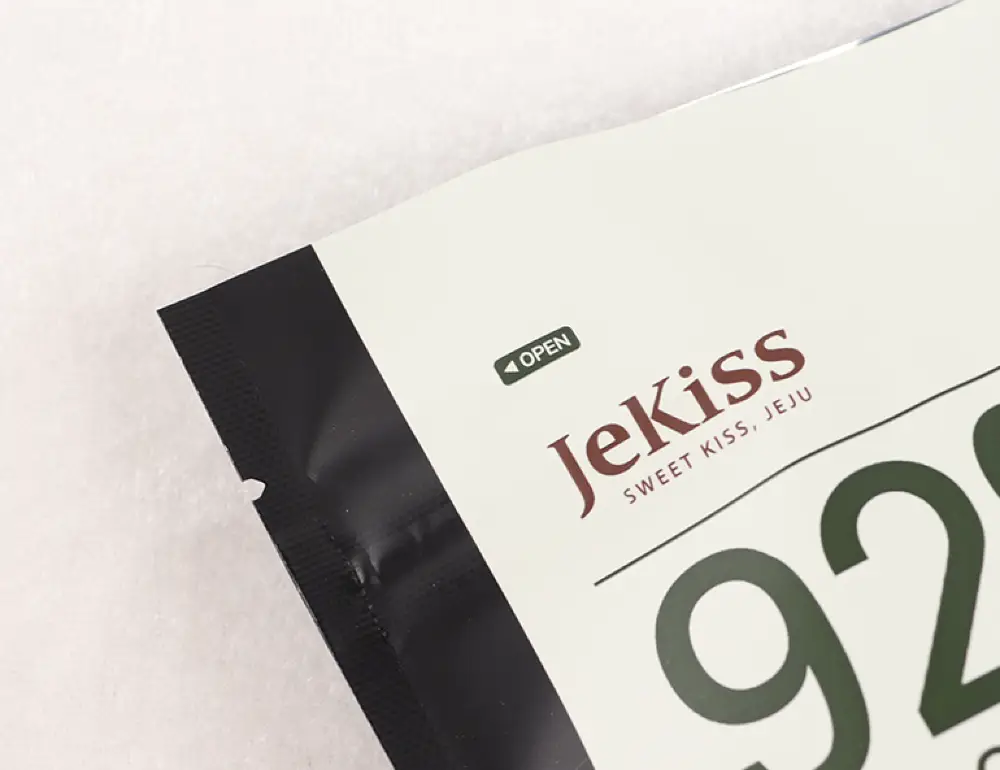
Yes. Multi-layer pouches print beautifully with full-color graphics on the outer layer while keeping food-safe film against the product. Custom printing does not weaken the barrier when the structure is built correctly.
What thickness should I ask for?
For general long storage, request at least 4-mil on the seal side. For sharp or heavy contents like bone-in meat or dried pasta, step up to 5-mil or more to avoid punctures during handling and transport.
How small a run can I start with?
Order quantities vary by film type and printing method. It's worth requesting samples first so you can test the seal and barrier with your own product before committing to volume. Custom quotes are shaped around your size, material, and finish needs.