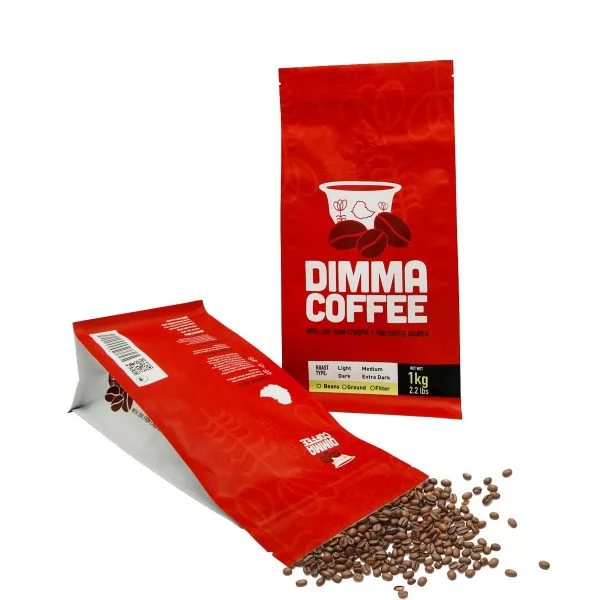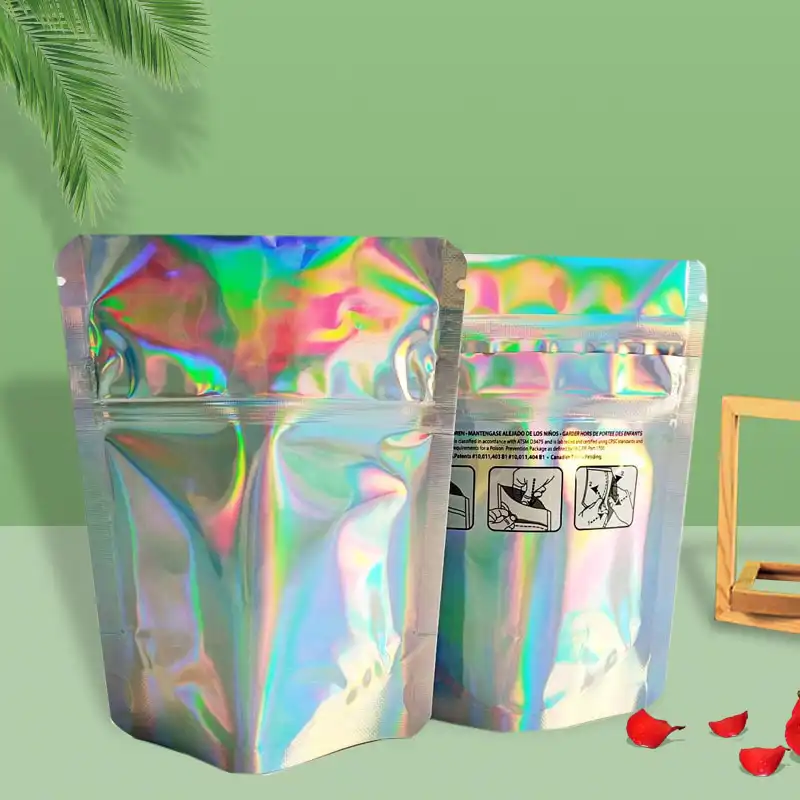
Pick the wrong coffee bag thickness, and the results show up fast: stale aroma, split seals, damaged corners, and higher packaging costs. For coffee brands, micron size is not a minor detail. It directly affects product protection, shelf life, shipping performance, and how premium the bag feels in a customer’s hand.
This guide explains the common micron thickness for coffee packaging, what ranges are used in real production, and how to choose the right option without overpaying. If you are sourcing custom coffee bags, this article will help you compare practical standards with confidence.
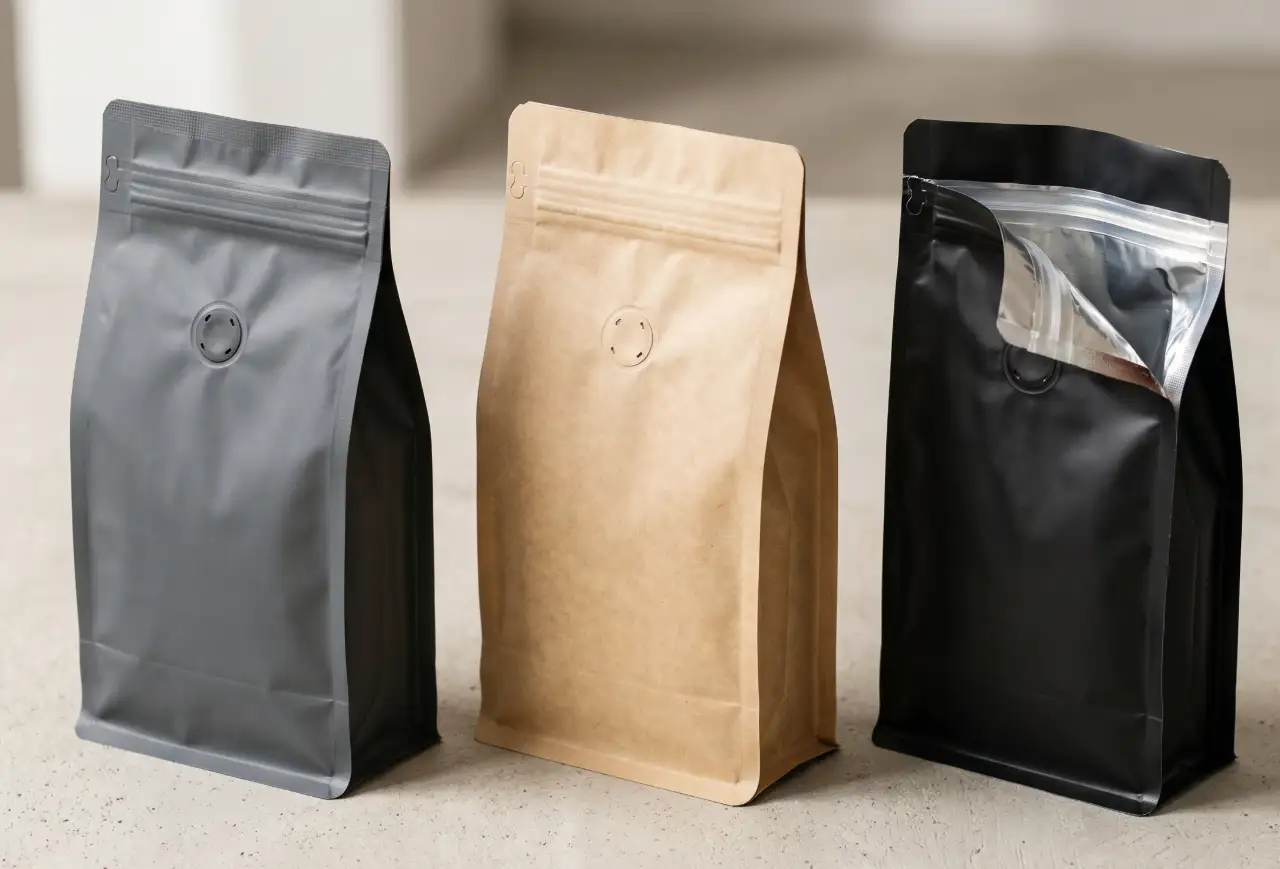
Hook: Why Coffee Bag Micron Size Matters More Than Most Brands Realize
Many coffee brands focus on artwork, valves, and finish, but ignore the bag’s actual thickness. That is a mistake, because even a beautiful bag can fail if the material is too thin for storage, transport, or shelf display.
In real-world use, coffee bags must resist punctures, maintain seal integrity, and help preserve aroma. For roasted coffee, oxygen and moisture control are critical, especially when products move through warehouses, delivery networks, and retail shelves.
The Problem: Many Coffee Brands Choose Bag Thickness Without a Clear Micron Guide
One of the biggest sourcing problems is confusion. Buyers often mix up microns, material layers, barrier structure, and bag strength as if they mean the same thing.
They do not. A thicker bag is not automatically a better coffee bag. A 120-micron pouch with a smart barrier structure can outperform a thicker but poorly designed alternative.
This is why a clear coffee bag micron size guide matters. It helps brands avoid two expensive errors: using too much material and paying more than necessary, or using too little and risking weak protection.
What Does “Micron” Mean in Coffee Packaging?
A micron, also called a micrometer, is a unit of thickness. In packaging, it refers to how thick the material is.
For example, 100 microns means the packaging material is 100 micrometers thick. When buyers discuss coffee pouch material thickness in microns, they are usually comparing total laminated bag thickness, not just one single layer.
This measurement helps estimate bag feel, stiffness, puncture resistance, and overall durability. But it should always be evaluated together with material type and barrier performance.
What Common Size of Micron Are Used for Coffee Bags?
The direct answer is simple: most coffee bags commonly range from 70 to 150 microns, depending on bag type, material structure, filling weight, and shelf-life needs.
That range covers most standard retail and commercial coffee packaging applications.
Light-duty coffee bags: around 70–90 microns
These are typically used for smaller packs, short shelf-life products, sample packs, or inner packaging. They can work well when the coffee moves quickly and does not face heavy shipping stress.
Standard retail coffee bags: around 100–120 microns
This is often the most common micron thickness for coffee packaging. It is widely used for whole bean and ground coffee sold in stand-up pouches, side gusset bags, and zipper bags.
Heavy-duty or premium barrier bags: around 130–150 microns
These are used when stronger protection, a more premium hand feel, or export durability is needed. They are also common when bags include valves, zippers, and thicker laminated structures.
Coffee Bag Micron Size Guide by Bag Type
The ideal thickness often depends on the bag format. Different shapes create different structural demands.
Stand-up pouch coffee bags
Stand-up pouches usually fall in the mid-range. Many use around 100 to 120 microns because they need both shelf appeal and enough body to stand upright.
Side gusset coffee bags
This is a traditional coffee packaging style. These bags often use moderate to high barrier structures and commonly run from about 100 to 130 microns depending on pack size and valve use.
Flat bottom coffee bags
Flat bottom bags often use thicker structures. Their premium appearance, panel stability, and shipping demands usually push them into the 120 to 150 micron range.
Inner liner or bulk coffee bags
These can vary widely. A simple liner may be thinner, while bulk transit bags for larger coffee volumes may require much stronger material depending on storage and freight conditions.
Table: Standard Micron Gauge for Coffee Bags by Use Case
| Bag Type | Common Micron Range | Typical Material Structure | Best For |
|---|---|---|---|
| Small sachet or inner bag | 70–90 microns | PET/PE or simple laminated film | Short shelf life, samples, inner packaging |
| Stand-up pouch | 100–120 microns | PET/PE, kraft laminated PE, or PET/VMPET/PE | Retail whole bean and ground coffee |
| Side gusset bag | 100–130 microns | PET/AL/PE or PET/VMPET/PE | Traditional coffee packaging with valve |
| Flat bottom pouch | 120–150 microns | PET/AL/PE, matte laminated premium structures | Premium display, e-commerce, export |
| Bulk liner or shipping bag | 80–150 microns | PE-based structures or reinforced laminates | Storage, transport, commercial supply |
What Affects the Best Plastic Micron for Coffee Bags?
The best plastic micron for coffee bags depends on more than thickness alone. A smart specification balances barrier, machinability, seal performance, and logistics.
Coffee format
Whole bean coffee and ground coffee do not always need the same packaging performance. Ground coffee is often more sensitive to aroma loss and oxygen exposure, so material choice becomes especially important.
Shelf life target
If your target shelf life is only a few weeks in a local market, you may not need a heavy structure. If your coffee must stay fresh for many months, higher-barrier laminates usually matter more than simply adding extra microns.
Packaging material structure
PET, PE, aluminum foil, metalized films, and kraft-laminate combinations all perform differently. The standard micron gauge for coffee bags should always be reviewed together with the full laminate structure.
Valve and zipper features
Degassing valves and resealable zippers add convenience and performance, but they also affect bag mechanics. A valve bag often benefits from medium to higher thickness for better support and reduced deformation.
Shipping and storage conditions
If your bags are exported, palletized, or shipped through humid climates, stronger packaging may be necessary. Compression, friction, and stacking pressure can quickly expose a weak bag specification.
Table: Real-World Examples of Coffee Pouch Material Thickness in Microns
| Coffee Product | Bag Format | Typical Micron Thickness | Why It Works |
|---|---|---|---|
| 100g specialty whole beans | Stand-up pouch | 90–110 microns | Good retail presentation with moderate protection |
| 250g ground coffee | Side gusset bag with valve | 100–120 microns | Supports aroma retention and everyday retail use |
| 500g whole bean coffee | Flat bottom pouch with zipper | 120–140 microns | Better stability, premium feel, stronger shipping performance |
| 1kg coffee beans for e-commerce | Flat bottom or side gusset | 130–150 microns | Improved puncture resistance and structure during transport |
| Short-run local coffee samples | Small pouch | 70–90 microns | Lower cost for fast-turn products |
Micron vs Barrier Performance: Thicker Is Not Always Better
This is one of the most important points in any coffee bag micron size guide: thicker is not always better. Thickness improves feel and physical strength, but freshness depends heavily on oxygen, moisture, and aroma barriers.
For example, a bag with foil or high-barrier metalized film can protect coffee better than a thicker plain plastic structure. So when reviewing the coffee pouch material thickness in microns, always ask about barrier layers too.
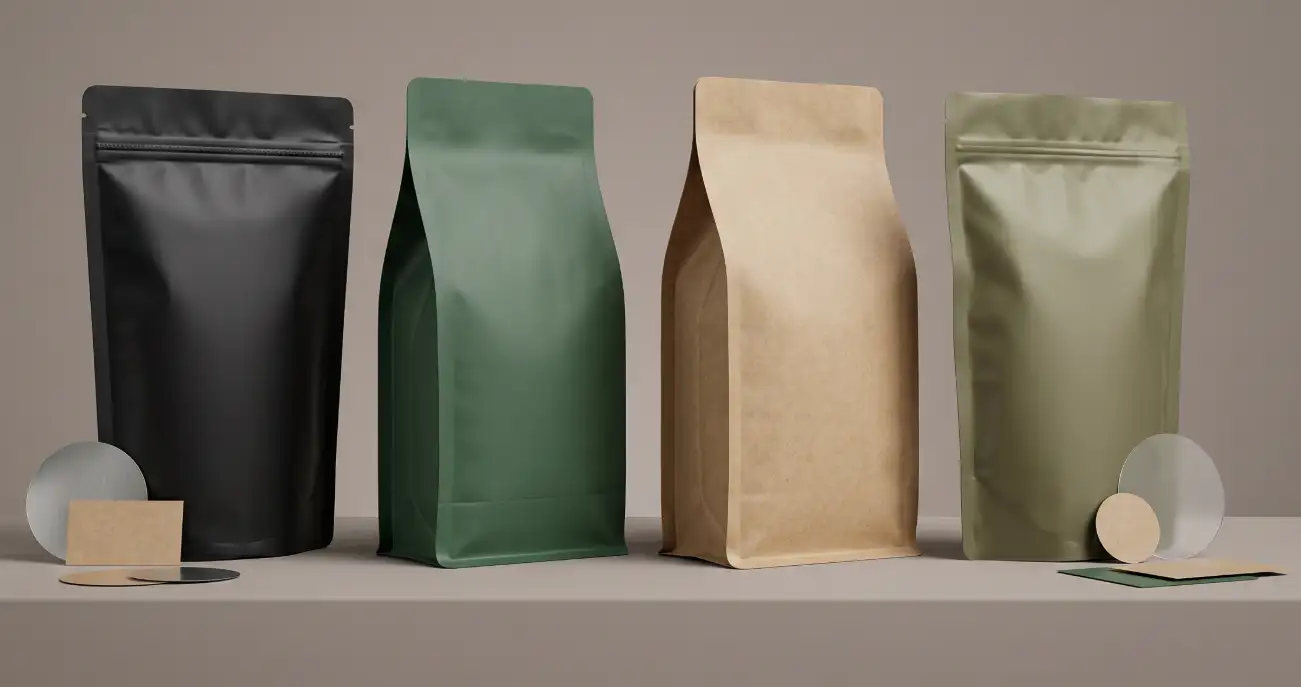
Common Material Structures Used in Coffee Bags
Kraft paper plus laminated inner layer
This is popular for natural-looking branding. It offers a warm, artisanal appearance, but the inner barrier layer does most of the protective work.
PET/PE structures
This is a common, practical structure for many applications. It offers good printability, sealability, and cost control, especially for brands that do not need the highest barrier level.
Foil laminated coffee bags
Foil structures are widely used when high oxygen and moisture protection is required. They are common in premium roasted coffee packaging and longer shelf-life programs.
Recyclable mono-material pouches
These are becoming more popular as sustainability demands rise. In these designs, micron selection becomes even more important because performance must be achieved within a simpler material system.
How to Choose the Right Coffee Bag Micron Size for Your Brand
The best choice starts with your real selling conditions, not just a competitor’s packaging style.
For local short-turnover coffee sales
If your coffee sells quickly and stays in local channels, a practical mid-range thickness may be enough. Many brands do well with around 90 to 110 microns when paired with suitable barrier materials.
For e-commerce and shipping-heavy brands
Use stronger structures that resist puncture, compression, and handling damage. A 120 to 150 micron range is often safer for mail-order coffee and longer distribution routes.
For premium specialty coffee packaging
Choose a thickness that protects the product and reinforces brand positioning. Premium bags often use 120 microns or more because the tactile feel matters alongside freshness and shelf impact.
If you need custom support, YLTPACK can help develop coffee bags based on your product weight, barrier target, and branding needs. Founded in 2005, YLTPACK offers custom packaging, free samples, and manufacturing backed by ISO22000 and FDA standards. For inquiries, contact [email protected].
Data Table: Typical Coffee Bag Thickness Ranges at a Glance
| Micron Range | Protection Level | Common Use | Cost Level |
|---|---|---|---|
| 70–90 microns | Light | Samples, inner packs, short shelf-life coffee | Lower |
| 100–120 microns | Medium to strong | Standard retail coffee pouches | Medium |
| 130–150 microns | Strong | Premium, export, valve and zipper coffee bags | Medium to higher |
Mistakes to Avoid When Selecting Coffee Bag Thickness
One common mistake is choosing by price alone. A cheaper bag that fails in storage or transport is rarely the cheaper option in the end.
Another mistake is choosing only by hand feel. A thick bag may feel premium, but if the barrier is weak, coffee quality can still decline too quickly.
It is also risky to copy another brand’s micron without matching their material structure, coffee type, and supply chain conditions. The right specification should fit your own product reality.
FAQ
What is the most common micron thickness for coffee bags?
For many retail coffee pouches, the most common range is 100 to 120 microns. This range offers a good balance of durability, shelf presentation, seal strength, and practical cost.
Is 70 microns enough for coffee packaging?
Yes, in some cases. It can work for light-duty applications such as small packs, sample bags, or short shelf-life products, but it is not ideal for every coffee format or shipping condition.
Are thicker coffee bags always better?
No. Thicker bags can improve strength and feel, but barrier material and laminate structure often matter more for freshness. A well-designed barrier bag can outperform a thicker but less protective one.
What micron is best for stand-up coffee pouches?
Many stand-up coffee pouches commonly use around 100 to 120 microns. The exact choice depends on product weight, valve use, zipper features, and shelf-life goals.
What micron is used for coffee bags with valves?
Coffee bags with degassing valves often use medium to higher thickness ranges, commonly around 100 to 130 microns or more. This helps support the valve area and maintain overall bag performance.
How do I choose between 100, 120, and 150 micron coffee bags?
Use 100 microns for lighter retail needs, 120 microns for a more balanced everyday premium option, and 150 microns when stronger shipping durability, a higher-end feel, or more demanding distribution conditions are involved.
CTA: Compare Coffee Bag Thickness Options Before You Order
Before placing your next packaging order, compare more than just price. Review the standard micron gauge for coffee bags, barrier structure, bag format, valve or zipper features, and your real shelf-life target.
If you want tailored advice, custom development, or free samples, YLTPACK can support your project from concept to production. Since 2005, the company has provided customized packaging solutions with ISO22000 and FDA compliance support. Contact [email protected] to discuss the right coffee bag thickness for your brand.