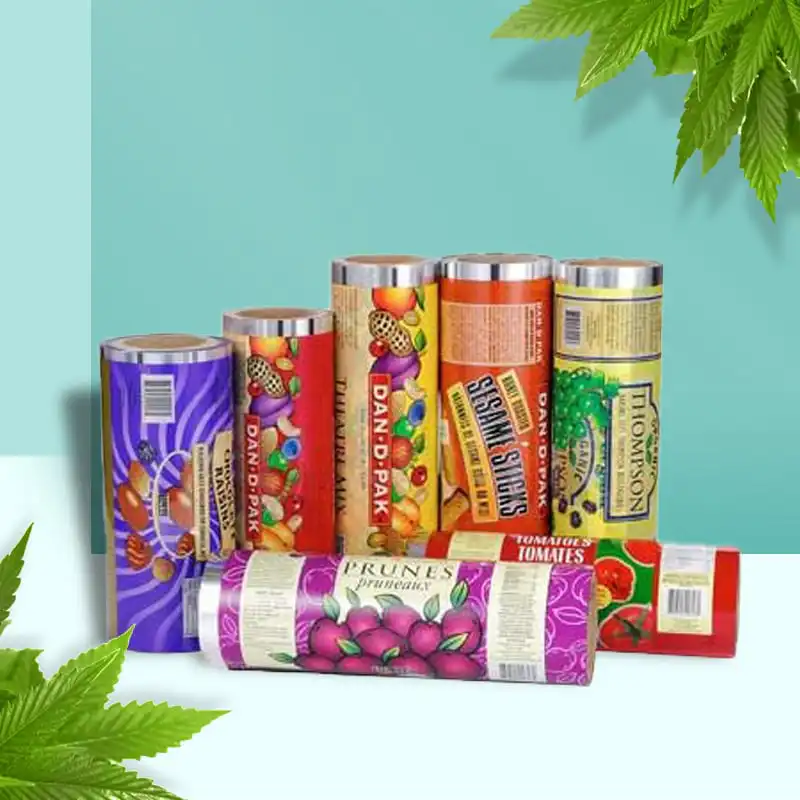
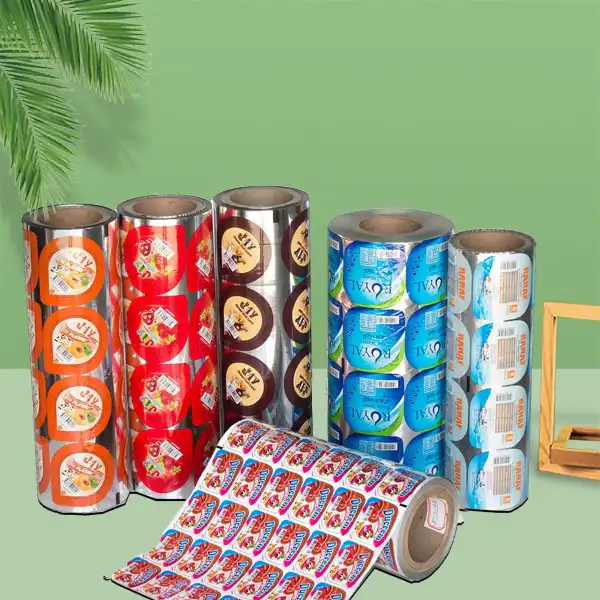
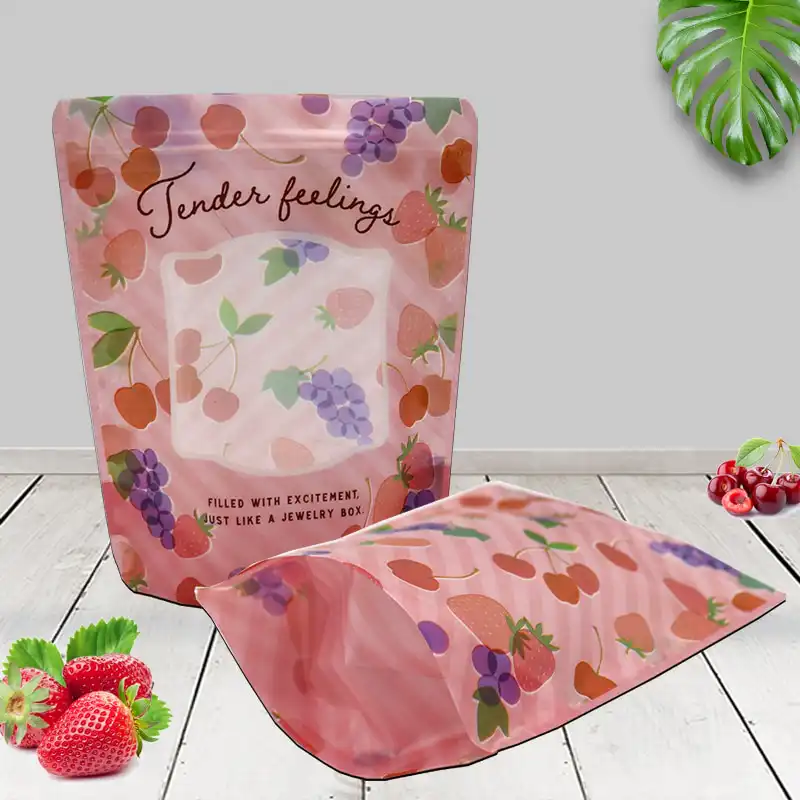
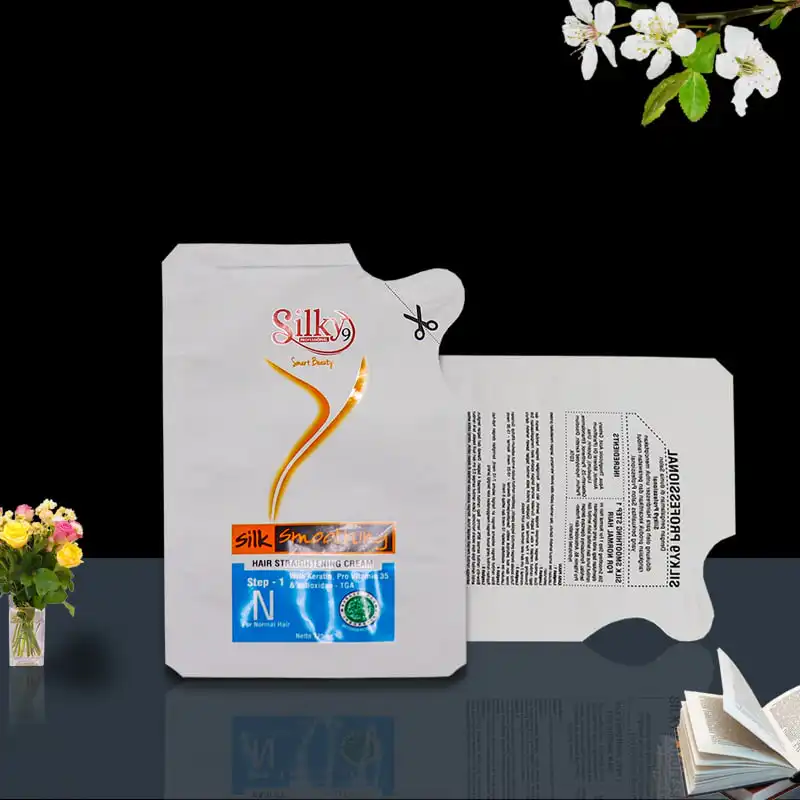
Quick Answer: Start With the Product, Then Build the Film Around It
The right rollstock film structure selection starts with five questions: What are you packing, how sensitive is it to oxygen or moisture, how will it be filled, how will it be shipped, and what shelf appearance do you need?
For dry snacks, you may need crispness protection and clean printing. For coffee, oxygen barrier and aroma retention matter more. For rice, the film must survive weight, stacking, and transport. For frozen food, puncture resistance and low-temperature seal performance are usually the priority.
If you are searching for how to choose rollstock film structure for flexible packaging, here is the practical rule: do not choose materials first. Choose performance first, then match the film layers to that performance.
Consultant’s shortcut: A good film is not simply “thick.” It is balanced. Barrier, seal strength, stiffness, printability, machine speed, and product safety all need to work together.
What Problem Must the Film Solve for Your Product?
Before talking about PE, PET, PA, EVOH, or aluminum, define the problem the package must solve. Most packaging failures happen because the film was selected by appearance or thickness alone.
Working with brands across North America, Europe, and Asia, we have found that the most common mistake is underestimating the product’s sensitivity during storage and transport. A structure that looks fine on day one may fail after heat exposure, pallet pressure, or long-distance shipping.
As a manufacturer that has produced packaging for 20+ years, YLTPACK usually starts every custom rollstock project with product behavior, not material names. This keeps the discussion practical and avoids over-engineering.
| Product Type | Main Risk | Film Structure Priority | Common Packaging Concern |
|---|---|---|---|
| Coffee | Oxygen exposure and aroma loss | High oxygen barrier, aroma retention, optional valve compatibility | Flavor fading before the consumer opens the pack |
| Pet food | Fat oxidation, odor control, pack toughness | Barrier plus puncture resistance | Pet owners also expect clear ingredient communication |
| Rice and grains | Weight, stacking, abrasion | Tear resistance, seal strength, drop resistance | Bags deforming or splitting during transport |
| Frozen food | Cold cracking, seal failure | Low-temperature toughness and strong sealing layer | Film becoming brittle in cold chain handling |
| Beauty refills | Leakage, shelf look, unboxing experience | Chemical compatibility, surface finish, premium print | Social media presentation and clean dispensing |
Understand the Layer Jobs Before Choosing Materials
A rollstock film is usually a layered system. Each layer has a job: print surface, stiffness, barrier, puncture resistance, sealing, or product contact safety.
Think of it like building a team. One material may bring gloss and print clarity, another protects against oxygen, and another creates the seal that keeps the pack closed on your machine.
| Layer Function | Common Materials | What It Helps With | Watch-Out |
|---|---|---|---|
| Outer print layer | PET, BOPP, paper-based laminate | Print clarity, stiffness, scuff resistance | Must match ink system and heat conditions |
| Barrier layer | EVOH, metallized PET, aluminum foil, coated films | Oxygen, aroma, light, or moisture protection | Too much barrier can add cost without benefit |
| Strength layer | PA, PE blends, reinforced coex films | Puncture resistance and flex-crack resistance | Needed for sharp, heavy, or oily products |
| Sealant layer | PE, CPP, ionomer, specialty sealant | Hot tack, leak resistance, machine compatibility | Wrong sealant can cause leakers or slow filling |
| Product-contact layer | Food-grade PE, CPP, approved sealant resins | Safety and compatibility | Must comply with the product category and destination market |
Match Barrier Level to Shelf Life, Not Guesswork
Barrier is one of the most misunderstood topics in flexible packaging. Some products need a strong oxygen barrier, while others mostly need moisture protection or light blocking.
For example, roasted coffee needs oxygen control because aroma compounds are sensitive. Chips and crackers care more about moisture because humidity destroys crunch. Powdered supplements may need both oxygen and moisture defense, especially in humid regions.
Because we hold FDA, ISO 9001, and ISO 22000 certifications, we recommend confirming product-contact safety early, especially for food, pet food, supplements, and personal care products. Compliance is much easier to handle before artwork and production details are locked.
| Barrier Need | Typical OTR Range | Typical WVTR Range | Suitable Applications |
|---|---|---|---|
| Low barrier | Above 100 cc/m²/day | Above 10 g/m²/day | Short shelf-life dry goods, non-sensitive items |
| Medium barrier | 10-100 cc/m²/day | 2-10 g/m²/day | Snacks, bakery, pet treats, dry mixes |
| High barrier | 1-10 cc/m²/day | 0.5-2 g/m²/day | Coffee, nuts, powders, nutritional products |
| Ultra-high barrier | Below 1 cc/m²/day | Below 0.5 g/m²/day | Aroma-sensitive, oily, oxygen-sensitive, or long shelf-life products |
The ranges above are typical supplier data references used in packaging discussions as of July 2026. Final values depend on film thickness, test conditions, lamination method, and material grade.
If you are comparing the best barrier film structures for rollstock packaging, do not only ask for the lowest OTR number. Ask whether that barrier still performs after forming, flexing, sealing, and shipping.
Choose the Structure Around Your Packing Machine
Your film must run well on your equipment. Even a well-designed laminate can fail if it does not match forming depth, sealing temperature, tension control, and cutting behavior.
This is especially important for form-fill-seal lines, thermoforming lines, vacuum packaging equipment, and high-speed weighing systems. The film needs to seal consistently without curling, wrinkling, sticking, or tearing.
For teams looking for a rollstock film structure selection guide for thermoforming packaging, the key is forming behavior. You need enough stretch, puncture resistance, and thickness uniformity after the cavity is formed.
| Machine Type | Film Requirement | Common Issue If Wrong | Practical Check |
|---|---|---|---|
| Vertical form-fill-seal | Good stiffness, low curl, reliable sealing | Tracking problems and weak back seals | Test roll tension and sealing window |
| Horizontal flow wrap | Stable coefficient of friction and clean cutting | Jams, wrinkles, poor end seals | Check speed, jaw temperature, and product dust |
| Thermoforming | Formability, puncture resistance, uniform thinning | Pinholes at corners or uneven cavities | Test actual forming depth and product edges |
| Vacuum packaging | High seal integrity and toughness | Air leakage, bone punctures, channel leaks | Run vacuum leak and drop testing |
| Premade pouch conversion | Laminate stability and sealing consistency | Delamination or seal distortion | Check pouch shape, zipper, spout, or valve fit |
Select Materials Based on Product Category
There is no universal film recipe. The right structure for granola may be completely wrong for frozen dumplings, liquid soap refill, or dehydrated fruit.
When discussing rollstock film material selection for food packaging, your supplier should ask about water activity, oil content, shelf-life target, filling temperature, sterilization needs, and storage environment.
For Coffee and Tea
Coffee packaging needs oxygen protection and aroma retention. Degassing behavior also matters, especially for freshly roasted beans.
Common options include PET/EVOH/PE, PET/metallized PET/PE, or foil-based laminates when light and oxygen control are critical. If valves are needed, the sealant and laminate stiffness should support valve application.
For Pet Food and Treats
Pet food buyers read ingredients closely, and they expect packaging to feel clean, reliable, and informative. The pack should protect fats from oxidation while resisting punctures from dense kibble or sharp treats.
A matte or soft-touch finish can improve shelf impression, but it should not weaken scuff resistance. For heavier bags, seal width and drop strength deserve extra attention.
For Rice, Grains, and Heavy Dry Goods
Rice packaging faces weight, compression, and rough logistics. A beautiful print will not help if the bag splits on a pallet.
Here, tensile strength, tear resistance, and bottom seal reliability are more important than extreme oxygen barrier. If the pack is large, handle design and stacking behavior should be reviewed early.
For Frozen and Chilled Foods
Frozen products need films that remain tough at low temperature. Some materials become brittle in cold chain handling, especially during drops or corner impacts.
The sealant layer should tolerate product moisture, oil, or frost contamination. Strong hot tack can reduce failures during fast filling.
For Beauty, Personal Care, and Refills
Beauty packaging is both functional and visual. A refill pouch must resist leakage, match the product chemistry, and still look clean in photos or unboxing videos.
For creams, gels, oils, or shampoos, compatibility testing is essential. Some formulas can soften seals, migrate into layers, or affect ink appearance over time.
Decide Between Lamination and Coextrusion
Many custom rollstock films are made by lamination, coextrusion, or a combination of both. The right choice depends on performance, appearance, recyclability goals, and how the film will be converted.
Laminated structures are often chosen when print quality, barrier customization, and premium appearance matter. Coextruded films can be effective when toughness, seal performance, and material efficiency are key priorities.
A coextruded rollstock film structure for vacuum packaging is often used for meat, seafood, cheese, and other products that need strong seals and puncture resistance under air removal conditions.
| Option | Strengths | Limitations | Good Fit |
|---|---|---|---|
| Laminated film | Strong print appearance, flexible barrier design, premium finishes | May involve more material types | Coffee, snacks, pet food, beauty refills |
| Coextruded film | Good toughness, seal performance, and controlled layer design | Print and barrier options depend on construction | Vacuum packs, thermoforming, chilled food |
| Metallized structure | Good light and oxygen barrier with attractive appearance | Can crack if abused or sharply folded | Snacks, coffee, powders, dry foods |
| Foil laminate | Very strong oxygen, aroma, and light protection | Less flexible for some sustainability goals | High-value coffee, supplements, sensitive powders |
| Mono-material design | Helps recyclability targets in some collection systems | Barrier and stiffness must be carefully engineered | Brands with recyclability-focused packaging goals |
Balance Sustainability Goals With Real Product Protection
Sustainability matters, but it should not create more waste by shortening shelf life or increasing product damage. A lighter or simpler structure is only successful if it still protects the product.
As of July 2026, many brands are asking for mono-material PE or PP-based designs, recyclable-ready structures, reduced-gauge films, and GRS-related material options. These can be useful, but they must be tested against real filling and distribution conditions.
YLTPACK holds GRS certification, which helps when brands need recycled-content related documentation and traceability. Still, we recommend starting with product protection first, then improving the material design responsibly.
Do Not Ignore Printing, Shelf Look, and Consumer Experience
Rollstock film is not only a protective wrapper. It is often the first physical touchpoint between your brand and the customer.
For snacks, vibrant color and easy-open experience can influence repeat purchase. For pet food, clear nutrition panels and trustworthy ingredient presentation matter. For beauty products, the pouch surface, finish, and shape can affect how the package appears in social posts and reviews.
Our in-house design team often helps brands who only have a rough idea turn it into packaging that can actually be printed, sealed, and produced. This prevents artwork surprises after the structure is already chosen.
| Design Choice | Business Benefit | Technical Check |
|---|---|---|
| Matte finish | Soft, modern shelf appearance | Check scuff resistance and ink durability |
| Gloss finish | Bright color and strong shelf visibility | Check glare and fingerprint visibility |
| Window area | Lets customers see the product | May reduce barrier if not designed carefully |
| Metallic effect | Premium or high-impact appearance | Confirm barcode readability and sealing zones |
| Easy-tear feature | Better consumer convenience | Must not weaken shipping strength |
Use Testing to Confirm the Film Before Full Production
Samples and lab values are helpful, but real validation happens when the film meets your product and your machine. A short trial can reveal sealing, forming, static, curling, or cutting issues before larger production.
In our 6,800㎡ cleanroom facility, we pay close attention to contamination control, sealing consistency, and material handling for food-related and sensitive packaging projects. Clean production conditions are especially important when packaging directly contacts food or personal care products.
Key Tests Worth Running
- Seal strength test: Confirms whether the package can survive filling, shipping, and handling.
- Leak test: Important for vacuum packs, liquids, sauces, frozen food, and high-barrier packs.
- Drop test: Useful for rice, pet food, heavy powders, and e-commerce shipments.
- Barrier test: Helps verify oxygen and moisture protection against shelf-life expectations.
- Machine trial: Checks tracking, forming, sealing temperature, cutting, and speed stability.
- Compatibility test: Essential for oily, acidic, fragranced, or chemical-based products.
A Simple Decision Checklist for Buyers
If you are comparing suppliers or preparing a custom packaging brief, use this checklist. It keeps the conversation focused and helps your supplier recommend a workable structure faster.
| Question | Why It Matters | Information to Prepare |
|---|---|---|
| What is the product? | Different products attack packaging differently | Ingredients, oil level, moisture, texture, sharp edges |
| What shelf life do you expect? | Barrier level depends on time and storage conditions | Target shelf life, climate, warehouse conditions |
| How is it filled? | Machine compatibility affects film design | Machine type, speed, seal temperature, forming depth |
| How is it shipped? | Transport stress can cause cracks or seal failure | Carton size, pallet stacking, export route, drop risk |
| What market will it enter? | Compliance and labeling rules differ | Destination country, food-contact needs, recycling claims |
| What look do you want? | Finish and print must match structure | Artwork, matte or gloss preference, window, zipper, valve |
This is where rollstock film structure selection becomes much easier: you are no longer guessing from material names. You are matching performance to real business needs.
Common Mistakes That Cause Costly Packaging Problems
Many packaging issues are preventable. The challenge is that they often appear late, after artwork is approved or after the filling line has already been scheduled.
- Choosing by thickness only: A thicker film is not always stronger or more protective.
- Ignoring sealing window: A narrow sealing range can slow production and increase rejects.
- Overusing barrier: Extra barrier may not improve shelf life if moisture, seal leaks, or handling damage are the real problem.
- Forgetting product chemistry: Oils, fragrance, alcohol, acids, and surfactants can affect seals and layers.
- Approving artwork too early: Window areas, metallic ink, and matte varnish can affect production zones.
- Skipping shipping simulation: Heavy packs and export shipments need real stress testing.
What to Send Your Packaging Supplier for a Faster Recommendation
You do not need to know every resin or technical term before speaking with a manufacturer. A clear product brief is far more useful than a list of material names copied from another package.
When customers come to YLTPACK, we usually ask for product details, target pack size, filling method, shelf-life goal, destination market, and sample photos. With that information, the structure discussion becomes practical and efficient.
Helpful Details to Share
- Product type, ingredients, and whether it is dry, oily, wet, frozen, powdered, or sharp-edged.
- Target package format, such as rollstock for form-fill-seal, thermoforming, or vacuum packing.
- Estimated fill weight and pack dimensions.
- Expected shelf life and storage temperature.
- Filling machine model or a short video of the packing line if available.
- Destination market and food-contact requirements.
- Artwork files, design references, or photos of competitor packs.
If you are unsure where to start, you can send your product details to YLTPACK at [email protected] or message WhatsApp +86 182 1944 5665. A practical film recommendation should come from your product conditions, not from a generic catalog.
Conclusion: Choose Performance First, Then Build the Structure
The right rollstock structure protects your product, runs smoothly on your equipment, supports your shelf image, and meets the safety expectations of your market. It is not about choosing the most expensive material or the thickest film.
Start with product risk, shelf-life target, filling method, shipping stress, and customer experience. Then select the layers that deliver those results with the least unnecessary complexity.
For bulk custom packaging, a good supplier should act like a problem-solving partner. They should help you compare options, test before scaling, and avoid hidden issues that only appear on the packing line.
FAQ
1. What is rollstock film used for?
Rollstock film is used on automated packaging machines that form, fill, and seal packages from a continuous roll. It is common for snacks, coffee, frozen food, pet food, meat, cheese, powders, rice, and personal care refills.
2. How do I know if my product needs a high-barrier film?
You likely need high barrier if your product is sensitive to oxygen, moisture, aroma loss, light, or oil oxidation. Coffee, nuts, nutritional powders, jerky, and some pet foods often need stronger protection than basic dry goods.
3. Is thicker rollstock film always better?
No. Thickness alone does not guarantee better protection. A thinner film with the right barrier and sealant layers may perform better than a thicker film with poor layer design.
4. Can one rollstock film work for different products?
Sometimes, but it depends on the products. Similar dry snacks may share a structure, while coffee, frozen food, liquids, and heavy grains usually need different performance priorities.
5. What should I prepare before asking for a custom film recommendation?
Prepare your product type, pack size, filling method, shelf-life goal, storage conditions, destination market, and artwork direction. These details help your supplier recommend a structure that is realistic for production and safe for your product.