The Quick Answer: What Packaging Keeps Granola Fresh?
If you want the short version: the best packaging for granola combines a high-barrier laminated film, a resealable zipper, and a matte or kraft finish that fits your brand. That trio protects crunch, blocks moisture, and looks great on the shelf. Everything else is fine-tuning based on your product and where it sells.
Granola is deceptively tricky. It's dry, it's oily, and it goes stale fast when air and humidity sneak in. The right pouch buys you months of freshness instead of weeks. Let's break down exactly how to choose it.
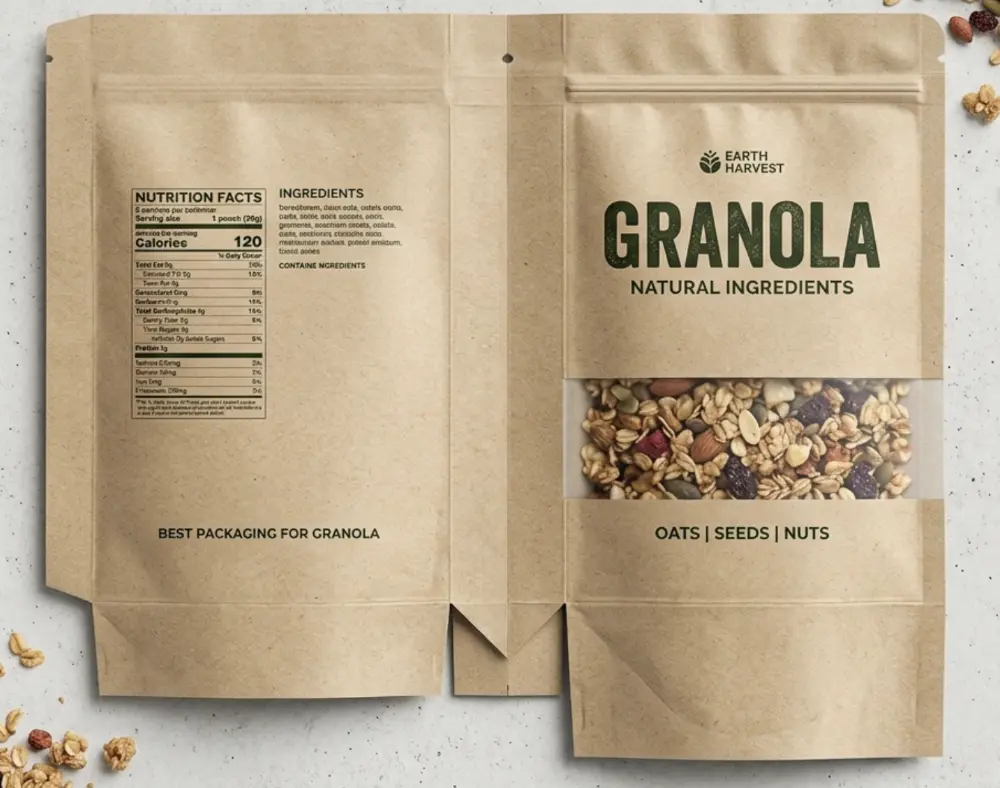
Why Granola Needs Special Packaging Attention
Granola isn't just cereal. It's a mix of oats, nuts, seeds, dried fruit, and oils that each behave differently over time. Those healthy oils are the problem—they oxidize and turn rancid when exposed to air.
Meanwhile, the crunch you worked so hard to perfect is fragile. A little moisture and your clusters go soft and chewy. Customers notice immediately, and soft granola is a fast way to lose repeat buyers.
So your packaging has three jobs at once:
- Block oxygen to stop the oils from going rancid
- Block moisture to keep the texture crisp
- Protect the clusters from crushing in transit and on shelves
Working with food brands across North America, we've found the most common mistake is treating granola like a generic dry snack. It needs more barrier protection than crackers or chips, and skipping that step shortens shelf life dramatically.
The Best Bag Styles for Granola
Bag shape affects shelf presence, fill efficiency, and how easy your product is to use. Here are the styles that work best for this category.
Stand-Up Pouches
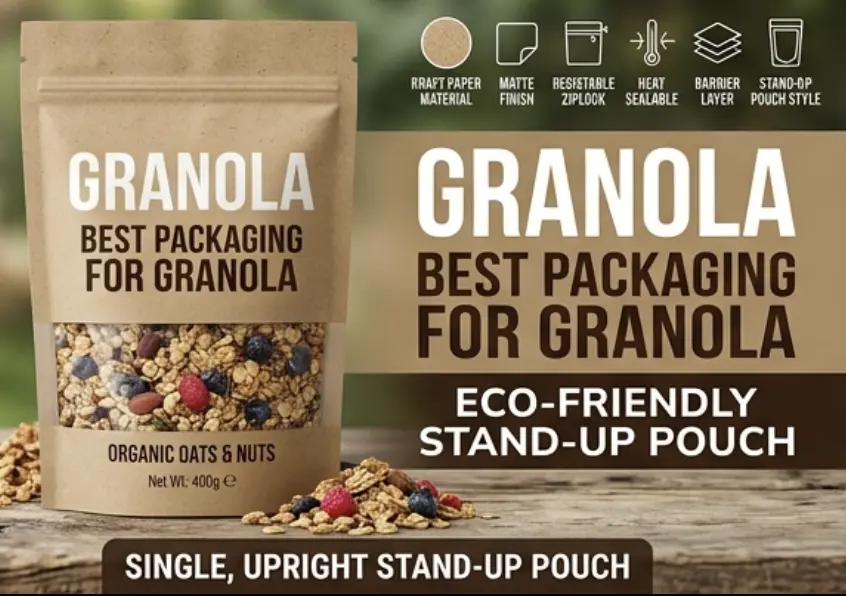
These are the workhorse of the granola aisle. They stand upright, show off your branding, and hold anywhere from a single serving to a family-size 1kg pack. Add a zipper and you've solved the resealability problem in one move.
Flat Bottom (Box) Pouches
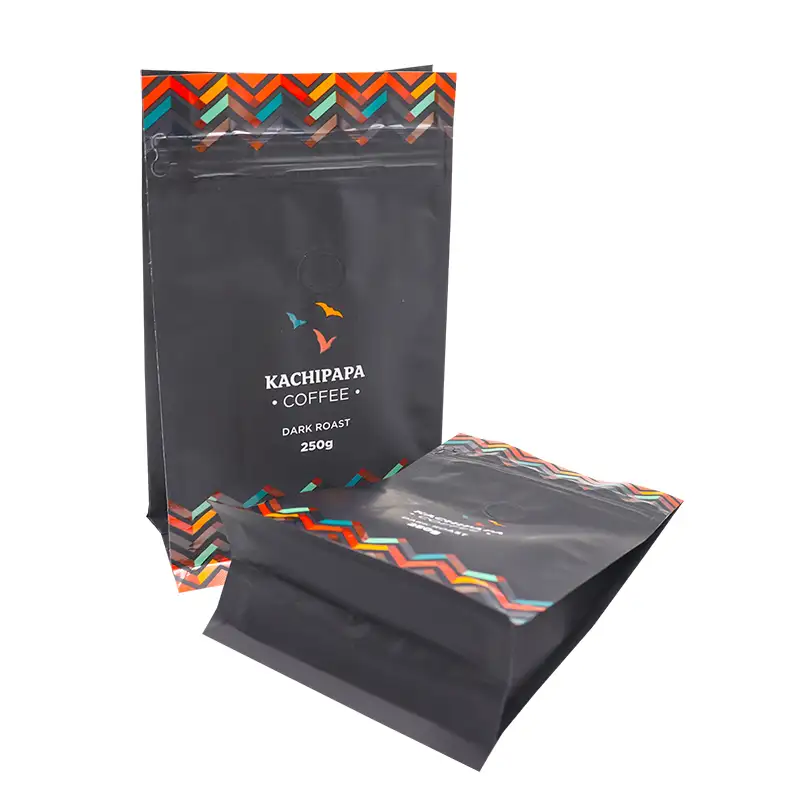
Want a premium look with four printable panels? Flat bottom bags give you a boxy, stable shape that stacks neatly and screams "artisan." They're popular with brands positioning granola as a breakfast upgrade rather than a budget staple.
Side Gusset Bags
Common for coffee and increasingly used for granola, these offer a tall, slim profile and generous volume. They're efficient for shipping and work well when you're selling by weight in larger formats.
| Bag Style | Best For | Shelf Appeal | Typical Fill Size |
|---|---|---|---|
| Stand-Up Pouch | Retail & online, most sizes | High | 50g–1kg |
| Flat Bottom Pouch | Premium / artisan lines | Very High | 200g–1kg |
| Side Gusset Bag | Bulk & value sizes | Medium | 250g–2kg |
| Flat Pouch / Sachet | Single-serve samples | Medium | 30g–80g |
Which Materials Actually Protect Your Granola?
This is where freshness is won or lost. The material laminate—the layers bonded together to form your bag—determines how well air and moisture stay out. Let's demystify the common structures.
Foil-Based Laminates (Highest Barrier)
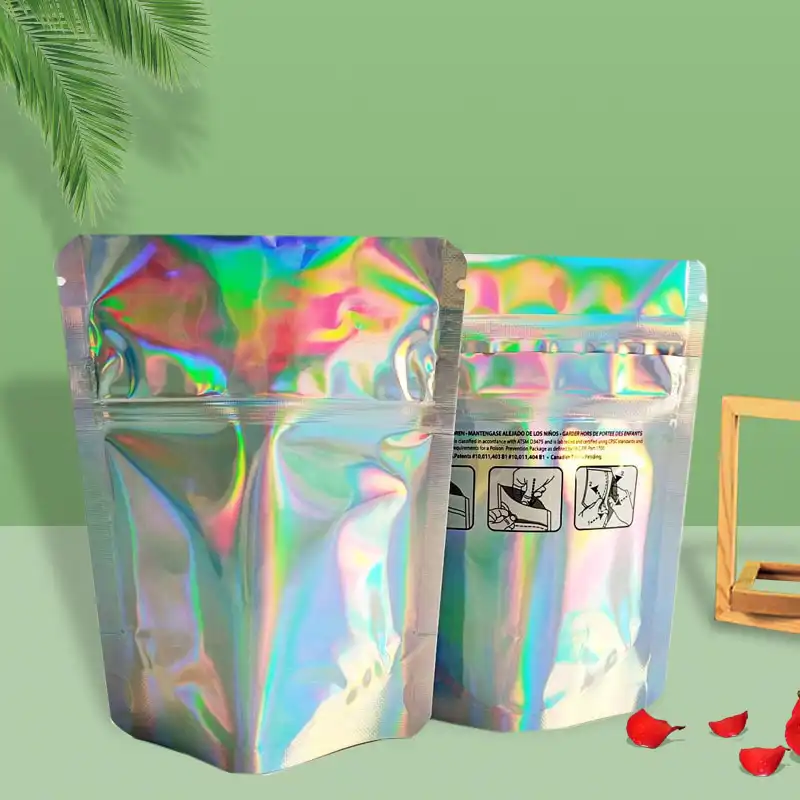
An aluminum foil layer creates a near-total barrier against oxygen, light, and moisture. This is the gold standard for granola with lots of nuts and oils, or for products with a long distribution timeline. The tradeoff: foil isn't transparent and isn't recyclable in most streams.
Metallized Films (Strong & Affordable)
These use a thin metal coating for good barrier protection at a lighter weight than foil. They give you a similar silvery look with slightly less protection—great for mid-range shelf life needs.
Clear High-Barrier Films
Want customers to see the product? Transparent laminates with a barrier coating let clusters show through while still holding out air. Perfect for brands that want to prove their ingredient quality.
Kraft Paper with Barrier Liner
That natural, earthy kraft look pairs a paper exterior with an inner barrier film. It signals "wholesome and handmade," which fits granola beautifully. Just make sure the inner liner is doing the real protective work.
| Material | Oxygen Barrier | Moisture Barrier | Look | Recyclable Options |
|---|---|---|---|---|
| Foil Laminate | Excellent | Excellent | Opaque, premium | Limited |
| Metallized Film | Very Good | Very Good | Silvery, opaque | Limited |
| Clear High-Barrier | Good | Good | See-through | Some mono-films |
| Kraft + Liner | Good–Very Good | Good | Natural, matte | Depends on liner |
Because we hold FDA and ISO 22000 certifications, we recommend matching the barrier grade to your actual sales cycle—there's no point paying for a 12-month barrier if your product sells through in 8 weeks.
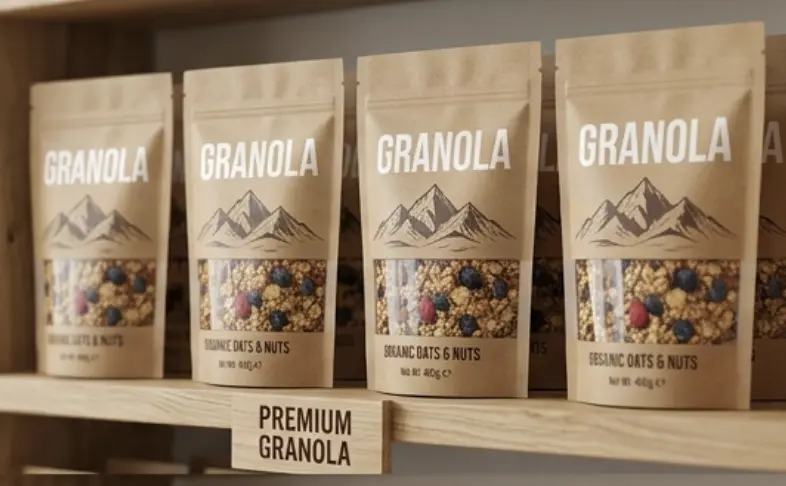
Eco-Friendly Options That Still Keep Food Fresh
Shoppers increasingly want sustainable packaging, and granola buyers skew health- and planet-conscious. In consumer surveys published in 2024, a majority of grocery shoppers said recyclable packaging influences their purchase decisions—a trend that keeps climbing.
The good news: you no longer have to choose between green credentials and freshness. Modern options include:
- Recyclable mono-material pouches (single plastic family) that go in store drop-off streams
- Compostable films made from plant-based materials for short shelf-life products
- Kraft paper structures that reduce plastic content and feel natural in hand
We hold GRS certification for recycled materials, so if a lower-plastic footprint matters to your brand story, there are proven structures that still hit the barrier numbers granola needs.
How to Maximize Granola Shelf Life
Packaging is half the equation. The other half is how you fill and seal it. Here's a checklist we walk customers through.
- Add an oxygen absorber or nitrogen flush to remove air from the pouch
- Seal tightly and consistently—weak seals are the #1 cause of premature staleness
- Use a resealable zipper so customers keep it fresh after opening
- Fill in a controlled environment to avoid introducing humidity
- Include a "best by" date based on real barrier testing, not guesswork
In our 6,800㎡ cleanroom facility, we've seen how much filling conditions matter—clean, low-humidity handling can add weeks to real-world freshness even with the same bag.
| Setup | Typical Shelf Life |
|---|---|
| Basic film, no barrier, simple seal | 4–8 weeks |
| High-barrier pouch, tight seal | 4–6 months |
| High-barrier + oxygen absorber | 6–9 months |
| Foil laminate + nitrogen flush | 9–12+ months |
Figures are general estimates; actual results depend on recipe, oil content, and storage conditions.
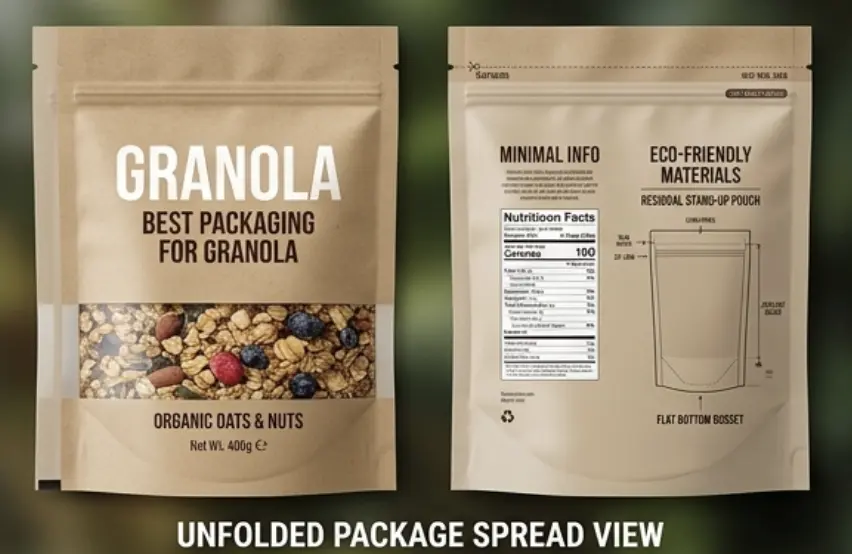
Sizing, Formats, and What Your Customers Actually Want
Think about how people eat granola. Some sprinkle it on yogurt daily; others buy big bags for the family. Offering the right sizes reduces waste and matches buying habits.
- 30–80g single-serve: samples, hotels, gym partnerships, trial sizes
- 250–350g retail: the sweet spot for grocery shelves
- 500g–1kg value packs: loyal customers and subscription boxes
A simple move that boosts perceived value: add a clear window to an opaque bag so shoppers glimpse the clusters. It builds trust in your ingredients without sacrificing barrier protection across the rest of the pouch.
Designing a Bag That Sells (Not Just Protects)
Great protection means nothing if the bag doesn't get picked up. Granola lives in a crowded aisle, so your finish and print quality do real work.
Finishes That Signal Quality
- Matte finish: reads premium and artisan
- Soft-touch coating: a tactile "wow" that boosts unboxing appeal
- Spot gloss: highlight your logo or a key ingredient callout
Our in-house design team often helps brands who only have a rough idea—a color, a vibe, a competitor they admire—and turns it into print-ready artwork. Getting the dieline and barrier spec right before printing saves costly reruns later.
As a manufacturer that has produced pouches for 20+ years, we've learned that clarity on end use—online shipping versus shelf display—shapes every material and finish decision from the start.
How to Choose the Right Supplier for Custom Granola Bags
Ordering custom pouches in volume is a bigger commitment than buying stock bags. A few questions save you headaches:
- Can they show relevant food-safety certifications (FDA, ISO 22000)?
- Do they offer barrier testing and shelf-life guidance, not just printing?
- Will they support you on artwork, dielines, and small tweaks?
- Are recyclable or lower-plastic structures available if you need them?
- How consistent are their seals and print across large runs?
The right partner acts like a consultant, helping you match material to your recipe and sales cycle rather than pushing one option. If you'd like a second opinion on your current pouch, the YLTPACK team is happy to review your specs and suggest the ideal structure for your granola.
You can reach us on WhatsApp at +86 182 1944 5665 or email [email protected] to talk through samples, sizes, and barrier options for your line.
Key Takeaways
Choosing packaging for granola comes down to balancing three things: barrier protection, resealability, and shelf appeal. Match the material to your product's oil content and how long it sits before selling.
- High oil, long distribution? Go foil or metallized with a zipper.
- Want ingredient visibility? Choose a clear high-barrier film or add a window.
- Green brand story? Consider recyclable mono-material or kraft with a liner.
- Freshness matters most? Add an oxygen absorber or nitrogen flush and seal tight.
Get those decisions right and you'll deliver crunchy, fresh granola that keeps customers coming back—which is the whole point.
Frequently Asked Questions
Does granola really need a high-barrier bag?
Yes, if it contains nuts, seeds, or oils—which most do. Those oils oxidize and go rancid when exposed to air, so a barrier laminate can extend freshness from a few weeks to many months.
Should I use a clear or opaque pouch?
Both work. Clear high-barrier film lets shoppers see the product and builds ingredient trust, while opaque foil offers the strongest protection against light and oxygen. A middle path is an opaque bag with a small clear window.
What's the ideal bag size for retail granola?
The 250–350g range is the most popular for grocery shelves. It's enough for repeat use without feeling wasteful, and it displays well in stand-up or flat bottom formats.
Can eco-friendly packaging keep granola fresh?
Absolutely. Recyclable mono-material pouches and kraft-with-liner structures now reach barrier levels close to conventional films. The key is matching the eco option to your product's shelf-life needs rather than assuming green means weaker.
How do I request custom pouches for my brand?
Start by sharing your product details, target shelf life, sizes, and any artwork or design direction. From there, a supplier can recommend the right material and finish—reach the YLTPACK team via WhatsApp or email to get samples and guidance for your specific granola.