For bulk buyers, distributors, and procurement managers, choosing the wrong packaging can mean millions in spoiled inventory. This guide covers everything you need — specs, sourcing, compliance, and best practices — before you place your next order.
What Are Mylar Vacuum Bags?
Core Material Composition & Structure
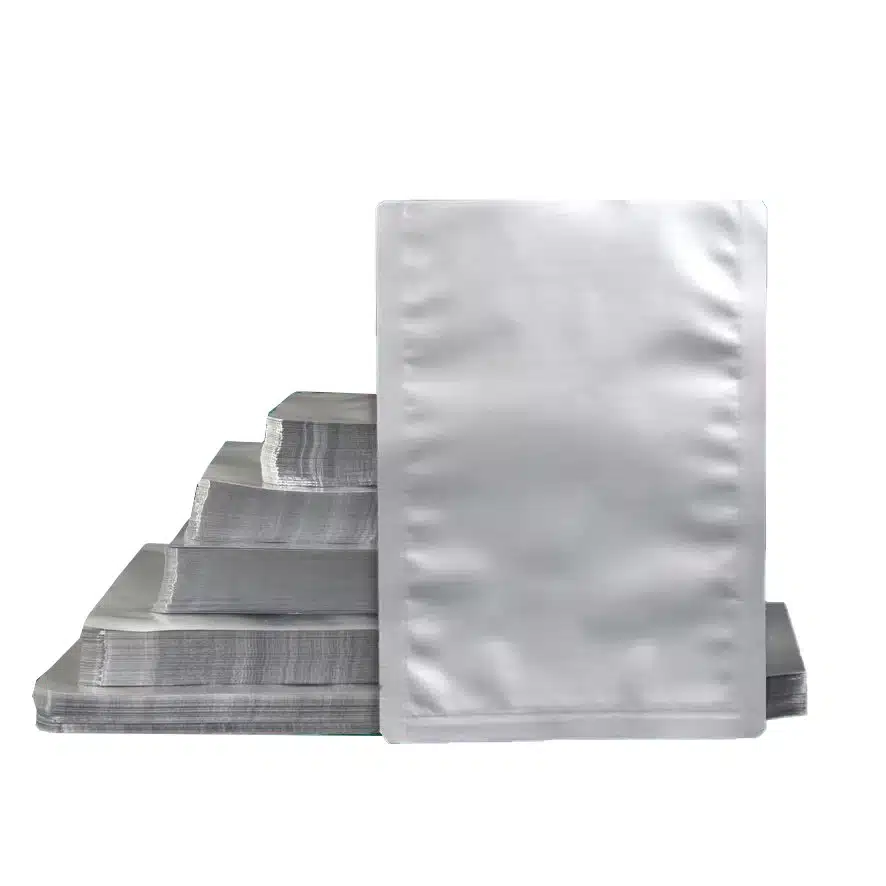
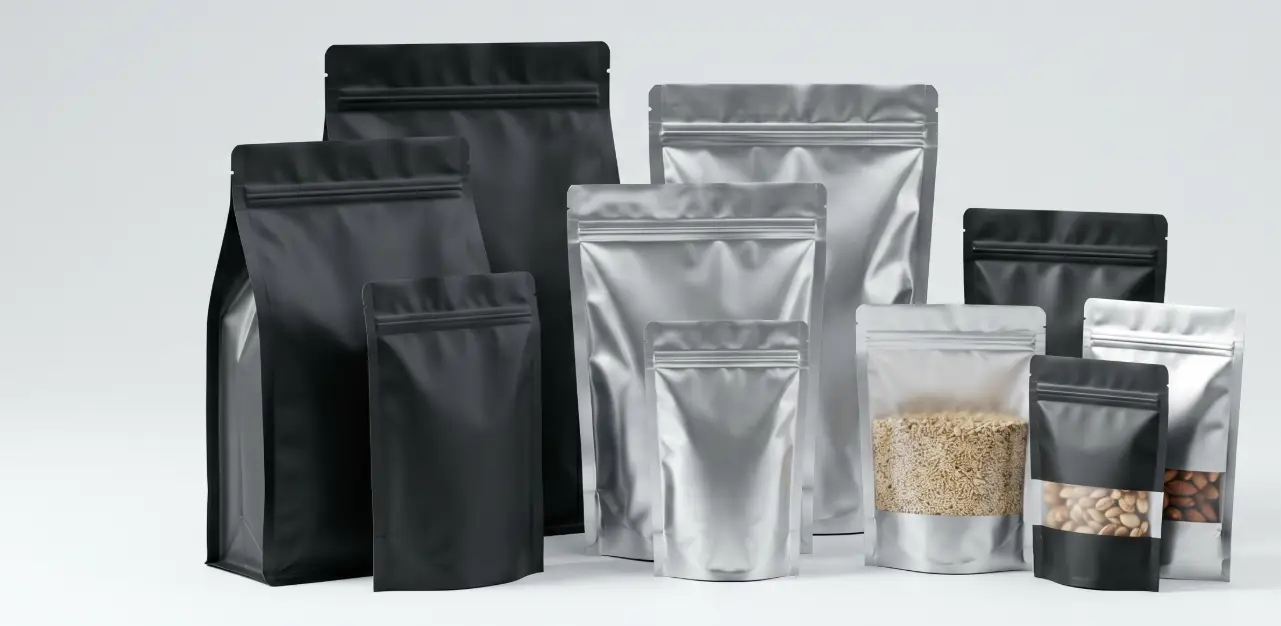
Mylar vacuum bags are engineered with a multi-layer laminate structure: typically PET (polyester) + aluminum foil + PE (polyethylene). Each layer serves a distinct function — PET provides tensile strength, aluminum foil blocks oxygen and light, and PE creates a heat-sealable inner surface.
This construction delivers oxygen transmission rates (OTR) below 0.01 cc/m²/day — a performance level standard vacuum pouches simply can't match. The result is a packaging format purpose-built for long-term preservation of moisture-sensitive and oxygen-sensitive products.
Mylar Vacuum Bags vs. Standard Vacuum Seal Bags
The performance gap between mylar vacuum seal bags and standard vacuum pouches is significant. Here's a direct comparison across the metrics that matter most to bulk buyers:
| Feature | Mylar Vacuum Bags | Standard Vacuum Seal Bags |
|---|---|---|
| Oxygen Transmission Rate | <0.01 cc/m²/day | 10–50 cc/m²/day |
| Moisture Barrier | Excellent | Moderate |
| Light Blocking | 99%+ | None |
| Typical Shelf Life | 10–25 years | 1–3 years |
| Puncture Resistance | High | Low–Medium |
| Cost per Unit | Medium–High | Low |
Key Product Specifications Buyers Must Know
Thickness & Mil Rating Guide
Mil rating directly impacts durability and application suitability. 3.5 mil bags work well for lightweight products like spices, herbs, and powders. 5 mil is the industry standard for most food storage applications including grains, rice, and freeze-dried goods.
7 mil bags are recommended for sharp-edged products, heavy bulk items, or any application where puncture resistance is a primary concern. For commercial packing lines handling abrasive materials, 7 mil is worth the added cost.
Common Sizes & Capacity Reference
| Bag Size | Approx. Capacity | Best For |
|---|---|---|
| 6" × 9" | 0.5–1 lb | Spices, seeds, small portions |
| 8" × 12" | 1–2 lbs | Rice, beans, coffee |
| 10" × 14" | 2–4 lbs | Flour, oats, pasta |
| 12" × 20" | 4–6 lbs | Bulk grains, pet food |
| 20" × 30" | 10–15 lbs | Commercial bulk storage |
Vacuum Sealable Mylar Bags – Zipper vs. Heat-Seal Options
Heat-seal-only mylar vacuum bags provide the strongest barrier integrity and are preferred for automated packing lines where speed and consistency matter. Once sealed, they're single-use — which is acceptable for long-term storage applications.
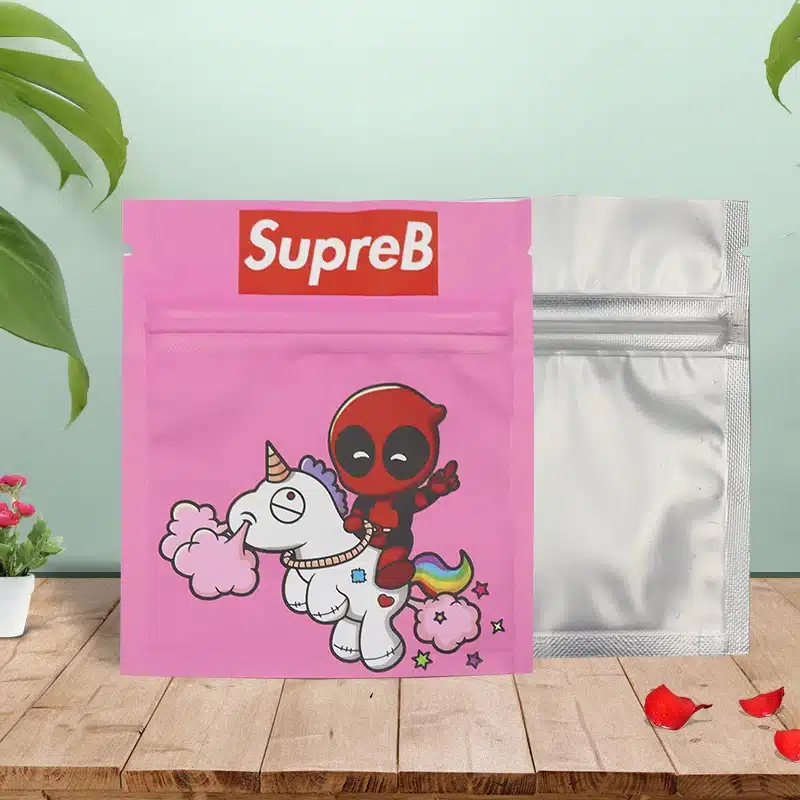
Zipper-style vacuum sealable mylar bags offer resealability, making them better suited for retail-facing products or manual operations where end-users need repeated access. The trade-off is a slightly lower barrier performance at the zipper closure over time.
Top Industries Using Mylar Vacuum Bags
Food Manufacturing & Emergency Food Supply
Freeze-dried meals, MREs, and bulk grain storage represent the largest demand segment for mylar vacuum seal bags. FDA 21 CFR food-contact compliance is non-negotiable in this space — buyers should always request documentation before committing to a supplier.
Pharmaceutical & Nutraceutical Packaging
Moisture-sensitive supplements, probiotics, and herbal products require the kind of high-barrier protection that vacuum sealable mylar bags provide. Even minor humidity exposure can compromise potency and trigger regulatory issues.
Seed Banks & Agricultural Storage
Germination rate preservation is directly tied to oxygen and moisture control. Studies show properly sealed mylar vacuum bags can maintain seed viability for 5–10+ years — a critical advantage for seed banks and agricultural distributors managing large inventories.
Electronics & Industrial Components
Anti-static (ESD-safe) variants of mylar vacuum bags are widely used for PCBs and moisture-sensitive electronic components. These bags meet ANSI/ESD S20.20 and MIL-PRF-81705 standards, protecting against both static discharge and humidity damage during storage and transit.
How to Choose the Right Mylar Vacuum Bags for Your Business
5 Critical Selection Criteria
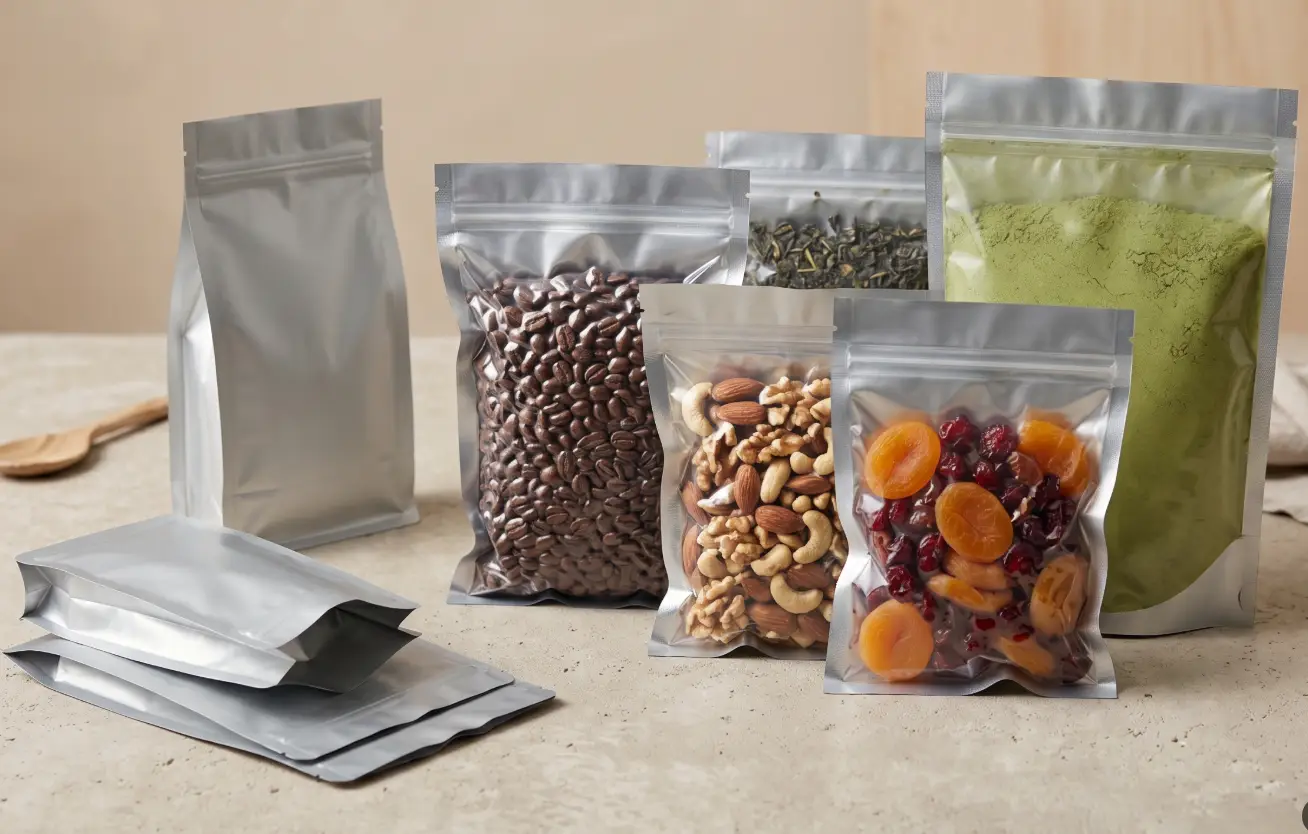
- Barrier Rating – Match OTR and MVTR specs to your product's sensitivity level. Request third-party test reports, not just supplier claims.
- Thickness (Mil) – Products over 2 lbs or with sharp edges need 5 mil minimum. Go 7 mil for industrial applications.
- Seal Type – Heat-seal for automated lines; zipper reseal for consumer-facing or manual workflows.
- Size Compatibility – Confirm bag dimensions align with your existing vacuum sealer machine's pouch width and chamber size.
- Certifications – FDA, BPA-free, food-grade for consumables; RoHS and ESD compliance for electronics.
Oxygen Absorbers + Mylar Vacuum Bags: Do You Need Both?
Vacuum sealing removes the bulk of oxygen from the bag — typically achieving 99%+ removal. However, for products with a target shelf life of 15–25 years, pairing vacuum sealing with oxygen absorbers is the industry-recommended approach, as absorbers capture residual O2 that vacuum equipment can't eliminate.
For shorter shelf-life applications (under 5 years) or products where oxygen absorbers could affect quality (e.g., certain baked goods), vacuum sealing alone is sufficient. The combination is most critical for dry grains, legumes, and freeze-dried products in long-term emergency food programs.
Sourcing & Pricing Considerations for Bulk Orders
MOQ, Lead Times & Unit Cost Benchmarks
Pricing for mylar vacuum bags scales significantly with volume. Here are realistic benchmarks for a standard 10"×14", 5 mil bag:
| Order Quantity | Estimated Unit Cost | Lead Time |
|---|---|---|
| 100–500 units | $0.35–$0.55 | 1–2 weeks |
| 500–5,000 units | $0.20–$0.34 | 2–3 weeks |
| 5,000–50,000 units | $0.10–$0.19 | 3–5 weeks |
| 50,000+ units | $0.05–$0.09 | 4–8 weeks |
These figures are market reference points. Actual pricing varies based on custom specs, print requirements, and supplier location. Always get 2–3 competitive quotes before committing.
Custom Printing & Branding Options
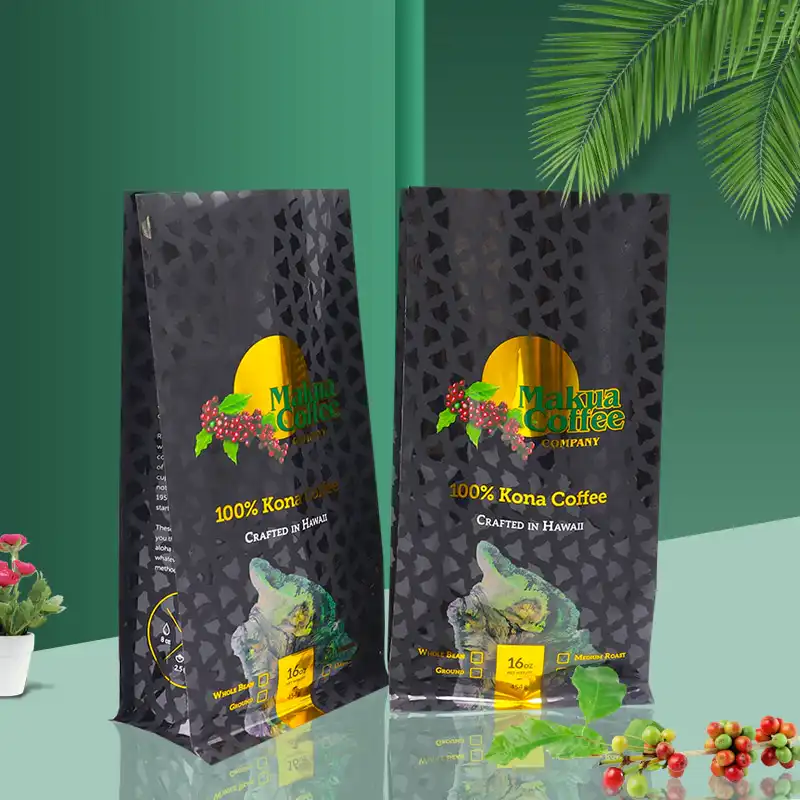
White-label and custom-printed mylar vacuum bags are widely available for brand differentiation in retail and wholesale channels. Most manufacturers require a minimum print run of 5,000–10,000 units for custom artwork, with one-time plate fees typically ranging from $150–$500 per color.
Up to 8-color rotogravure printing is standard among established manufacturers, allowing high-resolution graphics, nutritional panels, and barcodes directly on the bag surface.
Key Supplier Evaluation Checklist
- Valid food-grade certifications (FDA, ISO 22000, EU food contact)
- Third-party OTR and WVTR test reports available on request
- Free sample policy before bulk order commitment
- Documented QC process (incoming material inspection, seal strength testing)
- Clear defect/return policy with defined acceptance rate (AQL standard)
- Warehouse location and shipping lead time transparency
About YLTPACK: Founded in 2005, YLTPACK is a certified mylar vacuum bag manufacturer holding ISO 22000 and FDA approvals. We offer fully customized solutions — sizes, mil ratings, print, and seal types — with free samples available before any bulk commitment. Contact us at [email protected] to discuss your requirements.
Proper Usage & Best Practices
Step-by-Step Sealing Process
- Inspect the bag – Check for pinholes, delamination, or damaged seams before filling.
- Fill to 80% capacity – Leave adequate headspace for vacuum draw without stressing the seams.
- Insert oxygen absorber (if applicable) – Place immediately before sealing to minimize pre-seal O2 exposure.
- Position in sealer – Ensure the open edge is fully seated in the vacuum chamber or nozzle.
- Set vacuum level and seal temperature – Follow manufacturer specs; mylar typically requires higher heat settings than standard PE pouches.
- Verify the seal – Visually inspect for uniform seal width; press along the seal line to confirm no weak spots.
Storage Conditions for Maximum Shelf Life
| Factor | Recommended Condition |
|---|---|
| Temperature | 50–70°F (10–21°C) |
| Humidity | Below 15% RH |
| Light Exposure | Dark/opaque environment |
| Pest Protection | Hard container or rack storage |
Common Mistakes to Avoid
- Overfilling – Reduces vacuum efficiency and increases seal failure risk
- Incorrect seal temperature – Too low causes weak seals; too high burns through the PE layer
- Skipping headspace – Causes product to get drawn into the sealing area, compromising the seal
- Storing near heat sources – Accelerates barrier degradation even in sealed bags
- Reusing heat-seal bags – Prior seal lines create weak points that fail under vacuum pressure
Certifications & Compliance Standards
Food-Grade & Safety Certifications
For food applications, buyers should require FDA 21 CFR compliance documentation confirming food-contact safety of all layers. EU buyers need compliance with EC 1935/2004 food contact materials regulation. BPA-free verification should be a standard line item in your supplier qualification checklist.
ISO 22000 certification at the manufacturing facility level indicates a systematic food safety management approach — a meaningful differentiator when evaluating suppliers for long-term partnerships.
ESD & Industrial Compliance (For Non-Food Applications)
Anti-static mylar vacuum bags for electronics must meet ANSI/ESD S20.20 for ESD control programs and MIL-PRF-81705 for barrier materials used with military and aerospace components. Always request surface resistivity test data alongside the barrier specs when sourcing for electronics applications.
FAQ – Mylar Vacuum Bags
What is the difference between mylar vacuum bags and regular mylar bags?
Regular mylar bags rely on heat sealing alone to close the package. Mylar vacuum bags are engineered with reinforced seams and compatible seal structures designed to withstand the mechanical stress of vacuum pressure, enabling superior oxygen removal that standard mylar bags can't achieve.
Can mylar vacuum seal bags be reused?
Heat-seal-only versions are single-use — cutting open the bag damages the seal area. Zipper-style vacuum sealable mylar bags can technically be reused if the zipper and bag body remain undamaged, though barrier performance at the closure may degrade after multiple cycles.
What vacuum sealer machines work with mylar bags?
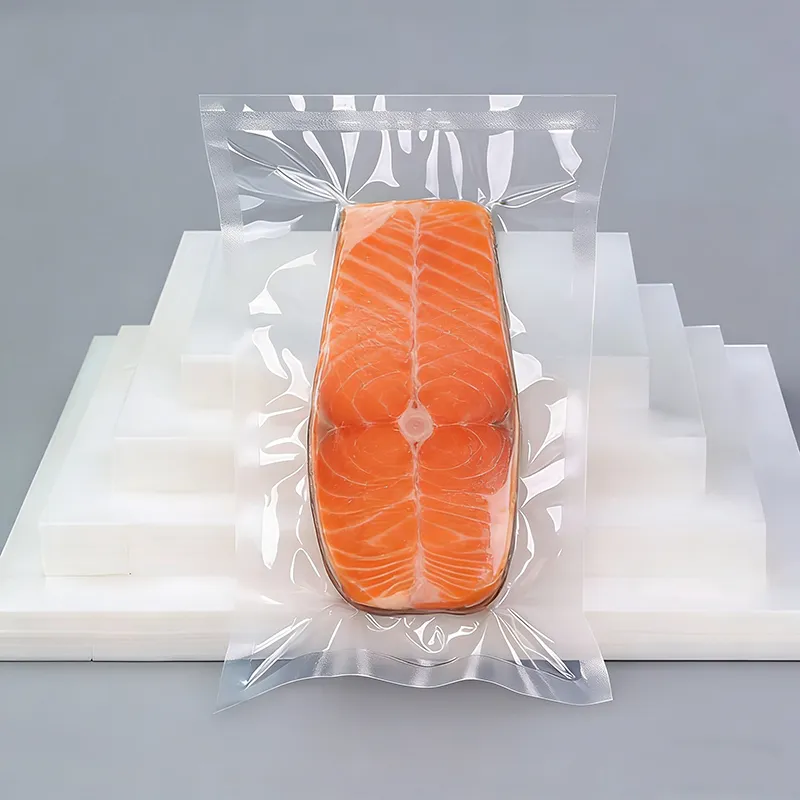
External suction sealers (FoodSaver-style) work with pre-made mylar pouches for low-volume operations. Chamber vacuum sealers are the preferred choice for commercial and bulk operations, offering consistent vacuum levels and compatibility with thicker mil bags.
How long can food last in mylar vacuum bags with oxygen absorbers?
Dry goods like wheat, white rice, and rolled oats can last 20–25 years under ideal storage conditions. High-fat foods (nuts, whole wheat flour) and high-moisture products have significantly shorter shelf lives regardless of packaging quality.
What minimum order quantities do mylar vacuum bag manufacturers typically require?
Stock sizes generally start at 100–500 units with no custom requirements. Custom-printed or non-standard size orders typically require 5,000–10,000 unit MOQs to cover tooling and setup costs.
Are mylar vacuum bags safe for freezer storage?
Yes. High-quality mylar vacuum seal bags rated for –40°F (–40°C) maintain flexibility and seal integrity in freezer environments without cracking or delaminating — a common failure point with lower-grade vacuum pouches.
How do I verify the barrier quality of mylar vacuum bags from a new supplier?
Request third-party OTR and WVTR test reports. Industry-standard testing follows ASTM F1927 (oxygen transmission) and ASTM F1249 (water vapor transmission) protocols. Supplier-generated data without third-party verification should be treated with caution.
Does YLTPACK offer free samples before bulk orders?
Yes. YLTPACK has offered free samples to qualified buyers since 2005. With ISO 22000 and FDA certifications in place, you can evaluate barrier performance, seal quality, and print accuracy before committing to volume. Reach out at [email protected] with your specs and intended application.