The Short Answer: How to Choose the Right Packaging for Loose Leaf Tea
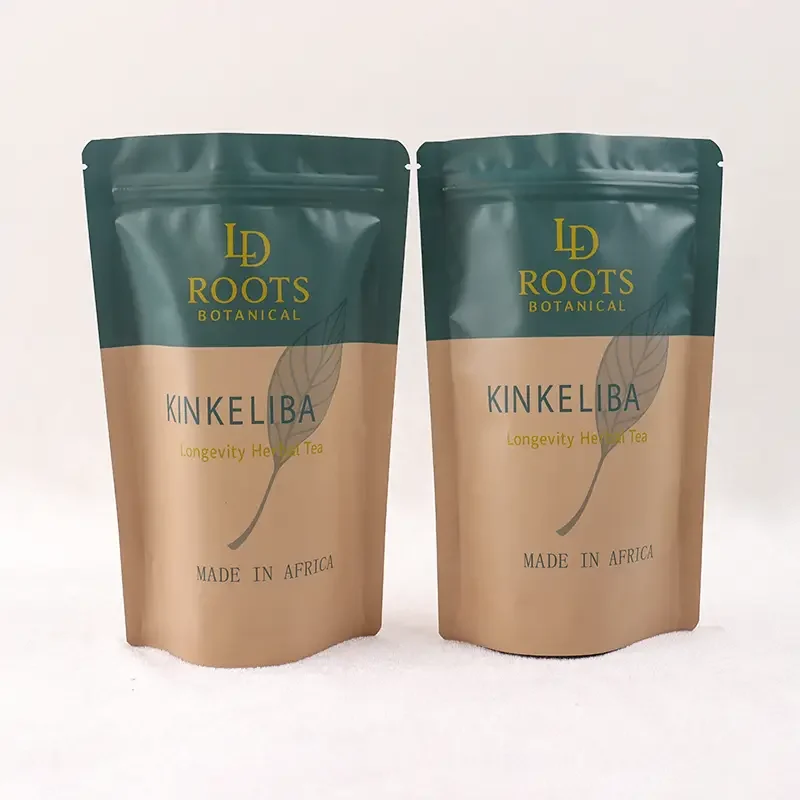
Pick a format that protects against three enemies at once: oxygen, moisture, and light. For most brands that means a resealable, foil-lined pouch or an airtight tin, paired with a material that matches your sustainability promise. Match the size to how fast customers actually drink it, and make sure the seal keeps working after the first cup.
That's the decision in a nutshell. If you want to understand the reasoning behind each choice, and avoid the mistakes we see most often, keep reading. I'll walk you through it the way I would if we were sitting across a table.
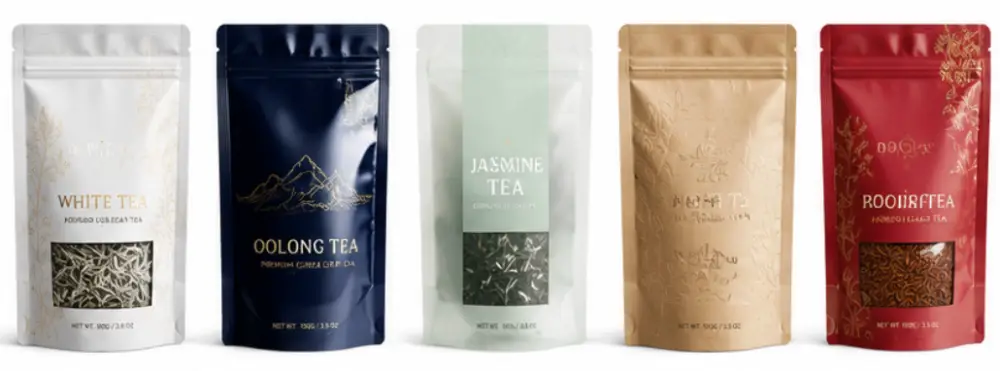
Why the Wrong Container Quietly Ruins Great Tea
Tea leaves are delicate. Whole leaves carry volatile aromatic compounds that start fading the moment they meet air. A study on tea storage published in the Journal of Food Science found that exposure to oxygen and humidity accelerates the loss of catechins and aroma within weeks, not months.
So your container isn't just a wrapper. It's a shelf-life extender and a flavor guardian. Get it wrong and a premium harvest tastes flat by the time it reaches the cup.
Working with brands across North America, we've found that the most common mistake is choosing a design that photographs beautifully but breathes like a screen door. Pretty and protective are not the same thing.
The Three Threats You're Really Fighting
- Oxygen: oxidizes the leaf, dulling flavor and color.
- Moisture: invites clumping and, in worst cases, mold.
- Light: UV rays degrade delicate greens and whites fastest.
A good barrier handles all three. When you evaluate any option, ask a simple question: which of these threats does it actually block?
Match the Format to Your Product and Your Customer
There's no single winner. The right container depends on the tea inside, the price point, and how your buyer uses it. Here's how the main formats stack up.
| Format | Barrier Strength | Best For | Reusable? | Typical Shelf Life |
|---|---|---|---|---|
| Foil-lined stand-up pouch | High | Everyday retail lines, subscriptions | Resealable, single-use | 12–24 months |
| Airtight tin | Very high | Premium and gift lines | Yes, refillable | 18–36 months |
| Kraft paper pouch (lined) | Medium–High | Eco-focused brands | Resealable | 6–12 months |
| Compostable film pouch | Medium | Sustainability-first brands | Single-use | 6–9 months |
| Sachet / single-serve | Medium–High | Travel, sampling, hospitality | No | 12–18 months |
Notice the pattern. Higher barrier usually means longer shelf life, which matters if your product sits on shelves before selling. A fast-moving subscription tea can tolerate a lighter barrier than a specialty oolong that lingers in a gift shop.
When a Resealable Pouch Wins
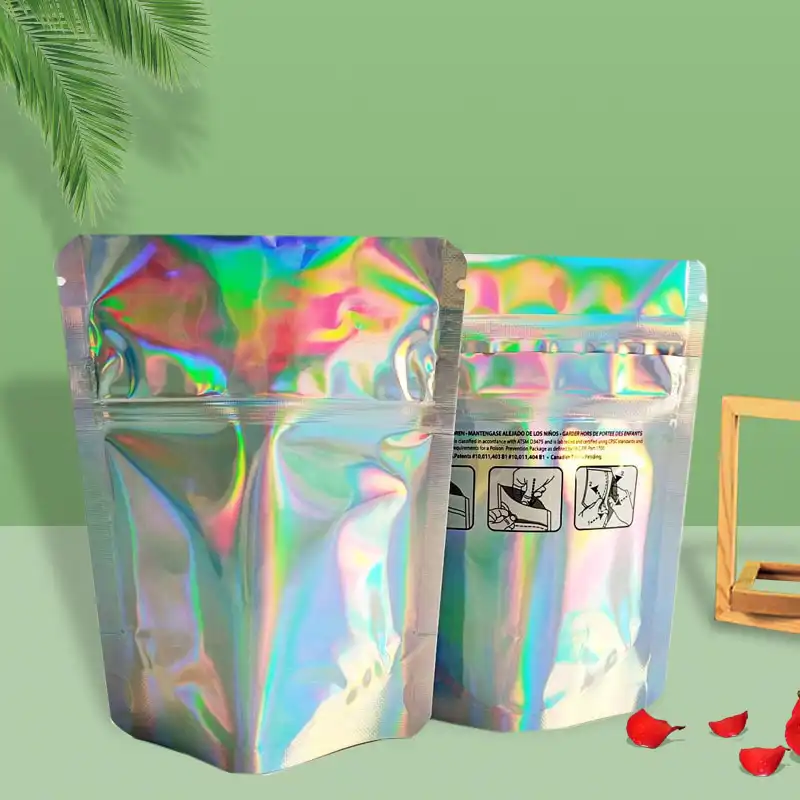
For most growing brands, resealable pouches for loose leaf tea hit the sweet spot. They're light to ship, easy to shelve, and the zipper keeps flavor locked in between uses. Customers appreciate that they can reclose the bag without hunting for a clip.
If your buyers steep tea daily, that reseal feature isn't a nice-to-have. It's the difference between a satisfied repeat customer and one who complains the tea "went stale fast."
When a Tin Earns Its Keep
Airtight tins for loose leaf tea storage feel substantial in the hand, and that weight signals quality. They're a natural fit for gifting and higher price points. The trade-off is cost and shipping weight, so they suit premium tiers rather than value lines.
Many brands run a hybrid: tins for the flagship blends, pouches for everyday refills. That gives customers a reason to buy the tin once and reorder cheaper pouches later.
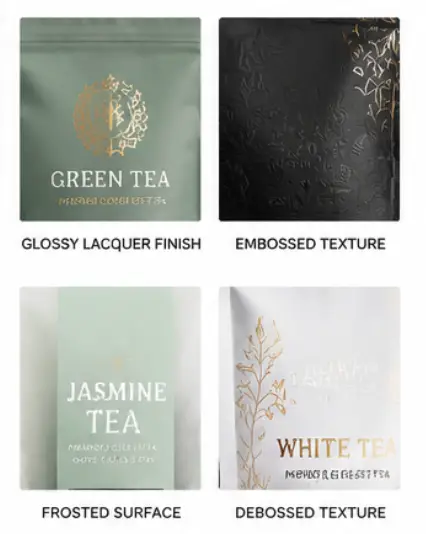
The Sustainability Question You Can't Dodge
Shoppers are reading the back of the pack now. A 2024 NielsenIQ report found that products marketed with sustainability claims grew faster than conventional counterparts across most consumer categories. Your packaging is part of that story whether you plan it or not.
But "eco" is a spectrum, not a switch. Here's how the common green choices really differ.
| Eco Option | What It Means | Barrier Trade-off | Disposal |
|---|---|---|---|
| Recyclable mono-material | Single plastic type, easier to recycle | Good, improving fast | Curbside (where accepted) |
| Compostable film | Breaks down in industrial compost | Moderate; shorter shelf life | Industrial compost facility |
| Kraft + PLA lining | Paper feel, plant-based barrier | Moderate–good | Varies by facility |
| Refillable tin | Reused many times | Excellent | Long-term reuse |
Biodegradable packaging for loose leaf tea sounds ideal, but be honest with your customers about how it decomposes. Most compostable films need industrial composting, not a backyard pile. Overpromising here erodes trust fast.
Because we hold GRS and ISO 22000 certifications, we usually recommend brands document exactly what their eco claim covers. Vague labels invite skepticism; specific ones build loyalty.
The Rustic, Natural Look
Kraft paper packaging for loose leaf tea has a warm, earthy appeal that fits artisanal and organic positioning. The key detail buyers miss: unlined kraft alone won't protect tea. It needs an inner barrier layer to keep aroma in and moisture out.
Done right, you get the natural aesthetic and the protection. Done wrong, you get a bag that looks the part but lets your best leaves fade.
Design Details That Drive Repeat Sales
Great packaging works twice: once on the shelf, once in the kitchen. The unboxing moment matters more than ever, since a good chunk of specialty tea now gets discovered and shared on Instagram and TikTok. A pouch that photographs well earns free marketing.
Custom printed loose leaf tea bags wholesale let you carry brand color, story, and steeping instructions right where the customer looks. Clear brewing guidance on the pack reduces "how do I make this?" confusion and cuts down on disappointed first cups.
A Quick Design Checklist
- Window or no window? A small clear panel lets buyers see leaf quality, but adds a light-exposure risk. Use it sparingly.
- Steeping instructions: temperature, time, and quantity, printed clearly.
- Batch or harvest info: tea drinkers love provenance details.
- Reseal that survives use: test the zipper after 20+ open-close cycles.
- Finish: matte reads premium; gloss pops on shelves. Choose for your audience.
Our in-house design team often helps brands who only have a rough idea and a logo. We turn that into print-ready artwork, which spares smaller teams from hiring a separate agency just to get files right.
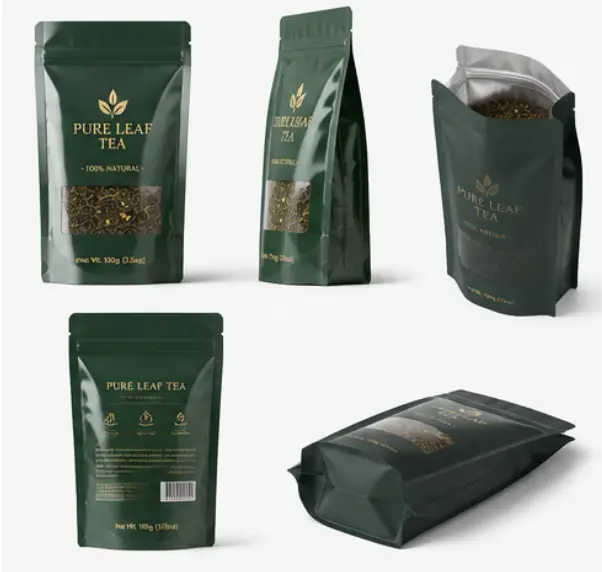
Getting the Size and Fill Right
Packaging size is a quiet lever for margin and freshness. Too big, and you pay for wasted space plus air that ages the tea. Too small, and customers feel shortchanged.
Think in servings, not just grams. A daily drinker wants a size that empties in three to four weeks so the tea stays fresh. A gift buyer wants something that looks generous.
| Fill Weight | Approx. Servings | Best Use |
|---|---|---|
| 15–25 g | 6–10 cups | Samplers, discovery sets |
| 50–75 g | 20–30 cups | Everyday retail pouch |
| 100–150 g | 40–60 cups | Value refill, loyal customers |
| 200 g+ | 80+ cups | Café and hospitality supply |
One more practical tip: fluffy whole-leaf teas take up more volume per gram than tightly rolled ones. A pouch sized for a dense black tea may look half-empty when filled with an airy white peony. Always test with your actual product.
Quality and Safety: The Part Buyers Don't See
Food-contact safety isn't glamorous, but it protects your brand from the worst kind of complaint. Any material touching tea should meet food-grade standards for your target markets, including migration limits for inks and adhesives.
As a manufacturer that has produced packaging for 20+ years, we've learned that seal integrity fails more often than the film itself. A gorgeous pouch with a weak seal leaks aroma and fails freshness testing. That's why consistent sealing matters as much as the material spec.
In our 6,800㎡ cleanroom facility, controlled conditions keep contaminants and stray odors away from food-grade runs. Tea absorbs smells easily, so a clean production environment protects the flavor you worked hard to source.
Questions Worth Asking Any Supplier
- Do you provide food-contact compliance documents for my region?
- Can you show barrier test data (oxygen and moisture transmission rates)?
- What's the seal-strength testing process?
- Can I get a physical sample filled with my own tea before committing?
- What are the minimum order quantities and lead times?
Planning Your Order Without Surprises
Ordering custom packaging goes smoother when you plan a few things upfront. Lead times, artwork approvals, and sampling all take time, and rushing them is where costly errors creep in.
Because tea packaging is often custom to your dimensions, finish, and material, pricing reflects your specific choices rather than a fixed list. The smart move is to define your requirements first, then get a quote built around them.
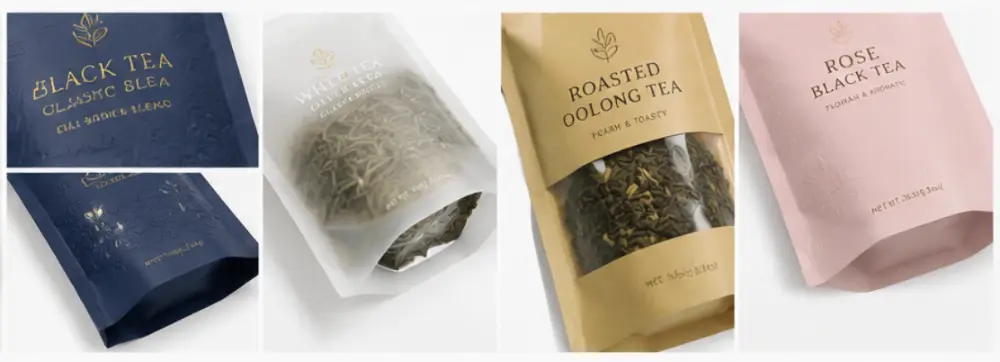
A Simple Pre-Order Checklist
- Confirm your tea type and how fast it sells (this sets barrier needs).
- Choose your format and fill size.
- Decide your sustainability position and back it with facts.
- Finalize artwork with steeping instructions included.
- Order a filled sample and test freshness and seal.
- Lock in quantities and lead time.
At YLTPACK, we source directly from our own factory, so brands work with the people who actually make the pouches rather than a middle layer. That shortens the feedback loop when you're refining a design or troubleshooting a spec.
If you want a second opinion on a format before you commit, reach out on WhatsApp at +86 182 1944 5665 or email [email protected]. Send your tea type and target shelf life, and we can point you toward a sensible starting spec.
Bringing It All Together
Choosing the right container comes down to protection, fit, and honesty. Block oxygen, moisture, and light. Match the format and size to how your customers actually drink the tea. And make any eco claim specific enough to trust.
Do those three things and your leaves reach the cup tasting the way the grower intended. That's the whole point, and it's what turns a first-time buyer into a regular.
FAQ: Does loose leaf tea really need an airtight barrier?
Yes, for most teas. Air exposure speeds up flavor and aroma loss, especially in green, white, and lightly oxidized varieties. A resealable, barrier-lined pouch or an airtight tin keeps oxygen and moisture out between uses. Fast-selling blends can tolerate a lighter barrier, but airtight protection is the safer default if freshness is your promise.
FAQ: Can eco-friendly packaging still protect tea well?
It can, with the right build. Recyclable mono-materials and paper pouches with plant-based liners now offer solid barrier performance, though usually a bit less than foil laminates. The key is pairing your sustainability choice with a suitable barrier layer and being upfront about how customers should dispose of it. Test a filled sample before you scale, so you confirm both the shelf life and the seal hold up.
FAQ: Which format keeps tea fresh the longest?
A refillable airtight tin generally offers the strongest protection and the longest shelf life, often 18 to 36 months. Foil-lined resealable pouches follow closely and cost less to ship. Your choice should balance how long the product sits before selling against your budget and brand positioning.
FAQ: What pouch size should I choose for a daily-drinking customer?
Aim for a fill that empties in three to four weeks, which usually lands around 50–75 g, or roughly 20 to 30 cups. That range keeps the leaves fresh from first steep to last, since the pouch doesn't sit open too long. Remember that airy whole-leaf styles take up more room per gram than tightly rolled ones, so size the bag around your actual product volume rather than weight alone.
FAQ: How can I tell if a supplier's pouch will actually keep tea fresh?
Ask for the hard data before you commit. Request oxygen and moisture transmission rates for the material, details on the seal-strength testing process, and food-contact compliance documents for your market. Then order a sample filled with your own leaves and store it for a few weeks to check both aroma retention and whether the reseal still holds. Real proof beats a nice-looking spec sheet every time.