For B2B buyers, the right custom stand up pouch is not just packaging. It directly affects unit cost, shelf life, transport safety, production efficiency, and how fast your product moves in the market.
If you are sourcing at scale, small specification mistakes can become large financial losses. This guide helps bulk buyers make better pouch decisions with clearer standards, faster supplier communication, and lower procurement risk.
Why Bulk Buyers Choose Custom Stand Up Pouches First
Bulk buyers choose stand-up flexible packaging because it combines lower material use, strong shelf presentation, and efficient logistics. Compared with rigid packaging, pouches often reduce storage and freight volume significantly.
Industry buyers in food, supplements, and pet products commonly use the standing pouch format to improve fill efficiency and branding while controlling total landed cost. In many retail and e-commerce categories, pouch packaging also reduces breakage risk compared with jars or cans.
- Lower packaging weight helps reduce freight cost
- Better shelf impact supports branding and conversion
- Custom structures improve shelf life and product protection
- Flat shipment before filling improves warehouse efficiency
The Biggest Problems in Bulk Pouch Customization
Most procurement issues do not come from the pouch itself. They come from unclear specifications, poor planning, or weak supplier execution.
Common buyer pain points include high MOQ, vague material descriptions, inconsistent print quality, delayed lead times, and slow communication. These issues often create launch delays, excess inventory, or costly rework.
- MOQ too high for multi-SKU testing
- Material structure not matched to shelf-life target
- Print proof not approved at production standard
- Feature placement conflicts with filling lines
- Compliance paperwork incomplete for export markets
What Is a Custom Stand Up Pouch?
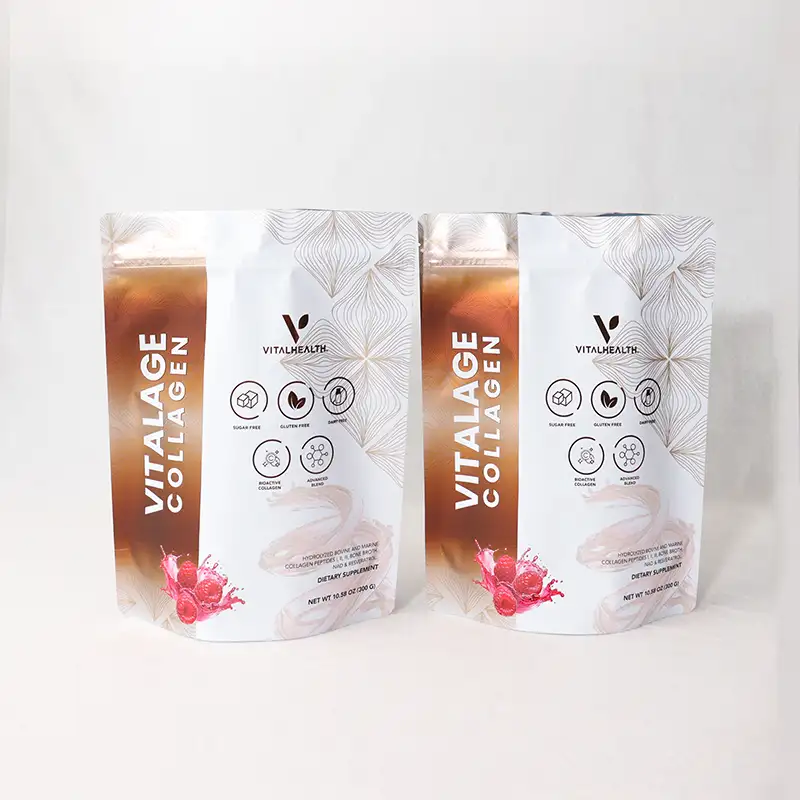
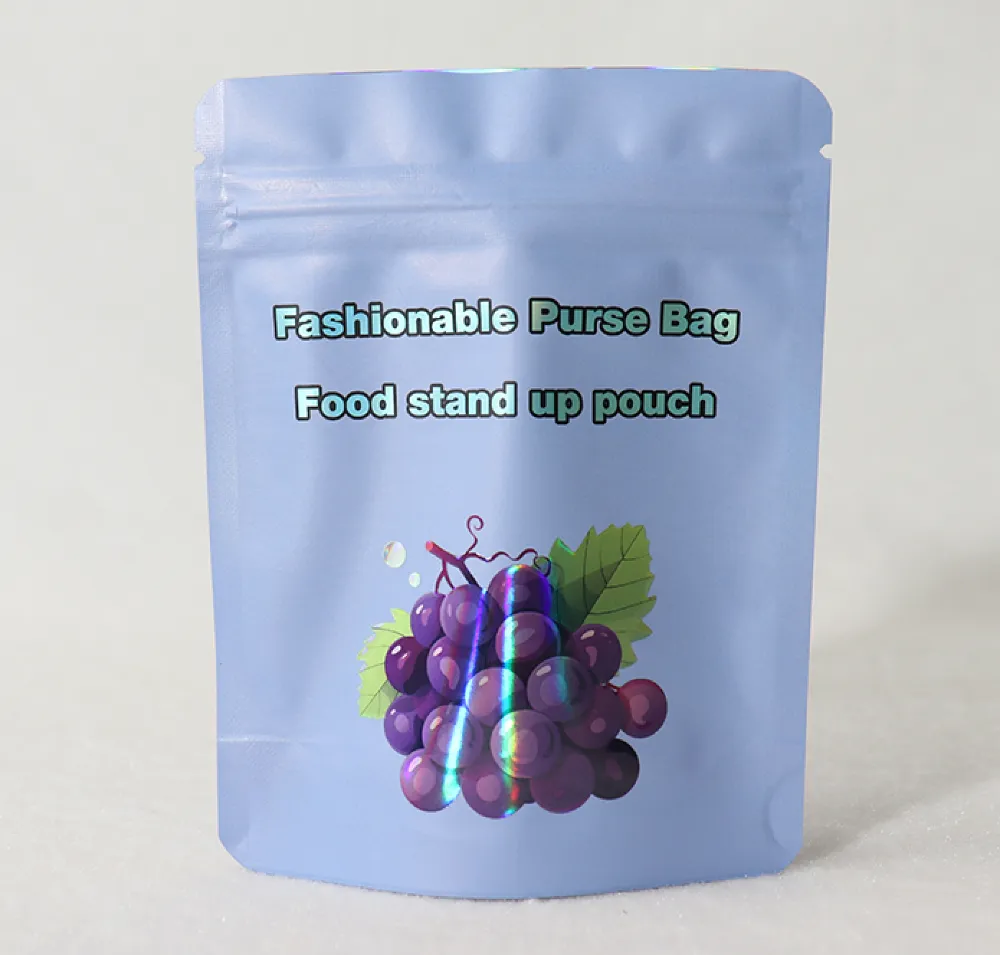
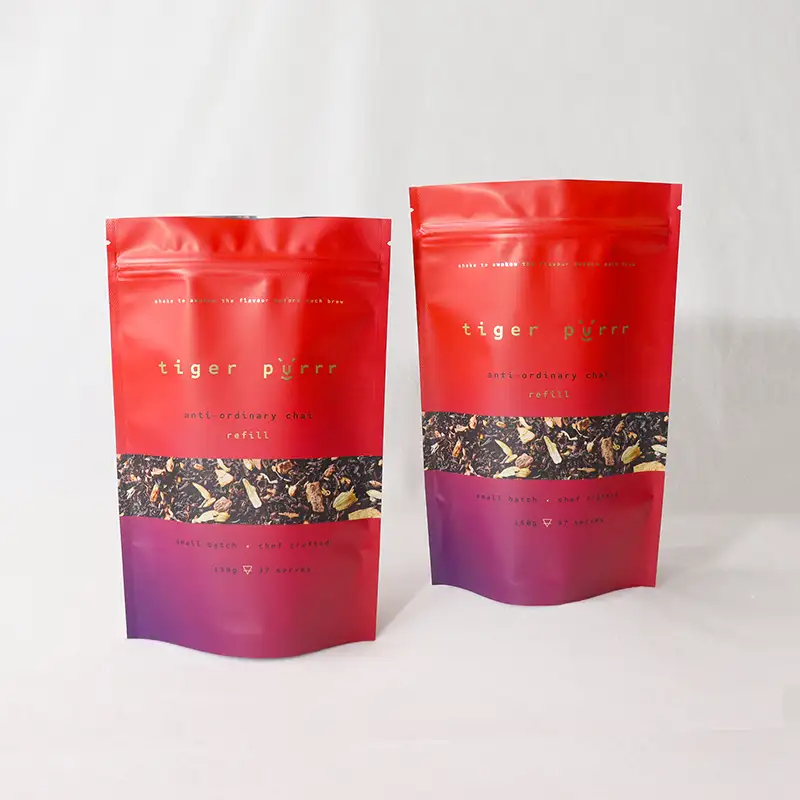
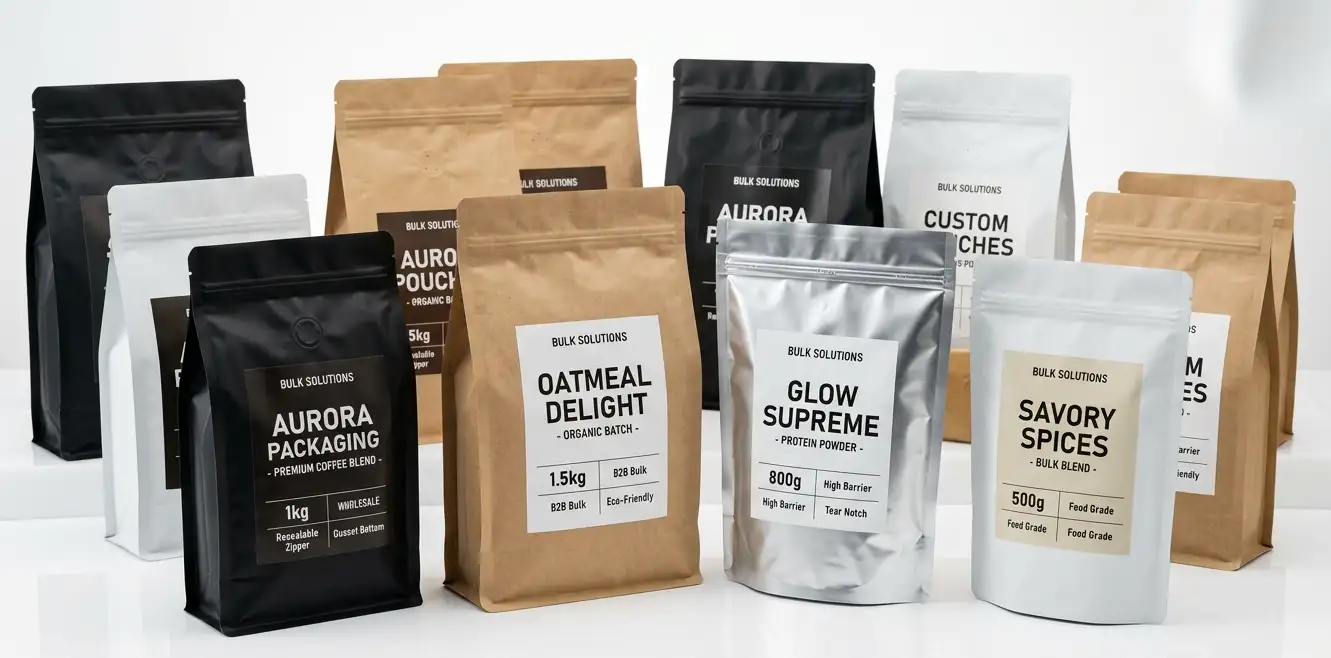
A custom stand up pouch is a flexible package designed to stand upright on shelf due to its bottom gusset. It can be fully customized by size, material, barrier level, finish, print design, and functional features.
Related search terms include standing pouch and doypack. In commercial sourcing, these terms are often used interchangeably, although actual structures and sealing details may vary by factory and application.
Who Should Order Custom Stand Up Pouches in Bulk?
Bulk custom pouch programs are best suited for companies that need stable quality, consistent branding, and scalable pricing. They are especially valuable when packaging performance directly affects product freshness or distribution reliability.
- Food brands
- Nutraceutical and supplement companies
- Pet food and pet treat manufacturers
- Coffee roasters and tea brands
- Contract packers and private label suppliers
- Export-oriented consumer goods businesses
How to Choose the Right Custom Stand Up Pouch for Your Product
The correct pouch should match your product’s physical characteristics, barrier requirement, compliance target, and logistics environment. Buying only by price often leads to sealing failures, short shelf life, or machine compatibility issues.
A professional packaging review should evaluate product weight, oxygen sensitivity, moisture exposure, light sensitivity, filling process, and transportation conditions before final quoting.
Match Pouch Size and Fill Volume to Product Weight
Size should be based on actual fill volume, product density, headspace needs, and final merchandising goals. Oversized pouches waste film and increase freight cost, while undersized pouches create sealing and filling problems.
For example, 250g coffee, 500g pet treats, and 1kg protein powder each require different width, height, and bottom gusset combinations. A proper size test prevents excess material cost and improves packing line stability.
Choose the Right Material Structure for Shelf Life
Material structure is one of the most important technical decisions in any bulk pouch order. Typical film layers include PET, PE, AL, and kraft paper combinations, depending on barrier targets.
As a general market rule, products sensitive to oxygen, aroma loss, grease migration, or moisture require higher-barrier structures. Coffee, freeze-dried foods, and many nutraceutical products usually need stronger protection than dry confectionery or low-risk snacks.
| Product Type | Typical Material Direction | Main Protection Need | Buyer Consideration |
|---|---|---|---|
| Coffee beans | PET/AL/PE or high-barrier equivalent | Oxygen and aroma barrier | Often paired with degassing valve |
| Pet treats | PET/VMPET/PE or PET/AL/PE | Moisture and fat barrier | Reduces spoilage and odor loss |
| Protein powder | PET/PE or stronger as needed | Moisture protection | Seal strength matters for heavy fills |
| Dried fruit | Kraft/PLA or PET/PE depending target | Moisture and display balance | Window design may affect barrier |
Select the Best Format: Standard, Zipper, Spout, or Window
Format selection affects customer usability, freshness retention, filling speed, and total conversion cost. A simple standard pouch costs less, but functional features may create better long-term value.
- Standard pouch: best for cost-sensitive single-use or simple applications
- Zipper pouch: better for reclosability and repeat use
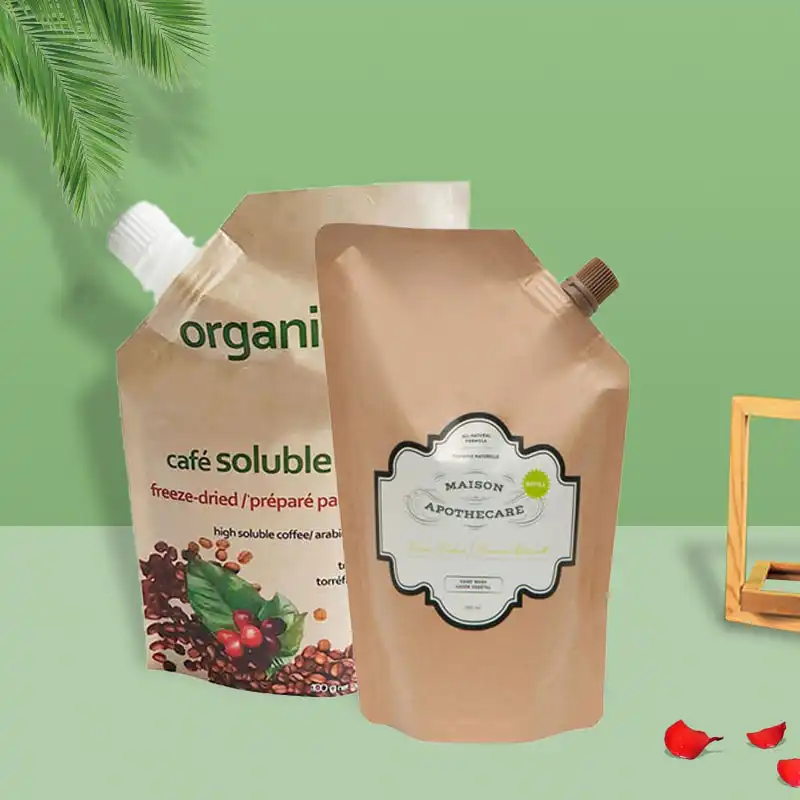
- Spout pouch: suitable for liquids, gels, and pourable formats
- Window pouch: improves product visibility but may reduce barrier performance
Decide Between Matte, Gloss, Digital, or Gravure Printing
Print choice should align with order volume, launch speed, branding requirements, and long-term cost strategy. Many growing brands start with digital printing for flexibility, then shift to gravure when monthly volume becomes stable.
Gloss finishes often support vivid color and lower cost. Matte, soft-touch, or premium tactile finishes improve brand positioning but raise conversion cost.
Bulk Order Specifications Buyers Must Confirm Before Production
Before mass production begins, buyers should lock every technical point in writing. Most large packaging errors happen because one “small detail” was assumed, not confirmed.
Dimensions, Gusset, Seal Width, and Tolerance
Suppliers need exact width, height, bottom gusset size, and seal width to quote accurately and manufacture consistently. Tolerance must also be defined, especially for automated filling lines.
If your co-packer uses machine-fed pouches, dimension variation can cause jams, poor registration, or sealing defects.
Material Thickness and Barrier Performance
Do not approve materials based only on general wording like “food grade laminated film.” Confirm micron thickness, layer structure, and target barrier performance.
For serious procurement, ask for measurable indicators such as oxygen transmission rate, moisture barrier, and seal strength benchmarks where relevant.
Artwork Setup, Color Standard, and Print Proofing
Artwork should be built from a production dieline, not only from a visual design file. Buyers should confirm bleed, barcode position, text readability, color mode, and the final print proof before release.
CMYK and Pantone expectations should be stated clearly. This is especially important for retail brands with strict brand color control.
Zipper Position, Tear Notch, Hang Hole, and Valve Options
Functional features must be finalized early because they affect tooling, material layout, and filling operations. A zipper placed too low or a valve placed incorrectly can affect performance in production.
For coffee packaging, one-way degassing valves are common. For display formats, hang holes and tear notches should be aligned with retail and consumer use requirements.
Food Safety, Compliance, and Testing Documents
For regulated markets, packaging documents are not optional. Buyers should request declarations of compliance, food-contact statements, migration testing where required, and factory certifications.
At minimum, supplier qualification should include a review of manufacturing systems, traceability, and product safety controls. This is essential for food, supplements, and pet products.
Minimum Order Quantity, Lead Time, and Pricing Explained
MOQ, lead time, and unit price are the three commercial factors that most directly affect purchasing decisions. A low unit price is not attractive if MOQ is too high or replenishment is too slow.
What MOQ Means for Gravure vs Digital Printing
Digital printing is usually better for lower-volume projects, faster SKU testing, and short-run launches. It avoids cylinder costs and gives buyers more flexibility.
Gravure printing is typically more cost-efficient for large and repeatable runs. However, it requires cylinder setup, making it less suitable for very small orders.
What Impacts Unit Price in a Bulk Standing Pouch Order
Unit cost depends on more than pouch size. Material structure, print method, color count, surface finish, accessories, packaging quantity per carton, and freight terms all affect final cost.
- Size and gusset depth
- Film layers and barrier level
- Digital or gravure printing
- Zipper, valve, spout, window, hang hole
- Matte, gloss, or specialty finish
- Order volume and reorder frequency
- Sea or air freight
Typical Production and Shipping Timelines
Total lead time includes more than factory production. It also includes specification approval, artwork review, sample development, tooling or cylinder work, and freight transit.
Experienced buyers usually build sourcing plans backward from the launch date to avoid emergency air shipments.
Table: Typical Cost Drivers for Custom Stand Up Pouch Bulk Orders
The table below shows why quotations from different suppliers can vary significantly, even when the pouch looks similar at first glance.
| Cost Factor | Lower-Cost Option | Higher-Cost Option | Buyer Impact |
|---|---|---|---|
| Printing Method | Digital | Gravure with cylinders | Gravure lowers unit cost only at higher volume |
| Material Structure | 2-layer film | 3-layer high-barrier film | Higher barrier improves shelf life but raises cost |
| Pouch Size | Small standard sizes | Large custom sizes | Larger pouches use more material |
| Accessories | No zipper/no valve | Zipper, valve, spout, window | Added features increase conversion cost |
| Finish | Gloss | Matte soft-touch or specialty | Premium finishes increase branding value and cost |
| Order Volume | Trial quantity | Full container-scale volume | Higher volume usually reduces unit cost |
| Freight | Sea shipping | Air shipping | Air shortens lead time but sharply increases landed cost |
Table: Typical Lead Times for Bulk Custom Doypack Orders
This benchmark helps procurement teams plan inventory, launch timing, and internal approvals more accurately.
| Order Stage | Typical Time Range | Notes for B2B Buyers |
|---|---|---|
| Specification Confirmation | 1–3 days | Delays often come from incomplete technical details |
| Artwork Review | 2–5 days | Faster when dielines and brand files are production-ready |
| Sample Production | 5–10 days | Functional samples may take longer than visual mockups |
| Cylinder Making (if gravure) | 5–7 days | Required before mass printing for traditional runs |
| Mass Production | 15–25 days | Depends on pouch complexity and factory capacity |
| Sea Freight | 20–40 days | Best for lowering landed cost on large orders |
| Air Freight | 5–10 days | Used for urgent replenishment despite higher cost |
Real-World Example: How Bulk Buyers Reduce Packaging Cost Without Sacrificing Quality
Cost reduction in flexible packaging usually comes from specification optimization, not from simply choosing the cheapest supplier. The most successful buyers align material, print method, and shipment planning with actual business demand.
According to common industry procurement practice, brands that consolidate demand and standardize specifications often achieve measurable packaging savings while reducing quality complaints.
Example: Coffee Brand Switching from Small Gravure Runs to Larger Planned Orders
A mid-sized coffee brand was ordering multiple low-volume SKUs using gravure printing. Cylinder costs and fragmented production runs pushed unit cost up and caused stockouts during seasonal demand spikes.
After consolidating artwork versions, increasing forecast accuracy, and moving to larger planned production batches, the brand reduced packaging unit cost by an estimated 12% to 18%. It also improved supply continuity and avoided emergency freight.
Example: Pet Treat Supplier Upgrading to High-Barrier Doypack for Longer Shelf Life
A pet treat exporter initially chose a lower-cost film structure. The pouch looked acceptable, but shelf-life stability declined in humid distribution environments.
After switching to a higher-barrier doypack structure, spoilage complaints dropped and export confidence improved. Although material cost increased, total claim-related losses decreased, improving gross margin over time.
How to Evaluate a Stand Up Pouch Supplier for Bulk Orders
Supplier qualification is as important as pouch design. A strong supplier reduces risk through technical clarity, quality discipline, and responsive project management.
Check Factory Experience in Your Product Category
Factories with direct experience in your category understand filling conditions, barrier needs, and compliance expectations better. This reduces trial-and-error during development.
For example, coffee packaging experience matters for valve application, while supplement packaging experience matters for powder sealing and regulatory documentation.
Request Test Reports, Certifications, and Production References
Professional suppliers should provide relevant test reports and certification documents. These documents help verify food-contact suitability, process control, and commercial reliability.
YLTPACK is a packaging manufacturer established in 2005. The company supports custom production based on customer requirements and can provide free samples. It also states compliance with certifications such as ISO22000 and FDA-related standards for relevant packaging projects.
| Supplier Review Point | What Buyers Should Ask | Why It Matters |
|---|---|---|
| Factory history | How long have you produced flexible packaging? | Shows manufacturing stability |
| Category references | Do you serve food, coffee, pet food, or nutraceutical clients? | Confirms application knowledge |
| Certifications | Can you provide ISO22000, FDA-related, and other compliance documents? | Supports market access and risk control |
| Sampling ability | Can you provide free samples for evaluation? | Helps validate structure and finish |
Review Sampling Process and Communication Speed
Sampling quality and response speed are strong indicators of future project execution. Slow or unclear communication during sampling often predicts problems during mass production.
Buyers should check how quickly the supplier confirms specs, revises artwork comments, and issues sample updates.
Confirm QC Process and Defect Handling Policy
Ask for written quality control procedures, inspection criteria, and defect handling rules. This should include in-process checks, final inspection standards, and claim resolution policy.
Serious suppliers should explain how they manage print registration, lamination quality, seal strength, and shipment traceability.
Common Mistakes Buyers Make When Customizing Bulk Stand Up Pouches
Most sourcing mistakes are preventable. The key is to define performance needs first, then choose the most cost-efficient structure that meets them.
Choosing Price Before Performance Requirements
The lowest quote may use weaker barrier films, lighter gauge material, or less reliable conversion control. This can increase spoilage, leakage, or transport damage.
In B2B packaging, the lowest initial price is not always the lowest total cost.
Approving Artwork Without Production-Level Checks
Visual approval is not enough. Buyers should confirm barcode readability, legal text, nutrition panel clarity, bleed, trapping, and color expectations before release.
One unnoticed artwork error in a bulk run can waste thousands of units.
Ignoring Filling Machine Compatibility
Pouch dimensions, stiffness, opening behavior, and sealing area must match your filling equipment. A pouch that looks correct may still run poorly on automated lines.
Always confirm machine compatibility during sample review if you use co-packers or internal packing lines.
Not Clarifying Incoterms, Payment Terms, and After-Sales Support
Commercial terms must be confirmed early. Unclear Incoterms, deposit rules, remake conditions, or freight responsibilities often create avoidable disputes.
Clear written agreements reduce procurement friction and protect delivery planning.
Bulk Buyer Checklist Before Placing a Custom Stand Up Pouch Order
Use the checklist below before confirming mass production. It helps reduce risk and speeds internal approval across procurement, quality, and marketing teams.
| Checklist Item | Buyer Confirmation |
|---|---|
| Product type and fill weight confirmed | Yes / No |
| Target shelf life defined | Yes / No |
| Material structure approved | Yes / No |
| Pouch dimensions and features finalized | Yes / No |
| Artwork proof signed off | Yes / No |
| MOQ and unit price approved | Yes / No |
| Lead time matches launch plan | Yes / No |
| Compliance documents verified | Yes / No |
| QC standards agreed in writing | Yes / No |
| Shipping terms and payment terms confirmed | Yes / No |
FAQ
What is the ideal MOQ for a custom stand up pouch order?
The ideal MOQ depends on print method, pouch complexity, and business stage. Digital printing usually supports smaller test volumes, while gravure is more suitable when repeat demand is high enough to absorb setup costs.
How do I choose between digital and gravure printing for bulk pouch orders?
Choose digital when you need fast sampling, multiple SKUs, or lower-volume flexibility. Choose gravure when order volume is stable and large enough to deliver lower long-term unit cost.
What material is best for food-grade custom stand up pouches?
The best material depends on product sensitivity, barrier requirement, and destination market regulations. Dry powders may use simpler structures, while oxygen-sensitive or aroma-sensitive products often need higher-barrier laminates.
How long does it take to produce custom doypack packaging in bulk?
A realistic total timeline often includes 1 to 3 days for spec confirmation, 2 to 5 days for artwork review, 5 to 10 days for sampling, 15 to 25 days for production, plus freight time. Gravure projects also need extra time for cylinder making.
Can I order multiple SKUs in one bulk custom stand up pouch project?
Yes, but MOQ allocation, print method, and production planning must be managed carefully. Digital printing is usually more flexible for multi-SKU programs, while gravure works best when SKU volumes are high and predictable.
What certifications should a stand up pouch supplier provide?
Buyers should request factory certifications, food-contact compliance documents, and relevant test reports. For many projects, ISO22000, FDA-related compliance support, migration testing, and production quality records are important review items.
How can I reduce unit cost on a standing pouch order without lowering quality?
You can reduce cost by consolidating SKU demand, optimizing pouch dimensions, selecting the right barrier instead of over-specifying material, choosing the correct print method, and using sea freight for planned replenishment.
Get Expert Support for Your Next Bulk Custom Stand Up Pouch Order
If you are sourcing a custom stand up pouch for food, coffee, nutraceuticals, pet products, or other bulk applications, expert technical review can save significant cost and prevent avoidable delays.
YLTPACK has been established since 2005 and supports customized packaging based on customer requirements. The company can provide free samples and supports projects requiring certifications such as ISO22000 and FDA-related standards.
For quotation, specification review, sample requests, or cost optimization support, contact [email protected].
Request your free sample and bulk pouch consultation today to improve packaging performance, reduce sourcing risk, and secure better commercial results for your next order.