Flexible pouch packaging has stopped being a packaging upgrade and become a supply-chain decision. When freight, shelf conversion, and sustainability targets live in the same conversation, the pouch you choose stops being a bag and starts being infrastructure. This guide walks the full decision path — the market math, the formats, the barrier science, the procurement process — so you can spec to a target instead of to tradition.
The Pouch Formats — and How to Pick the Right One
Format is the first decision, because it locks in material usage, fill behavior, and print area before anything else gets specified. Match your product and channel to the physical job each format does.
Stand-Up Pouches (Doypack)
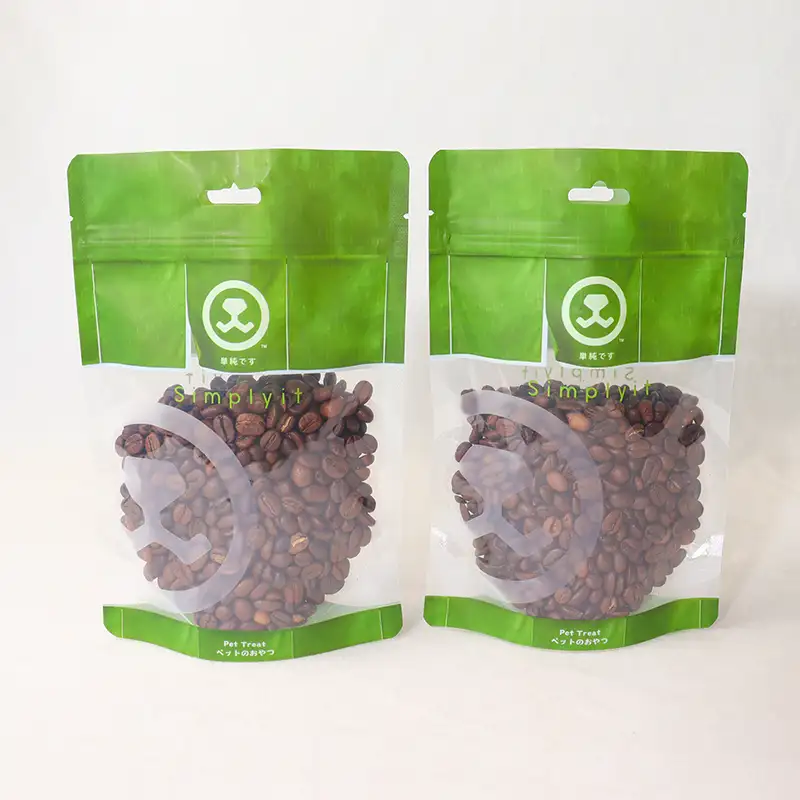
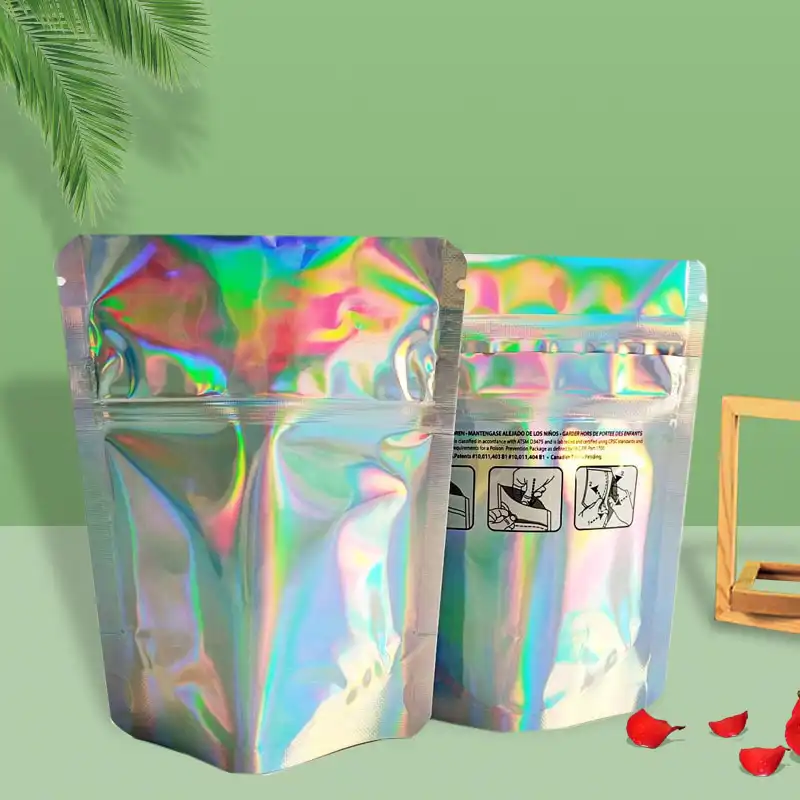
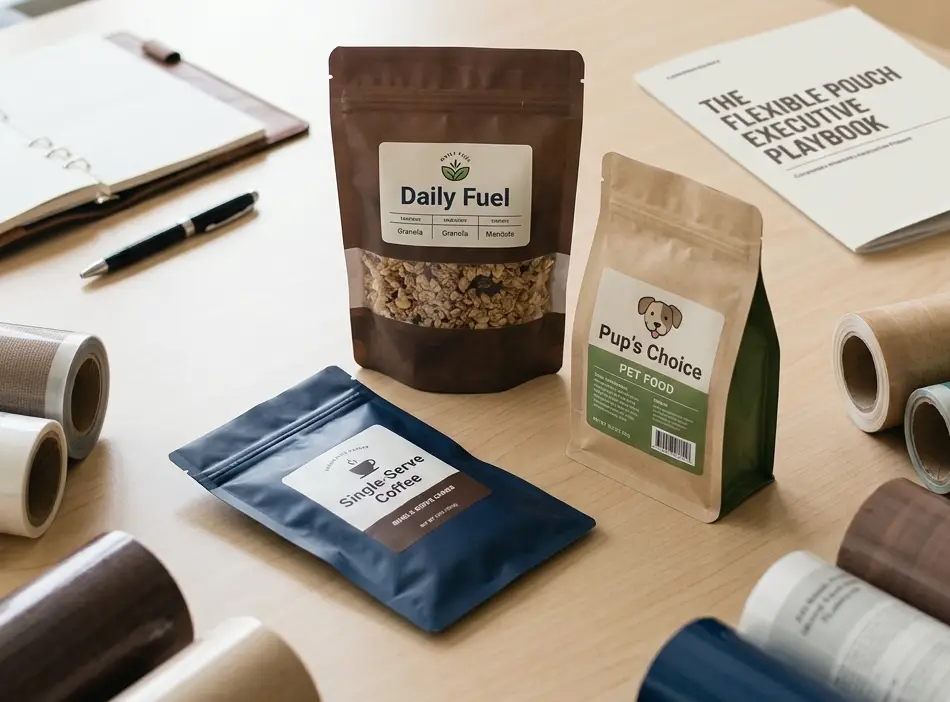
Stand-up pouches rest on a gusseted base and open up the largest printable area of any flexible format. They take zippers, spouts, valves, and tear notches, and they hold everything from snacks to supplements to liquid refills. One caution: the gusset fold creates an extra seal interface, so powders need a supplier who monitors that joint closely for leaks.
Flat (Pillow) and Three-Side Seal Pouches
Flat and three-side seal pouches use the least material of any format and run fastest on automated fill lines. They are the default for single-serve, foodservice, e-commerce, and samples, where shipping efficiency matters more than a shelf billboard. You trade display real estate for cost per unit and line speed.
Side-Gusset and Quad-Seal (Flat-Bottom) Bags
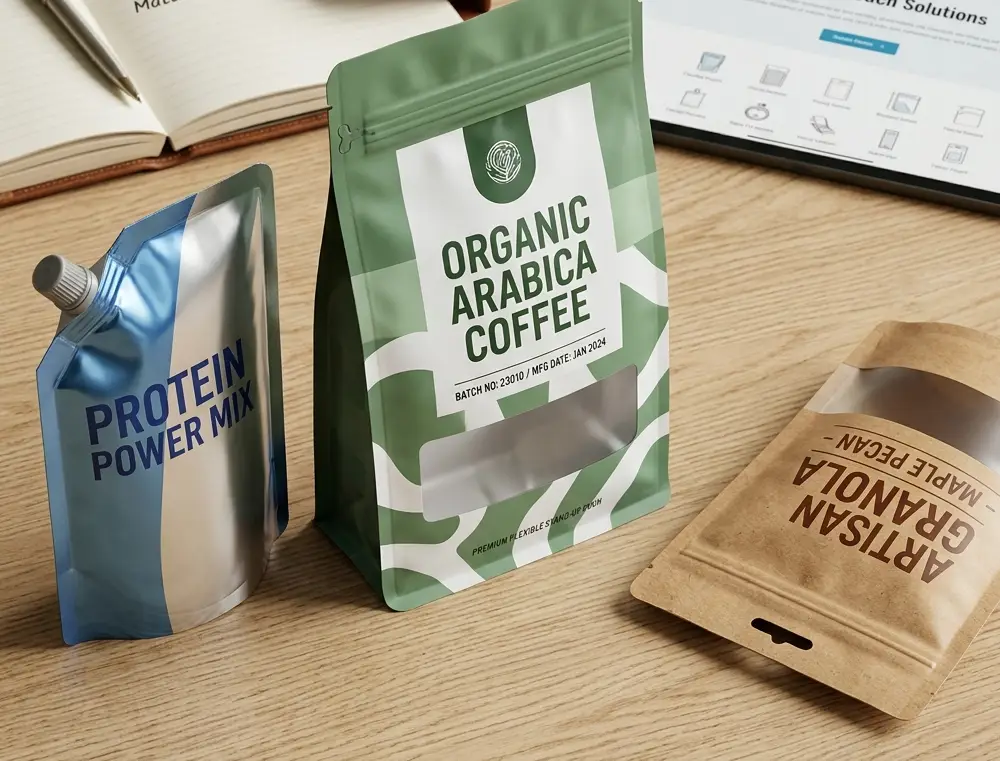
Side-gusset bags add printable panels, while quad-seal or flat-bottom bags give you a stable base plus more faces to work with. These sit in the premium tier where retail presence is the whole point — the coffee, loose-leaf, and brand-defining range of flexible packaging solutions.
Spouted and Retort Pouches
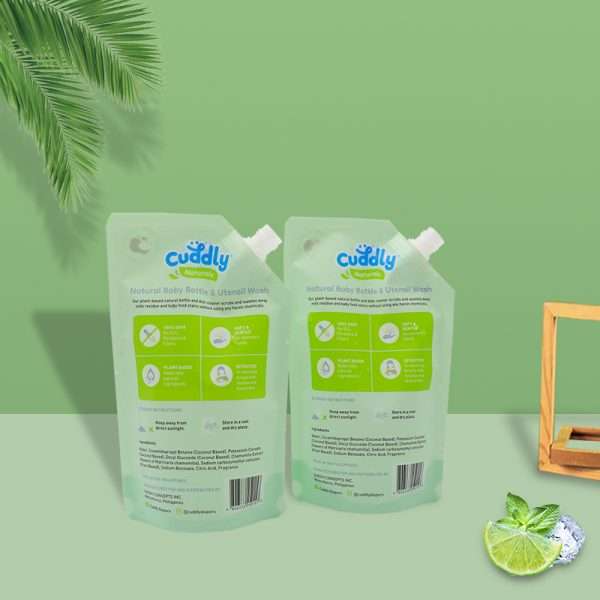
Spouted pouches handle liquids, sauces, and beverages; retort laminates survive sterilization for shelf-stable ready meals. Match spout diameter to product viscosity so the pack pours the way your customers expect, and confirm the structure is rated for the fill temperature your line runs.
| Format | Typical fill volume | Stands upright | Printable panels | Extra film vs. flat pouch | Best suited for |
|---|---|---|---|---|---|
| Flat / pillow | ~5 g–2 kg | No | 2 | Baseline | Single-serve, foodservice, e-commerce, samples |
| Stand-up (Doypack) | ~50 g–5 kg | Yes | 3–5 | +20–40% | Retail, premium, coffee, pet treats, supplements |
| Three-side seal | ~2 g–200 g | No | 2 | Low | Peg displays, single portions |
| Side-gusset | ~250 g–2 kg | Partial | 3 | Moderate | Bulk dry goods |
| Quad-seal / flat-bottom | ~250 g–5 kg | Yes | 4–6 | Higher | Premium coffee, retail-defining brands |
| Spouted | ~100 ml–3 L | Yes | 2–3 | Higher | Liquids, sauces, dairy, beverages |
Materials and Barrier Structures — Matching Protection to Product
A pouch is a set of decisions about what your product must not touch. Oxygen, moisture, light, and aroma each enter or exit through the film at a different rate, and the structure you pick decides how long your product stays the way you made it.
How Barrier Works
Oxygen spoils fats and oils. Moisture turns powders into lumps or crackers into stale. Light degrades vitamins and alters colors. Aroma escapes, so your product quietly loses the scent that drove the purchase. More layers is not automatically better — every added layer adds cost and complicates recycling. You want the structure that meets the shelf-life target and not more.
Common Structures, From Standard to Premium
PET/PE is the workhorse for dry goods with short shelf life. PET/ALU/PE adds a foil barrier for coffee, nuts, and oils. PET/EVOH/PE delivers high oxygen barrier without foil, which helps where metal detectors are an issue. For sustainability-led lines, mono-material PE/PE or BOPP/EVOH/BOPP structures are engineered to be recyclable without giving up the barrier your product needs.
Layer-by-Layer Anatomy of a Pouch
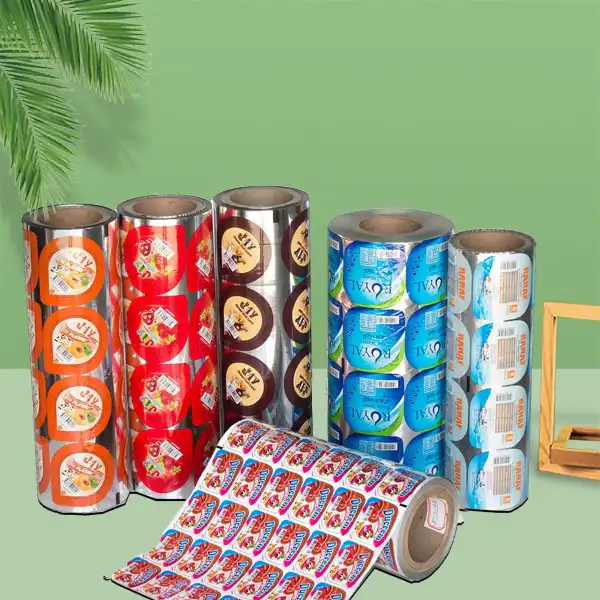
From the outside in, a pouch is an outer print web, then a barrier layer, then adhesive, then a sealant that closes the pack. The tie-layer that binds EVOH to the rest of the stack is where structures tend to fail, because EVOH is hygroscopic — it absorbs moisture from the air. A converter that understands this chemistry holds seal integrity; one that does not produces delamination down the line.
Matching Structure to Shelf Life
Barrier choice should track target shelf life in months. Under-specifying ruins the product and the brand; over-specifying pays for protection you never use. Both cost money, so lock the target before you brief the sample.
| Product profile | Protection need | Recommended structure | Shelf-life implication |
|---|---|---|---|
| Dry snacks, short shelf life | Low | PET/PE | ~6–9 months |
| Coffee, nuts, oils, fatty foods | High | PET/ALU/PE or PET/EVOH/PE | 12–24 months |
| Liquids, sauces, ready meals | High + seal integrity | Retort laminates | Shelf-stable |
| Pharma & nutraceuticals | Very high, light-sensitive | Foil-based, opaque | Extended, validated |
| Sustainability-led brands | Medium–high, recyclable | Mono-material PE/PE, MDO-PE/EVOH/PE | Offset by recyclability claim |
Functional Features and Closures
Features are where the end user actually experiences the package. Each one should be justified on an outcome your customer can feel, not on how it photographs. The table below maps function to benefit so the spec writes itself.
| Feature | Benefit | Best-fit products |
|---|---|---|
| Resealable zipper | Freshness + reuse after opening | Coffee, snacks, pet food, dried goods |
| Spout & cap | Controlled pouring, resealing | Sauces, dairy, beverages, home care |
| One-way degassing valve | CO₂ release without O₂ ingress | Fresh-roasted coffee |
| Tear notch | Clean, easy opening | All formats |
| Hang hole | Peg-rail retail presence | Single-serve |
| Clear window | Product visibility | Nuts, baked goods, pet treats |
| Matte / soft-touch finish | Premium feel | Premium retail lines |
Printing, Finishes, and Shelf Impact
Print method decides how much flexibility you get in run length. Rotogravure gives you the sharpest, most consistent graphics but carries a high setup cost, which pushes toward long runs. Digital printing removes the plate cost, so short runs, regional labels, and seasonal SKUs become economical. If your plan involves frequent artwork changes or a wide range of SKUs, digital-driven pouch flexible packaging is usually the smarter base.
Finishes are functional, not decorative. A matte or soft-touch finish signals premium and improves the tactile feel in hand. A clear window shows the product through the film, which raises perceived quality for nuts, baked goods, and treats without printing a photograph. The right finish makes the package do part of the selling for you, and the right print partner makes short orders viable.
Sustainability — Recyclable, Mono-Material, and Compostable Options
This is the part of the conversation where it is easy to be sold a promise. Enterprise buyers need to know what is technically real today and what is still waiting on infrastructure, so claims survive scrutiny with retailers, regulators, and your own customers.
Mono-Material Structures That Actually Work
PE/PE and PP/PP stacks, along with MDO-PE/EVOH/PE and BOPP/EVOH/BOPP, are the proven routes to recyclable pouches. Patent filings for simplified, recyclable structures rose roughly 40% in 2024, which tells you where the industry is investing. These are sustainable flexible packaging options you can spec today, not prototypes.
The Infrastructure Reality Check
Here is the number to sit with: only about 4% of flexible films are mechanically recycled in the United States, according to the Flexible Packaging Association. That does not mean a mono-material pouch is worthless — it means the recycling claim is a commitment to the right structure plus the right collection channel, not a guarantee by itself. Be honest about it in your own marketing.
Regulatory Pressure and the 2030 Horizon
European recyclability quotas are tightening ahead of a 2030 deadline, and extended producer responsibility rules are spreading across U.S. states. Ask your supplier today what they are doing to hit those targets, because the answer tells you whether a partner is planning for the future of flexible packaging pouches or reacting to it.
Lightweighting and Freight
Reducing material weight is the most immediate environmental lever you have, and it is also a cost lever. Flexible packs cut dimensional-weight shipping cost dramatically versus rigid containers, which is why e-commerce and club channels keep switching. Lighter film means fewer raw materials and lower freight per unit.
Bio-Based and Compostable — Where They Fit
Compostable pouches work well in controlled environments like food waste streams or industrial composting, but they are not a drop-in for every product. Ask what a supplier's compostability claim actually certifies — a home-compostable claim and an industrial-compostable claim are different standards, and most compostable films have limited barrier. Use them where the application and the end-of-life channel are both right.
Custom Procurement at Scale — How to Specify and Source
This is where a good spec prevents weeks of rework. The five biggest causes of failed samples are all traceable to an undefined input on the brief. Give a supplier a precise target and the sample either works or fails in a way you can fix quickly.
The Spec Sheet That Prevents Rework
Five inputs drive the whole structure: target shelf life, storage humidity range, fill method, seal temperature and dwell, and fill volume with product density. The most common cause of a failed sample is an undefined fill-line seal temperature. If the line runs hotter or colder than the sealant melt point, the pouch leaks or the film burns. Specify it.
Sample, Validation, and Production Lead Times
Set expectations before you brief. A structural sample typically takes 15–20 working days. Print plus structure combined runs 25–30 working days, and a surface-treatment validation adds about 5 days. A serious manufacturer will give you these numbers up front and hold to them.
Quality Checks to Demand at Incoming Inspection
Demand specific thresholds, not vague promises, in your incoming inspection. The values below are a defensible starting point.
| Check | Acceptance threshold |
|---|---|
| Adhesion (90° peel, ASTM D2861) | ≥ 1.8 N/15 mm |
| Corona surface energy (outer film) | ≥ 38 dynes/cm; re-treat below 42 |
| Heat-seal dwell, 120-micron structure | 165–175 °C |
| Seal-bar temperature tolerance | ±3 °C of validated setpoint |
How to Evaluate a Manufacturer
Look at certification, capacity consistency, and material traceability. A supplier with food-safety management systems in place and recognized certifications can evidence the hygiene and quality controls behind every run. Ask how they trace a film shipment back to raw resin, and ask what happens when a line drifts outside tolerance — the answer separates a converter who holds quality from one who patches it. YLTPACK, for example, has been building custom pouches since 2005 and operates under ISO 22000 and FDA standards, with samples available free so you can validate before you commit. The point is to find a partner who treats your spec as fixed and their process as the variable.
A Decision Framework — Product to Pack in Four Steps
Run this sequence on any new SKU and you will arrive at a spec you can defend.
- Define the product and the shelf-life target. This sets the barrier layer count.
- Define the channel. Retail display, e-commerce shipping, or foodservice changes format and print panels.
- Lock the format. Choose among stand-up, flat, side-gusset, or spouted based on volume, holding, and fill behavior.
- Specify barrier, features, and print. Match the structure to shelf life, add only the closures you need, and pick the print method that fits run length.
Frequently Asked Questions
Can a stand-up pouch be recyclable?
Yes. With a mono-material structure such as PE/PE or MDO-PE/EVOH/PE, a stand-up pouch is designed for recycling. The catch is collection infrastructure — with roughly 4% of flexible films mechanically recycled in the United States, the structure is only part of the equation. The material can be recyclable even when the system is not there yet.
What is the difference between a stand-up pouch and a flat-bottom bag?
A stand-up pouch stands on a gusseted base and typically offers three to five printable panels. A flat-bottom (quad-seal) bag has a distinctly flat base, stands more rigidly, and gives you more printable faces plus a wider billboard for graphics. Flat-bottom bags generally use more film but deliver stronger shelf presence and a sturdier footprint.
How do I know which barrier my product needs?
Match the barrier to your target shelf life and what the product is sensitive to. Dry snacks with a six-to-nine-month target do fine on PET/PE. Coffee, nuts, and oils want a 12-to-24-month barrier from PET/ALU/PE or PET/EVOH/PE. Liquids and ready meals need retort laminates. When in doubt, send your product profile to a manufacturer and ask them to propose the lightest structure that meets your shelf-life target.
What is the minimum order quantity for custom pouches?
It depends on print method, not on a fixed rule. Rotogravure requires a long run to absorb setup cost, while digital printing enables much shorter runs and frequent artwork changes. Bring your annual volume and per-SKU breakdown, and a manufacturer will tell you which method fits without wasting material.
How long does a custom pouch order take to produce?
Plan for a structural sample in roughly 15–20 working days, print plus structure combined in about 25–30 working days, and around 5 more days if surface treatment needs validation. Production lead time after approval depends on volume, so confirm it before you brief.
Can I add a clear window and a resealable zipper together?
Yes, and it is a common combination. A clear window shows the product, which helps with nuts, baked goods, and pet treats, while a zipper keeps it fresh after opening. Just confirm the window placement with your print plan so the graphics and the opening feature do not compete.
How do I make sure a supplier can hold seal integrity on my fill line?
Give the supplier your exact fill-line seal temperature and dwell up front and demand a sample that matches it. Insist on defined acceptance thresholds for adhesion, corona surface energy, and seal-bar temperature tolerance. If a supplier asks for your line settings before running the sample, that is a good sign they intend to make it work on your machinery.
Next Steps — Get Your Pouch Spec Right the First Time
You now have everything needed to brief a pouch that fits the product, the channel, and the shelf-life target without overpaying for protection you do not need. The fastest way to get there is to run the spec once with a manufacturer who will validate it against your actual line.
YLTPACK has built custom flexible pouch packaging since 2005, manufacturing to your product, channel, and machinery under ISO 22000 and FDA standards — and we will send you a sample so you can test it before you commit. Send your spec or product details — target shelf life, storage humidity range, fill method, seal temperature, and fill volume — and receive a tailored pouch structure recommendation and a realistic sample lead time, with no obligation.
Email your spec to [email protected] and get your structure recommendation.