Why Brands Love Transparent Pouches in the First Place
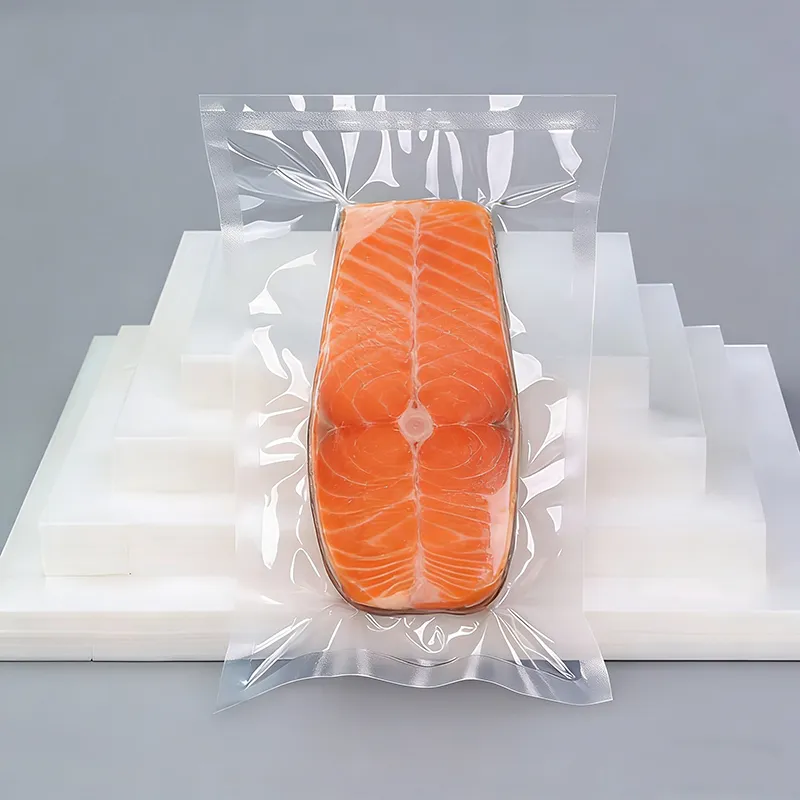
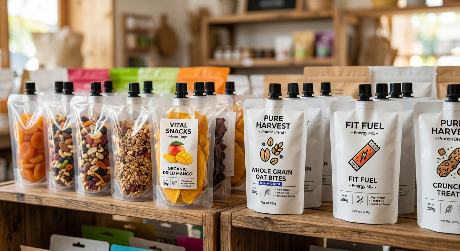
Shoppers trust what they can see. Research on packaging psychology shows that a majority of consumers feel more confident buying food when they can view the actual product. That's a powerful pull.
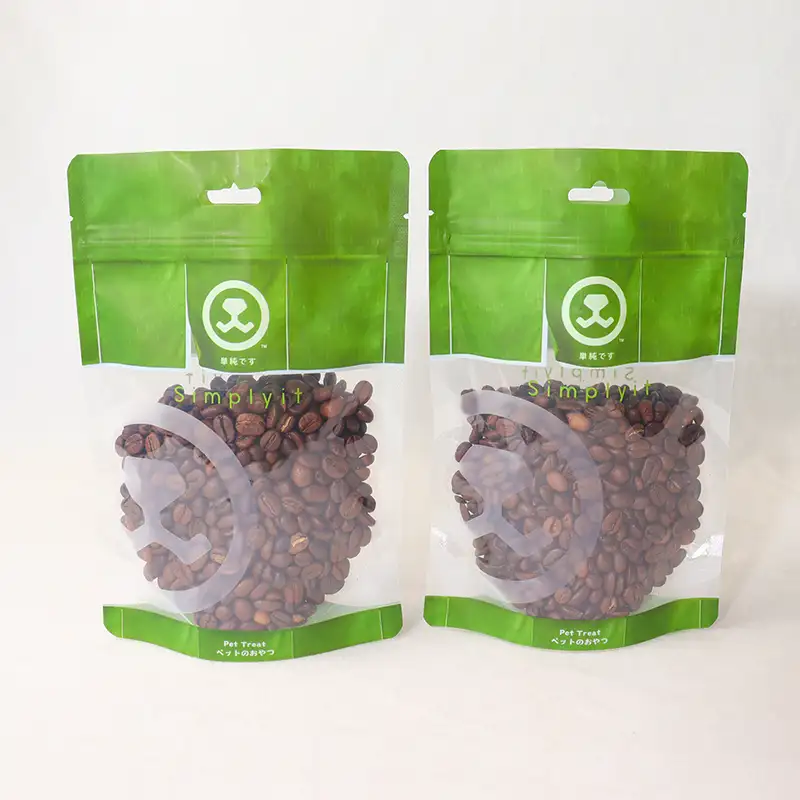
For categories like cold-pressed juice, honey, or premium pet treats, ingredient visibility isn't a nice-to-have—it's the whole pitch. A transparent stand up pouch lets the color, texture, and "realness" do the selling.
- Vibrant liquids look premium through clear film
- Unboxing and social media moments feel authentic
- Buyers can spot quality (or settling, or separation) instantly
So the visual upside is real. The question is whether you pay for it in freshness.
Does Seeing Through the Pouch Actually Shorten Shelf Life?
Here's the truth that surprises a lot of people: clarity and barrier protection are two separate things. A film can be perfectly transparent and highly protective at the same time.
Shelf life is determined by three factors:
- Oxygen transmission rate (OTR) — how much oxygen sneaks in
- Moisture vapor transmission rate (MVTR) — how much humidity passes through
- Light exposure — UV and visible light degrading color, vitamins, and oils
A poorly built clear film fails on all three. A well-engineered one performs almost as well as foil. The difference is in the layers, not the look.
The Light Factor — Where Transparency Has a Real Trade-Off
This is the one honest weakness. Light-sensitive products—think omega-rich oils, vitamin C drinks, or certain dairy—can degrade faster under full transparency. UV breaks down nutrients and can cause oxidation.
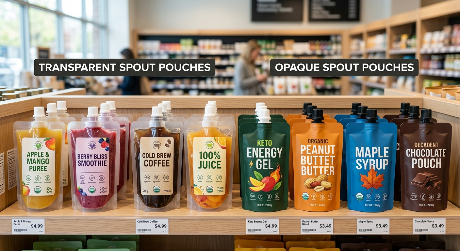
The fix isn't going fully opaque. You can add a UV-blocking layer or a partial window. Working with brands across North America, we've found that a strategic clear "window" plus a protective base solves most light concerns.
Film Structures Compared: Clarity vs. Protection
Let me put real numbers on the table. As a manufacturer that has produced flexible packaging for 20+ years, here's how common structures stack up for a liquid spouted pouch.
| Film Structure | Transparency | Oxygen Barrier | Light Block | Typical Shelf Life Impact |
|---|---|---|---|---|
| PET/PE (basic clear) | Excellent | Low | None | Shortest — weeks |
| PET/EVOH/PE (clear high-barrier) | Excellent | High | Low | 6–12 months |
| PET/AlOx/PE (transparent metal-oxide) | Very Good | Very High | Moderate | 12+ months |
| Foil laminate (opaque) | None | Highest | Complete | Longest — 18+ months |
Notice the second and third rows. You get near-foil protection while staying see-through. That's the sweet spot for most brands who refuse to give up visibility.
How to Keep Clarity AND Maximize Freshness
You don't have to choose. Here's a practical checklist we walk customers through when they want flexible spouted bags that stay clear and protective.
- Match barrier to product, not to looks. Acidic juices need more oxygen protection than thick sauces.
- Add EVOH or AlOx layers for oxygen-sensitive contents without losing transparency.
- Use a UV-resistant coating for light-sensitive nutrients or oils.
- Consider a partial window if your product is extremely light-reactive.
- Verify seal integrity around the spout—most leaks and spoilage start there.
Because we hold FDA and ISO 22000 certifications, we always recommend matching food-contact film grades to the actual fill temperature and pH. A hot-fill juice needs different layers than a cold detergent.
The Spout Itself Matters More Than People Think
A beautiful clear body with a weak spout closure is a recipe for oxygen ingress. The cap thread, gasket, and weld quality decide whether your shelf life claim holds.
In our 6,800㎡ cleanroom facility, spout welding is controlled to reduce micro-leaks—the silent culprit behind premature spoilage in many imported pouches.
Real-World Example: A Cold-Pressed Juice Brand
One beverage startup came to us convinced their see-through packaging was killing shelf life. Their juice browned within 10 days. The reality? They were using basic PET/PE with almost no oxygen barrier.
We switched them to a transparent EVOH structure—same crystal-clear look, dramatically better protection. Result: shelf life extended past 90 days refrigerated, with no color shift complaints. The transparency was never the problem; the film spec was.
The lesson: blaming clarity for spoilage is like blaming the window for a cold room. It's the insulation behind it that counts.
Choosing the Right Pouch for Different Products
Different categories have different priorities. Here's a quick guide based on what we see from brands ordering in volume.
| Product Type | Top Priority | Recommended Approach |
|---|---|---|
| Cold-pressed juice | Oxygen + light | Clear EVOH + UV coating |
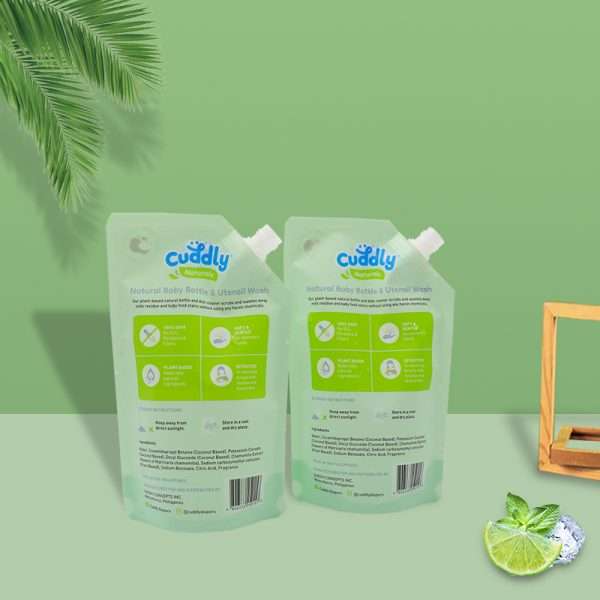
| Liquid detergent / soap | Durability + reuse | Thick transparent PET/PE, leak-proof spout |
| Baby food puree | Food safety + clarity | High-barrier, BPA-free film |
| Honey / syrup | Moisture barrier | Clear high-MVTR structure |
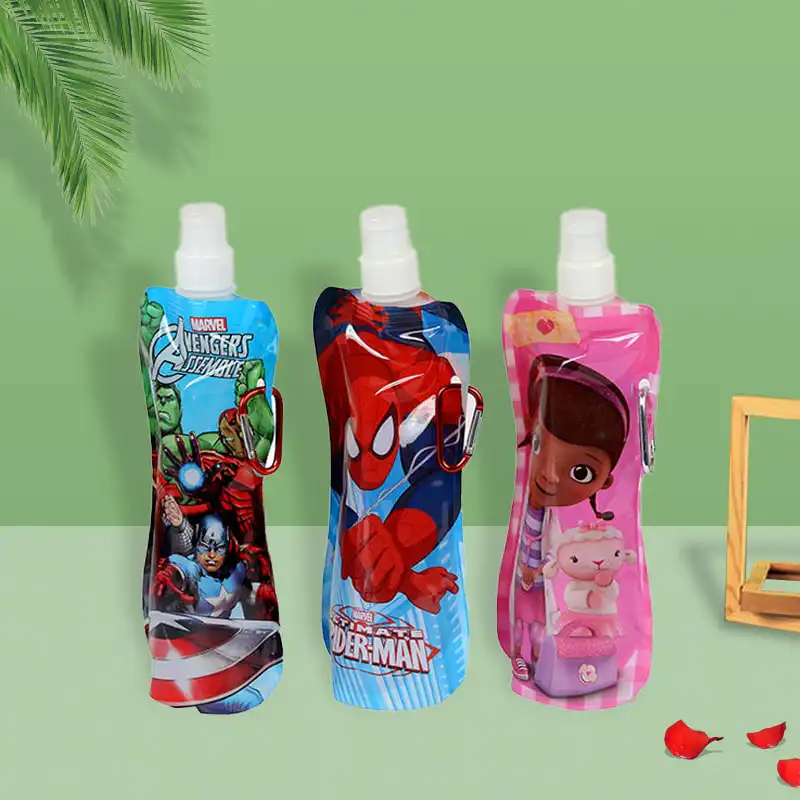
| Sports drinks | Portability | Lightweight reusable design |
For non-food liquids, a reusable see-through spouted pouch gives that refillable, eco-friendly appeal customers increasingly ask for. For families with little ones, a BPA-free transparent pouch is non-negotiable on the safety checklist.
Practical Tips for Brands Ordering in Volume
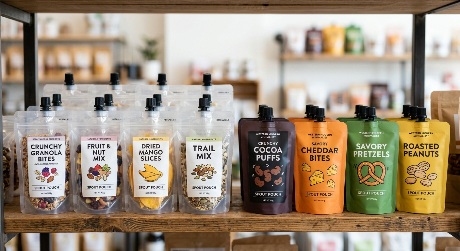
If you're sourcing larger quantities, the conversation shifts from "what looks nice" to "what stays consistent across thousands of units." Here's what to lock down early.
- Request film spec sheets with OTR and MVTR values, not just photos.
- Ask for a shelf-life simulation matched to your product's pH and storage temperature.
- Confirm spout compatibility with your filling line to avoid downtime.
- Add a handle option for larger formats—a transparent pouch with handle improves usability for 1L+ liquids.
Our in-house design team often helps brands who only have a rough sketch turn it into a print-ready, barrier-correct package. That early input prevents costly reprints later.
A Note on Wholesale and Bulk Ordering
When you move into larger runs, consistency is everything. Brands looking for clear stand up pouch wholesale options should prioritize a supplier who controls film lamination and spout welding under one roof.
That single-source control is exactly why customers needing see-through plastic packaging in bulk value working with a true factory rather than a trading middleman—fewer hands, fewer quality surprises.
The Bottom Line
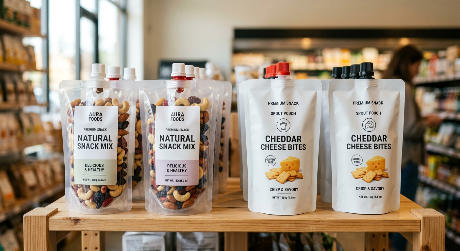
So, does going transparent shorten shelf life? Only if you choose the wrong film. With the right barrier layers and a properly welded spout, your packaging can be both stunningly clear and impressively long-lasting.
Transparency sells trust. Barrier protects freshness. The smart move is engineering both into the same package—and that's entirely achievable today.
If you're weighing options for your next launch, we're happy to talk through your product's specific needs and recommend a structure that fits. Reach the YLTPACK team at WhatsApp +86 182 1944 5665 or [email protected], and we'll help you balance shelf appeal with shelf life.
Frequently Asked Questions
Does a see-through pouch always have a weaker oxygen barrier?
No. Clear films with EVOH or transparent metal-oxide layers can match foil-level oxygen protection. The transparency comes from the outer layers; the barrier sits in the middle. You can absolutely have both.
Are transparent pouches safe for baby food and beverages?
Yes, when made with food-grade, BPA-free materials and verified seals. We recommend confirming the film carries proper food-contact compliance and matches your product's fill temperature and acidity before committing to a run.
How much does light really affect product inside a clear pouch?
It mainly affects light-sensitive items—oils, vitamins, and some colors. For these, a UV-blocking coating or a partial window solves the issue while keeping most of the visible product on display.
Can I get a reusable, refillable transparent pouch design?
Absolutely. A reusable see-through pouch with spout works well for detergents, sports drinks, and refill programs. Thicker film and a sturdy resealable cap make repeated use practical and leak-resistant.
What's the most common mistake brands make with transparent packaging?
Choosing basic PET/PE because it's cheaper, then blaming clarity when the product spoils. The fix is selecting the right barrier structure from the start—your supplier should guide this based on your actual product, not guesswork.