Are Squeezable Baby Food Pouches Actually Safe? The Short Answer
Yes, when made correctly, these flexible packages are a safe way to serve purees, provided the film is food-grade, BPA-free, and produced under strict hygiene controls. The catch is in the details: material selection, barrier quality, and manufacturing environment all decide whether a package protects or compromises what's inside.
What Goes Into a Food-Grade Pouch? Materials Matter Most
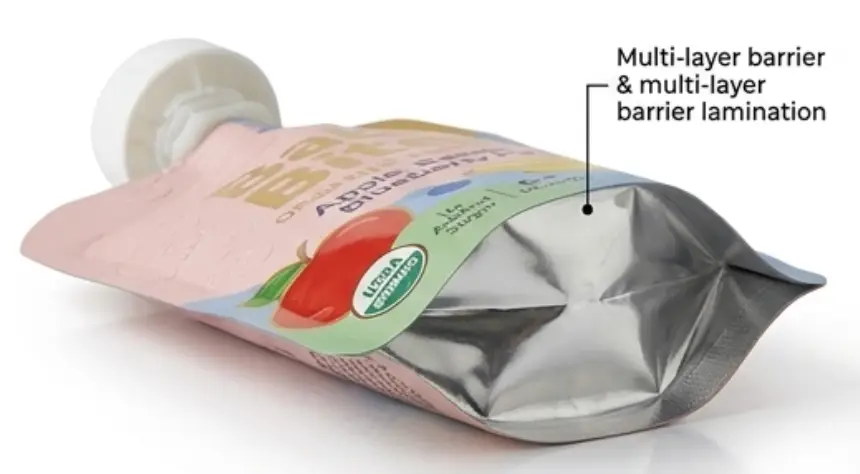
The package your puree sits in is not one single plastic. It's a laminate, usually three to five layers bonded together, each doing a specific job. Understanding this structure helps you ask smarter questions when sourcing.
The Layer Breakdown
- Outer layer (PET): Carries the print and gives the package its scuff resistance.
- Middle barrier (aluminum foil or metallized film): Blocks oxygen, light, and moisture, the three enemies of shelf life.
- Inner sealant (food-grade PE or CPP): The only layer that touches the food, so it must meet strict migration limits.
Some brands prefer a clear window instead of foil, using EVOH or an aluminum-oxide coating to keep the barrier while showing off the product. That choice affects both shelf life and how a parent perceives freshness.
Why BPA-Free Is the Baseline, Not the Bonus
Parents scan labels for one phrase above all: BPA-free. When it comes to spout pouch baby food bpa free safety, the good news is that modern food-grade laminates rarely contain bisphenol-A in the first place. Still, you want written confirmation.
Because we hold FDA and ISO 22000 certifications, we recommend asking any supplier for material declarations covering BPA, phthalates, and heavy metals. A verbal "it's safe" is not the same as documentation you can hand to a retailer or regulator.
Are These Pouches Genuinely Safe for Infants?
When parents ask whether these packages are truly appropriate for their little ones, the honest answer involves both the material and how the food is used. On the packaging side, a properly made laminate poses no chemical risk to a baby.
The nuance around whether are spout pouch baby food safe for babies usually comes down to feeding habits, not the film itself. Pediatric dental groups note that constant sipping from any spout can affect emerging teeth, and slow feeding limits a child's exposure to textures. That's a usage conversation, not a packaging defect.
For your product, the takeaway is simple: a safe package plus clear on-pack guidance (like "squeeze onto a spoon") reassures parents and heads off criticism before it starts.
Pouch vs Jar: Which Format Wins on Safety?
This is one of the most searched comparisons, and the answer is more balanced than either camp admits. Glass and flexible film each have real strengths.
| Factor | Flexible Pouch | Glass Jar |
|---|---|---|
| Breakage risk | None (won't shatter) | Can break, sharp shards |
| Oxygen barrier | Excellent with foil/EVOH | Excellent, but seal-dependent |
| Weight (shipping) | ~85% lighter | Heavy, higher freight cost |
| Tamper visibility | Requires clear cap band | Pop-button lid |
| Recyclability | Improving (mono-material options) | Widely recyclable |
| Content visibility | Optional clear window | Fully visible |
The debate around spout pouch vs jar baby food safety often ignores the shipping angle. Flexible formats cut freight weight dramatically, which matters when you're moving thousands of units. For breakage-prone retail shelves and stroller side pockets, the unbreakable option often wins on real-world safety.
Working with brands across North America, we've found that many launch with pouches for portability, then add jars for the "premium pantry" perception. Format is a positioning decision as much as a safety one.
The Mold Question: What Every Buyer Should Understand
A few years back, headlines about mold inside flexible packages rattled parents. It's worth addressing head-on because it shapes purchasing decisions today.
Most spout pouch baby food mold safety concerns trace back not to the film, but to a compromised seal or an under-processed product. If air sneaks in through a weak seam, or if the puree wasn't heat-treated correctly, spoilage follows regardless of how good the plastic is.
How Manufacturing Prevents It
- Seal integrity testing: Every batch should pass burst and leak checks.
- Clean production environment: Airborne contaminants must be controlled during filling and lamination.
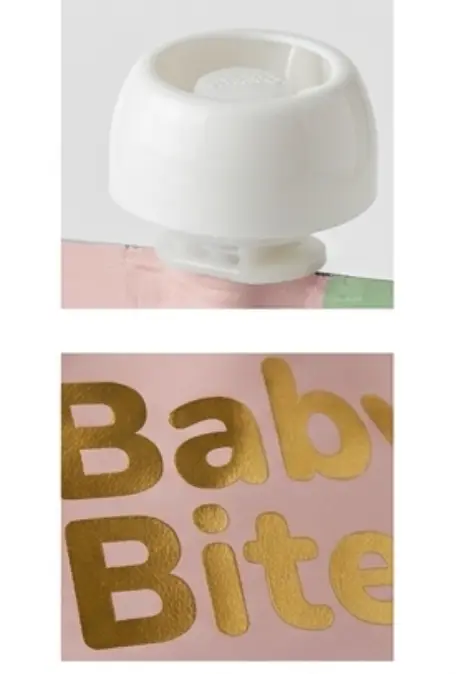
- Proper spout welding: The fitment-to-film weld is a common failure point if rushed.
In our 6,800㎡ cleanroom facility, we hold seal strength to tested tolerances precisely because a single weak weld can undo an otherwise perfect product. The package is only as safe as its weakest seam.
Certifications and Documents You Should Demand
When you're ordering in volume, paperwork is your protection. If a problem ever surfaces, these documents show you did your due diligence.
| Certification | What It Proves | Why It Matters to You |
|---|---|---|
| FDA compliance | Food-contact material is approved | Legal to sell in the US market |
| ISO 9001 | Consistent quality management | Fewer defective batches |
| ISO 22000 | Food safety management system | Reduced contamination risk |
| GRS | Verified recycled content | Supports eco claims honestly |
As a manufacturer that has produced packaging for 20+ years, we've seen brands get burned by suppliers who claim compliance but can't produce the certificates. Always request the actual documents, not screenshots, before signing off on a run.
Choosing a Trustworthy Supplier for Your Brand
Picking a partner is where many first-time founders stumble. Here's a practical checklist to run through before you commit.
Supplier Vetting Checklist
- Do they hold current FDA and food-safety certifications you can verify?
- Can they share material migration test reports?
- What's their environment like, controlled and clean, or an open workshop?
- Do they support custom spout sizes and child-safe caps?
- Will they help you with artwork and structure if you only have a rough concept?
That last point matters more than people expect. Our in-house design team often helps brands who arrive with just a flavor idea and a logo, turning it into print-ready, shelf-ready packaging.
Shoppers researching the safest spout pouch baby food brands 2026 usually reward transparency, so a supplier who openly shares testing data helps your brand story too.
Design Details That Protect Both Baby and Brand
Beyond the film itself, small structural choices carry big safety weight. These are the features savvy parents notice.
- Choke-safe spout diameter: Caps should meet child-resistance standards so they can't be swallowed.
- Tamper-evident band: A visible ring tells parents no one opened it first.
- Double-notch or laser-scored tear: Easy opening without scissors near a baby.
- Recyclable mono-material film: Increasingly expected by eco-minded parents.
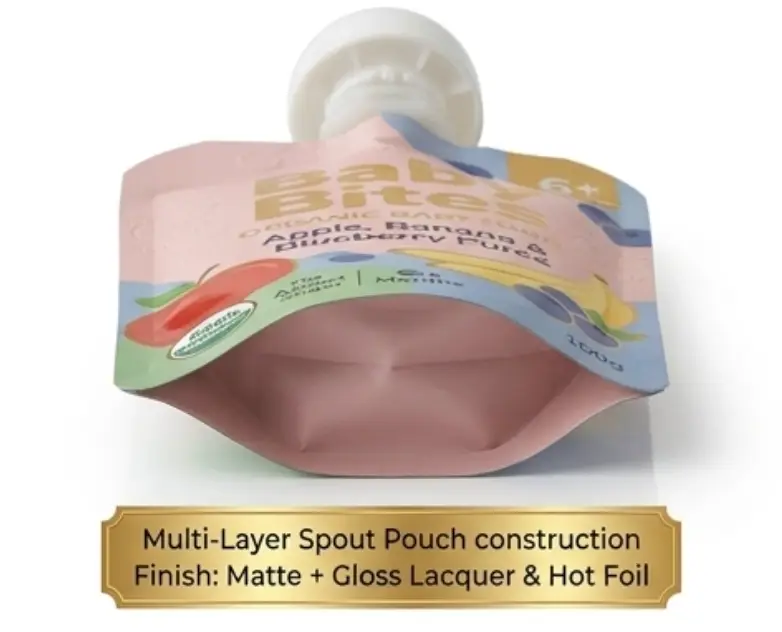
Parents feeding on the go also care about the unboxing and first-use moment. A clean, well-printed package with a smooth spout signals care, and that perception directly shapes repeat purchases.
Quick Recap: Making the Safe Choice
The safety of a puree package comes down to three pillars: food-grade BPA-free materials, verified certifications, and a clean, controlled production process. Get those right and the flexible format is both convenient and reliable.
When comparing suppliers, prioritize documentation and manufacturing conditions over promises. The right partner protects your customers and your reputation at the same time. If you'd like help scoping a custom run, YLTPACK's team can walk you through materials, testing, and design, reach us on WhatsApp at +86 182 1944 5665 or email [email protected].
Frequently Asked Questions
Do flexible baby food packages leach chemicals into the puree?
Properly made food-grade laminates are tested against migration limits, meaning any transfer stays well below safety thresholds. Ask your supplier for migration test reports covering BPA, phthalates, and heavy metals to be certain.
How long do these pouches keep food fresh?
With a foil or EVOH barrier and a solid seal, shelf life commonly reaches 12 to 18 months at ambient temperature. The exact figure depends on the recipe, filling process, and barrier structure you choose.
Can I get a clear window to show the product inside?
Yes. Transparent panels using metallized or aluminum-oxide coatings keep a strong barrier while letting parents see the contents. It's a popular choice for brands emphasizing clean ingredients.
What minimum order quantity should I expect for custom printing?
Minimums vary by structure and print method, and pricing is quoted based on your specific size, layers, and volume. Sharing your target launch quantity early lets a supplier recommend the most cost-effective setup.
Are recyclable options available for these packages?
Mono-material recyclable films are improving fast and now offer barrier performance close to traditional laminates. If sustainability is central to your brand, ask specifically for GRS-backed or recycle-ready structures.