Quick Answer: How to Use a Spout Pouch in 4 Simple Steps
、
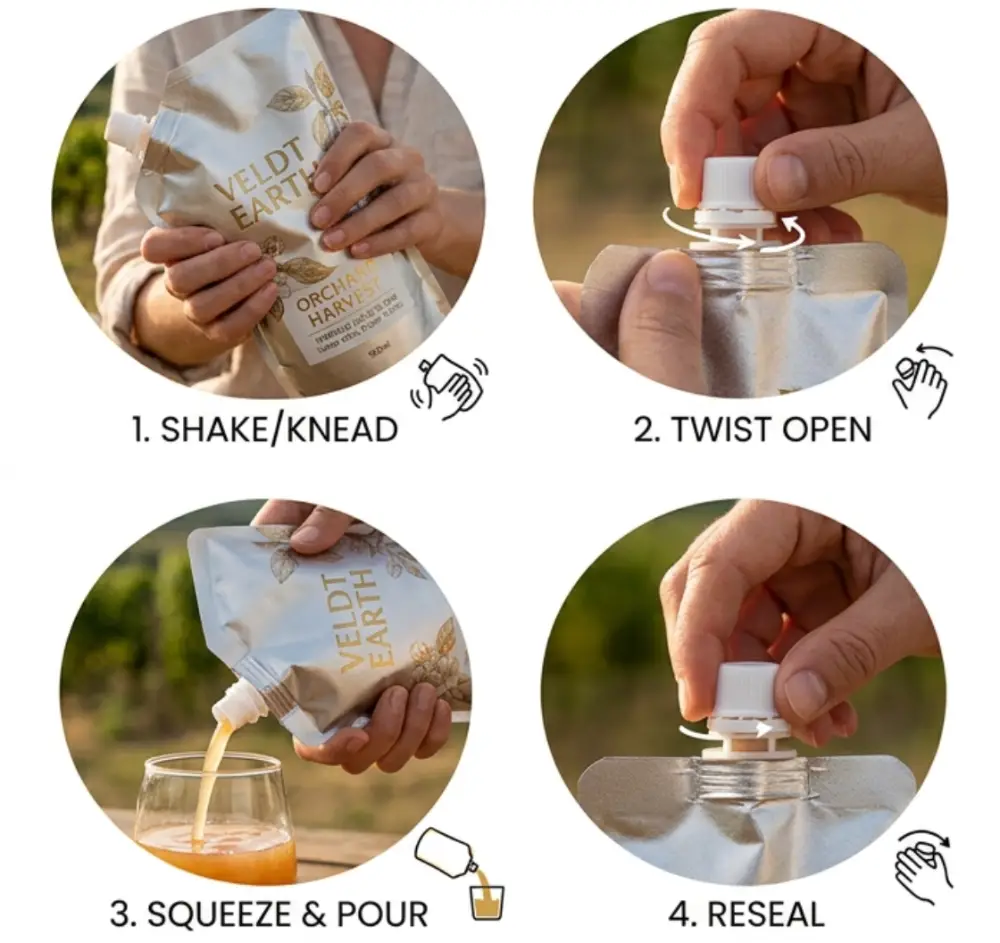
The 4-Step Cheat Sheet
- Shake or knead the pouch to mix settled contents.
- Twist the cap counterclockwise until it releases.
- Squeeze gently from the bottom while pointing the spout where you want it.
- Reseal by twisting the cap clockwise until snug.
What Exactly Is a Spout Pouch?
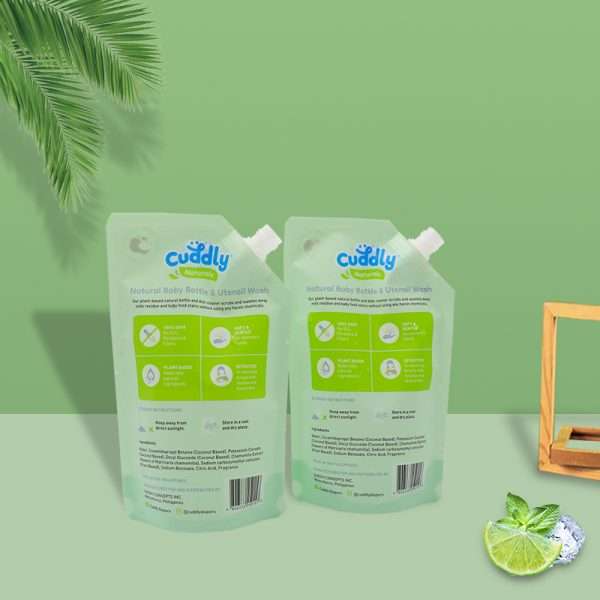
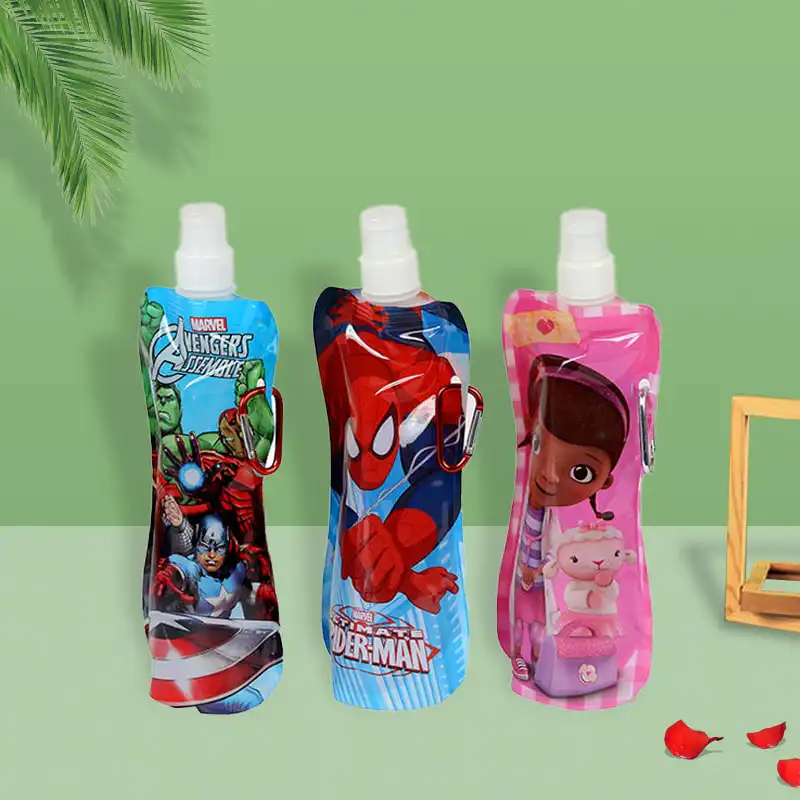
A spout pouch is a flexible, stand-up bag with a small plastic fitment and screw cap on top or in a corner. Think of it as a bottle and a bag having a very practical baby. It stands upright on a shelf, yet flattens as it empties.
You'll see these packs everywhere now: smoothies, sauces, cosmetics, motor oil, even wine. The format took off because it uses far less plastic than a rigid bottle while offering the same convenience.
According to packaging industry data reported through 2025, flexible pouches with fitments continue to grow at double-digit rates in food and beverage categories. Brands love the shelf presence. Shoppers love the ease.
Why Brands and Shoppers Keep Choosing This Format
- Lightweight: ships flat, cuts freight costs and emissions.
- Resealable: the cap keeps contents fresh between uses.
- Portable: tucks into a bag, lunchbox, or gym kit.
- Print-friendly: the wide surface is a canvas for branding.
How to Open a Spout Pouch Without the Mess
Here's where most people fumble. Opening a pouch seems obvious until juice sprays across your kitchen. The trick is understanding the seal beneath the cap.
How to open a spout pouch cleanly comes down to three moves: hold it upright, twist the cap counterclockwise, and check for an inner foil seal or tamper band. Some caps come pre-attached with the pouch already sealed underneath; others have a peel-off membrane you'll need to remove first.
Step-by-Step Opening
- Keep the pouch vertical so contents settle at the bottom.
- Grip the cap firmly and rotate counterclockwise.
- If there's a plastic tamper ring, it will snap free on the first turn.
- Peel any foil membrane straight up and away from your face.
- Pause before squeezing. Pressure builds inside, especially with carbonated or warm liquids.
Working with brands across North America, we've found that the most common mistake is squeezing before the cap is fully off. That's what causes the surprise splash.

How to Fill a Spout Pouch Correctly
If you're a maker, refiller, or small brand founder, filling matters as much as opening. Overfill and you'll blow the seal. Underfill and the pouch looks limp on the shelf.
Learning how to fill a spout pouch starts with leaving proper headspace. Aim to fill to about 85 to 90 percent of capacity. That gap lets the pouch flex, seal cleanly, and survive transport without stress cracks.
Filling Best Practices
| Factor | Recommendation | Why It Matters |
|---|---|---|
| Fill level | 85–90% of volume | Prevents seal blowout and allows flex |
| Product temperature | Below 185°F / 85°C for hot fill | Protects film integrity |
| Fill method | Through the spout with a funnel or filler | Keeps the seal area clean |
| Cap torque | Follow fitment spec (varies) | Too tight cracks threads; too loose leaks |
Keep the spout threads free of product. A drop of sauce or oil on the threads is the number-one reason caps leak later. Wipe before you cap.
As a manufacturer that has produced flexible packaging for over 20 years, we've seen that matching the right film structure to your product prevents most fill-line headaches before they start.
How to Use Spout Pouch Packs for Baby Food
Parents have specific worries, and rightly so. Baby food demands cleanliness, easy dispensing, and zero choking hazards. The good news is these packs were practically made for the job.
When figuring out how to use spout pouch for baby food, the priority is hygiene at every step. Always check the tamper seal is intact before the first use. Warm the pouch in a bowl of warm water, never the microwave, since hot spots can burn a little mouth.
Safety Checklist for Little Ones
- Inspect the cap and seal before opening. Skip it if the band is broken.
- Squeeze a small amount onto a spoon to test temperature.
- Once opened, use within the timeframe on the label, usually 24 hours refrigerated.
- Supervise self-feeding to avoid rapid squeezing.
- Toss any pouch with a bulging body or off smell.
Because we hold FDA and ISO 22000 certifications, we recommend food-grade, BPA-free fitments for any pack that touches infant nutrition. It's the kind of detail that protects both babies and brands.
How to Seal a Spout Pouch at Home
Maybe you buy in bulk and portion into pouches yourself, or you run a small kitchen business from home. Sealing well is what keeps your product fresh and safe.
For anyone learning how to seal a spout pouch at home, the cap does most of the work. Twist clockwise until you feel firm resistance, then a quarter turn more. For pre-made pouches without a pre-applied fitment, a handheld impulse sealer closes the top edge in seconds.
Home Sealing Toolkit
| Tool | Use Case | Notes |
|---|---|---|
| Screw cap | Everyday resealing | Hand-tighten; don't overtorque |
| Impulse heat sealer | Sealing open-top pouches | Choose width matching film thickness |
| Clip or clamp | Temporary closure | Not airtight; short-term only |
Store sealed pouches upright in a cool, dry spot. Heat and sunlight degrade both the contents and the film over time.
How to Reuse Spout Pouches Safely
Sustainability-minded shoppers ask this a lot, and it's a fair question. These packs feel too sturdy to toss after one use.
If you're curious about how to reuse spout pouches, the answer depends on what was inside. Pouches that held shelf-stable, low-risk contents like water or dry snacks can be rinsed and refilled a few times. Anything that held dairy, meat, or homemade purees should be recycled, not reused, because bacteria hide in the fitment threads.
Reuse Do's and Don'ts
- Do rinse immediately with warm, soapy water.
- Do air-dry fully upside down before refilling.
- Don't reuse pouches that held perishable or fatty foods.
- Don't put them in a dishwasher; heat warps the film.
For refillable programs at scale, some brands now specify thicker, food-safe films built for multiple cycles. Our in-house design team often helps brands who only have a rough idea of what "reusable" should mean for their specific product.
Common Problems and Quick Fixes
Even a great pack can act up. Here's how to troubleshoot the usual suspects fast.
| Problem | Likely Cause | Fix |
|---|---|---|
| Cap leaks | Product on threads or loose cap | Wipe threads, retighten |
| Pouch won't stand | Underfilled or damaged base gusset | Fill to spec; check bottom seal |
| Contents spray on opening | Pressure buildup | Open slowly, point away |
| Hard to squeeze | Thick contents or narrow spout | Knead pouch; choose wider fitment |
| Seal splits | Overfilling or weak film | Reduce fill level; upgrade film gauge |
Choosing the Right Pouch for Your Product
Here's the part that separates a pack that delights customers from one that frustrates them. The pouch has to match the product, not the other way around.
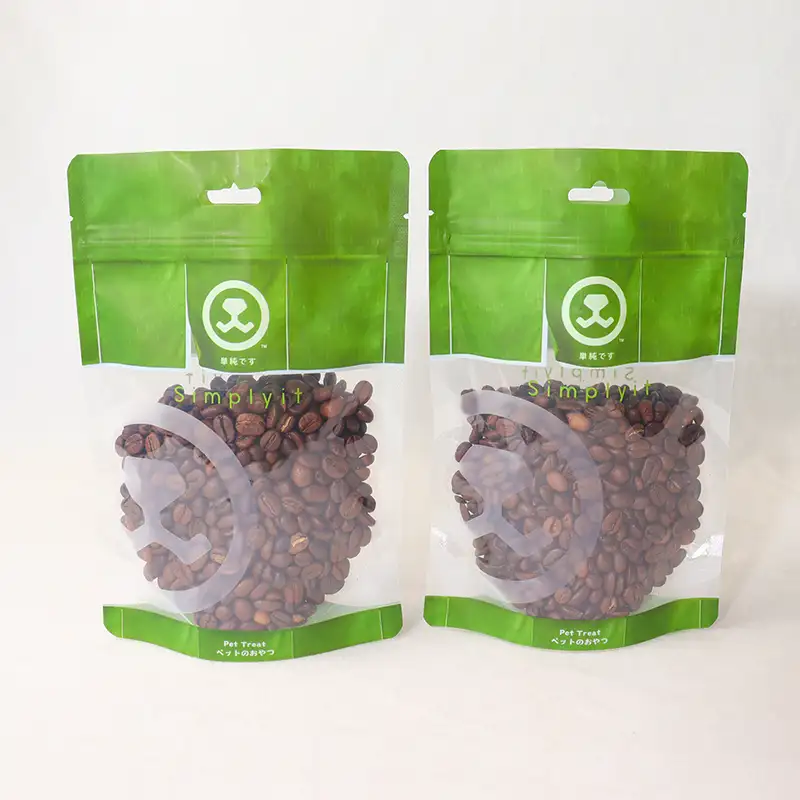
Consider your contents first. A thin juice needs a different fitment size than a thick tahini or a chunky pet food gravy. Oxygen-sensitive products like coffee or nut butters need a high-barrier film to keep them fresh and aromatic.
Match the Pack to the Product
- Beverages and smoothies: smaller spouts, clear or matte finish for shelf appeal.
- Baby food and purees: food-safe fitments, tamper-evident caps, rounded corners.
- Cosmetics and serums: premium matte or spot-gloss finishes that shine in unboxing videos.
- Pet food: wide spouts and clear ingredient panels, since owners scrutinize what's inside.
- Household liquids: larger caps, thicker film for heavier fills.
In our 6,800㎡ cleanroom facility, we produce pouches with barrier layers tuned to each category, so a coffee brand gets aroma protection while a cosmetics brand gets that Instagram-ready finish.

Sustainability: What Shoppers Ask in 2026
Environmental impact drives more buying decisions every year. Many shoppers now check whether a pouch is recyclable before adding it to the cart.
Mono-material pouches, made from a single plastic type, are far easier to recycle than mixed-layer laminates. Recycled-content and GRS-certified films are also gaining traction with brands that want to back up their green claims with proof.
If sustainability is central to your product story, it pays to plan the material early. Retrofitting a recyclable structure after launch is costly and slow.
Custom Pouches for Growing Brands
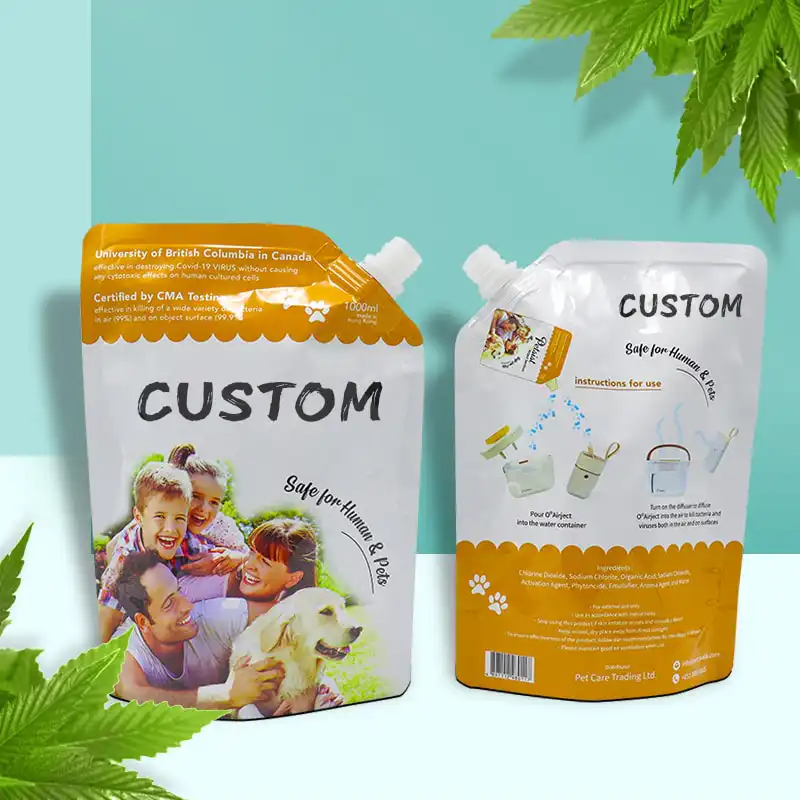
If you're moving beyond off-the-shelf packaging, custom pouches unlock branding, better fitments, and material choices that fit your exact product. This is where a lot of founders feel stuck, unsure where to begin.
You don't need finished artwork or technical specs to start. A clear idea of your product, fill volume, and shelf life is enough for a conversation. From there, film structure, spout size, and finish all fall into place.
YLTPACK works directly as a source factory, which means fewer middlemen between your idea and the finished pack. If you want to talk through options, reach out on WhatsApp at +86 182 1944 5665 or email [email protected]. Bring your questions; we'll help you weigh the tradeoffs.
Key Takeaways
Getting the most from a fitment pouch really comes down to a few habits. Open it upright, squeeze from the bottom, wipe the threads, and reseal snugly. For makers, respect the fill line and match the film to your contents.
These packs save space, cut waste, and keep products fresh, but only when the design fits the job. Whether you're a parent, a home cook, or a brand founder, the same principle holds: the right pack quietly does its job and lets the product shine.
Frequently Asked Questions
Can I microwave a spout pouch?
Not unless the label explicitly says it's microwave-safe. Most fitments and films aren't rated for microwave heat, which can melt the cap or create dangerous hot spots. Warm the pouch in a bowl of warm water instead.
How long does a pouch stay fresh after opening?
It depends on the contents. Shelf-stable items may last days at room temperature, while perishables like purees or dairy should be refrigerated and used within about 24 hours. Always follow the label guidance.
Are these pouches recyclable?
Some are, some aren't. Mono-material pouches are widely recyclable, while multi-layer laminates often are not accepted curbside. Check for a recycling label, or ask your supplier which structure they used.
Why does my cap keep leaking?
The usual culprit is product residue on the spout threads or a cap that isn't tightened enough. Wipe the threads clean, then twist the cap clockwise until firm. If it still leaks, the fitment size may not match the pouch.
What's the minimum I need to know before ordering custom pouches?
Just three things to start: what goes inside, how much each pouch holds, and how long it needs to stay fresh. With those details, a design team can recommend the right film, spout, and finish. Artwork and specs can come later.