Spout Pouch, Bottle, or Carton: The Quick Answer First
Short on time? Here's the honest verdict. If you want lightweight shipping, eye-catching shelf presence, and lower freight costs, a spout pouch usually wins. If your product needs a premium feel, easy resealing, and long-term rigidity, a bottle makes sense. Cartons sit in between, best for shelf-stable liquids sold in bulk.
The truth is there's no universal champion. The right choice depends on your product, your customers, and how far your goods travel. Let's break down the real trade-offs so you can decide with confidence.
Why This Decision Matters More Than You Think
Packaging is the first thing a shopper touches and the last thing they judge you on. It shapes perceived quality, affects your margins, and quietly decides whether your product survives a bumpy delivery truck.
Working with brands across North America, we've found that the most common mistake is picking a format based on habit rather than data. A juice startup copies a competitor's bottle without asking whether a flexible pouch would cut freight in half.
So before you commit to tooling and minimum orders, it pays to understand what each container actually does well.
Meet the Three Contenders
The Spout Pouch: Light, Flexible, Modern
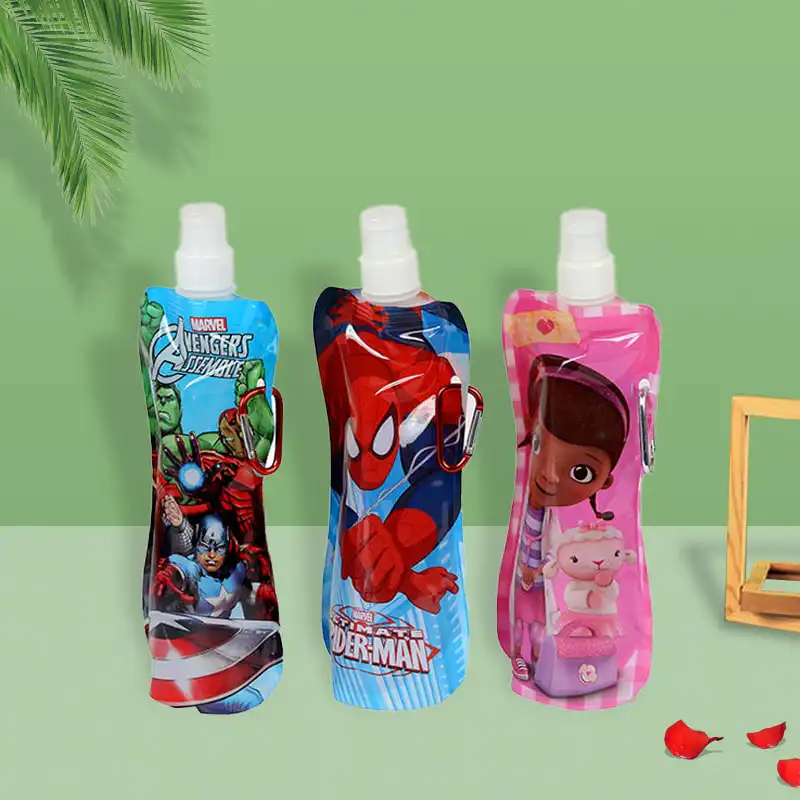
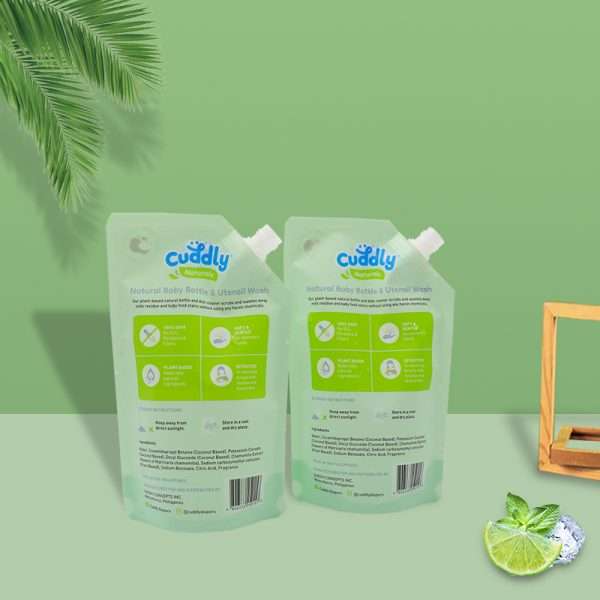
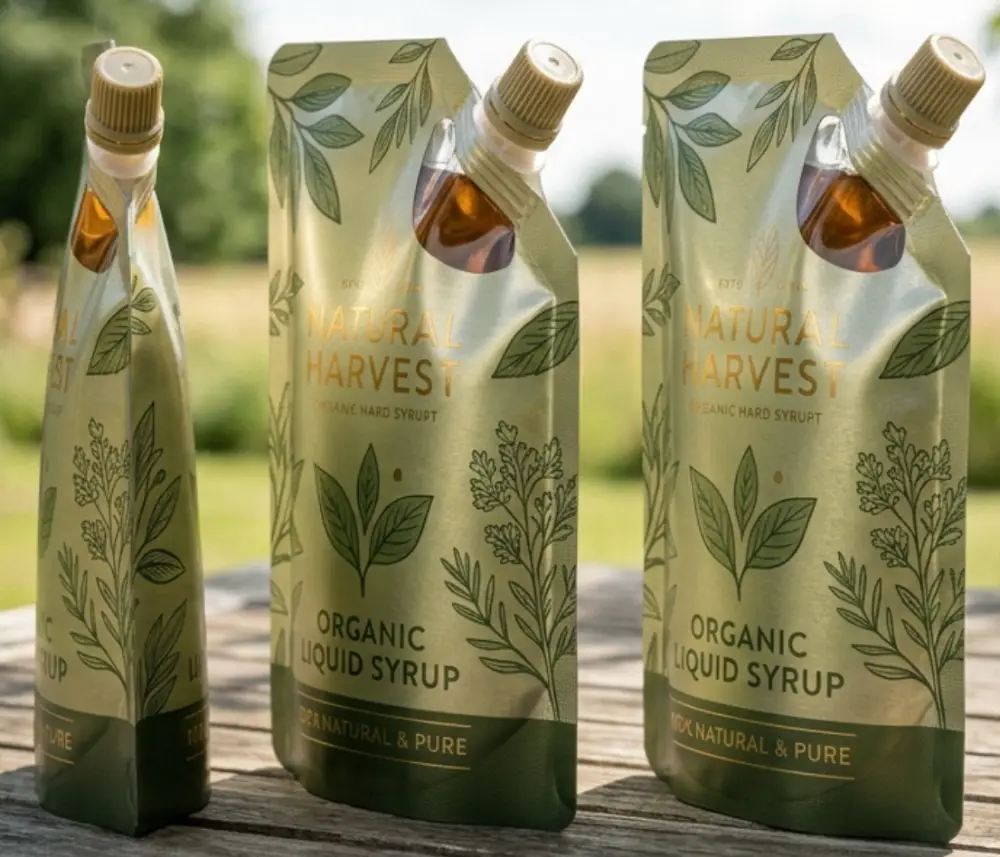
A spout pouch is a flexible stand-up bag with a small screw cap or spout. It ships flat, weighs a fraction of rigid options, and hugs a smaller footprint in a shipping box.
You'll see these on smoothies, liquid detergent refills, cold-brew coffee, and baby purees. They feel current, and younger buyers associate them with convenience and less waste.
The Bottle: Sturdy and Familiar
Bottles, whether PET plastic or glass, offer rigidity and a reassuring heft. They're easy to reseal, easy to pour, and they stand tall on a shelf without support.
For premium olive oils, cold-pressed juices, or supplements, a bottle can signal quality that a soft bag sometimes struggles to match.
The Carton: The Bulk-Friendly Middle Ground
Cartons, the boxy laminated containers you know from milk and plant-based drinks, excel at shelf-stable liquids. They stack neatly, use renewable paperboard, and protect contents from light.
Their weakness? Resealing and premium branding options are limited compared to the other two.
Head-to-Head: A Side-by-Side Comparison
Numbers make decisions easier. The table below summarizes typical performance across the factors buyers ask us about most. Figures reflect general industry ranges as of early 2026 and vary by product and design.
| Factor | Spout Pouch | Plastic Bottle | Carton |
|---|---|---|---|
| Empty weight (500ml) | 8–15 g | 20–40 g | 25–35 g |
| Shipping efficiency | High (ships flat) | Low (ships full volume) | Medium |
| Shelf presence | Strong, modern | Strong, premium | Functional |
| Resealability | Good (cap) | Excellent | Limited |
| Material use per unit | Lowest | Highest | Medium |
| Break resistance | High (won't shatter) | Medium (PET) / Low (glass) | High |
| Custom shape freedom | High | Medium | Low |
What About Cost? A Realistic Comparison
Let's talk money, because it drives most decisions. When you run a proper cost comparison spout pouch vs plastic bottle packaging, the picture shifts once you look beyond the unit itself.
A rigid bottle often carries lower per-piece pricing at very high volumes. But it's heavier and takes up more space, so your freight bill climbs, especially on long routes.
Flexible pouches flip that math. They cost more per material square inch sometimes, yet ship flat and weigh less, trimming warehousing and transport. For products crossing oceans, that difference adds up fast.
Because pricing depends on your fill volume, artwork, barrier needs, and order size, the smartest move is a landed-cost calculation, not a sticker-price glance. As a manufacturer that has produced packaging for 20+ years, we usually map this out with clients before they lock anything in.
Sustainability: Which Option Is Kinder to the Planet?
Shoppers care, and so should you. A fair question we hear constantly: are spout pouches more eco-friendly than bottles? The answer is nuanced.
Flexible bags use dramatically less raw material and produce fewer transport emissions thanks to their light weight. On a per-product basis, they often have a smaller carbon footprint.
The catch is recyclability. Traditional multi-layer pouches are harder to recycle than a single-material PET bottle. That's changing quickly, though.
Because we hold FDA and ISO 22000 certifications and work with recyclable mono-material and GRS-certified recycled films, we can now build pouches that keep the weight advantage while improving end-of-life recovery. If green claims matter to your buyers, ask about these newer laminates.
Quick tip: A lighter package that ships more units per truck can lower your overall emissions even if the material itself is trickier to recycle. Look at the whole lifecycle, not one stat.
Shelf Life and Product Protection
Your container is a barrier against oxygen, light, and moisture, the three enemies of freshness. Get this wrong and you'll field complaints about off-flavors or spoilage.
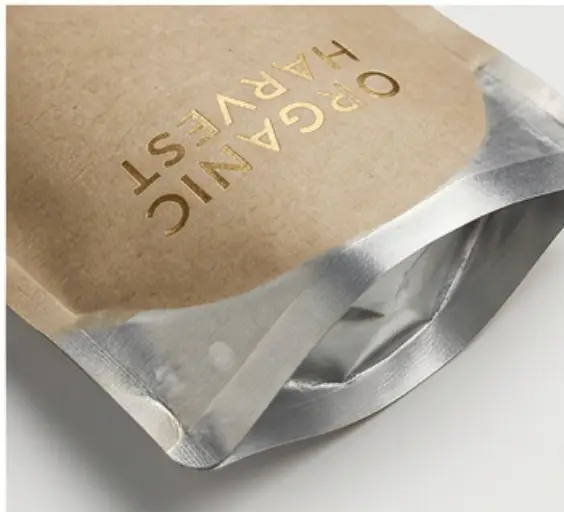
When comparing spout pouch vs bottle shelf life for beverages, high-barrier pouches with foil or metallized layers can rival or beat clear plastic bottles by blocking light and oxygen more effectively.
Glass still leads for products needing an absolute barrier and a long stable life. But for juices, functional drinks, and dairy alternatives, a well-built pouch protects contents impressively well.
In our 6,800㎡ cleanroom facility, we test barrier structures against target shelf-life goals, because a coffee brand and a hot-sauce brand need very different film builds.
Industry Note: It's Not One-Size-Fits-All
A cold-brew coffee needs a strong oxygen barrier to protect aroma and prevent staleness. A liquid soap refill cares more about puncture resistance and a leak-proof spout. Matching the structure to the contents is where real expertise shows.
The Baby Food Question
Few categories illustrate the debate better than infant purees. Parents scanning shelves weigh convenience, safety, and mess in seconds.
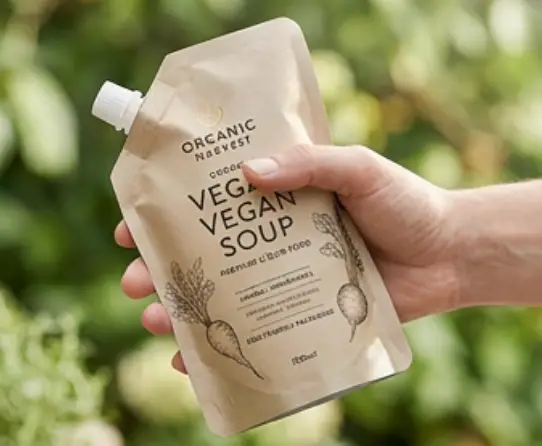
When considering spout pouch vs bottle for baby food, the flexible option has quietly taken over much of the category. Babies can self-feed, caps prevent spills, and the format is squeezable and travel-friendly.
That said, some parents still prefer see-through jars to inspect texture and color. Transparency reassures them about ingredients, a sentiment brands ignore at their peril.
Our in-house design team often helps brands who only have a rough idea, adding clear windows or clean labeling to pouches so caregivers feel the same confidence a jar gives them.
Branding and the Unboxing Moment
Packaging is marketing you don't pay for twice. A distinctive shape or finish earns free attention on shelves and social feeds.
Pouches offer generous print real estate and custom die-cut shapes, great for products that live on Instagram. Matte finishes, spot gloss, and unusual silhouettes photograph beautifully.
Bottles win when heritage and premium cues matter. A weighty glass form communicates craft in a way film sometimes can't.
Think about where your product gets discovered. If it's a phone screen, flexibility and bold graphics carry more weight than rigidity.
How to Choose: A Simple Decision Checklist
Still weighing options? Run through this quick list. If you answer "yes" to most items in a column, that's your likely direction.
Lean Toward a Flexible Pouch If:
- You ship long distances and want to cut freight costs
- Your buyers value convenience and portability
- You want distinctive shelf and social-media presence
- You're launching and want lower tooling commitment
- Lightweight, unbreakable packaging suits your channel
Lean Toward a Bottle If:
- Your product signals premium or heritage quality
- Repeated resealing and easy pouring are essential
- Customers expect to see the liquid clearly
- You need maximum rigidity on the shelf
Lean Toward a Carton If:
- You sell shelf-stable liquids in higher volumes
- Stacking efficiency and paperboard renewability matter
- Premium finish and resealing are lower priorities
Common Mistakes to Avoid
Even seasoned buyers stumble here. A few patterns come up again and again in our conversations with growing brands.
- Judging on unit price alone. Freight and storage can erase apparent savings.
- Skipping barrier testing. A pretty package that lets your product spoil costs far more in returns.
- Ignoring the fill line. Your filling equipment may favor one format, so check compatibility early.
- Overlooking recyclability claims. If you promise "eco-friendly," make sure the structure backs it up.
Bringing It All Together
So, which is the best packaging for liquid products pouch or bottle? It depends on your priorities, but the decision gets simple once you know them.
Choose flexibility for lighter shipping, modern appeal, and lower launch risk. Choose rigid formats for premium positioning and effortless resealing. And weigh cartons for bulk, shelf-stable lines.
Whatever direction fits, the details, barrier layers, spout type, finish, recyclability, are what separate a package that performs from one that disappoints.
At YLTPACK, we help brands match the right structure to their product, their route to market, and their sustainability goals. If you're weighing options and want a straight, no-pressure assessment, reach us at WhatsApp +86 182 1944 5665 or [email protected], and we'll walk through the trade-offs with you.
Frequently Asked Questions
Do flexible pouches leak more than bottles?
Not when built correctly. Modern spouts and heat-sealed seams are highly leak-resistant. Quality depends on film thickness, seal integrity, and the spout fitment, all of which are controllable during production.
Can I put carbonated drinks in a pouch?
Carbonation is challenging for flexible formats because internal pressure stresses the seams. Rigid bottles handle fizz far better. If you need carbonation, a bottle is the safer bet, though specialized pouch structures exist for mild effervescence.
Which option has the longest shelf life?
It varies by structure. Glass and high-barrier foil pouches offer the strongest protection against oxygen and light. A well-designed pouch can match or exceed a clear plastic bottle, so match the barrier to your product's needs rather than assuming.
Are flexible pouches more expensive to produce?
Per unit, sometimes yes, but total landed cost often lands lower because they ship flat and weigh less. Always compare the full cost, including freight and storage, not just the piece price.
What's the minimum order to get started with custom packaging?
It varies by format and finish. Flexible options often allow lower entry commitments than bottle tooling, which makes them popular with newer brands. Share your volume and design goals, and we can outline realistic starting points for your situation.