The Quick Answer: Which Coffee Bag Keeps Beans Fresher?
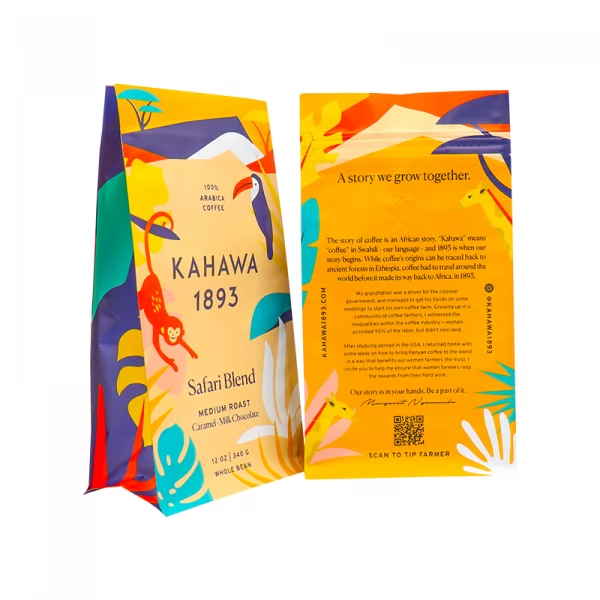
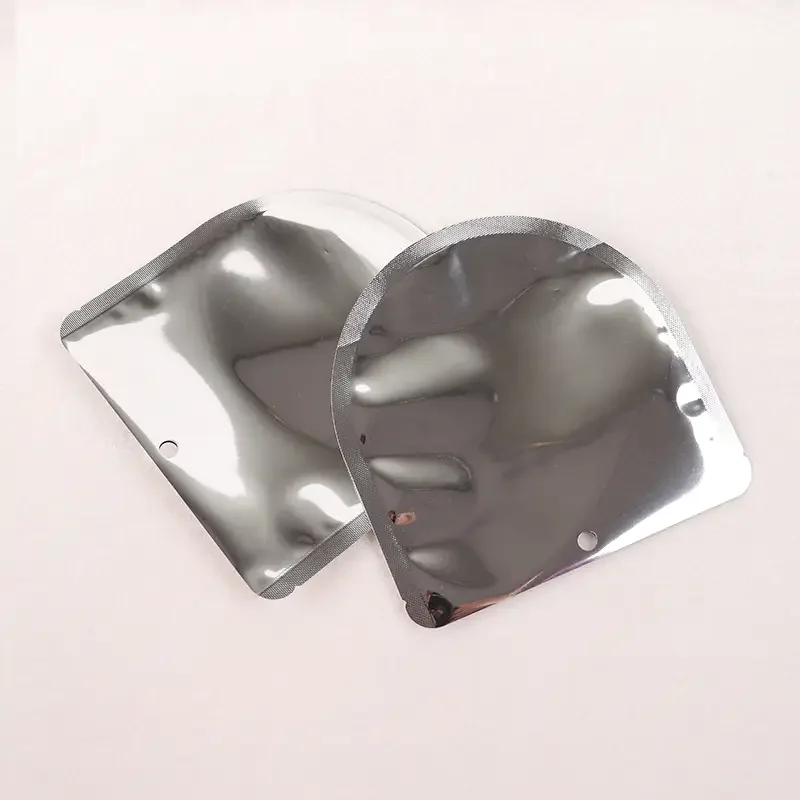
If you want the short version, foil-lined packaging wins for freshness, hands down. The aluminum layer blocks oxygen, light, and moisture far better than a see-through pouch. When we compare an aluminum foil coffee bag vs clear bag, the foil option can extend shelf life from a few weeks to several months.
That said, transparent packaging has its own appeal, and the right choice depends on your beans, your customers, and how fast product moves off the shelf. Let's break it all down so you can make a confident decision.
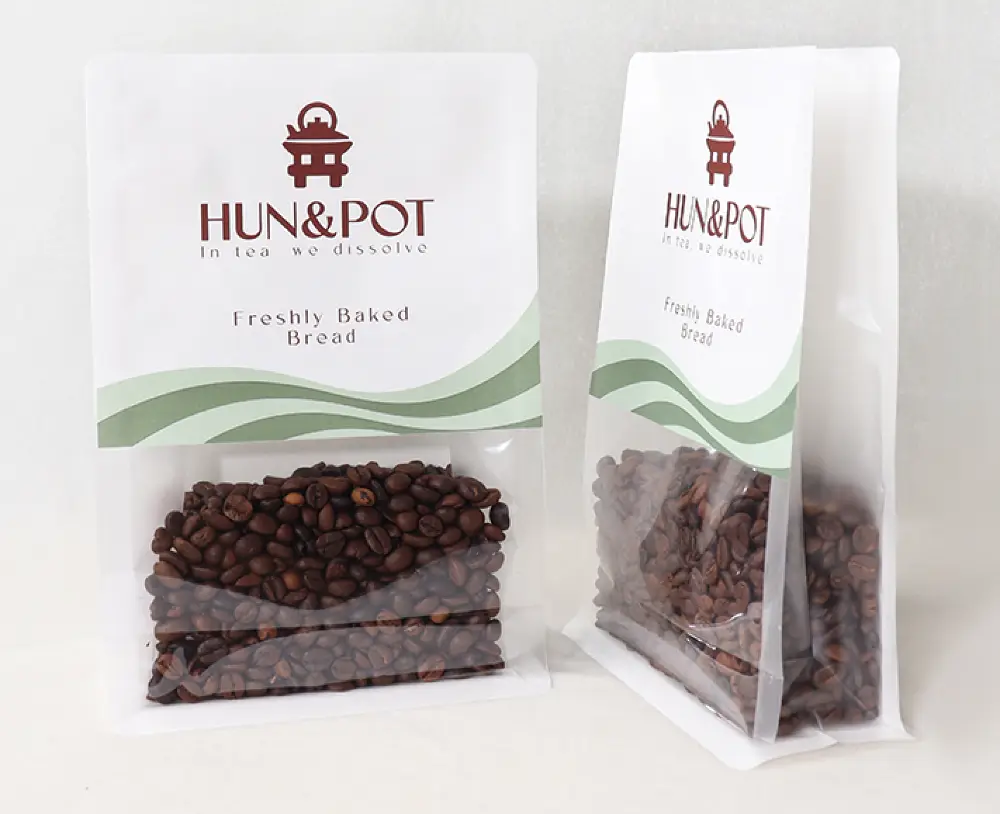
Why Freshness Is Everything in Coffee Packaging
Coffee is surprisingly fragile. The moment beans are roasted, they start releasing carbon dioxide and slowly losing the volatile aromatic compounds that make each cup taste alive.
Four enemies attack your roast: oxygen, light, moisture, and heat. Oxygen causes oxidation, which turns oils rancid. Light degrades flavor molecules. Moisture invites staleness and clumping.
So the real question isn't just about looks. It's about how well your packaging fights those four threats over time. That's where material choice becomes make-or-break.
The Role of Oxygen Barriers and Aroma Retention
Here's the technical heart of it. A packaging material's ability to block oxygen is measured by its oxygen transmission rate, or OTR. The lower the number, the better the protection.
Aluminum foil laminates deliver a near-zero OTR, meaning almost no oxygen sneaks through. That's why serious roasters lean on foil structures to lock in aroma and preserve that fresh-roasted character customers pay for.
Aluminum Foil Coffee Bags vs Clear Plastic Coffee Bags: The Core Comparison
Let's put the two side by side. When weighing aluminum foil coffee bags vs clear plastic coffee bags, the differences show up across every metric that matters for shelf life.
| Protection Factor | Foil-Lined Pouch | Transparent Pouch |
|---|---|---|
| Oxygen barrier (OTR) | Near-zero (excellent) | Moderate to high (weaker) |
| Light protection | Blocks 100% of light | Little to none |
| Moisture barrier | Very strong | Fair |
| Typical shelf life | 9–12 months | 2–4 weeks after opening |
| Product visibility | None (needs a window) | Full visibility |
| Shelf appeal | Premium, controlled | Fresh, honest look |
The numbers speak for themselves on preservation. Foil structures simply outperform when the goal is keeping beans fresh for months, not weeks.
Do Clear Coffee Bags Affect Freshness?
Yes, and it's mostly about light. UV and visible light break down chlorogenic acids and aromatic oils, which dulls flavor faster than many roasters expect.
A fully transparent pouch also tends to use thinner barrier films, so oxygen creeps in more easily. For fast-moving beans sold within a couple of weeks, that's fine. For anything sitting longer, it's a real risk.
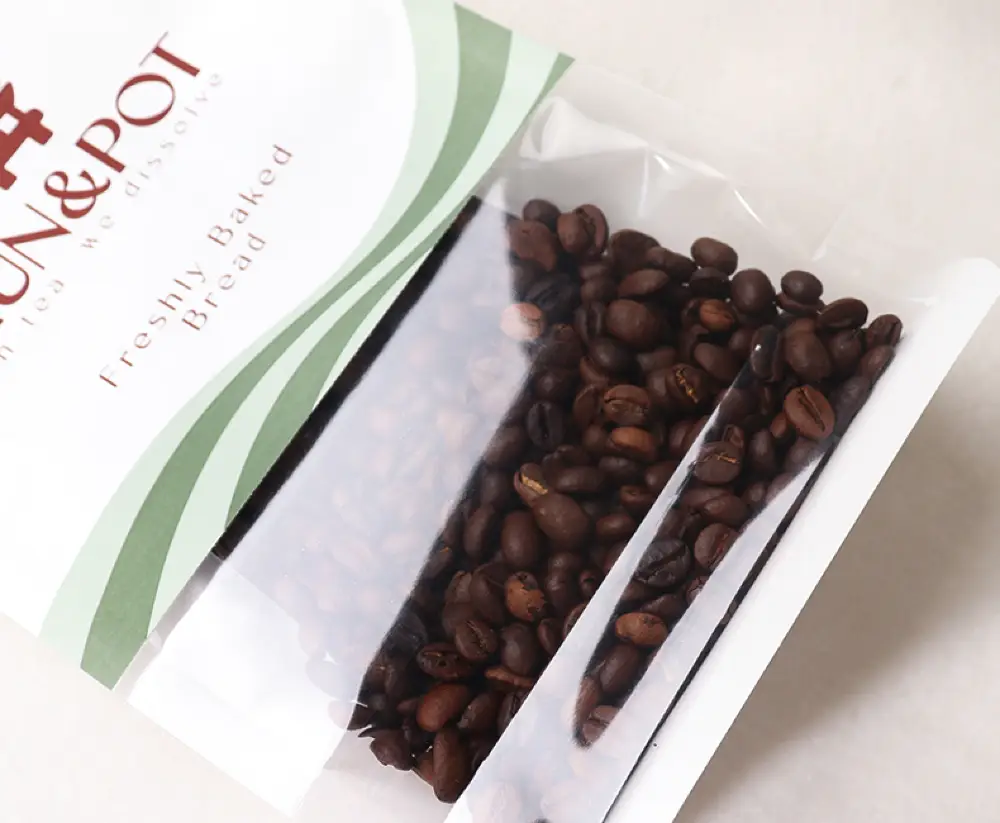
When Transparent Packaging Actually Makes Sense
Don't write off the clear option too quickly. There are genuine scenarios where showing the product wins customers over.
- Fast turnover: Local roasters selling beans within days benefit from visibility without freshness loss.
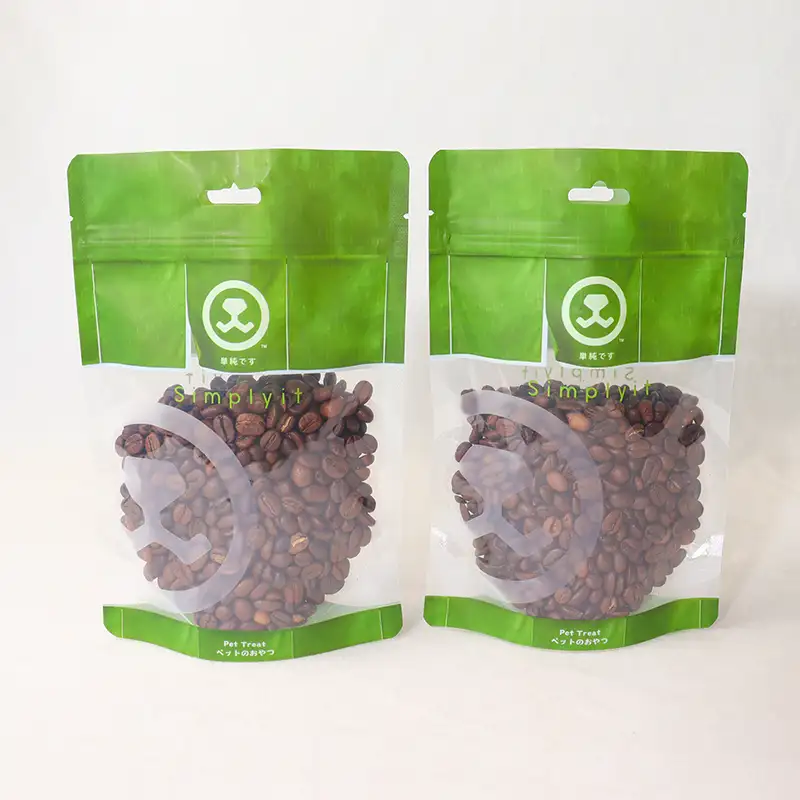
- Whole bean pride: Beautiful, evenly roasted beans sell themselves when shoppers can see them.
- Flavored or specialty blends: Visible inclusions like cocoa nibs or dried fruit build appetite appeal.
- Farmers markets and cafés: Where trust comes from transparency, literally.
The honesty of a see-through pouch resonates with shoppers who want to know exactly what they're buying. It's a marketing choice as much as a technical one.
The Best of Both Worlds: Windowed Pouches
Here's a trick many brands miss. You can order a foil-lined bag with a small transparent window, giving you strong barriers and a peek at the product.
This hybrid approach delivers the aluminum foil coffee packaging benefits customers rarely think about, while still satisfying the urge to see the beans. It's often the smartest middle ground for premium roasters.
Matching Material to Your Coffee and Your Customers
The best coffee bag material for freshness depends on how your beans are sold and stored. Let me walk you through the practical logic we use with brands.
Ground vs Whole Bean
Ground coffee has far more surface area exposed to air, so it stales quickly. It almost always deserves a high-barrier foil structure with a one-way degassing valve.
Whole beans are more forgiving, giving you a bit more freedom to experiment with visibility if turnover is quick.
Retail Shelf vs Direct-to-Door
Beans destined for grocery shelves may sit for months, so protection is everything. Subscription coffee shipped fresh each month can afford lighter, more visual packaging.
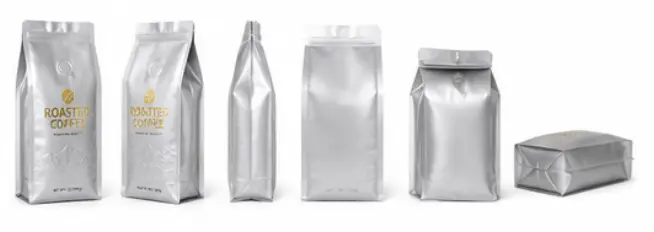
The Details That Separate Good Packaging from Great
Material is the foundation, but a few features make a huge difference in real-world freshness. As a manufacturer that has produced packaging for over 20 years, we've seen these small choices decide whether a roast arrives vibrant or flat.
One-Way Degassing Valves
Fresh roasts release CO2 for days. A degassing valve lets that gas escape without letting oxygen in, so you can bag beans sooner without bloating or bursting.
Resealable Zippers
Once a customer opens the bag, freshness depends on how well it recloses. A quality zipper keeps oxygen out between brews and signals a premium product.
Comparing Shelf Life by Structure
To show how these features stack up, here's a look at clear vs opaque coffee bag shelf life under typical storage conditions.
| Packaging Structure | Barrier Level | Estimated Freshness Window |
|---|---|---|
| Foil laminate + valve + zipper | Highest | 9–12 months sealed |
| Foil with clear window | High | 6–9 months sealed |
| Kraft with foil lining | High | 6–9 months sealed |
| Fully transparent film | Moderate | 1–2 months sealed |
Sustainability: A Question Worth Asking
More coffee drinkers care about what happens to the bag after the last cup. This is where the conversation gets nuanced.
Traditional foil laminates protect beautifully but can be tricky to recycle because they combine materials. Newer recyclable mono-material and compostable structures are closing the gap, though their barriers are still catching up to foil.
Because we hold FDA and ISO 22000 certifications, we recommend testing any eco-friendly structure against your actual shelf-life needs before committing. A greener bag that lets beans go stale helps no one.
Ordering Custom Coffee Packaging for Your Brand
Once you've settled on a material, the next step is bringing your design to life. If you're wondering how to order custom packaging for your brand, the process is simpler than most people expect.
What You'll Need to Get Started
- Bag style and size: Stand-up pouch, flat bottom, or side-gusset, matched to your bean volume.
- Material structure: Foil, windowed, kraft, or recyclable, based on your freshness goals.
- Artwork: Your logo and brand colors, ideally in vector format.
- Features: Valve, zipper, tear notch, and finish.
Our in-house design team often helps brands who only have a rough idea sketched out, turning it into print-ready files. You don't need to arrive with everything perfect.
Startups and Smaller Runs
New brands worry they'll be forced into huge quantities. The good news is there are options for custom packaging bags for small business bulk orders that keep initial commitments manageable.
Working as a custom printed pouch manufacturer with low minimum order flexibility, we've found startups do best when they test a design before scaling. As a custom stand up pouch supplier for startups, we often suggest starting lean and reordering as demand grows.
Safety and Certification
Anything touching food deserves scrutiny. Choosing food safe custom packaging bags wholesale FDA certified means your beans stay uncontaminated and your brand stays protected.
In our 6,800㎡ cleanroom facility, every run is produced under controlled conditions, which matters more than most buyers realize until something goes wrong elsewhere.
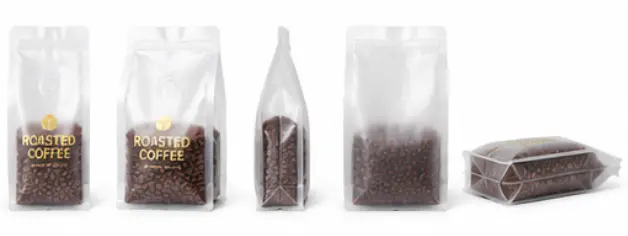
A Real-World Decision Framework
Working with brands across North America, we've found the most common mistake is choosing packaging based on looks alone, then watching reviews mention stale coffee. Here's a simple checklist to avoid that.
- Will beans sit longer than a month before use? Choose foil.
- Is turnover fast and visibility a selling point? A clear or windowed pouch works.
- Selling ground coffee? Always high barrier with a valve.
- Want both looks and protection? Go windowed foil.
- Prioritizing sustainability? Test recyclable structures against your shelf life first.
Final Verdict
For pure preservation, foil-lined packaging is the clear winner, protecting flavor and aroma for months rather than weeks. Transparent pouches shine when speed of sale and visual honesty matter most.
The smartest move for many roasters is a windowed foil design that blends protection with a glimpse of the goods. Match the structure to how your beans are actually sold, and you'll rarely go wrong.
If you'd like a hand mapping the right structure to your roast, the YLTPACK team is happy to talk it through. Reach us on WhatsApp at +86 182 1944 5665 or email [email protected], and we'll help you weigh the tradeoffs for your specific beans.
Frequently Asked Questions
How long does coffee stay fresh in a foil bag versus a clear one?
Sealed foil packaging with a valve typically keeps beans fresh for nine to twelve months, thanks to its near-zero oxygen transmission. A fully transparent pouch usually holds freshness for only one to two months sealed, and even less once opened, because it lets in more light and air.
Can I get a foil bag that still shows the coffee inside?
Absolutely. A windowed pouch pairs a high-barrier foil body with a small transparent panel, so you get strong protection and product visibility at once. It's a popular choice for premium roasters who want both freshness and shelf appeal.
Do I really need a degassing valve?
For freshly roasted coffee, yes. Beans release carbon dioxide for days after roasting, and a one-way valve lets that gas escape without letting oxygen in. Without it, bags can bloat or burst, and you'd have to wait longer before packing.
Are recyclable coffee bags as good at preserving freshness?
They're improving quickly, but traditional foil laminates still offer the strongest barrier. Recyclable mono-material and compostable options work well for fast-moving products, though we suggest testing them against your actual shelf-life needs before switching fully.
What do I need to prepare before ordering custom coffee packaging?
Have your bag style, size, material preference, and desired features ready, along with your logo in a high-resolution or vector format. If your artwork isn't finalized, that's fine, a design team can help refine a rough concept into print-ready files.