Quick Answer: It Lets Fresh Coffee Breathe Without Letting Oxygen In
A one way degassing valve coffee bag is a coffee pouch with a small valve that releases carbon dioxide from freshly roasted beans while blocking outside air from entering. You need it because fresh coffee keeps giving off gas after roasting, and trapped pressure can swell or burst a sealed bag.
At the same time, oxygen is one of coffee’s biggest enemies. It dulls aroma, speeds staling, and can make a carefully roasted product taste flat before the customer even opens it.
If you sell whole-bean or freshly ground coffee, this tiny valve can protect freshness, improve shelf appearance, reduce packing stress, and make your product easier to ship, stack, and store.
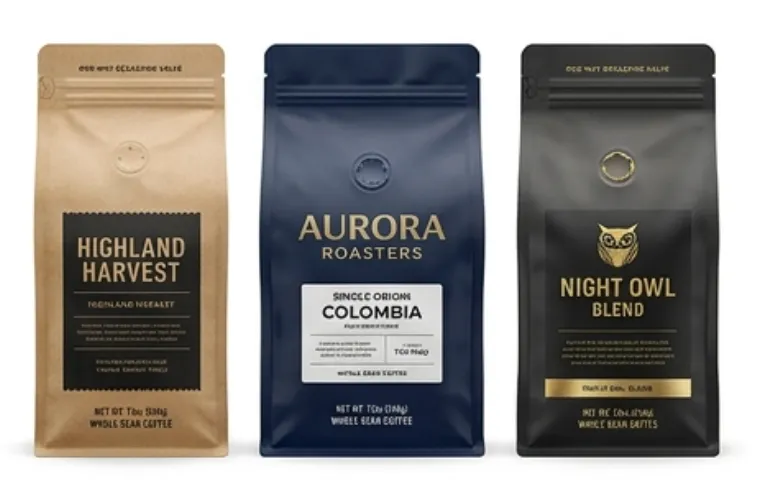
What You’ll Learn Before Choosing Coffee Packaging
| Decision Area | What This Article Helps You Decide | Trust Anchor Included |
|---|---|---|
| Valve function | Why roasted coffee releases gas and how the valve controls pressure | Factory production experience |
| Bag structure | Which pouch formats work well for fresh coffee | 6,800㎡ cleanroom production context |
| Food safety | What to check for food-contact packaging | FDA and ISO 22000 guidance |
| Brand customization | How design, finish, size, and closure affect customer experience | In-house design support |
| Supplier comparison | Questions to ask before placing a custom order | Practical manufacturing checklist |
Why Fresh Coffee Bags Need a Valve in the First Place
Coffee does not stop changing after roasting. During roasting, carbon dioxide forms inside the beans, then slowly escapes over time.
This is why a bag of fresh coffee can puff up after sealing. The fresher the roast, the more important pressure control becomes, especially for whole beans packed soon after roasting.
Without a valve, brands usually face three choices: wait longer before packing, leave the package less tightly sealed, or accept swelling risk. None of those options is ideal when aroma, shelf appeal, and shipping reliability all matter.
With the right valve and barrier film, the package can let carbon dioxide leave while helping keep oxygen away from the coffee.
How the Valve Works Without Making the Bag Leak
Here is the simple version: the valve opens when pressure inside the pouch becomes higher than the outside air pressure. Once enough gas escapes, the valve closes again.
That one-way movement matters. It helps prevent air from flowing back into the bag, which supports aroma retention and slows oxidation.
If you have ever wondered how does a one way coffee degassing valve work, think of it as a pressure-controlled exit door. Gas can go out when needed, but outside air is not invited in.
| Inside the Bag | What the Valve Does | Why It Matters |
|---|---|---|
| Fresh beans release carbon dioxide | Valve opens under internal pressure | Helps prevent swelling and bursting |
| Pressure drops after gas release | Valve closes again | Helps reduce oxygen entry |
| Bag sits on shelf or ships to customers | Valve remains ready to release more gas | Supports cleaner shape and better shelf presentation |
What Happens If You Pack Fresh Coffee Without One?
Fresh coffee in a fully sealed pouch can create pressure quickly, especially when the beans are packed soon after roasting. This can cause inflated bags, weak seals, or customer complaints about damaged packaging.
For online coffee brands, swelling can also create problems during parcel delivery. A pouch that looks fine in your packing room may look stressed after heat, movement, or altitude changes in transit.
Retail shelves bring a different challenge. Puffy bags can look inconsistent next to competitors, and customers may assume something is wrong even when the coffee itself is fresh.
As a manufacturer that has produced packaging for 20+ years, YLTPACK has seen one recurring issue: many coffee brands focus on artwork first, then discover too late that the structure and valve choice are what protect the product experience.
Valve Bag vs. No-Valve Bag: A Practical Comparison
| Packaging Option | Freshness Protection | Risk During Storage | Typical Use Case |
|---|---|---|---|
| High-barrier bag with degassing valve | Helps manage gas while limiting oxygen exposure | Lower swelling risk when properly specified | Fresh roasted whole-bean coffee, specialty blends, online sales |
| High-barrier bag without valve | Good oxygen barrier, but no pressure release | Higher swelling risk if packed too soon after roasting | Products rested before packing or low-gas applications |
| Low-barrier basic pouch | Limited aroma protection | Less pressure buildup, but faster staling risk | Short-life products or non-premium samples |
| Tin-tie paper bag | Lower oxygen and moisture protection | Low swelling risk, lower freshness control | Short-term local café sales |
Which Coffee Products Benefit Most from This Packaging?
Not every coffee product needs the same structure. The fresher the coffee and the longer the distribution journey, the more valuable a pressure-release valve becomes.
Whole-bean coffee usually benefits the most because beans keep releasing carbon dioxide after roasting. Freshly ground coffee may release gas faster, but it also loses aroma more quickly, so the barrier structure still matters.
As of July 15, 2026, specialty coffee brands selling through online stores, subscription boxes, supermarkets, and roastery cafés commonly use high-barrier flexible pouches because they balance freshness, shelf display, and shipping efficiency.
- Whole-bean specialty coffee: Strong fit, especially when packed shortly after roasting.
- Ground coffee: Useful when aroma retention and oxygen barrier are priorities.
- Subscription coffee: Helpful because parcels may face temperature and pressure changes.
- Retail coffee: Supports cleaner shelf appearance and more consistent bag shape.
- Roastery gift packs: Helps protect freshness while preserving a premium unboxing feel.
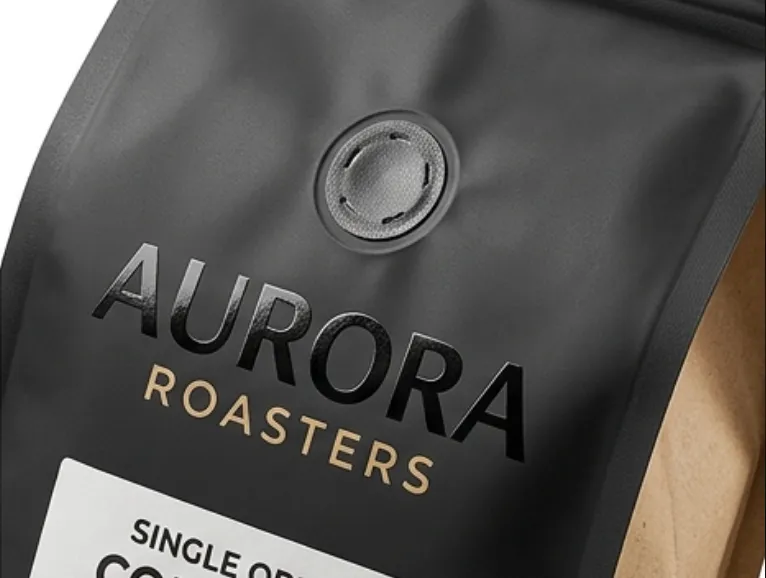
The Bag Structure Matters as Much as the Valve
A valve cannot do all the work alone. Coffee packaging also needs the right film layers to slow oxygen, moisture, light, and aroma loss.
For coffee, oxygen barrier and aroma retention are not small details. A beautiful pouch with a weak barrier can still allow flavor to fade before the customer finishes the bag.
Common structures may include matte or gloss outer films, printed layers, aluminum foil or metallized barrier layers, and food-contact inner sealing layers. The right choice depends on shelf life goals, filling method, product weight, and sustainability expectations.
In our 6,800㎡ cleanroom facility, YLTPACK controls production conditions for custom food packaging, which helps maintain consistency across printing, lamination, pouch making, and valve application.
Popular Pouch Formats for Coffee Brands
Most coffee brands choose a pouch format based on how the product will be sold and stored. A café counter, supermarket shelf, and e-commerce parcel all create different demands.
| Pouch Format | Why Brands Choose It | Good For |
|---|---|---|
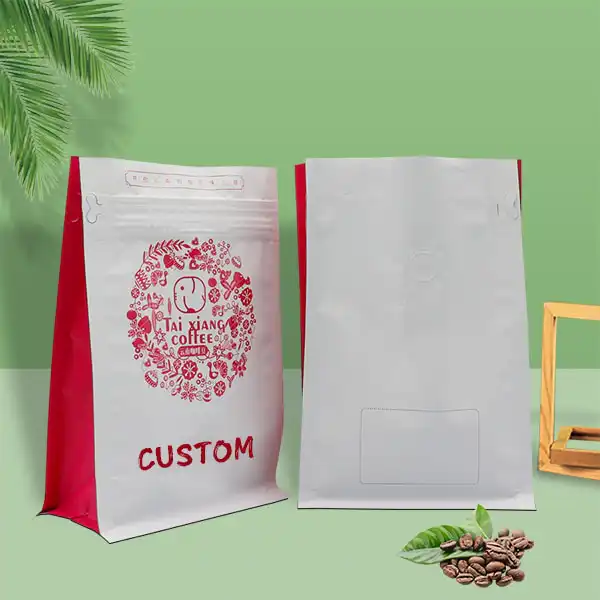
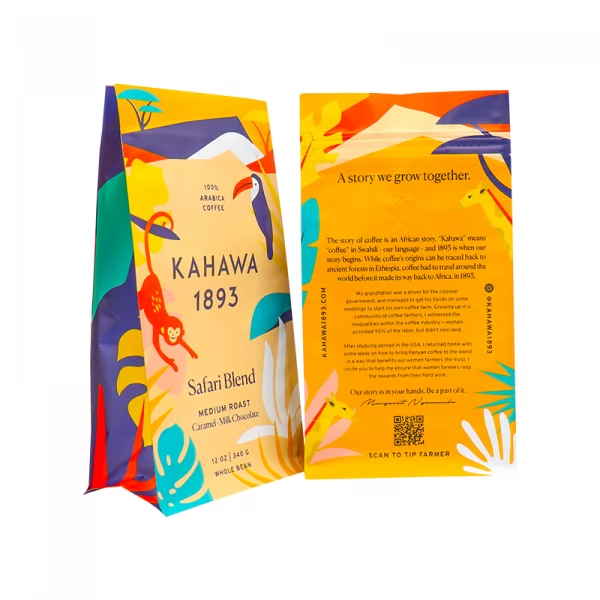
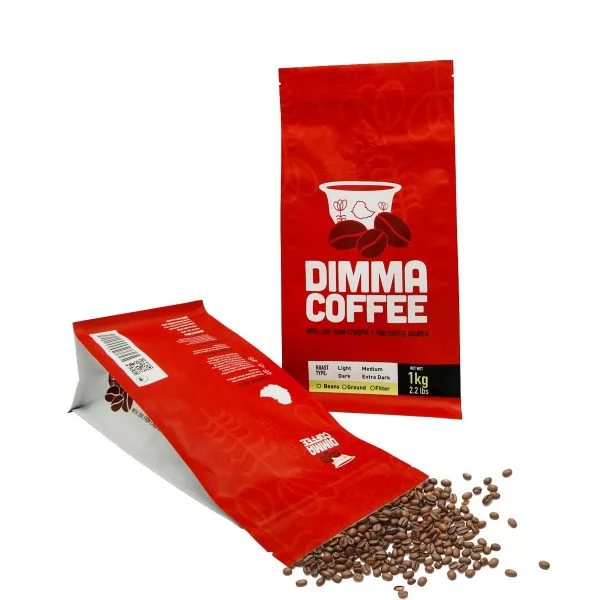
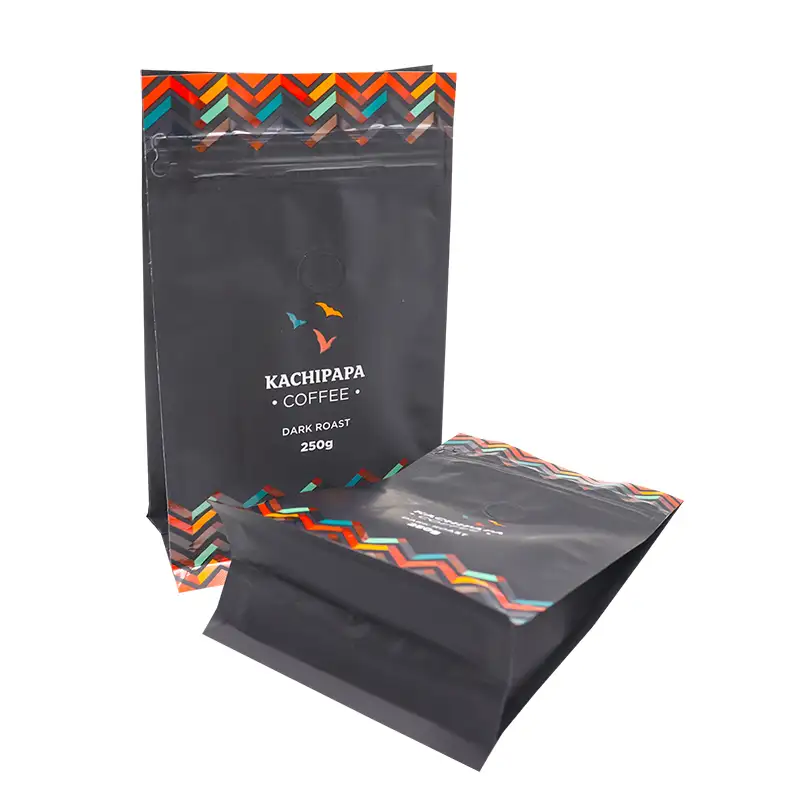
| Flat bottom bag | Stable shelf display and strong front-facing branding area | Retail coffee, premium beans, larger sizes |
| Stand-up pouch | Flexible, familiar, and efficient for many sizes | Online coffee, ground coffee, trial packs |
| Side gusset bag | Traditional coffee look with efficient filling and stacking | Roasteries, bulk-style presentation, food service packs |
| Quad seal bag | Strong structure with clean rectangular shape | Heavier fills, retail shelves, export shipments |
If your customers open the same bag every morning, resealable coffee bags with one way valve can improve convenience while helping the pouch close neatly between uses.
What to Check Before Ordering Custom Coffee Bags
Before you ask for samples or a quotation, it helps to define how the coffee will be roasted, packed, shipped, displayed, and used at home. These answers make the packaging specification much more accurate.
Because we hold FDA/ISO 22000 certifications, we recommend checking food-contact safety, inner material suitability, seal strength, ink safety, and migration requirements before confirming a production order.
- Coffee type: Whole bean, ground, flavored, decaf, or single-origin.
- Roast level: Light, medium, dark, or mixed roast range.
- Pack timing: Same-day packing, rested beans, or scheduled production batches.
- Bag size: Sample packs, retail packs, subscription sizes, or larger formats.
- Distribution: Local café, online store, supermarket, export, or subscription delivery.
- Closure: Zipper, tin tie, tear notch, no closure, or other easy-open feature.
- Finish: Matte, gloss, soft-touch, kraft look, metallic effect, or clear window.
- Compliance: Food-contact documentation, ISO 9001 quality systems, ISO 22000 food safety systems, or GRS material needs.
Custom Design Choices That Affect Freshness and Sales
Great coffee packaging does two jobs at once. It protects the product, and it helps customers understand why your coffee is worth choosing.
For coffee, the front panel should communicate roast level, flavor notes, origin, and net weight quickly. The back panel can explain brewing suggestions, roast date, storage guidance, and your brand story.
Our in-house design team often helps brands who only have a rough idea turn it into print-ready packaging by aligning artwork zones, valve position, zipper placement, barcode space, and shelf display needs.
If you are planning custom coffee packaging with degassing valve, do not treat the valve as an afterthought. Its placement should avoid key artwork, folding areas, zipper interference, and heavy pressure points during stacking.
Common Mistakes That Cause Packaging Problems
Many packaging problems do not come from one big error. They come from several small assumptions that were never tested together.
For example, a pouch may look attractive but use a valve position that overlaps the brand logo. Or it may have a nice zipper but insufficient top space for easy heat sealing.
Working with brands across North America, Europe, and other markets, YLTPACK has found that the most common mistake is choosing the bag style before defining the filling process and shelf-life goal.
- Using a weak barrier: Aroma fades faster, especially in longer distribution cycles.
- Ignoring roast timing: Fresh beans may inflate bags if gas release is not managed.
- Placing the valve poorly: It can affect artwork, stacking, or filling efficiency.
- Choosing the wrong zipper: A closure that feels flimsy can reduce repeat-use satisfaction.
- Skipping samples: Physical testing often reveals issues that mockups cannot show.
- Overloading the design: Too much text can make roast information harder to read.
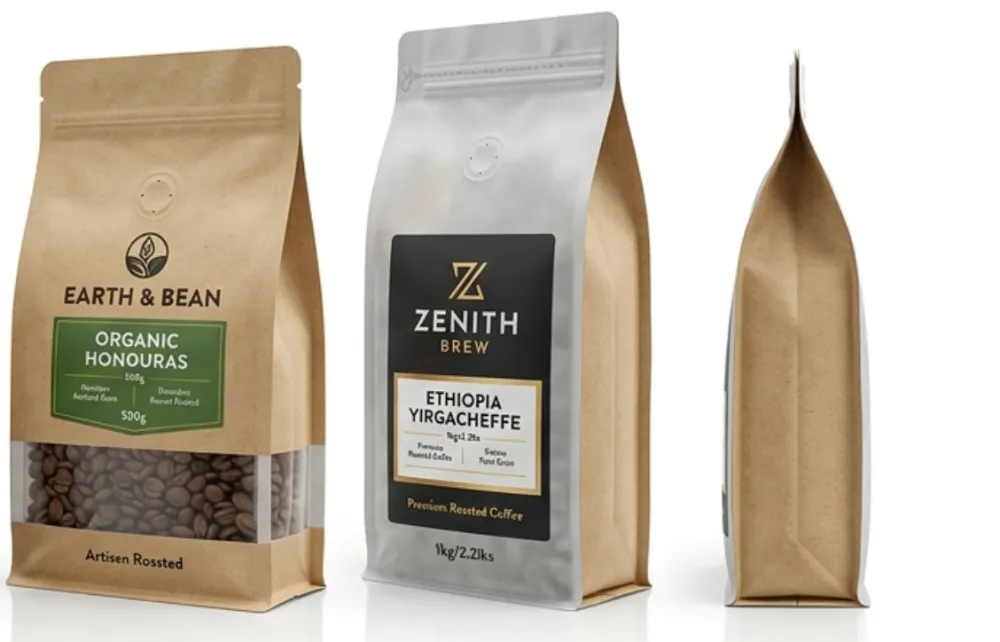
How to Evaluate Samples Before Full Production
Samples are not just for checking color. They help you test how the package behaves in real conditions.
Fill the sample with your actual coffee, seal it using your normal process, then observe the bag over several days. If possible, test shipping by mailing it to yourself or a colleague.
| Test Item | What to Look For | Why It Matters |
|---|---|---|
| Seal strength | No leaks, peeling, or weak corners | Protects the product during handling |
| Valve performance | Bag releases pressure without letting air flow freely inward | Supports freshness and shape control |
| Zipper feel | Easy to open and close repeatedly | Improves daily customer use |
| Shelf stability | Bag stands or stacks as intended | Improves retail and storage presentation |
| Print accuracy | Colors, text, barcode, and finish match expectations | Reduces branding and scanning issues |
Wholesale Ordering: What Buyers Should Prepare
If you are searching for one way degassing valve coffee bags wholesale, prepare your product details before comparing suppliers. This makes conversations faster and helps avoid vague recommendations.
You do not need to know every technical term. A good packaging partner should translate your needs into a workable structure, not force you to become a materials engineer.
For an efficient discussion, share your bag size, fill weight, pouch style, artwork status, expected quantity range, valve requirement, zipper preference, target market, and any certification needs.
YLTPACK can review these details and suggest a structure that fits your coffee type, filling method, and sales channel. For packaging questions, you can reach the team by WhatsApp at +86 182 1944 5665 or email [email protected].
When Should You Choose a Valve Bag Over Other Options?
Choose a valve pouch when your coffee is fresh, aromatic, and likely to release carbon dioxide after packing. This is especially important if your customers expect a sealed, polished package rather than a loosely closed café bag.
You should also consider it when your product travels through multiple handling points. Warehousing, delivery trucks, aircraft cargo areas, and doorstep delivery can all expose packages to changing pressure and temperature conditions.
For local same-day sales, a simple bag may be enough in some cases. But if you are building a repeat-purchase coffee product, packaging consistency becomes part of the drinking experience.
Consultant’s tip: If your coffee’s aroma is part of your promise, do not evaluate the bag by appearance only. Ask how the material, valve, seal, and closure work together after roasting, shipping, opening, and resealing.
Conclusion: A Small Valve Can Protect a Big Part of Your Coffee Experience
A degassing valve is small, but its role is serious. It helps fresh roasted coffee release carbon dioxide while supporting oxygen control, aroma retention, and cleaner shelf presentation.
The right package is not just a pouch with a valve attached. It is a coordinated system of barrier material, seal strength, closure design, valve placement, print quality, and food-contact safety.
If you are comparing coffee bags with one way degassing valve, look beyond the surface design. Ask whether the structure fits your roast timing, shipping route, retail environment, and customer habits.
YLTPACK combines 20+ years of factory experience, FDA/ISO 9001/ISO 22000/GRS certification support, a 6,800㎡ cleanroom facility, and an in-house design team to help coffee brands make packaging decisions with fewer surprises.
FAQ
1. Do all coffee bags need a degassing valve?
No, not all coffee bags need one. It is most useful for freshly roasted whole-bean coffee or products packed soon after roasting.
If the coffee is fully rested before packing or sold for very short-term local use, a non-valve format may work. However, for sealed retail and shipping-ready coffee, a valve is often the safer choice.
2. Can oxygen still enter through the valve?
A quality one-way valve is designed to reduce backflow, but total freshness also depends on film barrier, seal quality, storage conditions, and how customers close the bag after opening.
That is why the valve should be considered part of a full packaging system, not a standalone freshness solution.
3. Where should the valve be placed on the coffee pouch?
The valve is usually placed on the upper front or back area of the pouch, away from seals, zippers, fold lines, and critical artwork.
The exact position depends on bag style, filling process, branding layout, and how the pouch will be stacked or displayed.
4. Can I customize the size, printing, finish, and zipper?
Yes. Coffee pouches can be customized by size, material structure, printing, surface finish, zipper type, tear notch, valve position, and pouch format.
If you only have a rough concept, YLTPACK can help convert it into a practical packaging specification before sampling.
5. What information should I send before requesting custom samples?
Send your coffee type, fill weight, pouch size, preferred bag style, artwork file if available, roast-to-pack timing, sales channel, and any certification or sustainability requirements.
You can also include photos of packaging you like. This helps the packaging team understand your visual direction and functional expectations more quickly.