The Little Window on Coffee Bags: Does It Actually Hurt Freshness?
You've probably picked up a bag of beans with a clear window and wondered: is that pretty little peek-through window quietly ruining your coffee? It's a fair question. As someone who's spent years studying packaging design, I'll tell you upfront—the answer is nuanced.
The same logic applies whether you're packing whole beans, ground roast, or even portioned coffee tea bags for single-serve brewing. Light, oxygen, and moisture all play a role. Let's break it down so you can make a smart call for your brand.
What Actually Makes Coffee Go Stale?
Before we blame the window, let's understand the real enemies. Coffee freshness has four main threats, and packaging exists to fight all of them.
- Oxygen — oxidizes oils and flat-lines aroma within days.
- Light — UV rays degrade flavor compounds fast.
- Moisture — invites staleness and even mold.
- Heat — speeds up every other reaction.
A 2023 study from the Specialty Coffee Association noted that oxygen exposure is the single biggest driver of aroma loss. So the question becomes: does a window crack open the door to these enemies?
Does the Window Hurt Freshness?
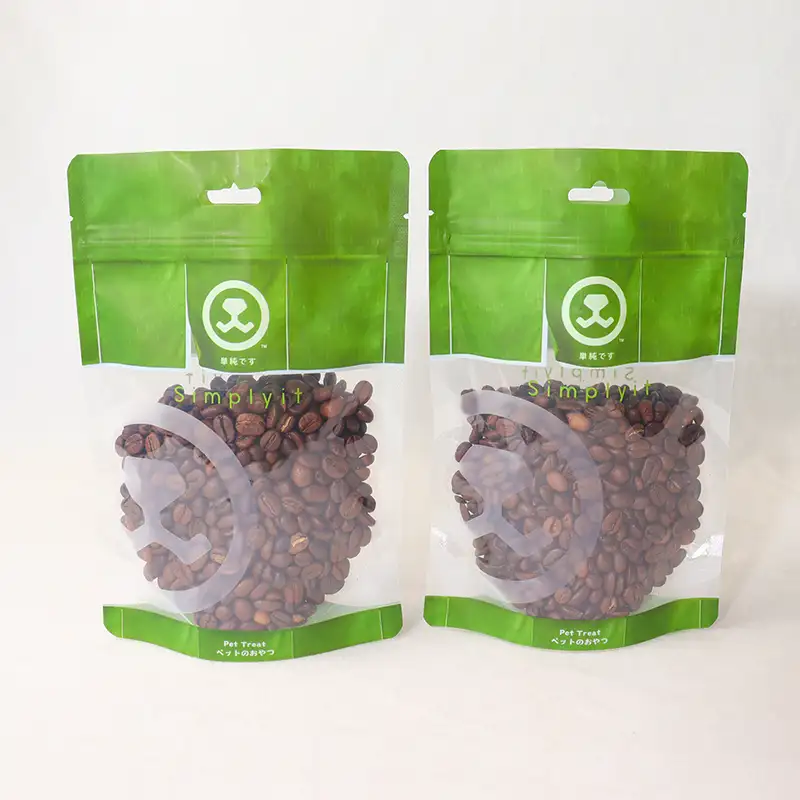
Here's the honest truth: a window itself doesn't ruin coffee—but a poorly made one can. The material behind that clear panel matters more than the panel existing at all.
A cheap, thin PET window has weaker oxygen and light barriers than the foil-lined body of the bag. That small patch becomes the weakest link. But a well-engineered window using high-barrier laminates performs almost identically to the surrounding material.
The Two Things That Decide Everything
From a performance standpoint, two factors control whether a window is safe:
- Barrier rating of the transparent film (measured by OTR—oxygen transmission rate).
- Light filtering built into the window material.
Working with brands across North America, we've found that the most common mistake is choosing a window film purely for clarity, ignoring its oxygen numbers entirely.
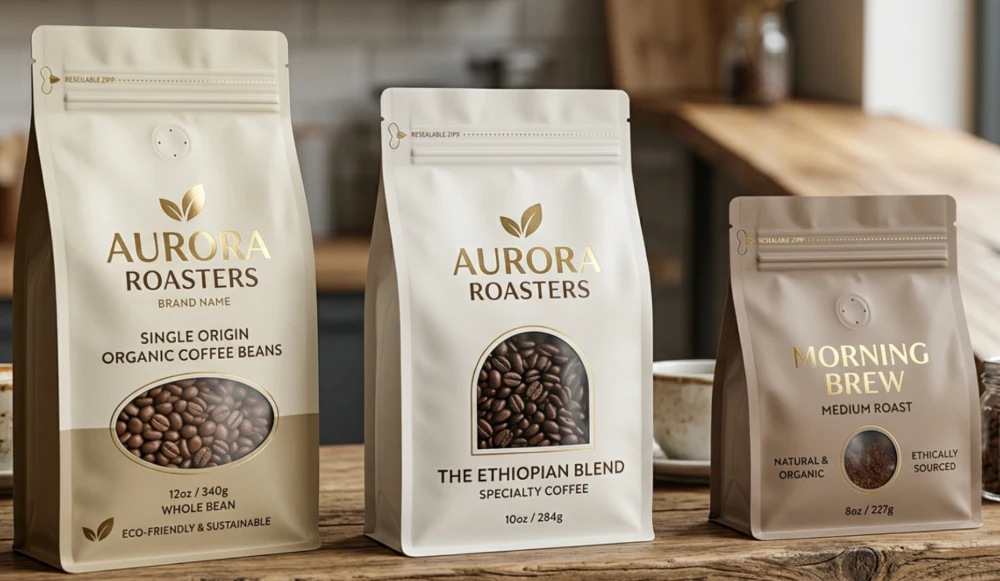
Window vs. Fully Sealed: A Side-by-Side Look
Let's get concrete. Here's how different packaging styles stack up when stored under typical retail conditions.
| Packaging Style | Oxygen Barrier | Light Protection | Shelf Appeal | Best For |
|---|---|---|---|---|
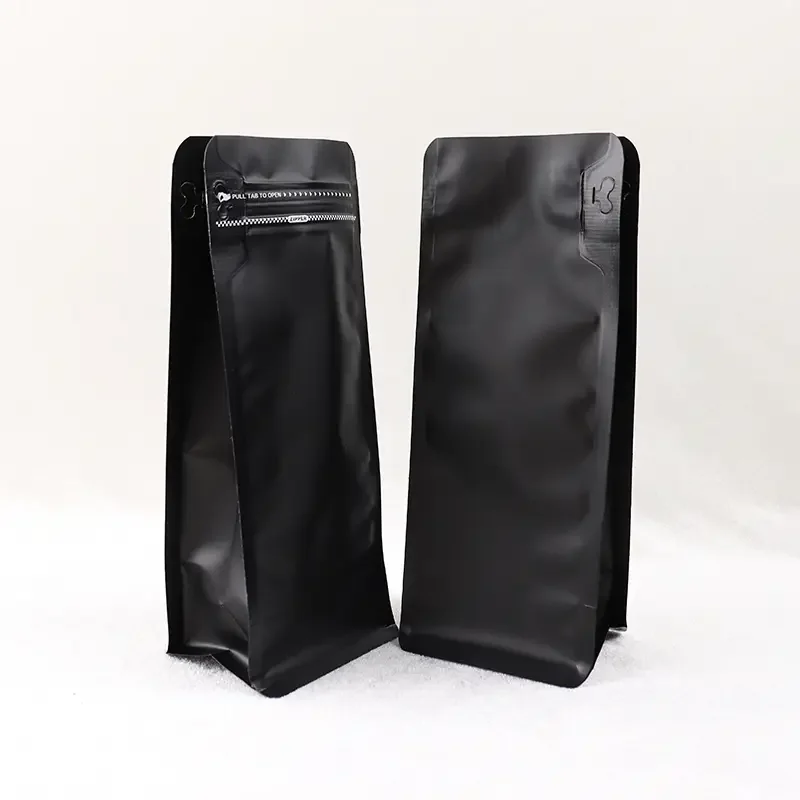
| Fully opaque foil bag | Excellent | Excellent | Low (no product visible) | Long-shelf retail |
| Standard PET window | Fair | Poor | High | Fast-turnover shops |
| High-barrier window (metallized/EVOH) | Very Good | Good | High | Premium brands wanting visibility |
| Kraft + valve, no window | Good (with valve) | Good | Medium | Specialty roasters |
Notice that a high-barrier window nearly closes the gap with fully sealed options. You really can have visibility and protection if you spec the right film.
Why Brands Still Love Windows
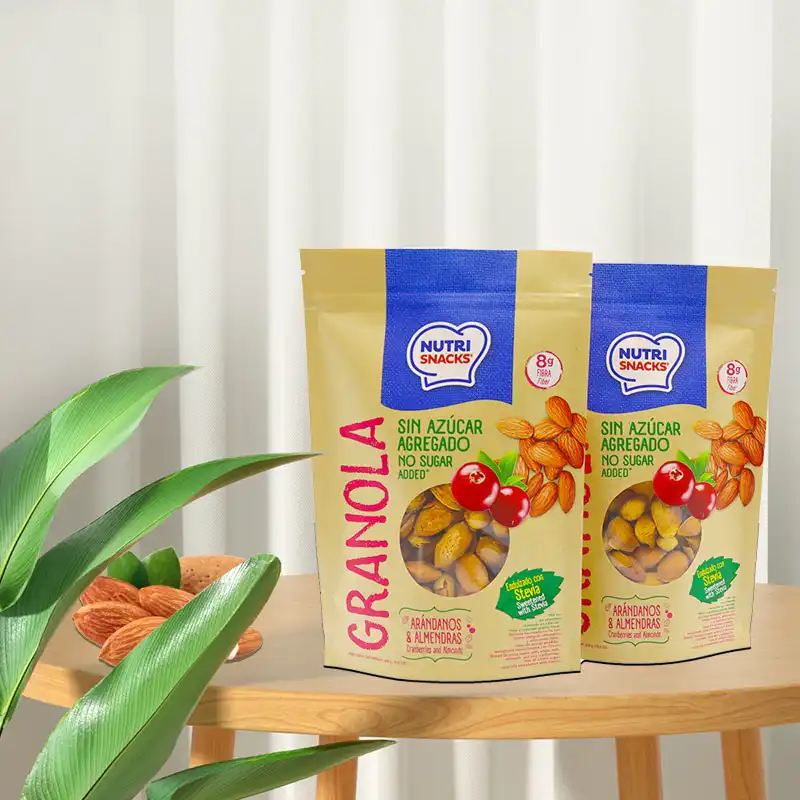
Visibility sells. Shoppers want to see the roast color, the grind, or the shape of those little brewed coffee bags before they buy. A window builds trust at the shelf.
This matters even more for newer formats. When someone is browsing the best coffee tea bags for single cup brewing, seeing the actual pouch inside reassures them about quality and quantity.
A window isn't a flaw—it's a marketing tool. The trick is engineering it so it doesn't compromise what's inside.
When You Should Skip the Window
Sometimes opaque is the smarter move. Consider going windowless if:
- Your product sits on shelves for 12+ months.
- You're shipping to hot, sunny climates.
- You're packing oxygen-sensitive light roasts or delicate single serve coffee pouches.
Because we hold FDA and ISO 22000 certifications, we typically recommend opaque high-barrier structures for products with very long target shelf lives.
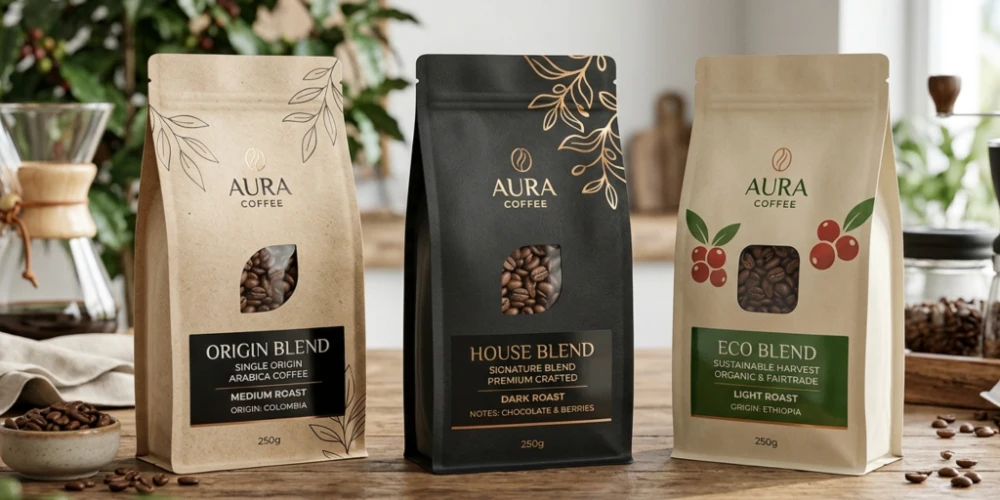
The Role of Valves, Zippers, and Liners
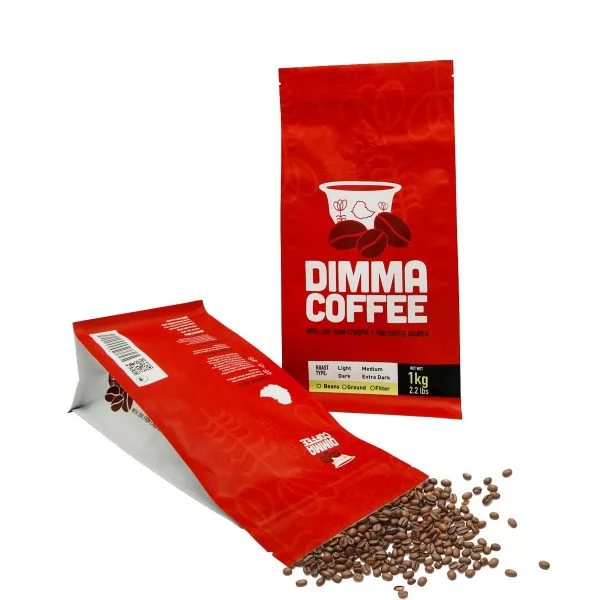
Freshness isn't just about the window—it's the whole system. A one-way degassing valve lets CO2 escape from fresh-roasted beans without letting oxygen in. That's a bigger freshness factor than most people realize.
Resealable zippers help home users too. Once a customer learns how to use coffee tea bags or scoops out their beans, a good zipper keeps the rest protected between uses.
In our 6,800㎡ cleanroom facility, we test seal integrity on every production run, because even a perfect window means nothing if the seam leaks.
Material Choices: Matching the Bag to the Product
Different coffee formats need different protection levels. Here's a quick guidance table we share with brands during planning.
| Product Type | Recommended Structure | Window Advice |
|---|---|---|
| Whole bean, light roast | Foil laminate + valve | Skip or use high-barrier only |
| Ground coffee, retail | Metallized PET + valve | High-barrier window OK |
| Steeped coffee bags, portioned | Multi-layer foil sachet | Small window acceptable |
| Travel singles | High-barrier flat sachet | Optional small window |
For disposable coffee tea bags for travel, durability and a tight seal matter more than visibility—those packs get tossed in bags and pockets where light exposure is minimal anyway.
Sustainability Without Sacrificing Freshness
Eco-conscious buyers are growing fast. Recyclable mono-material and compostable options now reach barrier levels that were impossible just a few years ago. We hold GRS certification for recycled-content materials, which helps brands meet green claims honestly.
If you're sourcing organic coffee tea bags online, your packaging should reflect those values—buyers notice the mismatch between organic contents and wasteful wrapping.
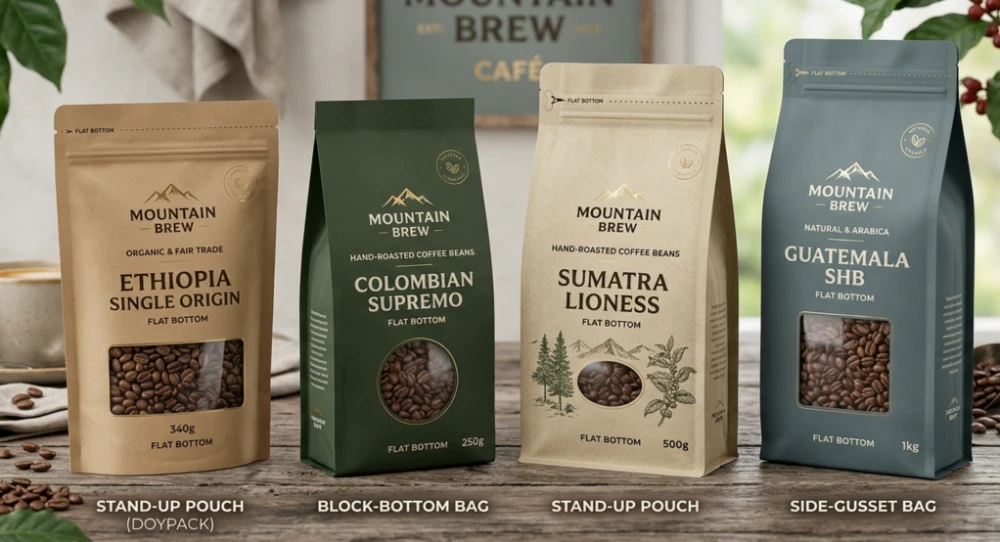
How This Compares to Other Formats
People often ask about coffee tea bags vs instant coffee when planning a product line. The brewing experience differs, and so does the packaging.
Instant coffee sachets need ultra-tight moisture barriers because the powder clumps instantly when humidity sneaks in. Pour over coffee bags, by contrast, prioritize freshness of the grind and an aroma seal. Each format rewards a slightly different structure—there's no one-size-fits-all.
Practical Checklist Before You Order Packaging
As a manufacturer that has produced packaging for 20+ years, here's the shortlist we walk new brands through:
- ✅ Define target shelf life (3 months vs. 18 months changes everything).
- ✅ Decide if a window adds real selling value for your channel.
- ✅ Match window film barrier to the bag body—don't create a weak spot.
- ✅ Add a degassing valve for freshly roasted products.
- ✅ Confirm food-safety compliance for your destination market.
- ✅ Request a sample run before committing to large volumes.
Our in-house design team often helps brands who only have a rough sketch turn it into a print-ready, shelf-tested layout—window placement included.
The Bottom Line
A window on your coffee packaging does not automatically harm freshness. The deciding factor is the quality of the film behind it and the overall barrier system. Spec a high-barrier window, add a valve, and seal it properly—you keep both the visual appeal and the aroma locked in.
If you're weighing options for a custom run, we're happy to talk through structures, materials, and samples. Reach YLTPACK on WhatsApp at +86 182 1944 5665 or email [email protected], and we'll help you balance freshness and shelf appeal for your specific product.
Frequently Asked Questions
Does a clear window reduce coffee shelf life?
Only if the window film has poor barrier properties. A high-barrier metallized or EVOH window performs nearly as well as a fully sealed bag, so shelf life stays strong when the material is chosen correctly.
Should I add a degassing valve if my bag has a window?
Yes, especially for freshly roasted beans. The valve releases CO2 buildup while blocking incoming oxygen. It works independently of the window and is one of the biggest freshness boosters available.
Are windowed bags suitable for single-serve coffee pouches?
They can be. A small, high-barrier window lets customers see the individual packets without exposing them to much light. For long-shelf or travel products, though, opaque structures are often the safer choice.
What's the difference in protection between PET and metallized windows?
Standard PET offers fair oxygen resistance and weak light protection. Metallized or specialty laminated windows dramatically improve both, closing most of the gap with fully foil bags while keeping decent transparency.
Can I get a custom window size and placement?
Absolutely. Window shape, size, and position are fully customizable. We recommend testing placement against your label design first so the window highlights your product rather than competing with your branding.