Short on time? Here's the quick answer: for most tea brands launching or scaling today, flexible pouches strike the best balance between freshness protection, shelf appeal, and cost. Tins win on premium gifting and reusability. Traditional paper bags suit high-volume, budget-friendly lines. The right pick depends on your tea type, price point, and where it sells. This tea packaging guide walks you through the trade-offs so you can decide with confidence.
The 30-Second Comparison
If you only read one section, make it this one. Below is how the three formats stack up on the factors that actually move the needle for a growing brand.
| Format | Freshness Protection | Shelf Appeal | Relative Cost | Best For |
|---|---|---|---|---|
| Pouches | High (with barrier film) | Excellent | Low to medium | Loose leaf, retail, subscriptions |
| Tins | Very high | Premium | High | Gifting, matcha, flagship SKUs |
| Paper Bags | Low to medium | Rustic, simple | Lowest | High-volume, short shelf life |
Notice there's no single winner. A well-run brand often uses two formats: pouches for the everyday range and tins for the holiday gift set. Let's break down why.
Why Freshness Is the Whole Game
Tea is deceptively fragile. Oxygen, light, moisture, and stray odors all degrade the leaf, dulling aroma and flavor within weeks. Green teas and delicate whites are the most sensitive; a matcha can lose its vivid color and grassy sweetness fast once air gets in.
That's why the conversation always starts with barrier performance, not looks. As a manufacturer that has produced flexible packaging for over 20 years, we've seen more brands lose repeat customers to stale product than to a plain label. Protect the tea first, then make it pretty.
Three enemies to plan around:
- Oxygen: triggers oxidation, flattens aroma compounds.
- Moisture: invites clumping and, worst case, mold.
- Light and odor: UV fades color; nearby scents get absorbed.
Pouches: The Flexible Workhorse
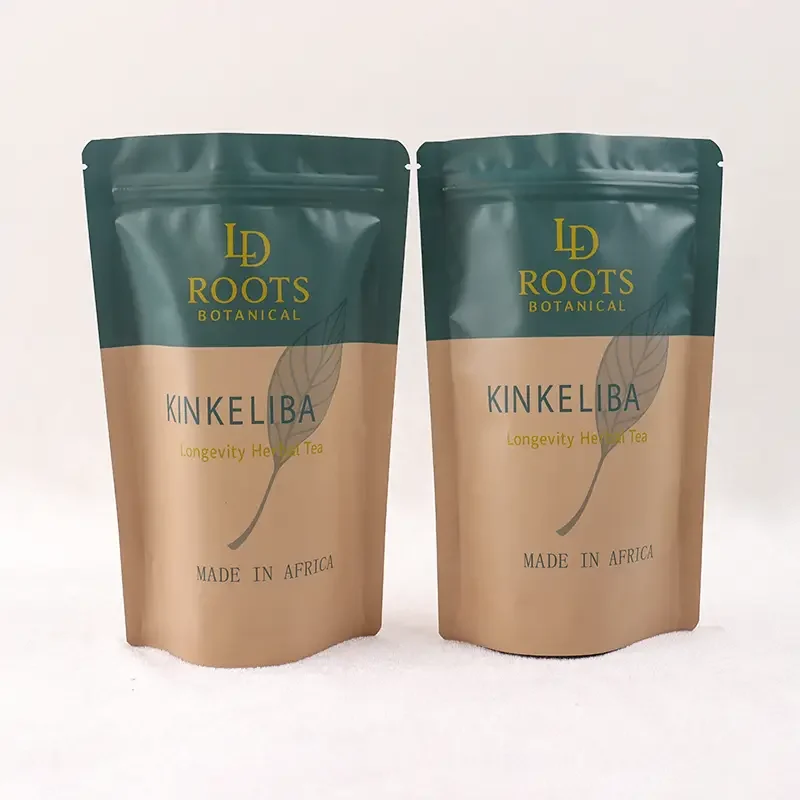
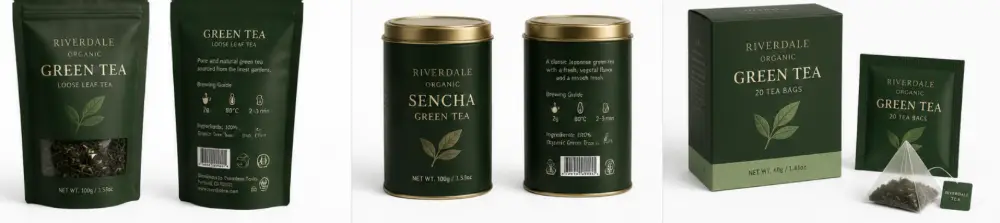
Pouches have quietly become the default for specialty tea, and for good reason. They combine strong barrier layers, low shipping weight, and a huge print surface for your story. For a loose-leaf line especially, they're hard to beat.
Where pouches shine
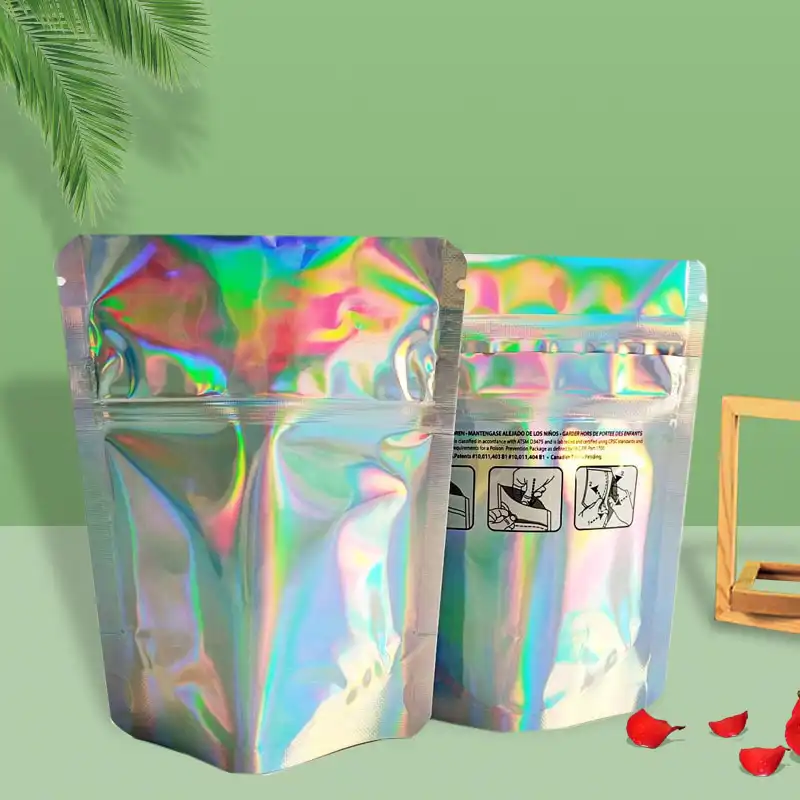
The stand-up style is a retail favorite because it holds its shape on the shelf and shows off your branding at eye level. Add a resealable feature and you solve the single biggest complaint tea drinkers have: keeping the rest of the bag fresh after opening.
- Look for tea packaging pouches with resealable zipper closures for anything sold by the ounce.
- Choose stand up tea pouches with valve when packing freshly roasted or gas-emitting blends that need to off-gas without letting oxygen back in.
- Consider small batch tea packaging pouches for loose leaf if you're testing new flavors before a full production run.
The material question
Barrier film usually means a laminate with a metallized or foil layer. That's what blocks light and oxygen. The catch is recyclability, which brings us to the sustainability trade-off many brands wrestle with next.
Sustainability without sacrificing shelf life
Shoppers increasingly read the back of the pack as closely as the front. Interest in eco friendly compostable tea pouches wholesale has grown sharply, with recent market surveys through 2025 showing sustainable packaging as a top-three purchase driver for tea buyers under 40.
Because we hold FDA, ISO 22000, and GRS certifications, we recommend being precise about claims. Compostable and recyclable are not the same, and "home compostable" differs from "industrial compostable." Getting the wording right protects your brand from greenwashing complaints.
Tins: The Premium Play
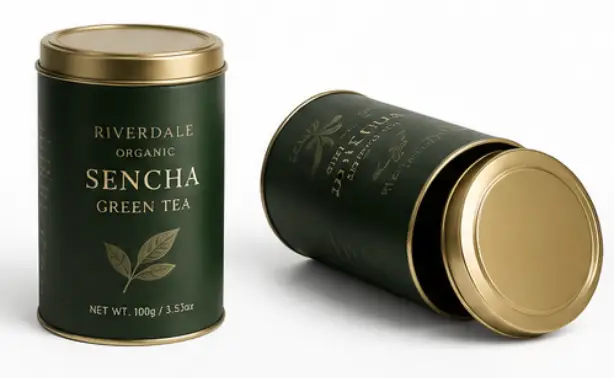
Nothing says gift quite like a tin. The weight in the hand, the satisfying lid, the reusability long after the tea is gone: tins deliver an experience pouches can't. They also offer excellent light and oxygen protection when paired with an inner liner.
When a tin earns its keep
Reach for tins when your price point supports it and the moment matters. Think holiday sets, matcha ceremonial grades, or a flagship single-origin you want to feel special. The higher unit cost and heavier shipping are real, so reserve them for SKUs where the story justifies the spend.
Working with brands across North America, we've found the most common mistake is putting an everyday $8 blend in a premium tin. The margins vanish and the format doesn't lift sales enough to compensate.
The reuse bonus
A tin that lives on a customer's counter is quiet, ongoing advertising. That second life is a genuine sustainability angle too, provided the tin is well made and worth keeping.
Paper Bags: Simple and Economical
The classic folded paper bag or kraft sack has a place, mainly for volume and speed. It's affordable, lightweight, and carries a rustic, honest charm that suits farmers-market and café-style brands.
The trade-off is protection. Plain paper offers little barrier against oxygen or moisture, so these bags work best for tea that sells through quickly or ships in a lined inner bag. For long shelf life on a retail rack, they fall short on their own.
Matching the Format to Your Tea and Channel
Your product and your sales channel should drive the decision more than aesthetics alone. Here's a practical way to map it out.
| Your Situation | Recommended Format | Why |
|---|---|---|
| Delicate green or white tea, retail shelf | High-barrier pouch or lined tin | Maximum protection from light and air |
| Subscription box, monthly refills | Resealable pouch | Light to ship, easy to store |
| Holiday gift set | Tin | Perceived value and reuse |
| Café private label, fast turnover | Paper bag or simple pouch | Cost efficiency at volume |
| New flavor testing | Small-batch pouch | Low commitment, quick iteration |
Think about the unboxing moment
Tea is increasingly discovered on social feeds. A crisp, photogenic pack that looks good on camera drives shares and word of mouth. That doesn't require a tin; thoughtful print, finish, and color on a pouch can do the same job for less.
Getting Custom Packaging Right
Once you've picked a format, the details determine whether it performs. This is where a lot of first-time brand owners get tripped up, so let's demystify it.
Print and finish
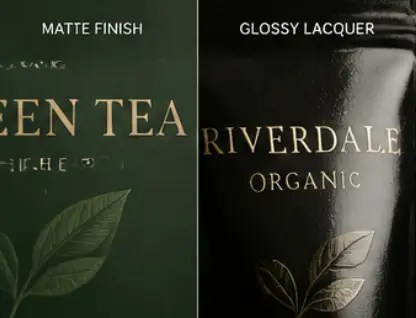
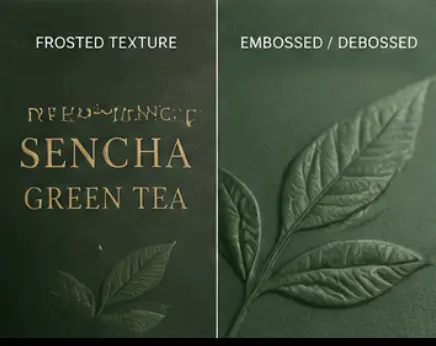
Custom printed tea pouch packaging bags let you control every touchpoint: matte versus gloss, spot varnish, foil accents, and clear windows to show the leaf. Match the finish to your brand personality. Earthy blends often suit matte kraft; modern wellness lines lean toward clean, bright films.
Sizing and fill
Size the pack to your actual weight and leaf density. Whole-leaf teas are fluffy and need more volume than a fine-cut blend of the same weight. Getting this wrong leaves you with half-empty pouches or bags that won't seal properly.
Minimums and starting small
Many emerging brands worry they'll be forced into huge order quantities. Our in-house design team often helps brands who only have a rough sketch and a target weight, turning that into print-ready artwork and a spec that fits a manageable first run. Starting lean lets you validate demand before committing to volume.
Food safety you shouldn't skip
Anything touching consumable tea needs food-grade materials and clean production. In our 6,800㎡ cleanroom facility, that standard is built into the process rather than added at the end. When you vet any supplier, ask directly about food-contact compliance and request documentation.
A Simple Decision Checklist
Run through these questions before you commit to a format. If you can answer them, you're ready to brief a supplier.
- What tea type, and how sensitive is it to air and light?
- Where does it sell: shelf, online, subscription, or gift?
- What's your price point, and does it support a premium format?
- How fast will it sell through after opening?
- What sustainability claims can you honestly support?
- How large is your first production run?
Answer those honestly and the format usually becomes obvious. When two options feel close, choose the one that protects freshness better; a beautiful pack full of stale tea helps no one.
Bringing It Together
There's no universal "right" answer, only the right fit for your tea, your buyer, and your channel. Pouches offer the most versatile mix of protection, appeal, and cost, which is why they anchor most modern tea ranges. Tins elevate gifting and hero products. Paper bags keep high-volume, quick-turn lines lean.
Start with freshness, layer on branding, then check your budget and sustainability goals. If you'd like a second opinion on which format suits your specific blend and launch plan, YLTPACK is happy to talk it through. Reach us on WhatsApp at +86 182 1944 5665 or by email at [email protected], and we'll help you weigh the options against real production specs.
Frequently Asked Questions
Do resealable pouches really keep tea fresh after opening?
Yes, when paired with a proper barrier film. The zipper limits air exchange each time the pack is reopened, which matters most for teas sold in larger multi-serving quantities. It won't fully replace an unopened seal, but it dramatically slows staling in daily use.
Are compostable pouches strong enough for tea?
Modern compostable laminates have improved a lot and can offer solid moisture and oxygen resistance, though barrier life is often shorter than metallized film. They suit brands with faster turnover and a clear sustainability story. Always confirm whether the material is home or industrial compostable before you print the claim.
What's the smallest quantity I can order for a first run?
It varies by format and print method, and quantities are flexible enough that new brands can start modestly rather than committing to warehouse-filling volumes. Share your target weight and design idea, and a supplier can advise a realistic starting point. Testing small first is smart practice.
Should I put my green tea in a tin or a pouch?
Both can protect green tea well if built correctly. A high-barrier pouch is cost-effective and light to ship; a lined tin adds premium feel and reusability. For a delicate green sold as a gift, a tin makes sense; for everyday retail, a barrier pouch usually wins on value.
How do I make sure the packaging is food-safe?
Ask your supplier for food-contact compliance documentation and details on their production environment. Certifications like FDA and ISO 22000 signal that safety is managed systematically rather than assumed. Never skip this step, since the packaging is in direct contact with a product people consume.