Choosing the Right Coffee Bag: It's Bigger Than You Think
If you roast, sell, or are about to launch a coffee brand, you've probably hit a fork in the road. The packaging decision feels deceptively simple until you start comparing options. The whole stand up pouch vs flat bottom bag coffee debate trips up more founders than almost any other early choice.
Here's the thing: the bag isn't just a container. It protects flavor, signals quality on the shelf, and quietly shapes your margins. Pick wrong, and your beans go stale faster or your unboxing falls flat.
Let's walk through it together, the way a friend in the packaging world would. By the end, you'll know exactly which format fits your roast, your shelf, and your budget.
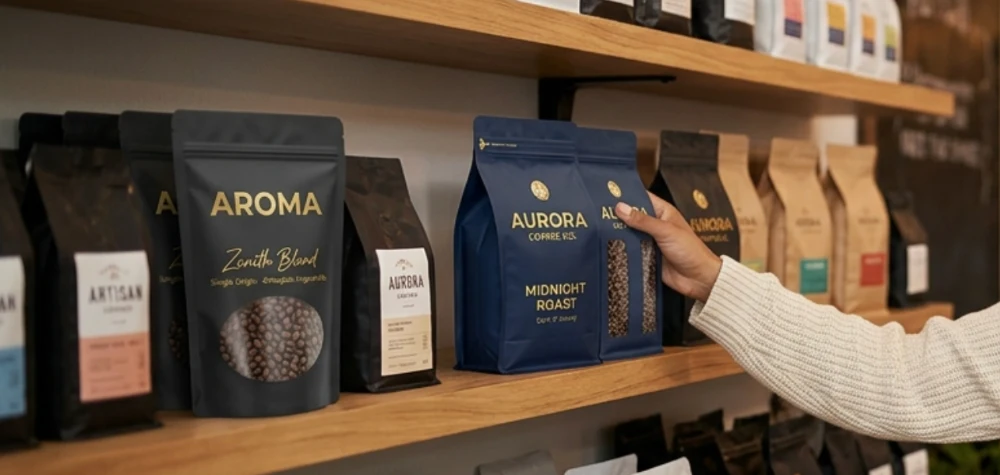
What Each Bag Format Actually Is
Before we compare, let's get clear on the two contenders. They look similar at a glance, but they behave very differently in the real world.
The Stand Up Pouch
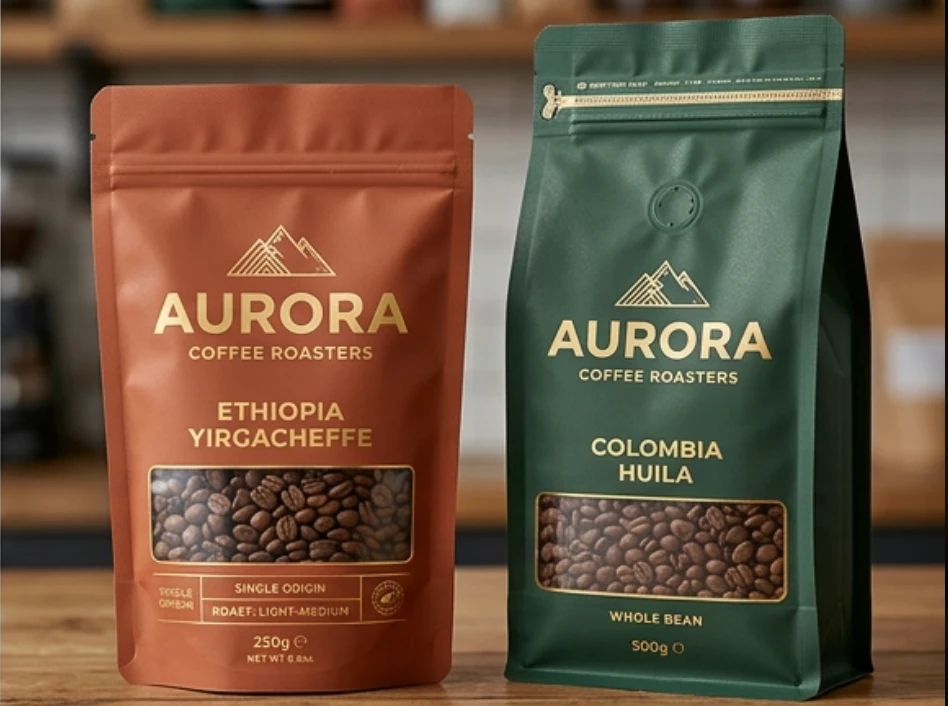
A stand up pouch has a gusseted bottom that lets it stand upright when filled. It's flexible, lightweight, and hugs the product closely. Think of those slim, glossy bags you see at farmers' markets and indie cafés.
They're a favorite for smaller batches and sample sizes. The shape is friendly, the cost is gentle, and they ship flat before filling.
The Flat Bottom Bag
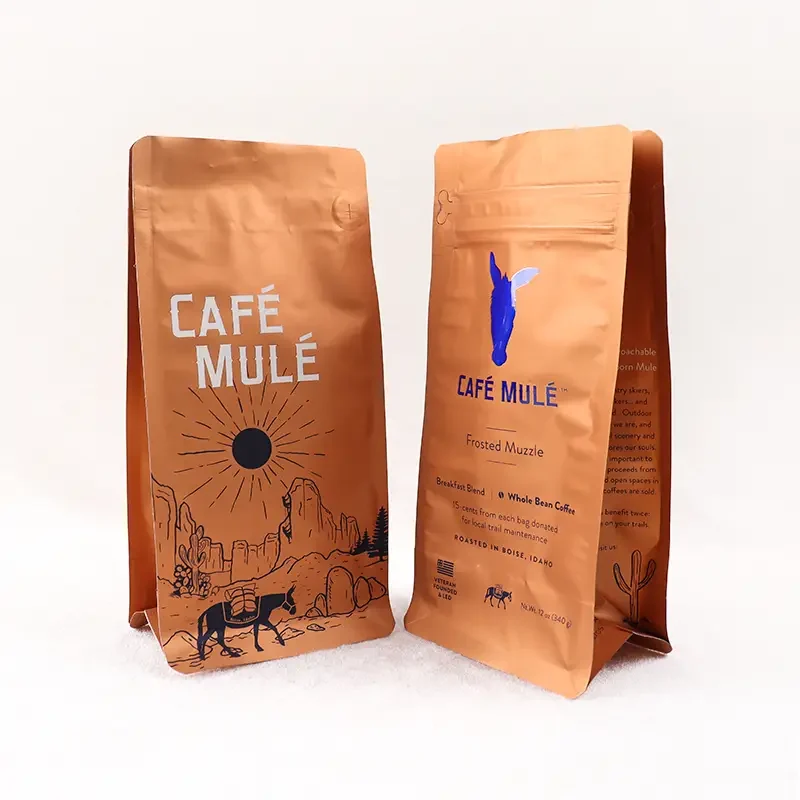
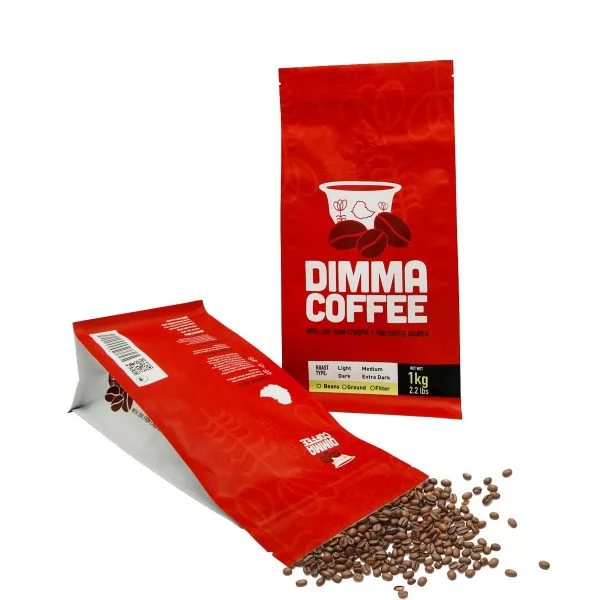
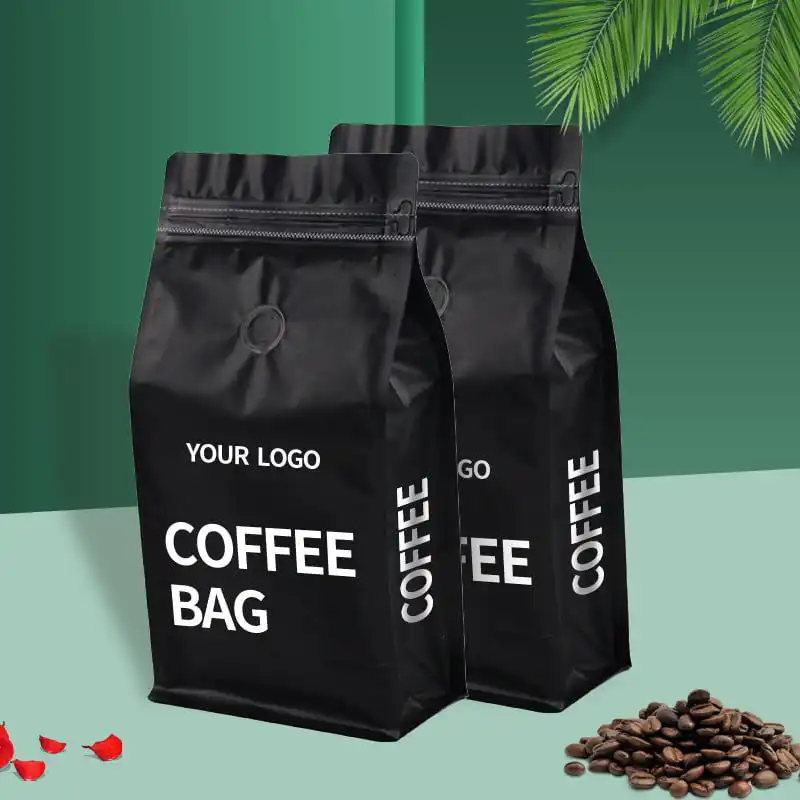
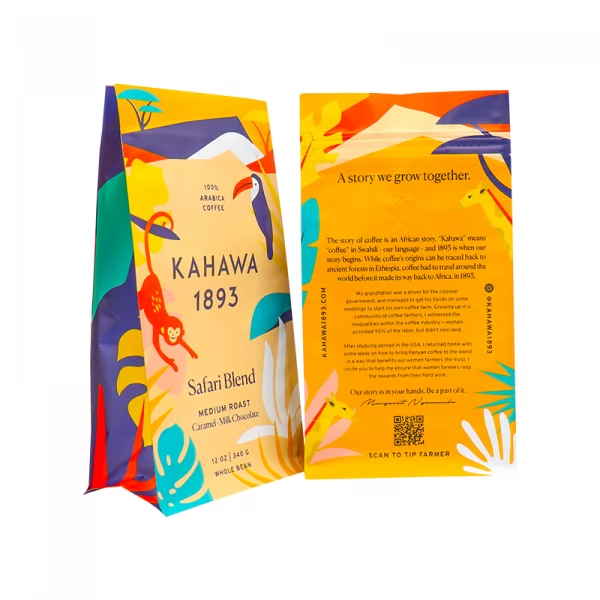
A flat bottom bag (sometimes called a box pouch) has a square, four-panel structure with a sturdy base. It stands tall and proud, almost like a mini box. You'll spot these on premium retail shelves where presentation matters.
That extra panel real estate gives you five printable surfaces, including two clean side gussets. It's the format brands reach for when they want their bag to look like a finished product, not just a bag.
Side-by-Side: How They Compare
Numbers tell the story better than adjectives. Here's how the two formats stack up across the factors coffee brands care about most.
| Factor | Stand Up Pouch | Flat Bottom Bag |
|---|---|---|
| Shelf presence | Good, slimmer profile | Excellent, box-like stability |
| Printable surfaces | 2 (front + back) | 5 (front, back, 2 sides, bottom) |
| Typical capacity | 50g – 500g | 250g – 2kg+ |
| Unit cost | Lower | Moderate to higher |
| Shelf stability | Can tip when light | Stands firmly, stacks well |
| Best fit | Samples, single-origin, startups | Retail, subscription, premium lines |
Neither one is universally better. The right pick depends on where your coffee lives, who buys it, and how you want it to feel in their hands.
Freshness Is the Real Battleground
Coffee is alive in a sense. After roasting, beans release CO2 and slowly lose volatile aromatic compounds. Oxygen is the enemy here, and your packaging is the front line of defense.
Why Oxygen Barrier Matters So Much
The aromas that make a Yirgacheffe sing or a Sumatran feel earthy are fragile. Once oxygen creeps in, those compounds oxidize and that bright cup turns flat and cardboard-like within weeks.
This is why the material structure inside the bag matters more than the shape. A quality coffee bag uses multiple laminated layers, often with foil or metallized film, to keep oxygen and moisture out.
Does Bag Shape Affect Shelf Life?
Here's a nuance many brands miss when weighing flat bottom coffee bags vs stand up pouches shelf life: the format itself doesn't preserve coffee. The barrier film and the seal quality do.
That said, flat bottom bags often accommodate thicker, more rigid laminate structures comfortably. Both formats can hit excellent freshness levels when built correctly. As a manufacturer that has produced packaging for 20+ years, we've seen identical beans stay fresh equally well in both, provided the barrier and degassing valve are right.
The Degassing Valve: Your Secret Weapon
That little plastic button on coffee bags? It's a one-way valve. It lets CO2 escape so the bag doesn't balloon, while blocking oxygen from sneaking back in.
Whether you choose a pouch or a flat bottom format, a valve is non-negotiable for freshly roasted beans. When customers ask which coffee bag type keeps beans fresher stand up or flat bottom, the honest answer is: the one with a proper valve and a strong oxygen barrier wins.
Shelf Appeal and the Customer Experience
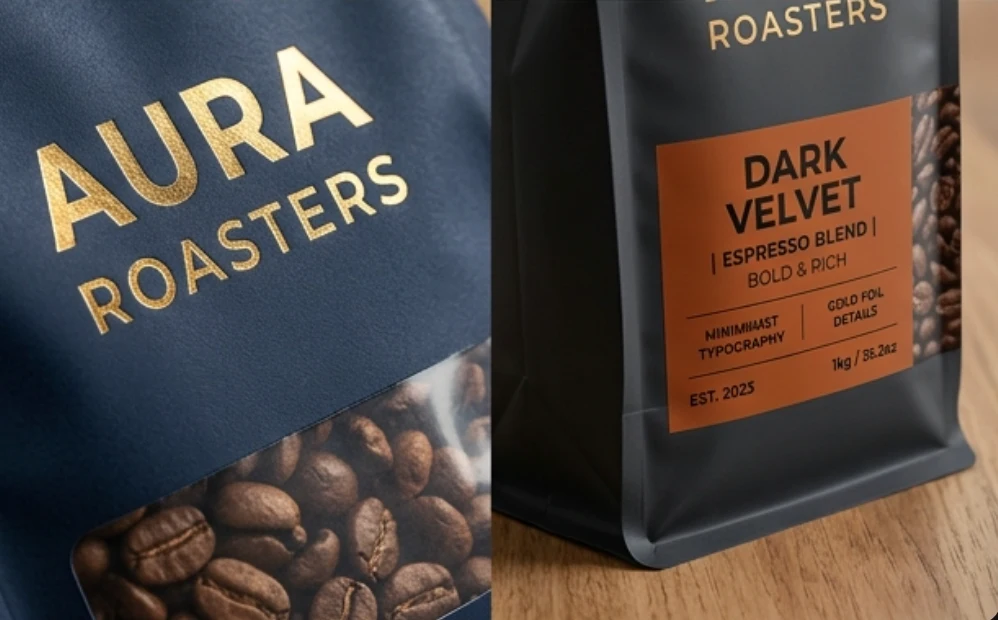
Your bag does silent marketing every second it sits on a shelf. Let's talk about how each format performs in that moment of truth.
Standing Out on a Crowded Shelf
Flat bottom bags have a commanding presence. The square base lets them stand like little monuments, and the flat front panel acts like a billboard for your branding. For retail and specialty shops, that vertical stability is a quiet advantage.
Stand up pouches feel more approachable and craft-forward. They're perfect for that handmade, small-batch story. Working with coffee brands across North America, we've found the most common mistake is over-thinking shelf size before knowing the actual retail environment.
The Unboxing and Resealing Moment
Customers reseal coffee daily, so the closure matters. Both formats pair beautifully with a tin-tie, a zipper, or a press-to-close strip. A resealable zipper on a flat bottom bag feels especially premium and keeps beans protected between scoops.
Don't underestimate touch. A matte soft-touch finish or a kraft paper exterior changes how your product feels in someone's hand, and that tactile memory builds loyalty.
Cost, Volume, and Practical Realities
Let's be honest about budgets. Packaging is a real line item, and the smart move is matching format to your stage of growth.
Matching Format to Your Stage
- Just launching or testing flavors? A stand up pouch keeps upfront costs lean and ships well for sample sizes.
- Building a retail or subscription brand? A flat bottom bag earns its keep with shelf presence and a premium feel.
- Selling larger bags (1kg+)? The reinforced base of a flat bottom format handles weight without slumping.
If you're stuck deciding on the best coffee packaging stand up pouch or flat bottom, think about volume per order and where it's sold. A café bag for grab-and-go has different needs than a 12-ounce retail bag.
Sustainability Without the Greenwashing
Eco-conscious buyers read your packaging closely. Recyclable mono-material structures and compostable options exist for both formats now. Because we hold FDA and ISO 22000 certifications and a GRS certification for recycled materials, we help brands choose barriers that protect freshness while meeting their sustainability promises.
The trick is balancing recyclability with oxygen protection. A bag that's perfectly recyclable but lets your coffee go stale in three weeks helps no one.
How to Make the Call for Your Brand
Still weighing things up? Run through this quick checklist. It cuts through the noise fast.
- Where is it sold? Retail shelf favors flat bottom; market stall or online sampler favors pouches.
- How much per bag? Under 250g leans pouch; over 500g leans flat bottom.
- What's the brand story? Polished and premium, or craft and approachable?
- What's your budget per launch? Lean start vs. established line.
- Is freshness over months critical? Then prioritize barrier film and valve over shape.
When comparing a stand up pouch vs flat bottom bag for coffee storage, remember both win when the inside material is right. The shape is the personality; the barrier is the protection.
Where a Manufacturer Comes In
This is where a thoughtful packaging partner saves you headaches. In our 6,800㎡ cleanroom facility, we build both formats with food-grade laminates, custom valves, and the closure styles your customers actually use.
Our in-house design team often helps brands who arrive with only a rough sketch or a Pinterest board. From dieline to print-ready artwork, we shape the idea into a bag that holds up on the shelf and in the cup. If you want to talk specifics, reach us on WhatsApp at +86 182 1944 5665 or email [email protected].
The Bottom Line
There's no single winner in this matchup, and that's good news. It means you get to choose the format that tells your story best.
Go with a stand up pouch for lean launches, samples, and that craft-forward charm. Reach for a flat bottom bag when you want shelf stature, more branding canvas, and room for larger volumes. Either way, invest in a strong oxygen barrier and a degassing valve, because that's what truly keeps your roast tasting alive.
Whatever you choose, YLTPACK is here to make it real, with two decades of experience turning packaging questions into shelf-ready answers.
Frequently Asked Questions
Which keeps coffee fresher, a stand up pouch or a flat bottom bag?
Neither shape has an inherent advantage. Freshness comes from the laminated barrier film, the seal quality, and a one-way degassing valve. Build either format with a high-barrier structure and your beans stay fresh equally well.
Why do coffee bags need a degassing valve?
Freshly roasted beans release carbon dioxide for days. The valve lets that gas escape so the bag doesn't swell or burst, while blocking outside oxygen from getting in. It's essential for protecting aroma during the critical first weeks.
Are flat bottom bags more expensive than pouches?
Generally, yes. The extra panels and reinforced base add material and complexity, so the unit cost runs a bit higher. Many brands find the premium shelf presence and larger capacity justify the difference for retail lines.
Can both bag types be made recyclable or compostable?
Yes. Recyclable mono-material and compostable options are available for both formats today. The key is choosing a structure that still delivers enough oxygen protection to keep your coffee tasting its best.
What sizes work best for each format?
Stand up pouches shine for 50g to 500g, ideal for samples and single-origin offerings. Flat bottom bags handle 250g up to 2kg and beyond, thanks to their stable, reinforced base that resists slumping under weight.