Why Packaging Format Matters More Than You Think for Pet Food
If you're launching or scaling a pet food brand, the packaging you choose does far more than hold kibble. It protects freshness, communicates your brand story, and directly influences whether a shopper picks your product off the shelf or scrolls past it online. Pet owners today scrutinize ingredient panels and expect the same transparency from the packaging itself—they want to see what they're feeding their companion animals.
Two formats dominate the market for dry and semi-moist pet nutrition: the stand up pouch and the flat bottom bag. Each serves a distinct purpose, and the right choice depends on your product weight, shelf placement, brand positioning, and logistics. This guide breaks down the real-world differences so you can make an informed decision before committing to a production run.
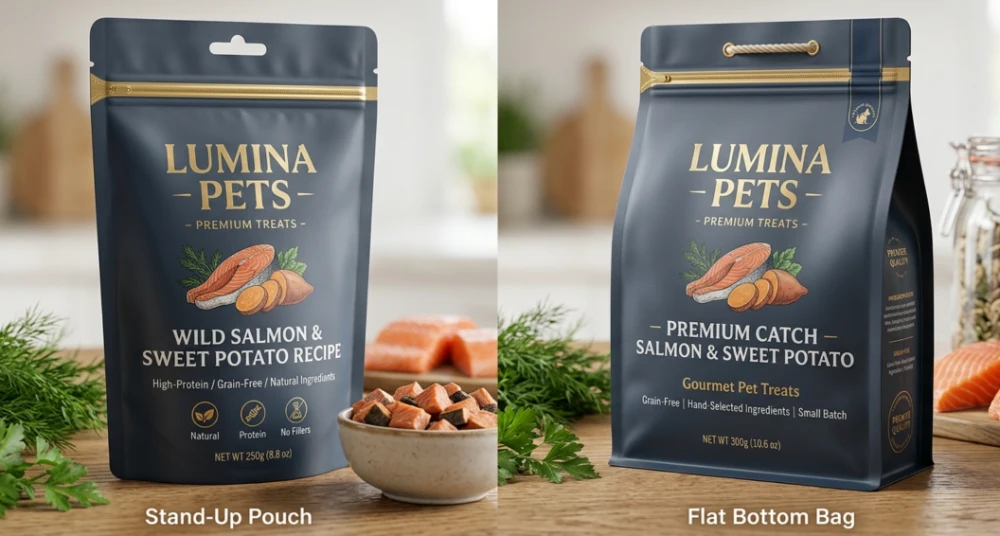
Stand Up Pouch: Structure, Strengths, and Ideal Use Cases
How It Works
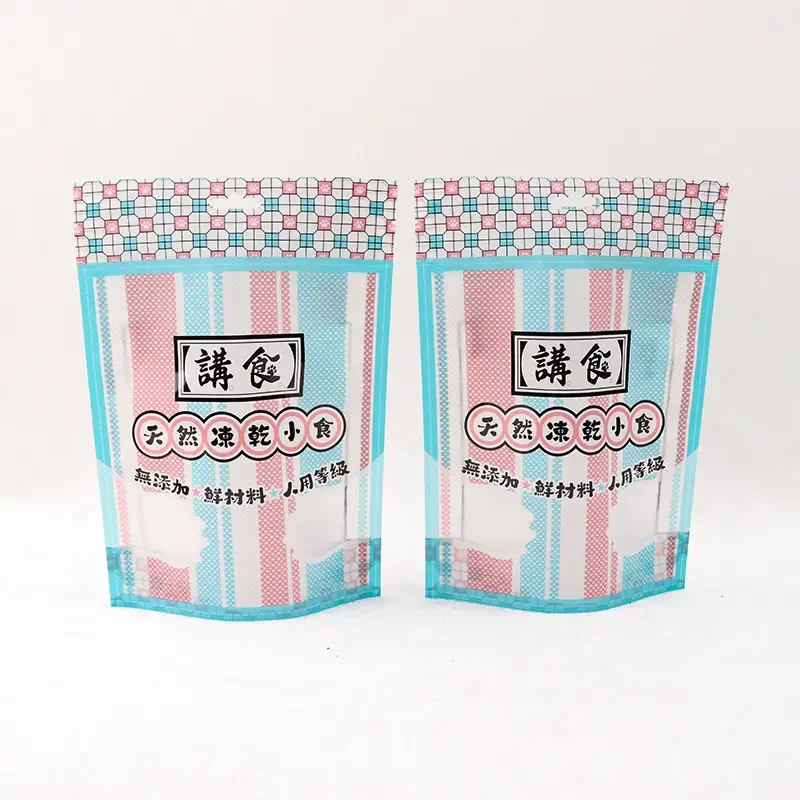
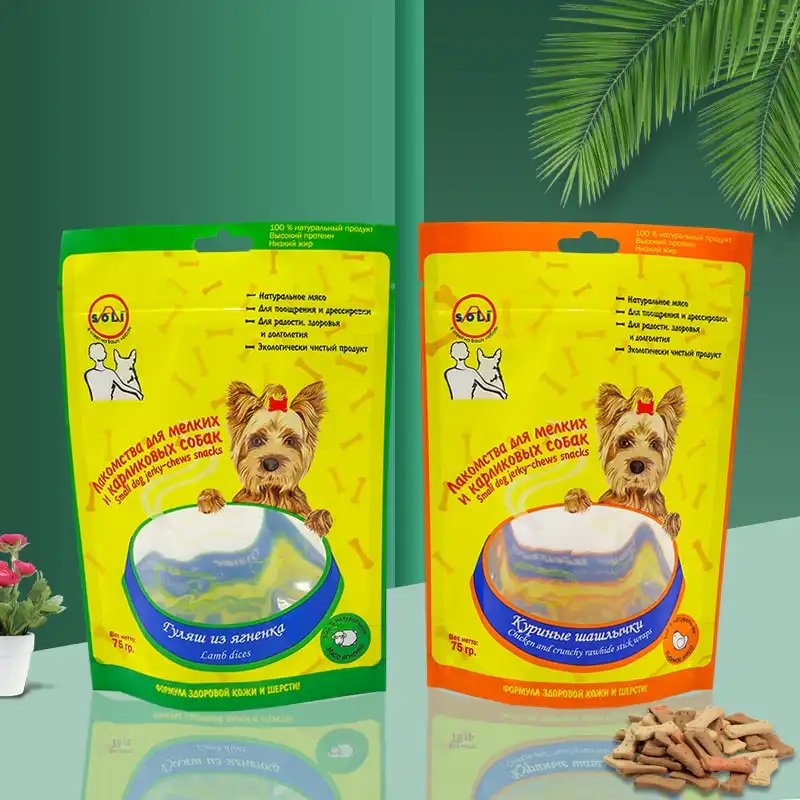
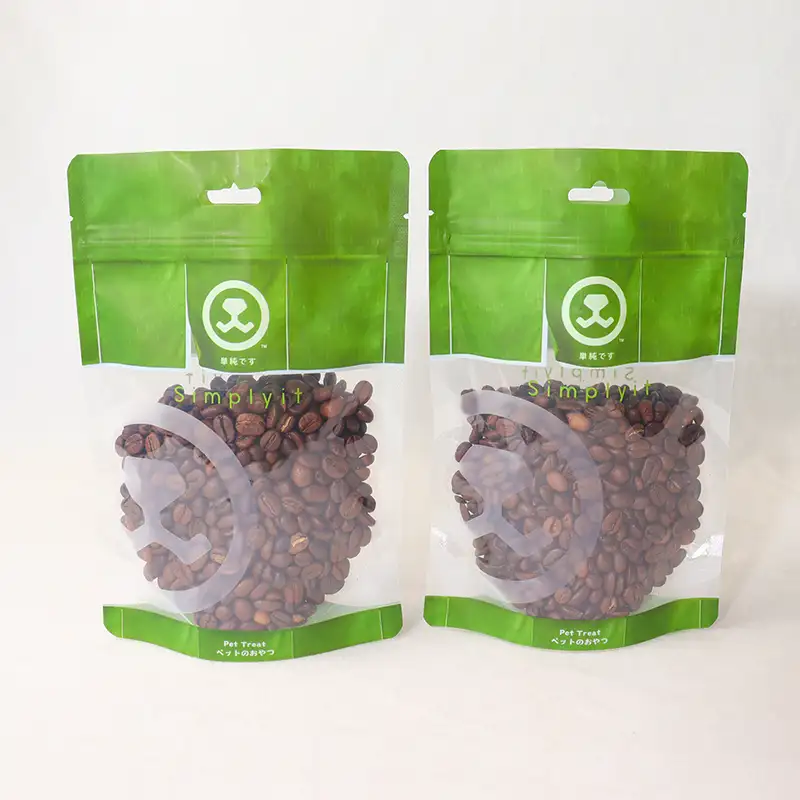
A stand up pouch (also called a doypack) uses a bottom gusset that expands when filled, allowing the package to stand upright on its own. The front and back panels offer generous print area, and the format accommodates add-ons like zippers, tear notches, hang holes, and clear windows.
Where It Excels
- Small to mid-size portions: Typically performs well from 200g up to around 5kg of premium dry kibble or treats.
- Shelf appeal: The curved bottom and taut panels create a clean, modern silhouette that stands out in retail displays.
- Resealability: Integrated press-to-close zippers help pet owners who wonder how to reseal dog food bag after opening without extra tools.
- Flexible material combinations: Laminates can include high-barrier films (PET/AL/PE or PET/VMPET/PE) that lock out moisture and oxygen.
Limitations to Consider
Stand up pouches can struggle with stability at higher fill weights. Once you exceed roughly 5–6 kg, the pouch tends to slouch or tip, which creates problems on retail shelves and in warehouses. The narrower footprint also means less surface area for regulatory text if your formula requires multi-language compliance panels.
Flat Bottom Bag: Structure, Strengths, and Ideal Use Cases
How It Works
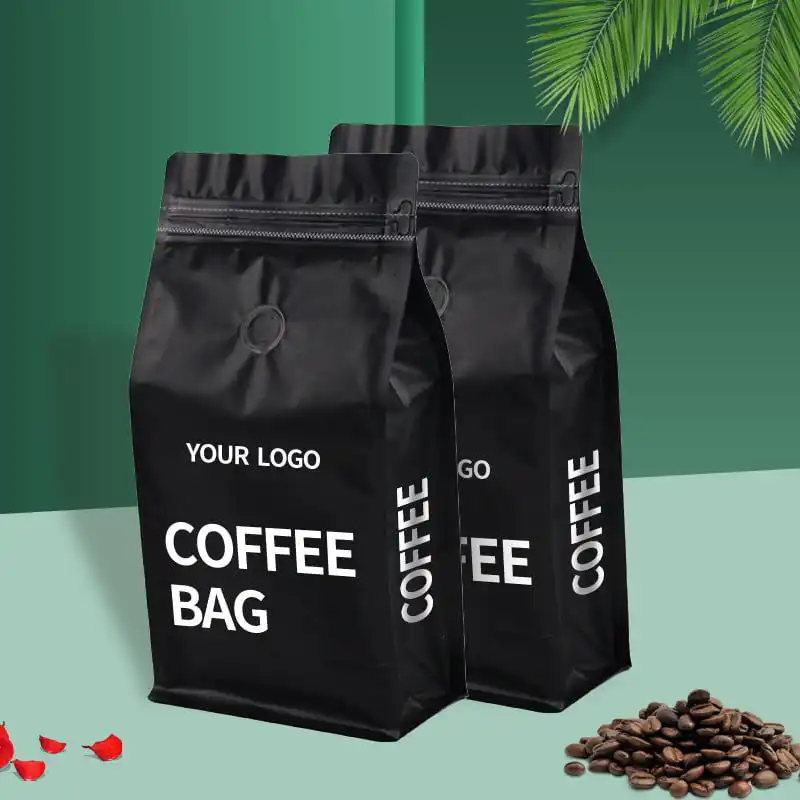
A flat bottom bag (sometimes called a box pouch or block bottom bag) features a rectangular base with four sealed corners. This creates a box-like shape that stands firmly and fills shelf space efficiently. Five printable panels—front, back, two side gussets, and the bottom—offer maximum branding real estate.
Where It Excels
- Heavier fills: Ideal for products ranging from 2kg to 15kg+, making it the go-to for large-format kibble packaging.
- Structural stability: The squared base distributes weight evenly, preventing tipping during transport and display.
- Premium perception: The boxy silhouette mimics rigid carton packaging, signaling quality without the cost or environmental footprint of a box.
- Ingredient storytelling: Side gusset panels give brands room to highlight grain-free recipe blend details, sourcing stories, and feeding guides.
Limitations to Consider
Flat bottom bags require slightly more complex machinery to form and fill, which can affect minimum order quantities. They also use more film per unit compared to a standard doypack of equivalent volume. For very small pack sizes (under 500g), the format can look oversized and wasteful.
Head-to-Head Comparison: Stand Up Pouch vs Flat Bottom Bag
The table below summarizes the practical differences across criteria that matter most when selecting packaging for animal nutrition products.
| Criteria | Stand Up Pouch | Flat Bottom Bag |
|---|---|---|
| Recommended fill weight | 200g – 5kg | 2kg – 15kg+ |
| Shelf stability | Good (may lean at higher fills) | Excellent (box-like base) |
| Printable surface area | 2 main panels + back | 5 panels (front, back, 2 sides, bottom) |
| Resealable zipper | Standard option | Standard option |
| Material efficiency | Higher (less film per unit) | Moderate (more film due to gussets) |
| Stacking in transit | Moderate | Strong (flat surfaces nest well) |
| Visual impact at retail | Sleek, modern | Structured, premium |
| Typical product fit | Treats, small-breed formulas, toppers | Full-size kibble, multi-pet households |
Freshness and Barrier Performance: What Actually Keeps Kibble Safe
Both formats can be manufactured with identical barrier structures. The real variable isn't the pouch shape—it's the laminate spec. For pet food, oxygen and moisture ingress are the primary enemies. Fats in kibble oxidize when exposed to air, producing off-flavors that even dogs will reject over time.
A typical high-barrier structure for pet nutrition storage might be PET (12μm) / AL (7μm) / PE (80–120μm). This combination delivers oxygen transmission rates below 0.1 cc/m²/day, keeping product fresh through a 12–18 month shelf life. Because we hold FDA and ISO 22000 certifications, we recommend food-contact-safe inks and adhesives that won't migrate into the product—a detail that matters when regulators audit your supply chain.
For brands exploring eco friendly dog food bag alternatives 2026, mono-material PE or PP laminates now offer improved barrier properties while remaining recyclable in soft-plastic streams. The trade-off is slightly lower puncture resistance, which can be offset with thicker gauge films or protective secondary packaging.
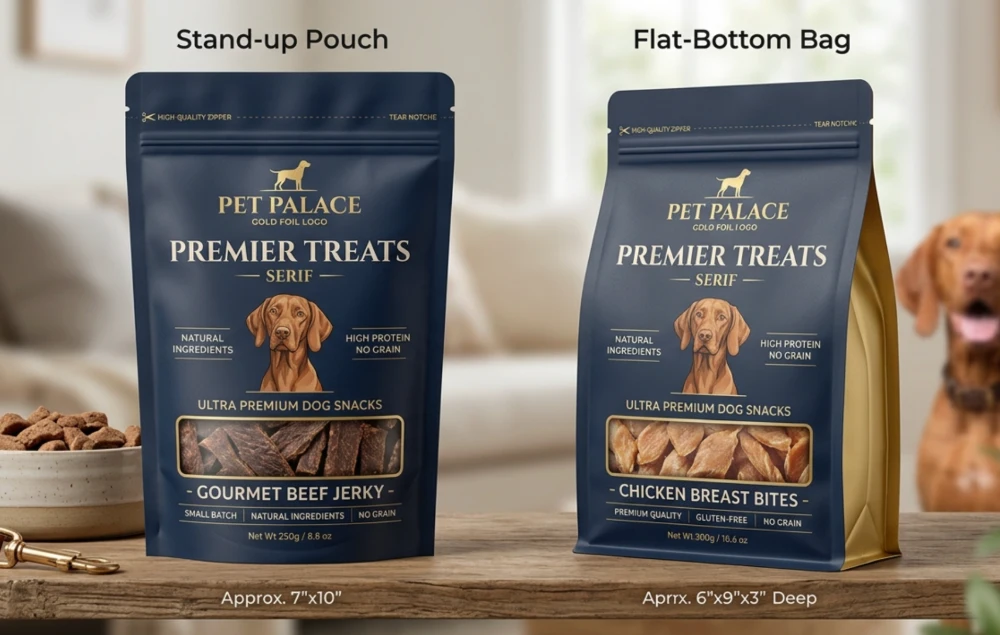
Choosing Based on Your Product Line and Brand Strategy
If You Sell Treats or Toppers (Under 2kg)
Stand up pouches are almost always the right call. They're cost-effective per unit, visually appealing at point of sale, and easy for consumers to store in a pantry. A dog food bag clip to keep fresh isn't even necessary when the integrated zipper does the job.
If You Sell Full-Size Kibble (5kg and Above)
Flat bottom bags deliver the structural integrity you need. They won't collapse during palletized shipping, and the box shape allows efficient case-packing. Many pet owners transfer large quantities into a bulk dog food container at home, but the bag itself still needs to survive transit and shelf time intact.
If You Offer Both Sizes
Working with brands across North America, we've found that the most common mistake is using the same format across all SKUs. A 500g treat pouch and an 8kg kibble bag have entirely different structural and logistical demands. Brands that match format to function reduce damage claims and improve unboxing experience—which, in the pet space, increasingly gets shared on social media.
Design and Branding Considerations
Pet owners today are drawn to clean, transparent packaging that communicates ingredient quality at a glance. A Packaged Facts report from early 2025 noted that 68% of premium pet food buyers read packaging claims before purchasing, and 41% said packaging design influenced their brand loyalty.
Flat bottom bags offer more printable area, which matters if your brand story requires space for certifications, sourcing maps, or QR codes linking to traceability data. Stand up pouches, by contrast, force you to prioritize—you get two strong visual panels and must make them count.
Our in-house design team often helps brands who only have a rough idea turn a napkin sketch into a production-ready layout. Whether you choose a doypack or a box pouch, the file setup differs (different dieline dimensions, bleed requirements, and gusset fold marks), so working with a supplier who handles both formats under one roof eliminates version-control headaches.
Sustainability: How Each Format Stacks Up
Sustainability isn't optional anymore—it's a purchasing criterion. Both formats can be produced in recyclable mono-material structures, but the flat bottom style uses roughly 15–25% more film per unit due to its additional gusset panels. That means slightly more material entering the waste stream per package.
However, flat bottom bags often replace rigid containers (tins, boxes with plastic liners), so the net material reduction can be significant. Stand up pouches already represent one of the lightest flexible packaging options available, making them a strong choice for brands targeting minimal environmental footprint.
At YLTPACK, we hold GRS (Global Recycled Standard) certification, which allows us to incorporate post-consumer recycled content into film structures without compromising food safety. This is a tangible differentiator for brands marketing to environmentally conscious pet owners.
Practical Logistics: Shipping, Storage, and Retail Display
Packaging doesn't exist in isolation—it must survive a supply chain. Here's how the two formats compare in real-world handling:
- Pallet efficiency: Flat bottom bags stack more uniformly due to their rectangular footprint, reducing void space in shipping containers.
- Unfilled storage: Both formats ship flat before filling, so warehouse space for empty packaging is similar.
- Retail shelving: Flat bottom bags can be merchandised face-out or side-out. Pouches require face-out display to remain visible.
- Consumer storage: Many buyers of larger formats pour contents into a large dog food bag holder with lid at home. The packaging still needs to be robust enough for the first pour-out.
As a manufacturer that has produced packaging for 20+ years, we see damage claims most often when brands choose a pouch format that's too lightweight for the fill weight. Overfilling a stand up pouch by even 10% can split bottom seals during transit. Specifying the correct format from the start avoids costly returns.
What About Resealability and Consumer Convenience?
Both formats support press-to-close zippers, slider zippers, and tin-tie closures. The choice depends on your target consumer's habits:
- Press-to-close zip: Cost-effective, works well for lightweight treats and small portions.
- Slider zip: Easier to open and close one-handed—appreciated by pet owners juggling a leash and a scoop.
- Velcro-style closure: Emerging option for resealable food packaging; less common but gaining traction in premium segments.
Regardless of closure type, the zipper track must be placed above the fill line. In our 6,800㎡ cleanroom facility, we test seal integrity under accelerated aging conditions to confirm that the closure performs through the product's full shelf life—not just at the point of sale.
Cost Factors: What Drives the Price Difference
We won't quote specific numbers here because custom packaging pricing depends on too many variables (material spec, print colors, order volume, closure type, and finishing options). However, these general principles hold:
| Cost Driver | Stand Up Pouch | Flat Bottom Bag |
|---|---|---|
| Film usage per unit | Lower | Higher (more panels) |
| Machine complexity | Standard | Slightly higher |
| Typical MOQ | Lower threshold available | Moderate threshold |
| Printing (per color/plate) | Comparable | Comparable (but more area) |
| Zipper add-on | Standard pricing | Standard pricing |
For startup brands testing the market, stand up pouches often offer a lower barrier to entry. Established brands scaling into club-store or warehouse formats typically migrate to flat bottom bags for structural reasons. The best approach is to get samples of both formats with your actual product inside and test real-world performance before committing to a full run.
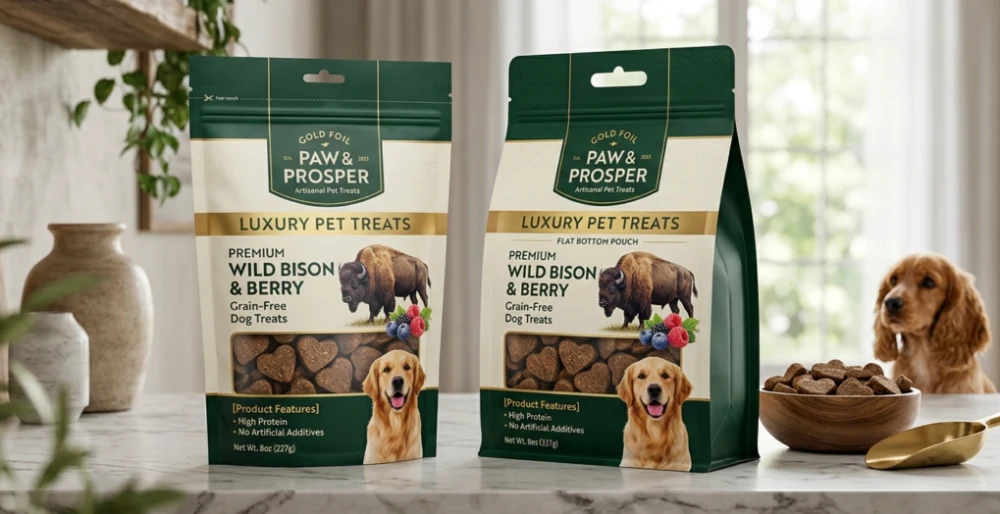
A Decision Checklist for Your Brand
Use this checklist to narrow your choice before reaching out to a packaging partner:
- ☐ What is your fill weight per SKU? (Under 5kg → pouch likely wins. Over 5kg → flat bottom likely wins.)
- ☐ Where will the product be displayed? (Eye-level shelf, floor display, e-commerce only?)
- ☐ How much branding space do you need? (Multiple certifications, multi-language text, large imagery?)
- ☐ What's your sustainability commitment? (Mono-material, PCR content, recyclability claims?)
- ☐ What's your current order volume? (Lower volume → start with format that has lower MOQ.)
- ☐ Does your product need extra puncture resistance? (Bone-shaped treats, sharp kibble edges?)
How YLTPACK Supports Both Formats Under One Roof
Whether you choose a stand up pouch, a flat bottom bag, or a mix of both across your product line, working with a single supplier simplifies coordination. YLTPACK operates as a direct manufacturer with full control over printing, laminating, bag-making, and quality inspection—no middlemen adding cost or communication delays.
Our capabilities include rotogravure printing up to 10 colors, solvent-free lamination, and in-line quality cameras that catch registration errors before they become a batch problem. For brands that need the best dog food bag storage container-ready packaging, we engineer seal strengths and material rigidity to ensure the product arrives intact whether it ships across town or across the ocean.
If you're comparing options or need samples to evaluate fit, reach out directly:
- WhatsApp: +86 182 1944 5665
- Email: [email protected]
Frequently Asked Questions
Can a stand up pouch handle 10kg of kibble?
Technically possible with reinforced seals and thicker film, but not recommended. At that weight, stability becomes an issue and burst risk during shipping increases. A flat bottom bag is the safer, more reliable choice for anything above 5–6kg.
Which format is better for e-commerce pet food brands?
Flat bottom bags tend to perform better in e-commerce because their rigid shape survives courier handling with less deformation. Stand up pouches work fine for lighter products (treats, supplements) shipped in corrugated mailers. The key is matching the format to the transit stress your product will face.
Are flat bottom bags recyclable?
They can be, if made with mono-material structures (all-PE or all-PP laminates). Multi-material laminates with aluminum foil are not recyclable in most municipal systems. Ask your supplier whether they offer mono-material options that still meet your barrier requirements.
How do I keep kibble fresh after opening a large package?
Use the integrated zipper to push out air before resealing. For maximum freshness, store the opened package in a cool, dry area away from sunlight. Some pet owners place the entire package inside a dedicated container with a sealing lid for extra protection against humidity and pests.
What's the typical lead time for custom-printed pet food packaging?
From artwork approval to delivery, expect 20–35 days depending on material availability, print complexity, and order quantity. Pre-production samples (color proofs, physical mockups) typically take 5–7 days. Planning two production cycles ahead ensures you never face a stock-out between runs.