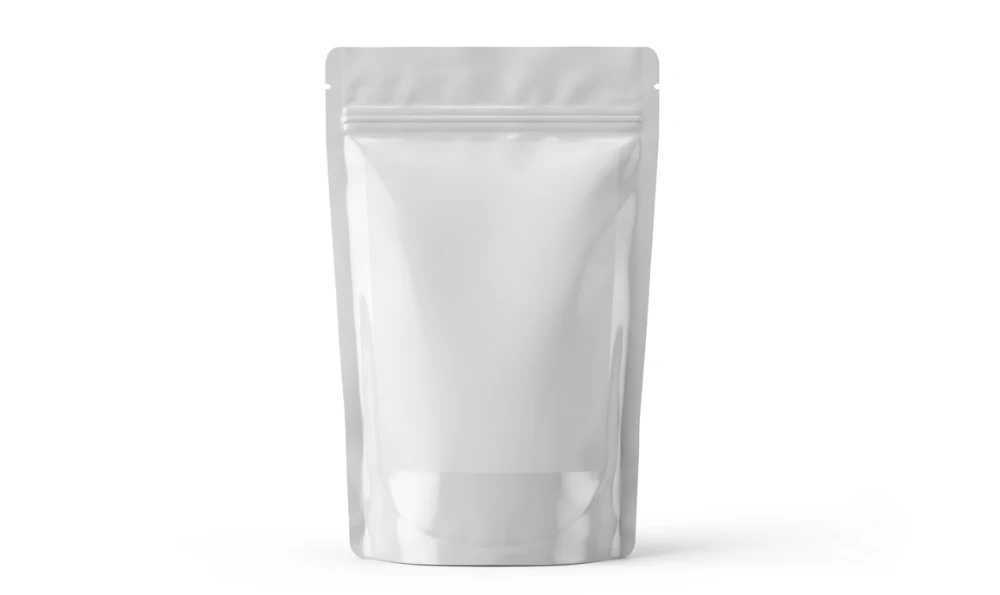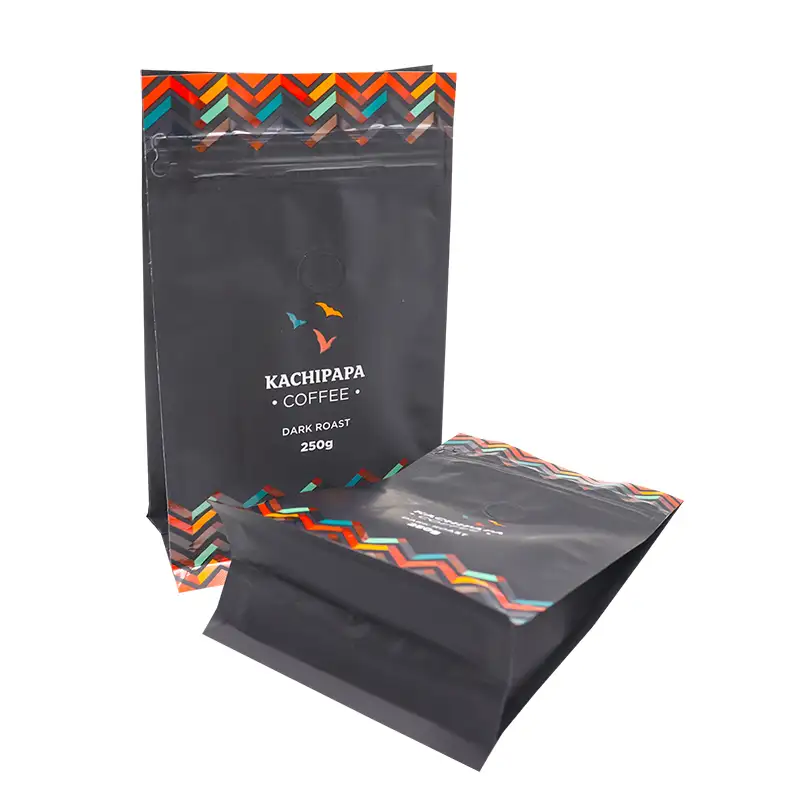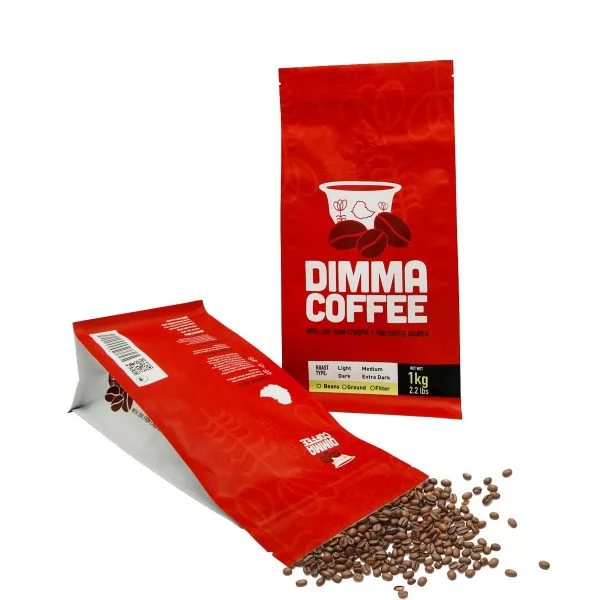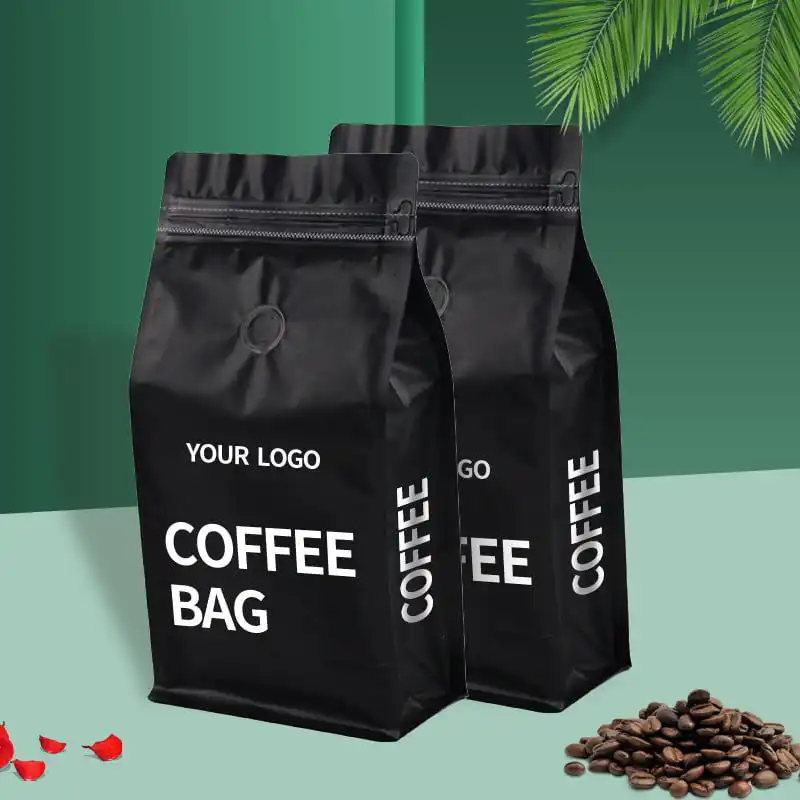
If you want the short version, here it is: to create standout packaging for your roast, you start with the coffee itself (grind, freshness needs, batch size), pick a material with a strong oxygen barrier, add a one-way degassing valve and a resealable closure, then layer your brand story onto a print-ready file. Knowing how to design custom coffee bags really comes down to balancing three things at once: protecting flavor, telling your story, and fitting your budget. Below, we'll walk through each stage the way we've done it with hundreds of roasters.
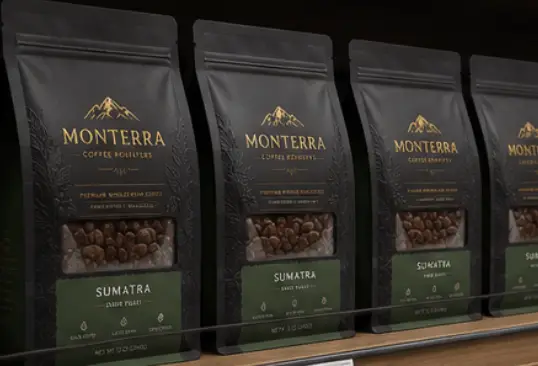
Why Your Bag Does More Than Hold Beans
Coffee is stubborn. The moment beans hit oxygen, light, and moisture, aroma compounds start slipping away. A well-built pouch is the only thing standing between a fresh roast and a flat, stale cup.
That's why packaging is a flavor decision, not just a marketing one. The right structure locks in volatile aromatics and buys you weeks of shelf life.
As a manufacturer that has produced packaging for 20+ years, we've seen roasters lose repeat customers over one thing: a bag that couldn't keep the coffee tasting the way it did on roast day. Get the barrier right, and the design work becomes the fun part.
Step 1: Define What Your Coffee Actually Needs
Before you touch a single color swatch, answer a few practical questions. These shape every decision that follows.
- Whole bean or ground? Ground coffee off-gasses faster and needs a reliable valve.
- How fast will it sell? Fast turnover forgives thinner materials; slow shelves demand higher barriers.
- What batch size? A 250g retail pouch and a 5lb wholesale sack are engineered very differently.
- Where will it live? A sunny café shelf calls for opaque, light-blocking film.
Our in-house design team often helps brands who only have a rough idea at this stage, turning "I roast a medium blend for cafés" into a clear spec sheet. This foundation saves costly reprints later.
Step 2: Choose the Right Bag Style
Format affects shelf presence, filling speed, and cost. Here's how the common shapes compare so you can match one to your product.
| Bag Style | Best For | Shelf Presence | Notes |
|---|---|---|---|
| Flat bottom (box pouch) | Premium retail, 250g–1kg | High, stands tall | Five printable panels, modern look |
| Side gusset | Wholesale, larger volumes | Medium | Classic coffee shape, cost-efficient |
| Stand-up pouch | Small-batch retail, samples | High | Flexible, great for resealable closures |
| Flat/pillow pouch | Single-serve, drip bags | Low | Lowest cost, minimal footprint |
If you're a startup testing a few blends, the stand-up pouch is a friendly place to begin. Figuring out how to design custom coffee bags for small business usually means starting with a versatile format and low minimums before committing to a signature shape.
Step 3: Get the Material and Barrier Right
This is where flavor is won or lost. The film structure determines how well your pouch blocks oxygen and moisture, measured by its oxygen transmission rate (OTR). Lower numbers mean better protection.
Because we hold FDA and ISO 22000 certifications, we recommend food-safe laminates matched to your shelf life rather than a one-size-fits-all film. Here's a simple way to think about the trade-offs.
| Material Type | Barrier Level | Sustainability | Good Fit |
|---|---|---|---|
| Foil-lined laminate | Excellent | Lower (multi-layer) | Long shelf life, export |
| Metalized film (PET/VMPET) | Very good | Moderate | Most retail roasts |
| Kraft with inner liner | Good | Moderate, natural look | Artisan, rustic branding |
| Recyclable mono-material (PE) | Good, improving | High | Eco-focused brands |
| Compostable (PLA/kraft) | Moderate | Highest | Fast-turnover, local sales |
Sustainability is no longer a nice-to-have. A 2023 NielsenIQ study found products marketed as sustainable grew faster than conventional counterparts across many categories, and coffee shoppers increasingly read the back of the pack.
If eco-credentials matter to your audience, the approach to design eco-friendly custom coffee bags with a resealable zipper is to pair a recyclable or compostable film with a matching recyclable closure, so the whole pack stays consistent with your promise.
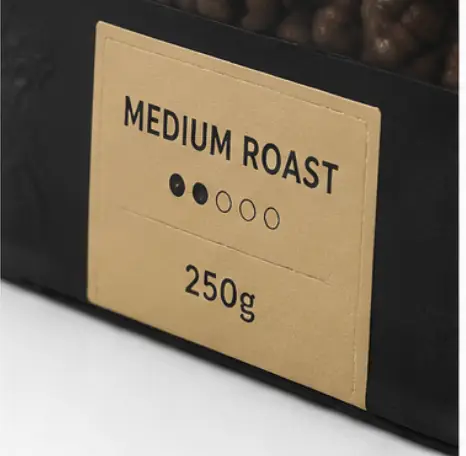
Step 4: Add the Functional Features Coffee Demands
Two features separate serious coffee packaging from generic pouches. Skip them and you'll hear about it from customers.
The One-Way Degassing Valve
Fresh-roasted beans release CO2 for days. Without an escape route, bags puff up or burst; with an open hole, oxygen rushes in. A one-way valve vents gas while keeping air out.
When planning how to design printed custom coffee bags with a valve, place the valve where it won't clash with your logo or text, usually the lower third of the front or back panel. We can position it before printing so nothing overlaps awkwardly.
The Resealable Closure
People rarely finish a bag in one sitting. A press-to-close zipper or tin-tie keeps the remaining beans fresh and signals quality every time the customer opens it.
Step 5: Build a Design That Sells on the Shelf
Now the creative part. Your pouch competes with dozens of others in a three-second glance, so clarity beats clutter.
- Hierarchy: Brand name, then roast/origin, then details. Make the two most important things readable from a step back.
- Color psychology: Dark tones suggest bold roasts; brighter palettes read as light and fruity.
- Origin storytelling: A farm name or tasting notes builds trust and justifies premium pricing.
- Legal must-haves: Net weight, roast date, contact info, and any certification marks.
Working with roasters across North America, we've found that the most common mistake is cramming every award and adjective onto the front panel. White space is your friend.
If you're handling artwork yourself, plenty of brands start by learning how to design custom coffee bags with a logo online using free mockup tools, then hand the flattened concept to a packaging team for print-ready cleanup. That hybrid path keeps creative control while avoiding technical errors.
Step 6: Prepare Print-Ready Artwork
A beautiful screen design can fall apart in production if the file isn't set up correctly. A few technical details make the difference between a crisp result and a fuzzy one.
- Resolution: 300 DPI at final size, no upscaled web images.
- Color mode: CMYK for process printing, or Pantone spot colors for exact brand matching.
- Bleed and safe zone: Extend backgrounds past the trim, keep text away from edges and seals.
- Vector logos: Provide AI, EPS, or PDF so lines stay sharp at any size.
In our 6,800㎡ cleanroom facility, files are checked against a proof before the press runs, because catching a low-res logo on screen is far cheaper than catching it on 10,000 printed pouches.
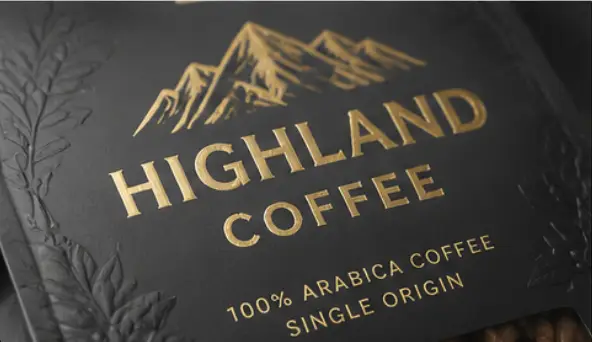
Step 7: Plan for Volume and Ordering
Once your design is locked, think about how it scales. Retail pouches and bulk formats follow different logic, and planning early prevents supply headaches.
For larger operations, the key to design custom coffee bags for wholesale packaging is standardizing a few core formats and sizes so you can reorder quickly and keep unit economics healthy across your lineup. Consistency at scale beats a dozen slightly different specs.
A quick pre-production checklist keeps everyone aligned:
- Final bag style and dimensions confirmed
- Material and barrier matched to shelf life
- Valve and closure positions marked
- Print-ready artwork approved via proof
- Reorder quantities and lead time agreed
Common Pitfalls to Sidestep
A few recurring issues trip up even experienced roasters. Watch for these.
- Wrong barrier for the shelf life: A thin film on a slow-moving specialty roast means stale beans.
- Forgetting the roast date field: Freshness is your selling point; make room to print or stamp it.
- Ignoring fill line clearance: Automated fillers need proper headspace and seal area.
- Chasing trends over legibility: A design that looks great on Instagram but is unreadable on a shelf costs sales.
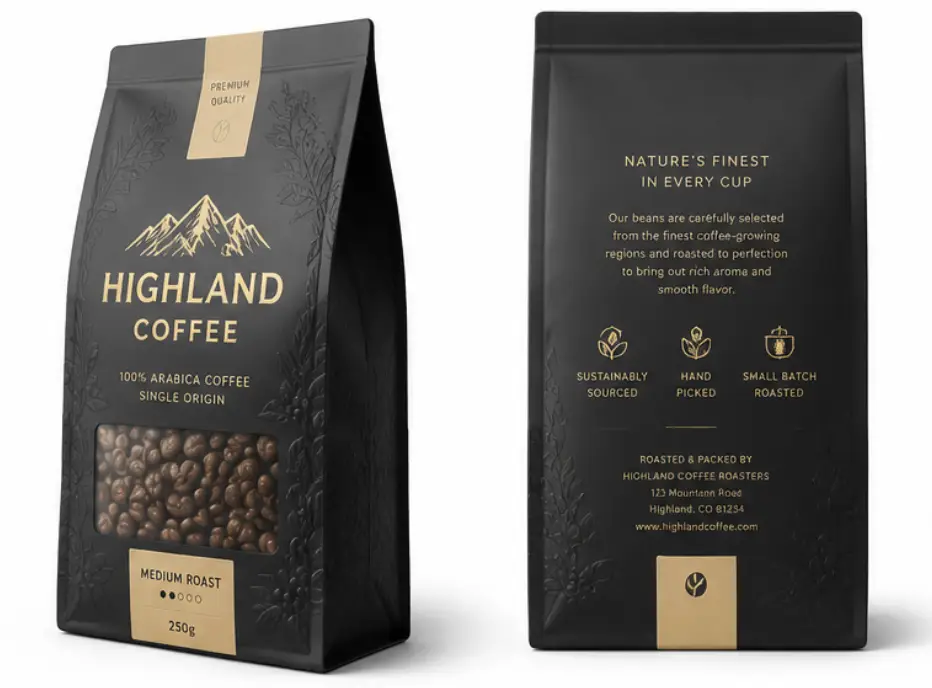
Choosing a Packaging Partner You Can Trust
The right supplier does more than print your art. They flag problems early, suggest materials you hadn't considered, and stand behind food-safety compliance.
YLTPACK has spent more than two decades helping roasters and other food brands move from a rough sketch to shelf-ready packaging, backed by FDA, ISO 9001, ISO 22000, and GRS certifications for those who need recyclable content documented. That paperwork matters when you export or sell to larger retailers who ask for it.
When you're ready to talk specs, samples, or artwork, you can reach the YLTPACK team on WhatsApp at +86 182 1944 5665 or by email at [email protected]. Bring whatever you have, even a napkin sketch, and we'll help shape it into something press-ready.
Wrapping It Up
Great coffee packaging is a series of small, informed choices: the right barrier for freshness, a valve and zipper for function, and a clean design that earns a second look. Start with what your coffee needs, then let the branding follow.
Do this well and your pouch becomes a silent salesperson, protecting flavor and building loyalty with every reseal. Take it one step at a time, lean on a partner who knows the craft, and your beans will arrive tasting exactly as you intended.
Frequently Asked Questions
What is the minimum order for custom coffee packaging?
Minimums vary by material and printing method. Digital printing supports smaller runs, which suits new brands testing a blend, while gravure printing is more economical at higher volumes. Share your target quantity and we'll advise the most sensible route for your stage.
Do I really need a degassing valve on every bag?
For whole beans and ground coffee sold within days of roasting, yes. Freshly roasted beans release CO2, and a one-way valve vents that gas without letting oxygen in. If you rest beans fully before packing, some formats can skip it, but most roasters benefit from including one.
Can I make my coffee packaging recyclable or compostable?
Absolutely. Recyclable mono-material films and compostable kraft-based structures both exist, each with different barrier levels. The trade-off is usually shelf life, so we match the eco option to how quickly your coffee sells.
How long does the whole process take?
From approved artwork to finished pouches, timelines typically run a few weeks depending on print method, quantity, and any special features. Building in time for the proof stage prevents rushed mistakes and reprints.
What files do I need to provide for printing?
Ideally a vector logo (AI, EPS, or PDF) plus your layout at 300 DPI with bleed and safe zones set. If you only have a concept, our design team can build the print-ready file with you, so you don't need to be a graphics expert to get a polished result.