Why Shelf Life Comes Down to One Material Decision
let's settle the big question that lands in my inbox almost weekly. Should you go with a metallic barrier pouch or a see-through one when freshness over time is your top priority? Let's break it down together.
The Core Difference: What Each Material Actually Blocks
Before we compare, you need to understand the three enemies of shelf life: oxygen, light, and moisture. Each material handles these threats differently, and that gap matters enormously.
How the Metallic Option Protects Your Product
A foil-based structure adds a thin layer of metal sandwiched between plastic films. That metal layer is the hero here. It creates an almost total wall against oxygen, UV light, and water vapor.
This is why an aluminium foil spout pouch is the go-to for products that spoil fast or lose potency when exposed. Think nutritional shakes, medical liquids, and oxygen-sensitive food concentrates.
What the Transparent Option Offers Instead
A clear pouch is typically built from layers like PET, nylon, and polyethylene. It blocks moisture reasonably well, but light and oxygen pass through far more easily. The trade-off? Customers can see exactly what they're buying.
That visibility is a genuine selling point for juices, smoothies, and artisanal items where color signals quality. People trust what they can see.
Shelf Life Head-to-Head: The Numbers That Matter
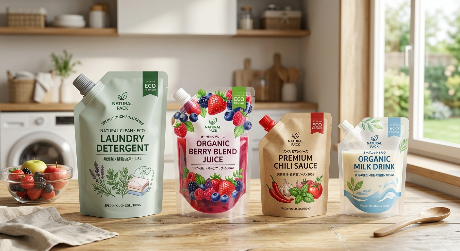
Talk is cheap, so let's look at how these two structures perform on the metric that counts. The figures below reflect typical industry barrier testing and our own production data gathered through 2025.
| Performance Factor | Foil Barrier Pouch | Clear Pouch |
|---|---|---|
| Oxygen Transmission Rate (OTR) | Near zero (<0.1 cc/m²/day) | Moderate (15–50 cc/m²/day) |
| UV Light Protection | 100% blocked | Minimal unless coated |
| Moisture Barrier (MVTR) | Excellent | Good |
| Typical Shelf Life | 12–24 months | 3–9 months |
| Product Visibility | None (opaque) | Full |
| Best For | Sensitive liquids, long storage | Fresh-look products, fast turnover |
The pattern is clear. When longevity is the priority, the metallic structure wins by a wide margin. When visual appeal drives sales and turnover is quick, transparency earns its place.
Matching the Pouch to Your Actual Product
There's no universal winner here. The right call depends entirely on what you're filling and how long it needs to last. Here's how I guide brands through this choice.
Choose the Foil Structure When...
- Your product is oxygen-sensitive (protein drinks, baby food, certain oils)
- You need 12+ months of stability for distribution or export
- Light degrades your ingredients (vitamins, omega oils, cold-brew coffee)
- You ship to hot, humid climates where moisture is a constant threat
Choose the Clear Structure When...
- Color and texture are your main selling points (fresh juices, jellies)
- Your product moves off shelves within a few months
- Customers expect to see the contents before buying
- You want a premium, transparent "nothing to hide" brand story
As a manufacturer that has produced packaging for 20+ years, we've found the most common mistake is brands picking looks over function, then losing money on returns when products spoil early.
The Hybrid Solution Most Brands Don't Know About
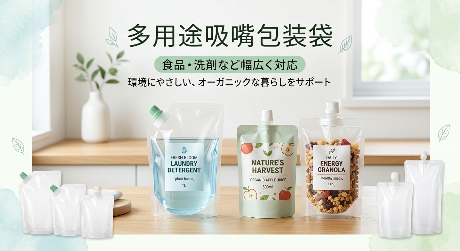
Here's something that surprises a lot of founders. You don't always have to pick one extreme. A flexible aluminium pouch can include a clear window panel, giving you strong protection plus a peek at the product.
This middle path works beautifully for premium sauces, dressings, and concentrates. You get most of the barrier benefits while still letting the color do some marketing work.
Our in-house design team often helps brands who only have a rough idea, turning a "I want both protection and visibility" sketch into a production-ready structure. It's one of the most requested compromises we build.
The Spout Detail That Quietly Affects Freshness
People obsess over the pouch body and forget the spout. That's a mistake. The cap and spout assembly is where air sneaks back in after the first pour.
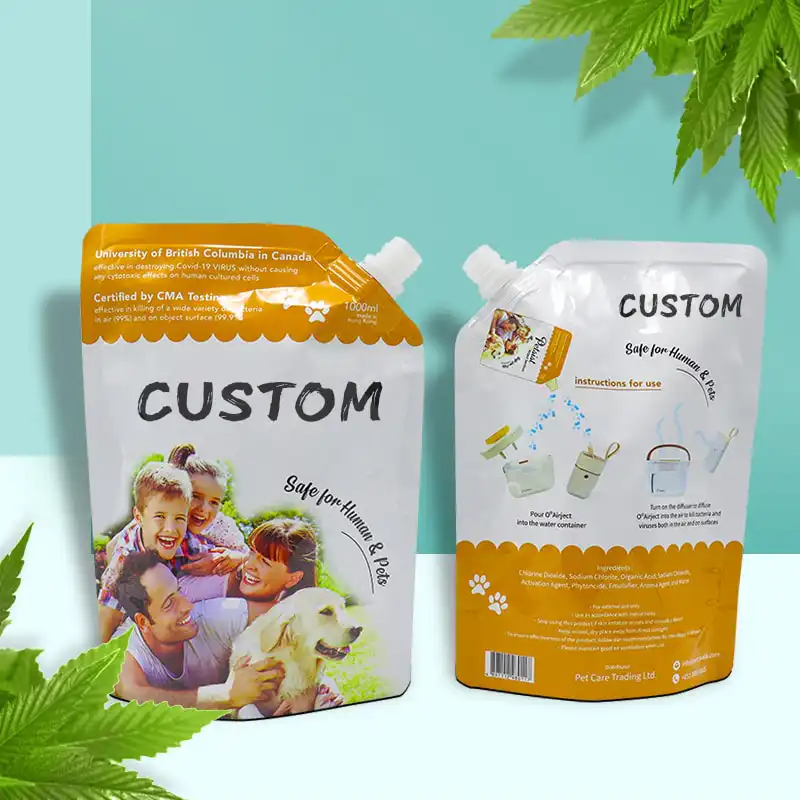
A quality resealable spout pouch keeps oxygen out between uses, which directly extends freshness for products consumed over several days. A loose or poorly fitted cap can undo all the barrier work the film does.
Spout Placement and Format Tips
- Top-center spout: best for pouring liquids like sauces and detergents
- Corner spout: ideal for controlled flow and on-the-go drinks
- Bottom spout: common for bulk dispensing and refill packs
Because we hold FDA and ISO 22000 certifications, we recommend matching spout material to your product's pH and fill temperature. A hot-fill juice and a room-temperature cleaner need very different cap specs.
Standing Out on the Shelf and in the Cart
Freshness matters, but so does whether anyone picks up your product in the first place. The format you choose shapes both shelf presence and online unboxing moments.
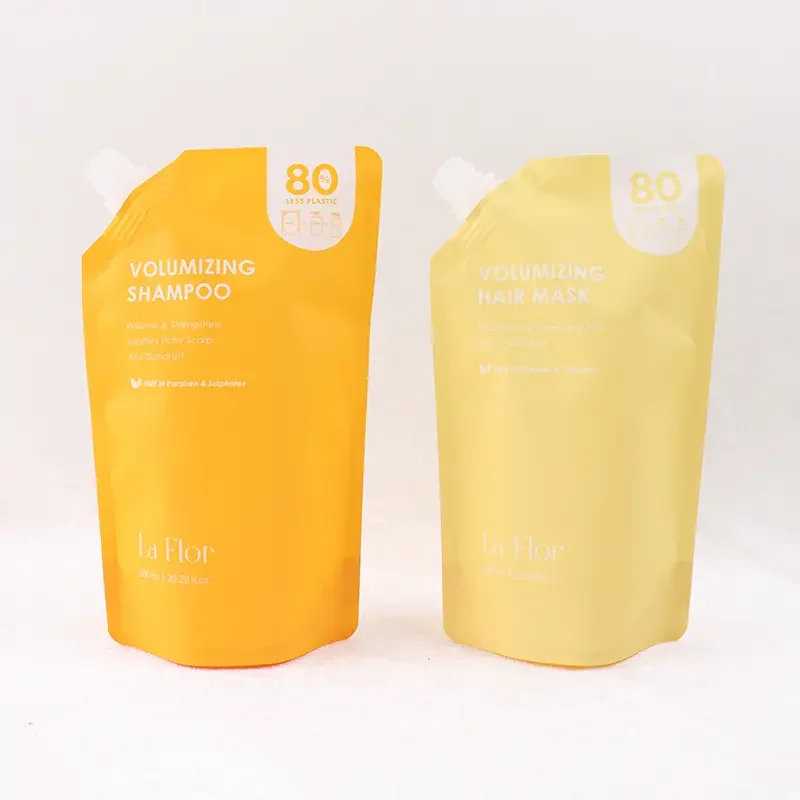
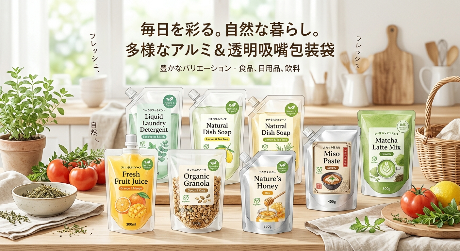
A stand up spout pouch packaging format props itself upright on retail shelves, grabbing attention at eye level. It also photographs well, which matters when customers share purchases on social media.
Working with brands across North America, we've seen upright formats lift shelf visibility noticeably compared to flat pouches that flop over and hide the label.
Sustainability: The Question Buyers Ask More Every Year
Shoppers increasingly read the back of the pack for recycling claims. According to industry surveys from 2024, a majority of consumers say packaging eco-credentials influence their purchase. So this isn't a niche concern anymore.
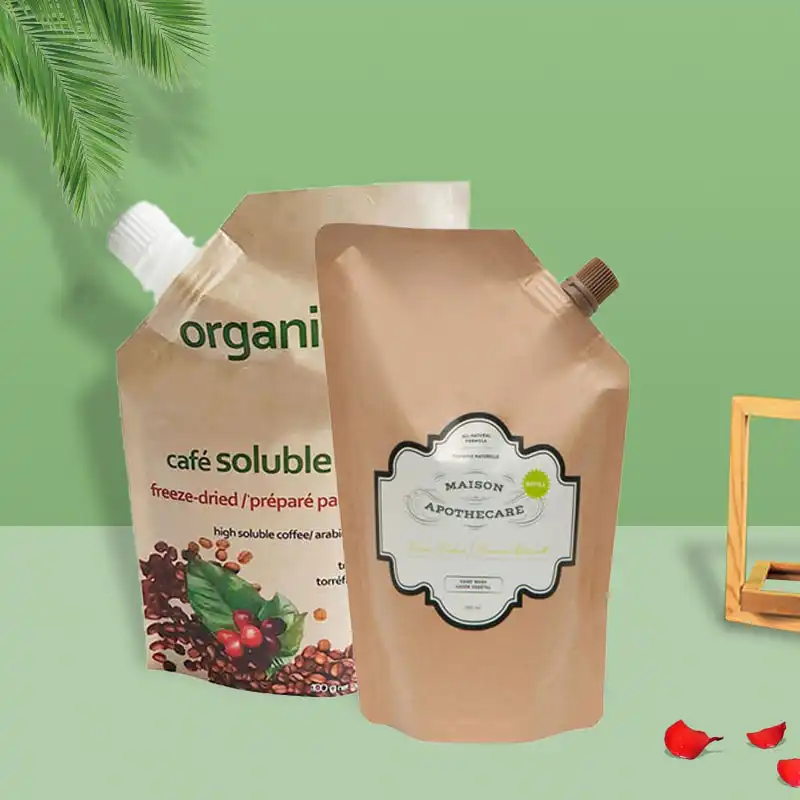
Traditional foil structures are tough to recycle because they mix metal and plastic. Newer mono-material and recyclable barrier films are closing that gap fast, offering strong protection with easier end-of-life handling.
In our 6,800㎡ cleanroom facility, we produce GRS-certified recycled-content options for brands that want barrier strength without sacrificing their environmental story. You genuinely can have both these days.
Cost vs. Value: Thinking Beyond the Sticker
Foil structures usually carry a higher upfront unit cost than clear ones. But focusing only on that number misses the bigger picture.
Consider the cost of spoiled inventory, customer returns, and damaged reputation when a cheaper pouch fails early. A slightly higher packaging spend that doubles shelf life often pays for itself many times over.
My advice? Calculate cost per "successfully delivered fresh product," not cost per empty pouch. That reframe changes the decision for most brands I work with.
A Quick Decision Checklist
Still on the fence? Run through these questions and your answer will likely become obvious.
- Does my product degrade when exposed to light or air? → Lean foil
- Is the visual appearance my main selling point? → Lean clear
- Do I need 12+ months of shelf stability? → Lean foil
- Will it sell within a few months? → Clear is fine
- Do I want both? → Ask about a window or hybrid build
- Am I shipping to hot, humid regions? → Strongly favor foil
Bringing It All Together
If long shelf life sits at the top of your priority list, the metallic barrier structure is almost always the smarter pick. It locks out the oxygen, light, and moisture that quietly ruin products before their time.
Clear pouches still shine for fast-moving, visually driven products where freshness windows are short. And for everyone caught in between, a windowed or hybrid build offers a genuine "have your cake and eat it" path.
The real win comes from matching the structure to your specific product, supply chain, and brand promise. Get that match right and freshness stops being a worry. If you'd like a second opinion on your build, reach out at [email protected] or WhatsApp +86 182 1944 5665, and the YLTPACK team will help you weigh the options.
Frequently Asked Questions
How much longer does a foil structure keep liquids fresh compared to a clear one?
In most cases, a metallic barrier extends shelf life two to three times longer. A liquid packaging pouch with spout built from foil can hold 12 to 24 months of freshness, while a clear equivalent typically manages 3 to 9 months, depending on the product and storage conditions.
Can I get product visibility without losing barrier protection?
Yes. A foil pouch with a clear window panel gives you strong oxygen and light protection while letting customers glimpse the contents. It's a popular compromise for premium sauces, dressings, and concentrates.
Does the spout and cap really affect shelf life that much?
It does, especially for products used over several days. A well-sealed, resealable cap keeps air out between pours, while a poorly fitted one lets oxygen back in and shortens freshness regardless of how good the film is.
Are foil pouches recyclable?
Traditional foil-plastic laminates are difficult to recycle, but newer recyclable barrier films and mono-material structures are changing that. Recycled-content and GRS-certified options now let brands keep strong protection with a better environmental profile.
How do I choose the right format for retail shelves?
Upright formats that stand on their own tend to win at eye level and photograph well for social sharing. Match the spout position to how the product is poured, and consider your shelf space and target customer's habits before finalizing the structure.