If you are weighing side gusset bag vs stand up pouch for your next product launch, here is the short version: choose a side gusset style when you sell higher-volume, weight-heavy goods like whole-bean coffee or kibble, and choose a stand-up style when shelf presence, resealability, and smaller portions matter most. Both are excellent flexible options—the "right" one simply depends on your product weight, how customers use it, and where it sits on the shelf.
The 30-Second Decision Guide
Before we dive deep, use this quick gut-check. If most of these describe your product, the answer usually becomes obvious fast.
| If your product is… | Lean toward |
|---|---|
| Heavy (500g–5kg), bulk, or refill-style | Side gusset design |
| Light (50g–500g), premium, retail-shelf focused | Stand-up design |
| Sold mostly online with unboxing appeal | Stand-up design |
| Needs to stack tightly in cartons for shipping | Side gusset design |
| Opened and resealed daily by the customer | Stand-up design (with zipper) |
What Exactly Are We Comparing?
These two packaging styles look different for a reason. Understanding the shape tells you almost everything about their strengths.
The side gusset bag
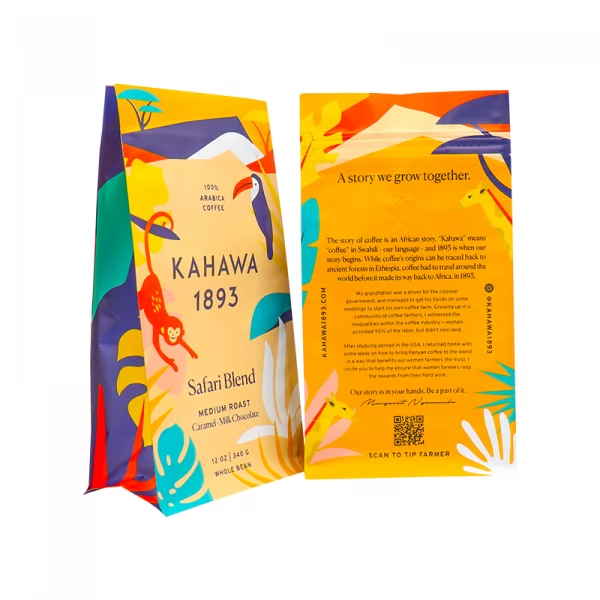
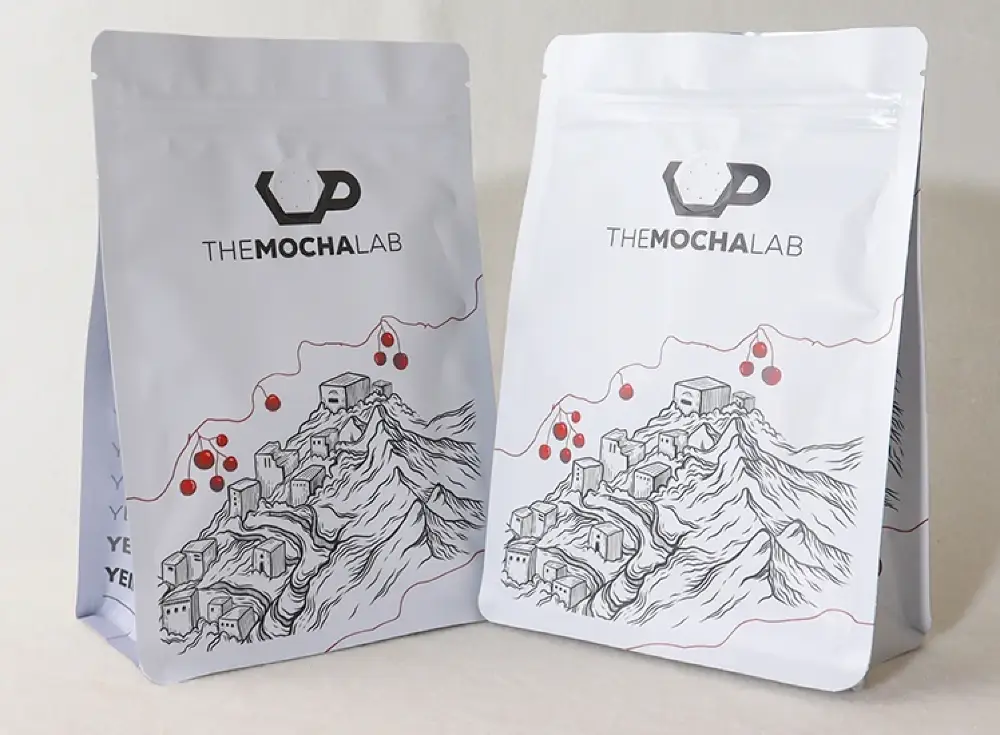
Picture the classic coffee bag with folded pleats on both sides and a flat bottom or block bottom. Those side folds expand as you fill the bag, giving it serious volume capacity in a slim footprint. It's built for density—think whole beans, grains, powders, and larger fills.
This style also stacks beautifully. The rigid, boxy shape means cartons pack efficiently, which shippers and warehouse teams quietly love.
The stand up pouch
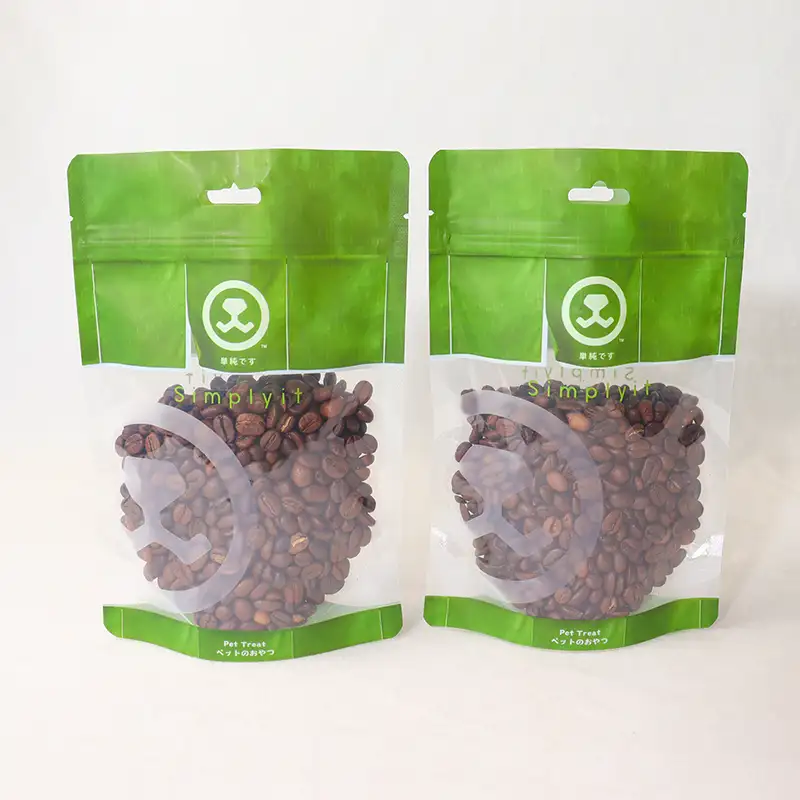
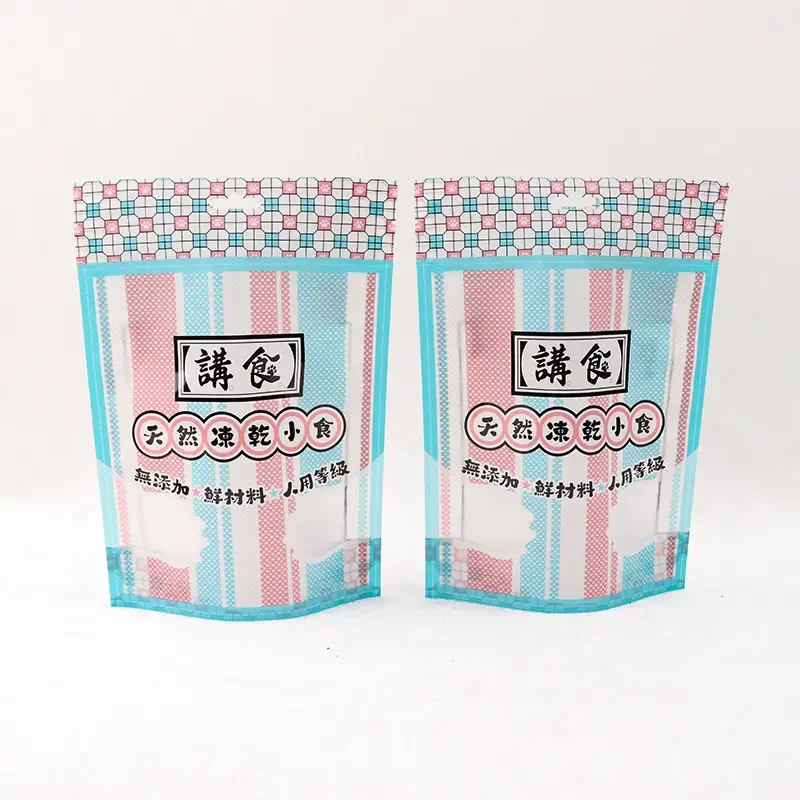
This is the pouch that props itself upright on a shelf, thanks to a folded bottom gusset that opens into an oval base. Add a resealable zipper and a matte or glossy finish, and you have the format dominating retail snack and supplement aisles.
Its flat front and back panels are prime real estate for bold graphics—one reason so many launch brands gravitate here first.
Head-to-Head: The Details That Actually Matter
Let's move past shape and into the factors that hit your budget and your customer's experience. Here is how the two stack up across the criteria buyers ask us about most.
| Factor | Side Gusset Style | Stand-Up Style |
|---|---|---|
| Best fill range | 250g – 5kg+ | 30g – 1kg |
| Shelf standability | Moderate | Excellent |
| Print/branding area | Good (front + back) | Excellent (large flat panels) |
| Shipping/stacking efficiency | Excellent | Moderate |
| Resealability | Tin-tie or zipper | Zipper (standard) |
| Typical cost per unit | Lower at high volume/weight | Competitive at small fills |
Freshness and barrier protection
When customers compare the two on a side gusset bag vs stand up pouch shelf life comparison, the honest truth is that shelf life comes from the film structure, not the shape. A high-barrier laminate with foil or metallized layers keeps oxygen and moisture out regardless of format.
Because we hold FDA and ISO 22000 certifications, we recommend matching the barrier film to your product's real enemy—oxygen for coffee, moisture for powders, light for supplements. Get the film right and both formats can protect a product for 12 months or more.
Cost per unit realities
Everyone wants the cheaper option, but the smart question in a side gusset bag vs stand up pouch cost per unit analysis is "cheaper at what volume and weight?" For large fills, the boxy style often wins because it uses material efficiently for the volume it holds.
For smaller retail portions, the upright pouch frequently comes out ahead, since it needs less film per bag. As a manufacturer that has produced flexible packaging for 20+ years, we've seen that the biggest cost driver is usually order volume and film choice—not the format alone.
Coffee: A Category Where Shape Really Matters
Coffee is the classic battleground for these two styles. If you roast and sell whole beans, freshly roasted coffee off-gasses CO₂, so a one-way degassing valve is non-negotiable.
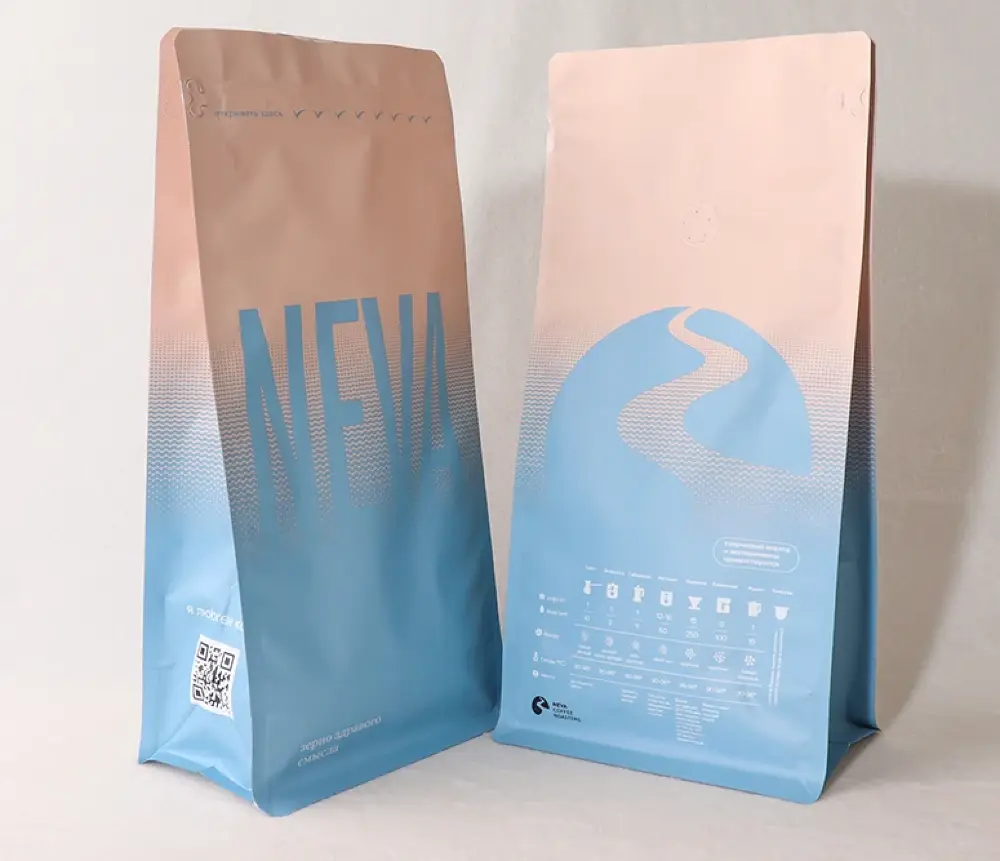
In the debate over a side gusset bag vs stand up pouch for coffee packaging, the folded-side format has long owned the specialty coffee look—tall, slim, premium. It holds 250g–1kg easily and reads "artisan roaster" on the shelf.
That said, upright pouches with valves are surging for single-origin and sample sizes because they stand out on cafe counters and pour neatly. Aroma retention comes down to the valve quality and the oxygen barrier, so both can keep beans fresh—choose based on the story you want to tell.
Pet Food: Weight, Trust, and Repeat Buyers
Pet parents read labels like their pet's health depends on it—because they believe it does. Ingredient transparency and a resealable closure are huge trust signals in this category.
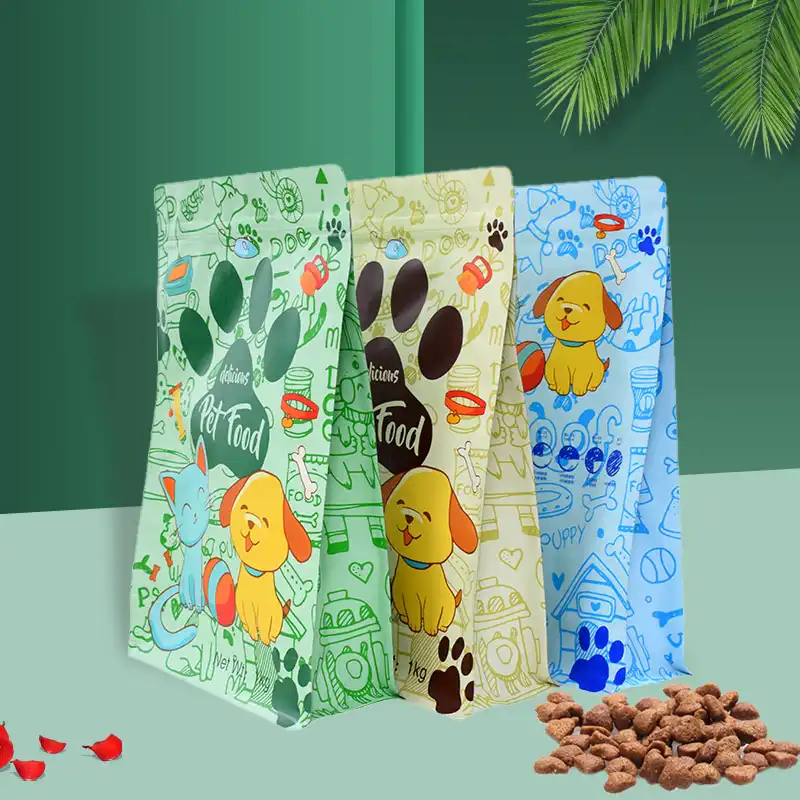
For a side gusset bag vs stand up pouch for pet food storage decision, weight is the deciding line. Large kibble bags (2kg–5kg+) call for the block-bottom, gusseted build that carries weight and stacks on retail pallets.
Smaller treats, freeze-dried toppers, and single-serve packs thrive in upright pouches with a wide print area for feeding guides and clean-label callouts. Working with brands across North America, we've found the most common mistake is over-sizing the bag, which leaves treats rattling in half-empty packaging.
How to Choose: A Simple Checklist
When you are still torn on the best flexible packaging side gusset bag or stand up pouch question, run through these five points. Answer them honestly and your format usually reveals itself.
- Weight: Under 500g leans upright; over 1kg leans gusseted.
- Sales channel: Online-first favors the photogenic upright pouch; bulk retail favors the stackable gusset.
- Usage: Daily open-and-reseal rewards a sturdy zipper.
- Branding: Need a big graphic canvas? The flat-panel pouch wins.
- Logistics: Tight carton stacking and pallet efficiency favor the boxy format.
Where Custom Design Makes the Difference
Here is a reassuring truth: you don't have to choose perfectly on your own. Many brands come to us with a rough sketch and a target product, nothing more.
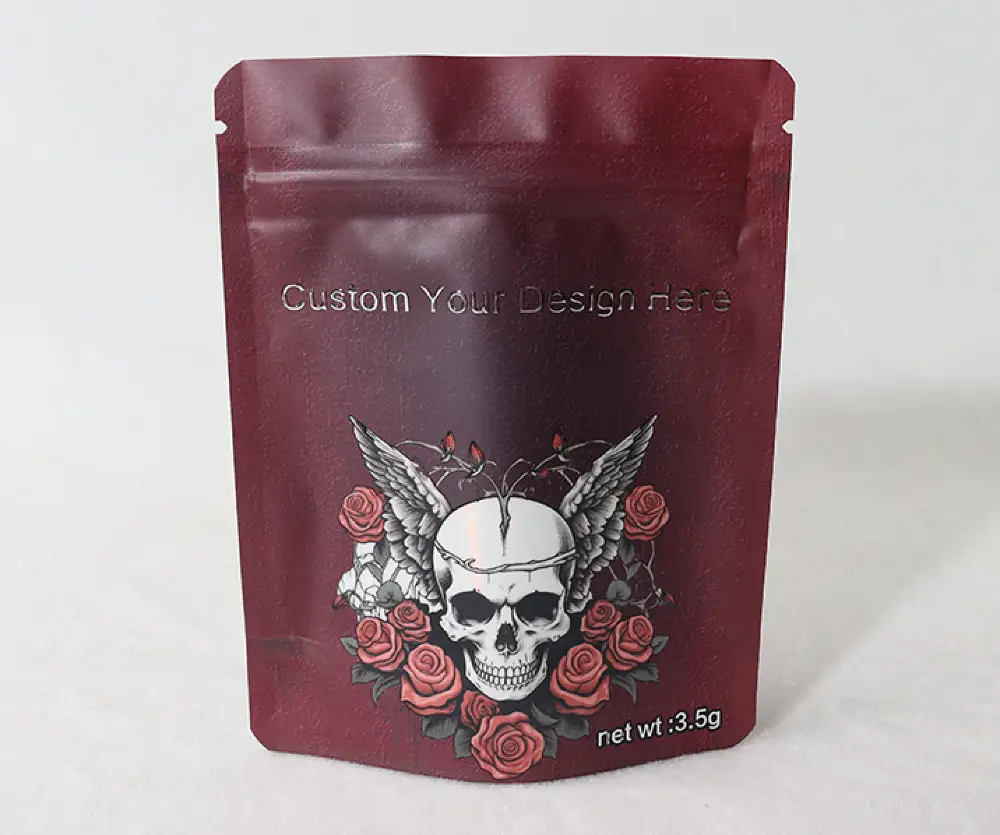
Our in-house design team often helps brands turn that rough idea into shelf-ready artwork, dielines, and the right film spec. In our 6,800㎡ cleanroom facility, we produce both formats to FDA and ISO 9001 standards, with recyclable and GRS-certified material options for brands moving toward sustainability.
The point isn't to sell you one shape—it's to match the packaging to how your product actually lives and sells. If you want a second opinion on your specific product, reach out to YLTPACK on WhatsApp at +86 182 1944 5665 or email [email protected], and we'll walk through the tradeoffs with you.
The Bottom Line
Neither format is universally superior—they simply excel in different situations. Heavy, bulk, and logistics-heavy products reward the folded-side, block-bottom build. Lighter, retail-facing, resealable products shine in the upright pouch.
Anchor your decision to product weight, sales channel, and customer behavior, then let the film structure handle freshness. Get those three inputs right and you'll rarely regret the call.
Frequently Asked Questions
Can I put a resealable zipper on both styles?
Yes. Upright pouches almost always include a zipper as standard, and the folded-side format can take a zipper or a tin-tie closure. If your customer opens the package daily, a quality zipper is well worth the small added cost.
Which format protects freshness longer?
Neither wins on shape alone—protection comes from the film. A foil or high-barrier metallized laminate blocks oxygen and moisture in either style, so match the film to your product's main threat rather than assuming one format is airtight and the other isn't.
What's the minimum order for custom printed bags?
Minimums vary by format, film, and print method. Digital printing enables lower minimums for launch brands, while gravure printing suits larger runs with lower per-unit costs. Share your target quantity and we'll recommend the most economical route.
Are these packaging styles recyclable?
They can be. Mono-material structures (like recyclable PE) are increasingly available for both formats, and we offer GRS-certified options. Keep in mind that high-barrier foil laminates trade some recyclability for maximum protection, so it's a balance worth discussing.
Which one is cheaper for a small startup batch?
For small fills and low volumes, the upright pouch is usually the more budget-friendly starting point because it uses less material per unit and pairs well with lower-minimum digital printing. As your volume and product weight grow, the gusseted format often becomes more economical.