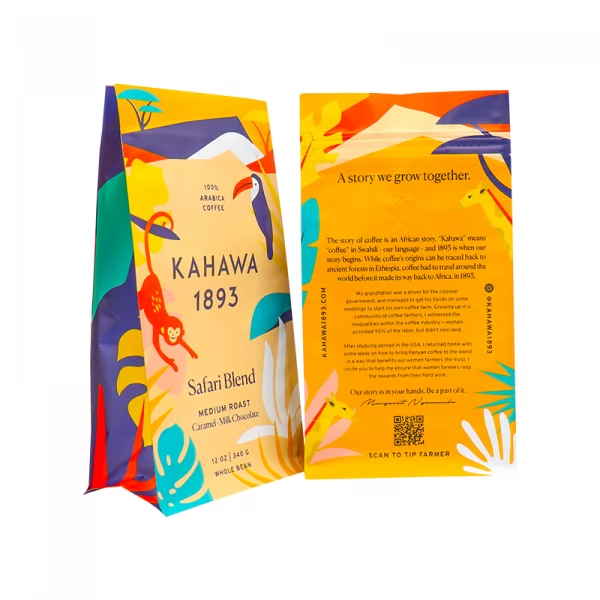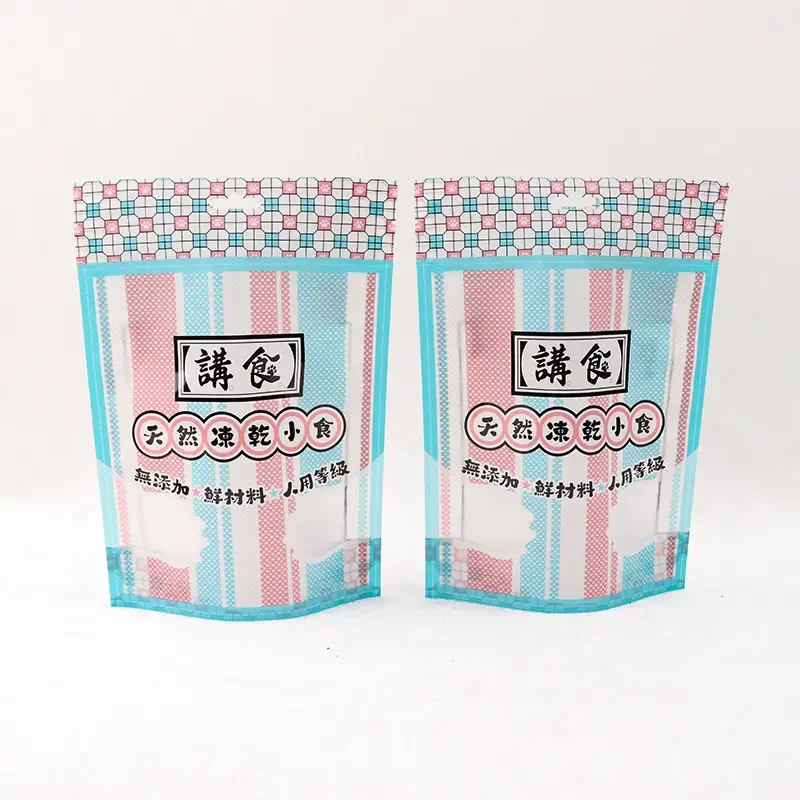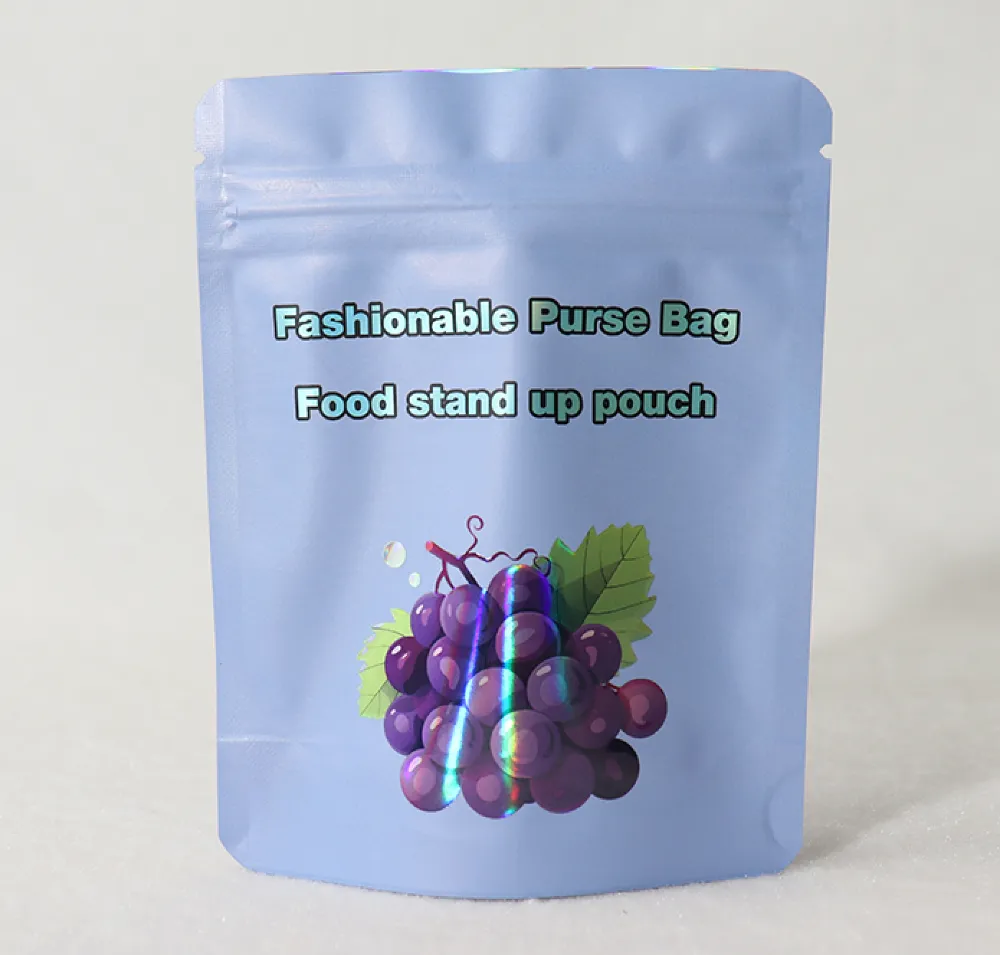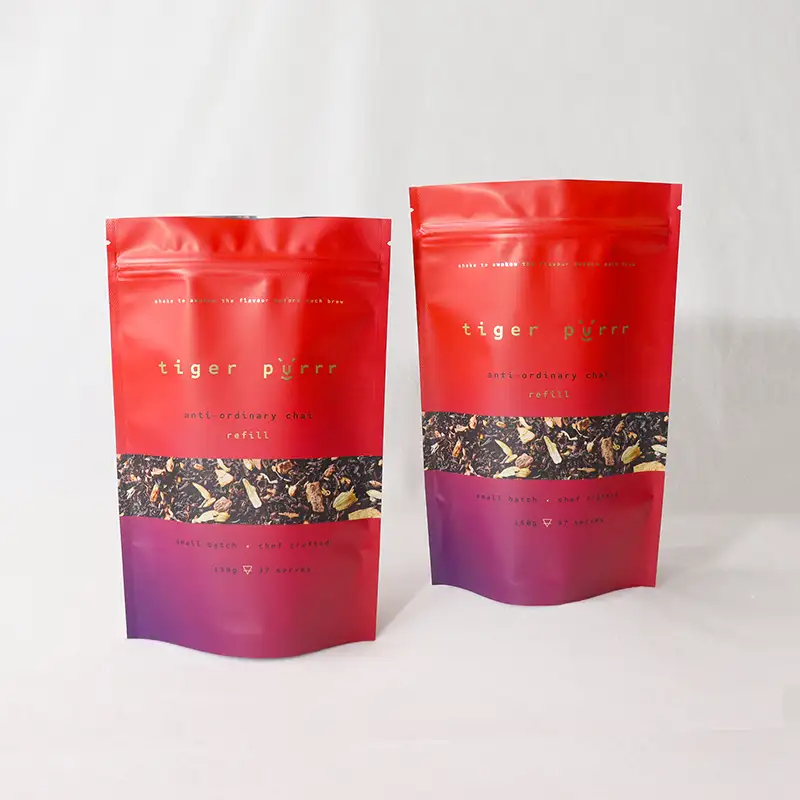
When you request a quote for custom mylar bags, the number you get back is the sum of dozens of small decisions. Material structure, dimensions, thickness, print method, finishing, and order volume all stack together to shape your final cost.
This guide breaks down each of those variables in plain terms. It is written for procurement teams and businesses sourcing packaging in volume, so you can plan smarter orders, ask sharper questions, and understand exactly where your money goes.
Why Custom Mylar Bag Pricing Is Never One-Size-Fits-All
There is no universal price sheet for custom mylar bags, and any supplier who hands you one is probably not customizing much. Pricing is quote-based because every order is configured differently.
Think of your quote as a recipe. Change one ingredient, and the cost shifts. Once you understand which levers you control, you can build orders that hit your budget without compromising the protection your product needs.
The Core Variables Behind Every Quote
Most pricing comes down to six inputs: material structure, bag size, film thickness, print complexity, finishing features, and order volume. Each one carries its own weight.
What surprises many buyers is how much a small spec change moves the custom mylar bag cost per unit. Bumping thickness by one mil or adding a second print color across a large run can shift your total noticeably.
Who This Guide Is For
This is written for buyers placing recurring or large-volume orders. That includes brands managing a product line, distributors stocking packaging, and manufacturers balancing tight cost targets against quality standards.
If you are sourcing a few bags for personal use, this level of detail may be more than you need. For everyone managing real packaging budgets, these are the factors worth understanding.
Material Composition and Film Structure
The layered film build is the foundation of both cost and performance. It determines how well your bag blocks oxygen, moisture, and light, and it sets the baseline for everything else in your quote.
Different laminate combinations serve different purposes. Matching the structure to your actual product is the first and most impactful cost decision you will make.
Common Film Layers and What They Add
Most mylar bags are built from combinations of PET, aluminum foil, polyethylene (PE), and metallized films. PET gives the structure stiffness and print quality. Foil delivers the strongest barrier. PE forms the sealable inner layer.
Metallized films offer a middle ground, providing decent barrier protection at a lower cost than true foil. The trade-off is straightforward: more protection generally means more material and a higher price.
Barrier Performance vs. Cost Trade-Offs
| Film Structure | Barrier Strength | Typical Use Case | Relative Cost |
|---|---|---|---|
| PET/PE | Standard | General dry goods | Lowest |
| PET/AL/PE (foil) | High | Long shelf-life, light/oxygen sensitive | Higher |
| Metallized PET/PE | Medium-High | Mid-tier protection | Moderate |
| Kraft/Foil laminate | High + premium look | Retail-facing brands | Highest |
The goal is to match barrier needs to budget, not to over-specify. A shelf-stable snack does not need the same structure as a moisture-sensitive pharmaceutical. Choosing the right structure first prevents you from paying for protection your product never uses.
Size, Shape, and Material Thickness
Dimensions and gauge translate directly into how much film each bag consumes. Since material is a major share of your cost, these two factors scale your quote in a predictable way.
How Bag Dimensions Affect Material Usage
Larger footprints use more film, and that relationship is close to linear. Gussets, which expand the bag to stand or hold more volume, add even more material per unit.
Non-standard shapes can introduce tooling considerations as well. Custom dies and unusual seal patterns may carry a one-time setup that standard rectangular formats avoid.
Thickness (Mil) and Its Cost Impact
| Thickness Range | Durability | Common Application | Cost Direction |
|---|---|---|---|
| 3.0–3.5 mil | Light | Single-use, lightweight contents | Lower |
| 4.0–5.0 mil | Medium | Most standard products | Moderate |
| 5.5–7.0 mil | Heavy | Bulky, sharp, or premium goods | Higher |
It is tempting to default to the thickest option for peace of mind, but that often means paying for durability you do not need. Right-sizing thickness to your product weight and handling conditions is one of the cleanest ways to control cost.
Printing, Branding, and Finishing Options
Decoration choices influence your printed mylar pouch price quote more than most buyers expect. The print method, color count, and finishing features can each shift the total in meaningful ways.
Print Methods Compared
| Print Method | Best For Volume | Color Flexibility | Setup Consideration |
|---|---|---|---|
| Digital | Low to medium runs | High, full-color | Minimal setup |
| Rotogravure | Large runs | Excellent, consistent | Higher initial setup |
| Flexographic | Medium to large runs | Good | Moderate setup |
The right method depends on your run size. Digital printing skips plate costs, which makes it efficient for smaller orders. Rotogravure carries higher upfront setup but delivers the lowest per-unit print cost once volume climbs.
Finishes and Add-Ons That Move the Price
Surface finishes like matte or gloss change the look and the cost. Spot features, soft-touch coatings, and metallic accents add visual appeal along with a premium.
Functional add-ons matter too. Resealable zippers, degassing valves, tear notches, hang holes, and clear windows each introduce extra material or tooling. They are worth the spend when they serve your product, but every feature belongs on a deliberate list rather than a default one.
Order Quantity and Minimum Order Requirements
Volume is the single biggest factor in your unit economics. It is also why the mylar bag minimum order quantity exists and why it varies from one configuration to the next.
How Volume Lowers Cost Per Unit
Setup, tooling, and press preparation are largely fixed costs. When you spread them across more units, the effective rate per bag drops.
This is the core reason bulk mylar bag wholesale prices look so different from small-batch pricing. The same configuration can cost dramatically less per unit at scale simply because the fixed portion shrinks against a larger run.
Understanding Minimum Order Quantities
Minimums exist because of practical production realities. Presses need setup time, material comes in standard roll widths, and custom plates only make sense above a certain quantity.
The minimum shifts with your choices. A simple digitally printed bag may have a lower threshold, while a multi-color rotogravure job with custom tooling will require more units to be viable.
Tiered Volume Logic
| Order Tier | Setup Cost Impact | Unit Cost Trend | Notes |
|---|---|---|---|
| Entry volume | High per-unit share | Highest | Often digital print |
| Mid volume | Balanced | Moderate | Flexible options |
| High volume | Minimal per-unit share | Lowest | Best for recurring needs |
If your demand is steady, planning toward a higher tier is usually where pricing becomes most favorable. The savings are real, though they do eventually flatten out, which we will revisit in the FAQ.
How a Custom Quote Is Built
Knowing how a quote comes together helps you provide the right information up front and read the response with a critical eye. A clear request leads to a clear, comparable quote.
Information Suppliers Need From You
Accurate quotes depend on accurate inputs. Be ready to share bag dimensions, film thickness, desired film structure, number of print colors, finish preferences, any functional add-ons, and your target quantity.
The more complete your brief, the fewer rounds of back-and-forth you will need. Missing details usually mean a slower quote or one built on assumptions.
What a Detailed Quote Should Include
A thorough quote does more than list a per-unit figure. Look for line items covering tooling or plate costs, sample fees, lead time, freight, and reorder pricing.
Reorder pricing is especially worth confirming. It tells you what future runs will cost once the one-time setup is already paid, which matters a lot for ongoing programs.
Lead Times and Their Hidden Cost
Timeline is a cost lever that buyers often overlook. Rush production and expedited tooling can add to the total, and tight deadlines limit your options.
Building in lead time gives you room to optimize. Planning ahead lets you choose the most cost-effective print method and shipping route instead of paying a premium for speed.
Cost-Optimization Strategies for Bulk Buyers
Reducing spend does not have to mean cutting quality. A few disciplined sourcing habits can lower your effective cost while keeping your packaging exactly where it needs to be.
Standardize Specs Across SKUs
Shared sizes and film structures across your product line reduce setup repetition. When several SKUs use the same bag format, you spread tooling and material efficiencies across more of your catalog.
Standardization also simplifies inventory and reordering. Fewer unique configurations mean fewer minimums to hit and less complexity to manage.
Consolidate and Forecast Orders
Combining runs and committing to annual volume can unlock better pricing tiers. Suppliers can plan production more efficiently when they see predictable demand.
A forecast also helps your supplier reserve materials and press time in advance. That coordination often translates into smoother lead times and steadier costs.
Avoid Over-Specification
Match your barrier and thickness to the product's real needs, not a worst-case scenario. Over-engineering packaging is one of the most common and avoidable sources of overspend.
Ask what your product actually requires for shelf life, handling, and transport. Then specify to that reality rather than padding for hypotheticals.
Quality, Compliance, and Total Value
The lowest unit cost is not always the lowest total cost. Defects, inconsistency, and compliance gaps can erase any savings you thought you captured up front.
Food-Grade and Regulatory Considerations
If your bags hold food or other sensitive contents, compliance shapes your material options. Food-grade films and certified production processes are non-negotiable for many products.
Working with a manufacturer that holds recognized certifications removes a layer of risk. YLTPACK, established in 2005, produces under ISO 22000 and FDA-compliant standards and customizes every order to client specifications, which keeps regulatory requirements built into the product rather than bolted on afterward.
Evaluating Suppliers Beyond Price
True cost includes consistency, defect rates, communication quality, and reorder reliability. A supplier who delivers on time with stable quality saves you money in ways a quote alone cannot show.
It also helps to test before you commit. YLTPACK offers free samples so you can evaluate material, print, and construction firsthand, and you can reach the team at [email protected] to start a custom request.
Frequently Asked Questions
What factors most affect the cost per unit?
Order volume has the biggest impact, followed by film structure, thickness, and print complexity. Higher quantities spread fixed setup costs thin, while richer materials and multi-color printing push the per-unit figure up.
Why do minimum order quantities vary so much?
Minimums track with print method and customization level. Digital printing allows lower thresholds, while rotogravure with custom plates and tooling requires more units to justify the setup, so the minimum rises accordingly.
How can I lower my price without lowering quality?
Standardize specs across your SKUs, consolidate and forecast your orders to reach better volume tiers, and avoid over-specifying barrier and thickness. Each strategy trims cost without touching the quality your product needs.
What should I prepare before requesting a quote?
Have your dimensions, film thickness, film structure, print color count, finishes, functional add-ons, and target quantity ready. A complete brief produces a faster, more accurate, and more comparable quote.
Do larger orders always mean a lower rate?
Larger orders lower the rate up to a point, because fixed setup costs shrink as a share of each unit. Eventually that effect flattens, and material cost becomes the dominant factor, so the savings curve levels off at high volumes.