Short answer first: if you want food to last for years, a mylar bag with an oxygen absorber wins. If you want food to stay fresh for weeks or a few months in the fridge or freezer, a vacuum-sealed pouch is your friend. They solve different problems, and picking the wrong one is the most expensive mistake we see brands make.
The 30-Second Verdict
Both formats protect food, but they protect it in opposite ways. One blocks the outside world from getting in. The other sucks the air out from the inside. Here's the quick contrast before we go deeper.
| Factor | Mylar (Foil) Pouch | Vacuum-Sealed Pouch |
|---|---|---|
| Typical shelf life | 10–25+ years (with oxygen absorber) | 1–3 years frozen; weeks to months chilled |
| Light protection | Total (opaque foil layer) | Usually none (clear film) |
| Oxygen barrier | Excellent (near-zero transmission) | Good, but air slowly re-enters over time |
| Best for | Long-term, dry, shelf-stable goods | Fresh, moist, or frozen perishables |
| Reusable | Often resealable with zipper | Single-use once cut open |
What Each Pouch Actually Does
The foil pouch: a fortress against time
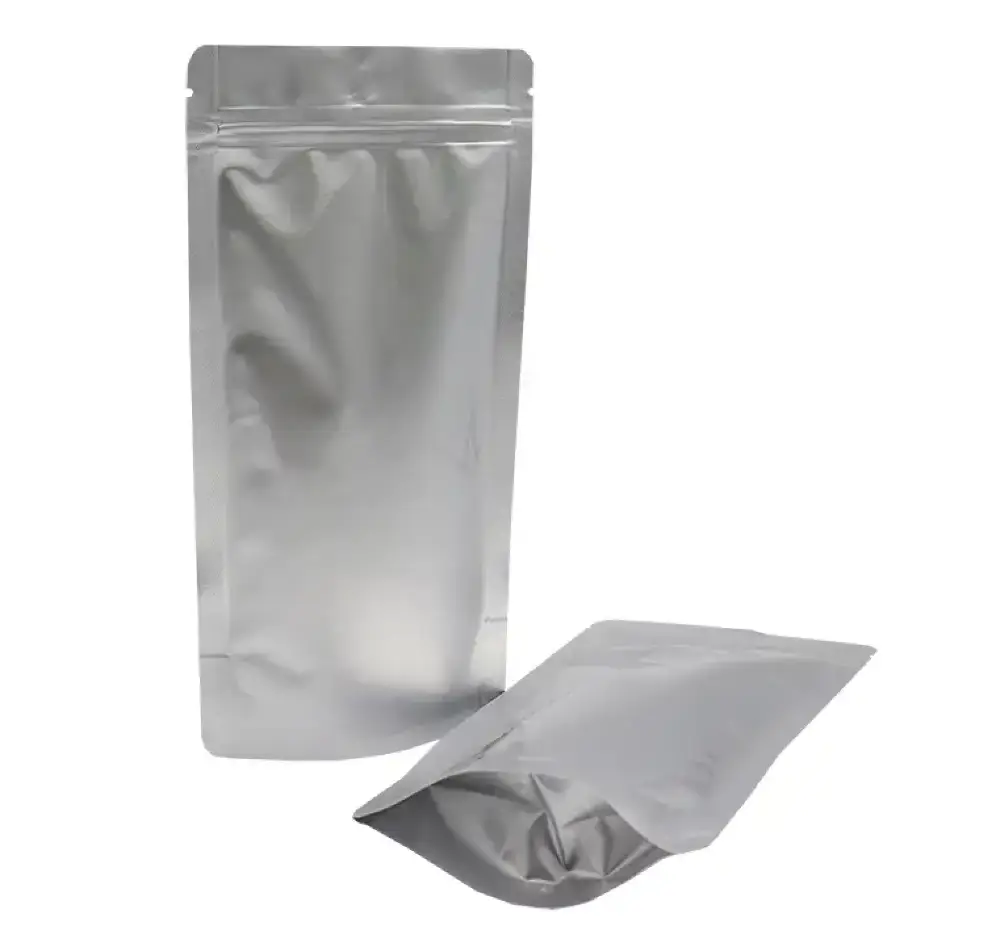
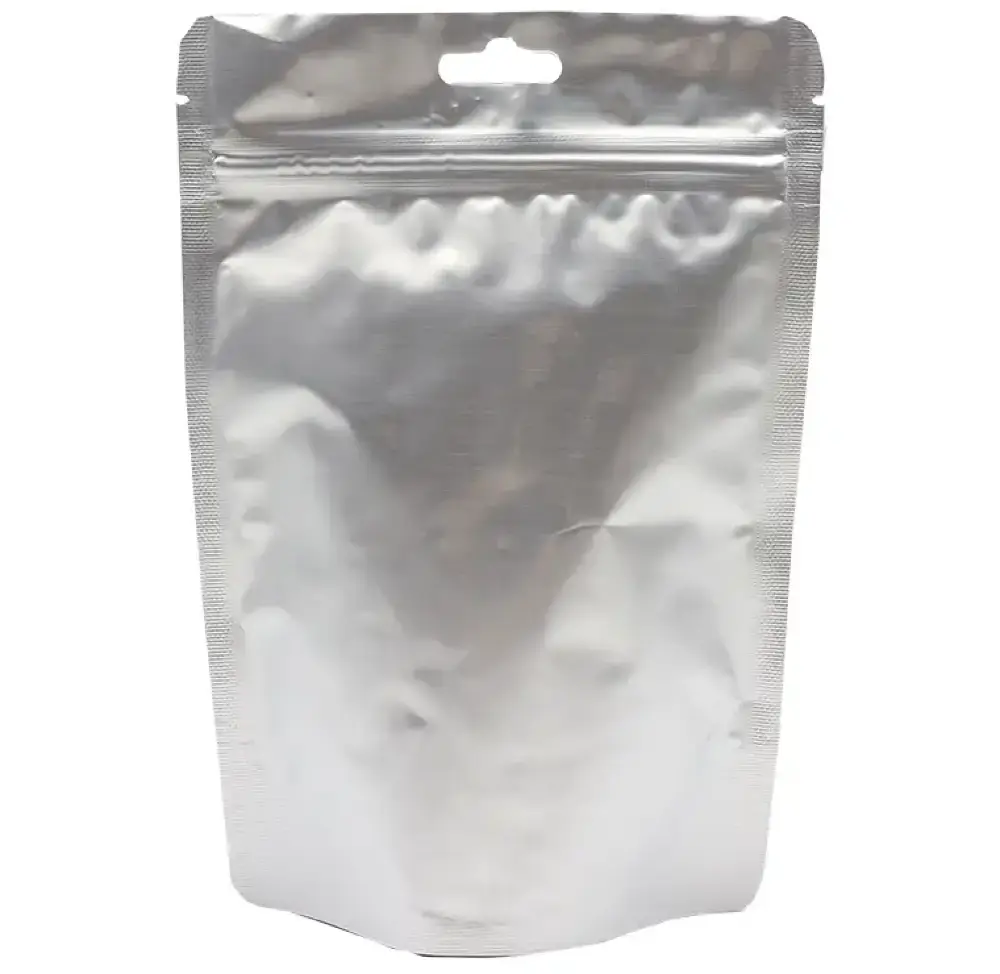
A foil-laminate pouch is built like a wall. It usually layers polyester, aluminum foil, and food-grade polyethylene. That metal layer is the hero, blocking light, moisture, and oxygen almost completely.
Pair it with an oxygen absorber and you create a low-oxygen environment inside. That's why this format is the go-to for emergency food, grains, and powders that need to survive a decade or more.
The vacuum pouch: freshness on the clock
A vacuum-sealed pouch works by removing air around the product, then sealing tight. Less oxygen means slower spoilage and freezer burn. It's brilliant for meats, cheeses, coffee, and prepped meals.
The catch? Most vacuum films are clear and thin, so light still gets through and tiny amounts of gas slowly migrate back in. Great for the short and medium term, not for burying in a basement for ten years.
Shelf Life: The Numbers That Matter
This is usually the real question hiding behind "which is better." So let's talk timelines. When people compare mylar bags vs vacuum sealed bags for long term food storage, the gap is dramatic for dry goods.
| Food Type | Foil Pouch + O₂ Absorber | Vacuum Sealed (Frozen) |
|---|---|---|
| White rice, wheat | 20–30 years | 1–2 years |
| Freeze-dried meals | 25+ years | 2–3 years |
| Coffee beans | 12+ months sealed | 6–9 months |
| Fresh meat | Not suitable | 1–3 years frozen |
| Cheese | Not suitable | 4–8 months chilled |
Notice the pattern. Foil dominates for dry, shelf-stable items. Vacuum sealing dominates for anything with moisture that lives in a fridge or freezer. The two aren't really rivals, they're teammates covering different shifts.
So Which One Keeps Food Fresher Longer?
For dry goods sitting on a shelf, the foil pouch wins by a landslide. For perishables, the vacuum pouch keeps texture and flavor intact far better. People often ask us, do mylar bags work better than vacuum bags, and the honest answer is "it depends entirely on the product inside."
Here's a simple way to choose:
- Dry and long-term? Reach for foil. Think grains, beans, powders, dehydrated snacks.
- Moist or frozen? Reach for vacuum. Think meat, fish, prepared meals, fresh produce.
- Aroma-sensitive? Foil locks scent in far better, which matters for coffee, tea, and spices.
The Freeze-Dried Food Question
Freeze-dried products are a special case because they're bone-dry and built for the long haul. If you're weighing a mylar bag or vacuum bag for freeze dried food, foil almost always comes out ahead.
Why? Freeze-dried food has almost no moisture, so the enemy is oxygen and light, not air pressure. The opaque foil barrier plus an oxygen absorber gives you that 25-year window. A clear vacuum pouch simply can't block light or hold out oxygen for that long.
Working with brands across North America, we've found the most common mistake is using a thin clear pouch for a 25-year product. The film looks fine on day one and fails quietly at month eighteen.
Beyond Freshness: Branding and Shelf Appeal
Freshness is only half the story when you're selling a product. How it looks on a shelf or in an unboxing video drives the sale. This is where the two formats split again.
Vacuum pouches show off the product
The clear film lets customers see exactly what they're buying. For premium meats, artisan cheese, or colorful snacks, that transparency builds trust. Shoppers love seeing marbling on a steak or vibrant freeze-dried fruit.
Foil pouches sell the story
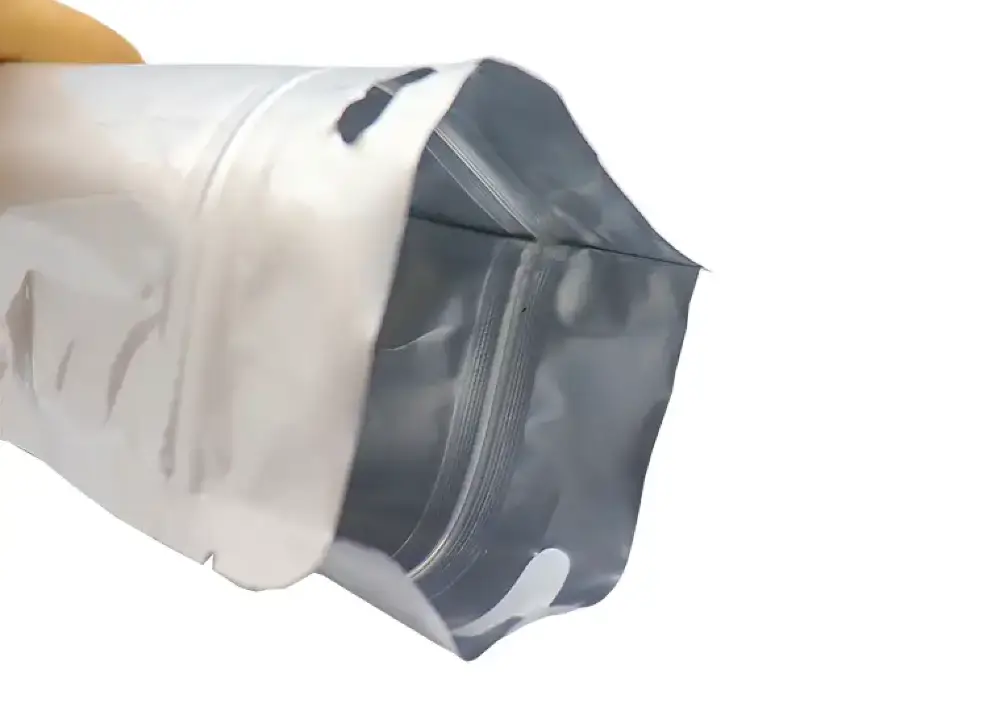
Opaque foil gives you a full printable canvas. Matte finishes, spot gloss, and metallic accents pop beautifully on foil. For coffee especially, the combination of a one-way degassing valve and a resealable zipper signals quality before the customer even smells the beans.
As a manufacturer that has produced flexible packaging for 20+ years, we often guide brands toward a hybrid: a foil body with a clear window, so you get protection plus a peek at the product.
A Note on Storing Cannabis
Different category, same science. People comparing a mylar bag vs vacuum bag for storing weed usually care about three things: freshness, smell containment, and child-resistant compliance.
Foil pouches win on odor control and light blocking, both critical for preserving terpenes and meeting regulations. Many regions also require child-resistant closures, which integrate cleanly into foil zipper pouches. Vacuum sealing can crush delicate flower and offers weaker scent containment, so it's rarely the first choice here.
How to Choose for Your Product Line
Let's make this practical. Run your product through this quick checklist before you commit to a format.
- Moisture content: High moisture leans vacuum; bone-dry leans foil.
- Target shelf life: Over two years almost always means foil.
- Storage temperature: Freezer or fridge favors vacuum; pantry favors foil.
- Light sensitivity: If light degrades it, foil protects it.
- Customer expectation: Do they want to see the food, or trust the brand story?
If you only have a rough idea of which way to go, that's normal. Our in-house design team often helps brands map product type to the right barrier structure before a single sample is made, which saves a lot of trial-and-error later.
What Separates a Reliable Pouch From a Risky One
Not all foil or vacuum pouches are equal. The material spec is where freshness is won or lost, and it's easy to miss when you're only looking at a price quote.
| Spec to Check | Why It Matters |
|---|---|
| Oxygen transmission rate (OTR) | Lower OTR = longer freshness. Foil should be near zero. |
| Moisture barrier (WVTR) | Keeps powders and grains from clumping or spoiling. |
| Seal strength | Weak seals are the number-one cause of premature failure. |
| Film thickness | Too thin tears in transit; too thick wastes cost. |
| Food-safe certification | Confirms the inner layer is safe for direct contact. |
Because we hold FDA and ISO 22000 certifications, we recommend asking any supplier for documented barrier values, not just a verbal "it's good quality." In our 6,800㎡ cleanroom facility at YLTPACK, every structure is matched to the food it will hold rather than sold as one-size-fits-all.
Common Mistakes That Shorten Shelf Life
Even the right pouch fails if a few details go wrong. Here are the slip-ups we see most often when brands first scale up.
- Skipping the oxygen absorber in a foil pouch meant for long-term storage.
- Choosing clear film for light-sensitive products like coffee or supplements.
- Under-speccing seal width, which lets air creep back in during shipping.
- Ignoring stacking and drop tests for heavier dry goods like rice or flour.
- Forgetting resealability, which customers now expect on most pantry items.
Each of these is fixable at the design stage and painful to fix after a production run. A quick material review up front pays for itself many times over.
Final Recommendation
If your goal is maximum shelf life for dry, shelf-stable products, the foil pouch is the clear choice. If you're selling fresh, frozen, or moist foods that customers want to see, vacuum sealing protects flavor and texture best. Many growing brands end up using both across different product lines, and that's a smart, not lazy, strategy.
When you're ready to match the right structure to your product, we're glad to talk it through. Reach the YLTPACK team on WhatsApp at +86 182 1944 5665 or email [email protected], and we can review barrier specs, finishes, and sizing for your specific food line.
Frequently Asked Questions
Can I vacuum seal inside a foil pouch for extra protection?
Yes, and it's a popular combo for premium dry goods. You get the foil's light and oxygen barrier plus the snug fit of vacuum sealing. For most shelf-stable items, though, a foil pouch with an oxygen absorber already does the job without the extra step.
Do these pouches need to be food-grade certified?
Absolutely. Any pouch in direct contact with food should use a certified food-safe inner layer. Ask your supplier for documentation covering the film structure and inner sealant. It protects your customers and shields your brand from compliance headaches down the road.
How many oxygen absorbers should I add to each foil pouch?
It comes down to the volume of the pouch and what's inside. As a rough guide, a one-gallon container of dry grain usually calls for a 300cc absorber, while smaller single-serving packs need far less. Always size the absorber to the air space, not just the food weight, and seal the pouch promptly once it's open to keep the absorber working.
Will a thicker film always mean longer freshness?
Not on its own. Thickness helps with puncture resistance and durability in transit, but the real driver of shelf life is the barrier structure, especially the aluminum layer and the oxygen transmission rate. A well-built foil laminate at the right gauge will outperform a thicker pouch that lacks a true metal barrier. Match the spec to the product rather than chasing thickness alone.
Can I reuse a vacuum-sealed pouch after opening it?
Usually not for the same purpose. Once you cut a vacuum pouch open, the seal edge is gone and the film can no longer hold a tight vacuum. You can rinse and repurpose it for non-food storage, but for fresh perishables you'll want a new pouch each time. If repeat sealing matters to you, a resealable foil zipper format is the more practical pick.