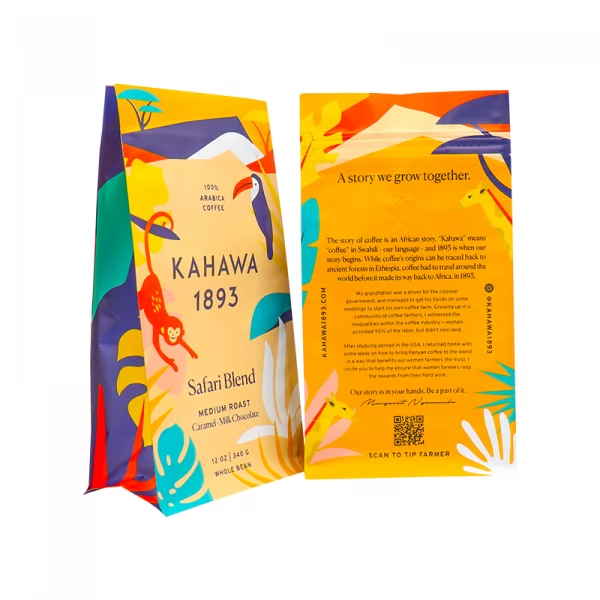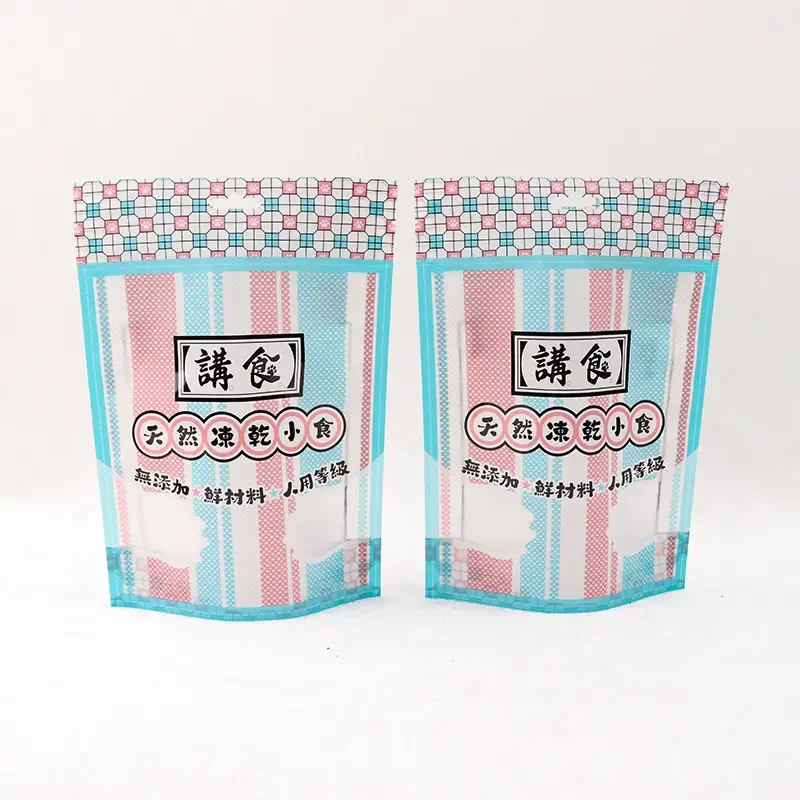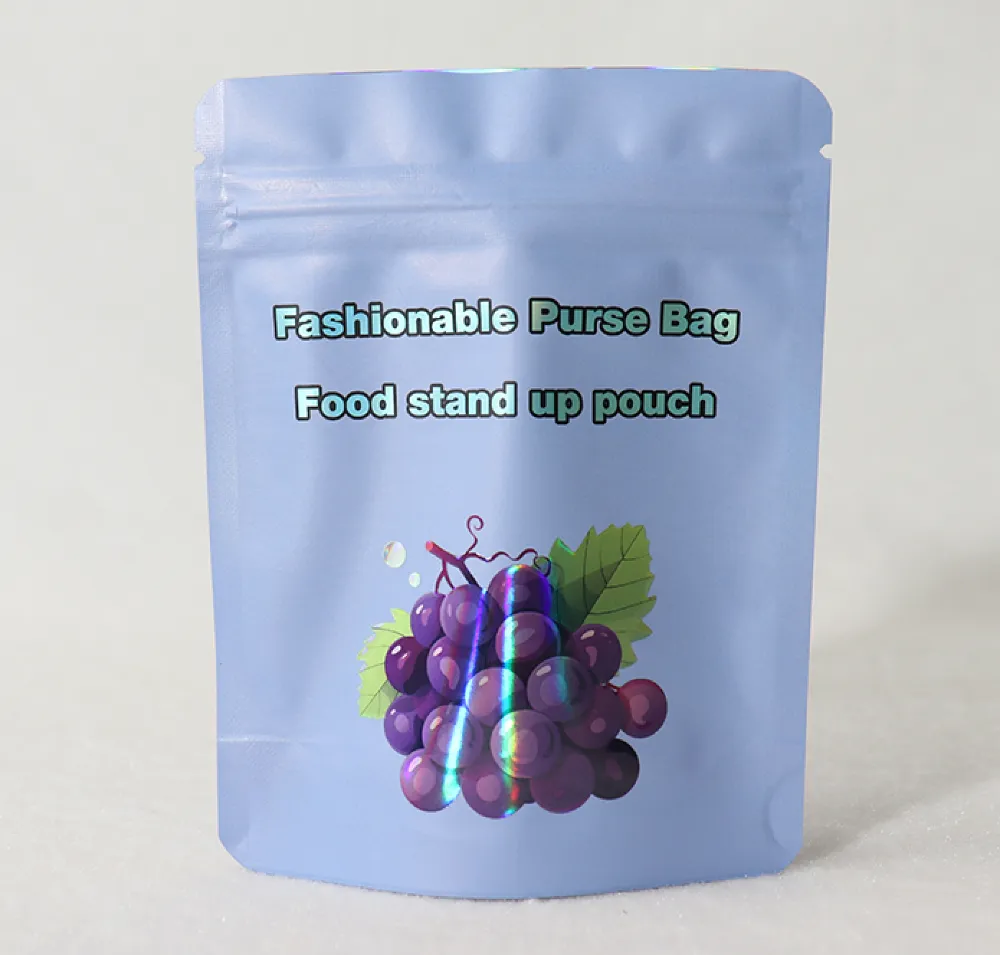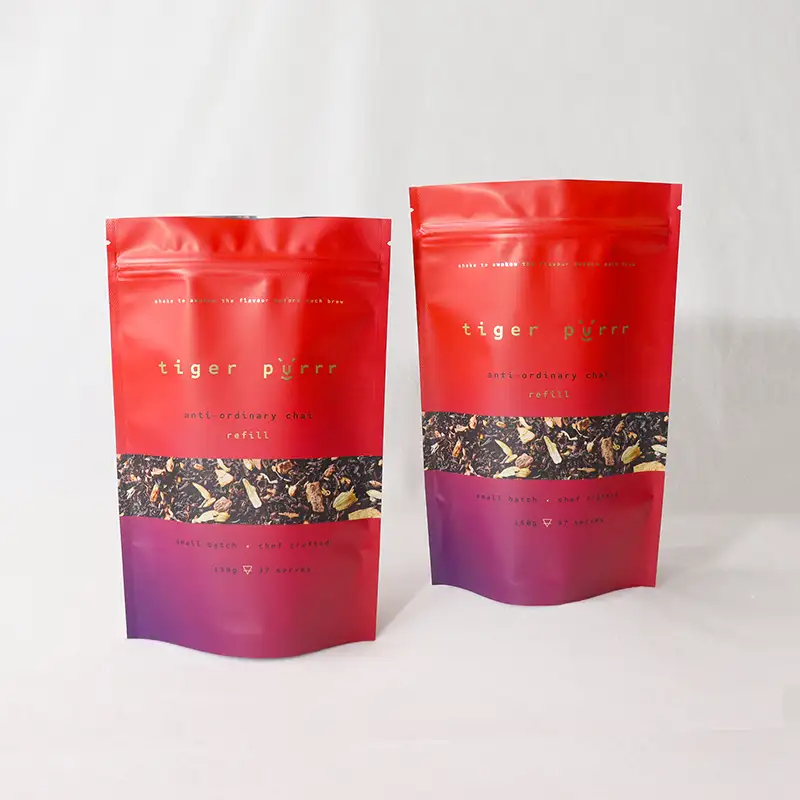
Short answer: a mylar bag is a flexible pouch built from a thin film of polyester (PET) laminated with a metalized aluminum layer, engineered to block moisture, light, oxygen, and odor. That layered structure is why brands packaging sensitive goods—especially cannabis products in legal markets—reach for it when a standard plastic bag simply won't protect the contents. Below, we'll unpack the materials, the science behind the barrier, and how to spec one for your own products.
The Quick Version: What Are You Actually Buying?
When someone asks what is a mylar bag, they're usually picturing that shiny, slightly stiff pouch that keeps snacks crisp or protects delicate merchandise. In reality, it's a small feat of material engineering.
Think of it as a sandwich of films, each layer doing one job: sealing, blocking, or protecting. Stack them correctly and you get a container that keeps the outside world out and the product's quality in.
As a manufacturer that has produced packaging for 20+ years, we've watched this format move from niche electronics protection into everyday retail shelves. The reason is simple—few flexible formats offer this much protection per gram.
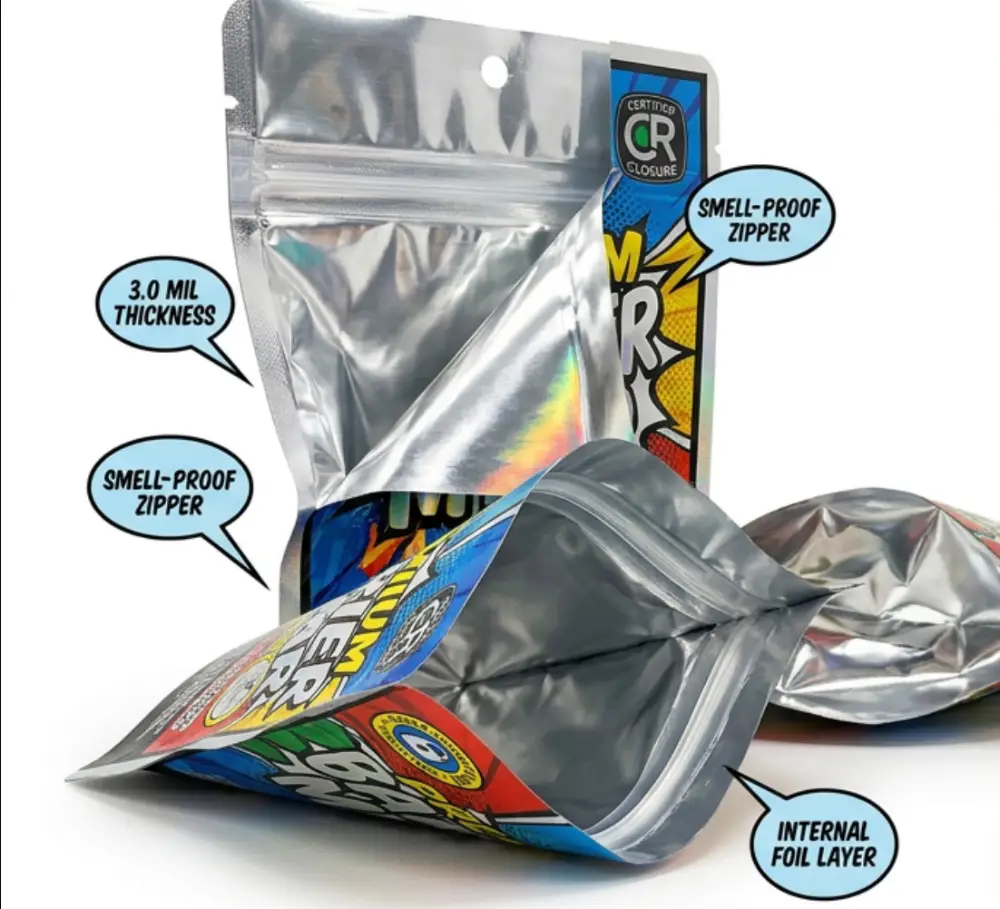
What Is a Mylar Bag Made Of?
Let's answer the material question head-on, since it drives everything else. The name "Mylar" is actually a brand of biaxially-oriented polyester film, but the industry now uses it loosely for any strong PET-based laminated pouch.
A typical high-barrier pouch is a laminate of three to five layers, each bonded under heat and pressure:
- Outer PET layer — carries print, adds gloss or matte finish, and resists scuffing.
- Aluminum foil or metalized layer — the true barrier that stops light and slows gas migration.
- Nylon (optional) — adds puncture resistance for sharp or dense contents.
- Inner sealant (usually LLDPE) — melts to form a leak-proof, food-safe seal.
The thickness matters more than most buyers expect. Film is measured in mils (thousandths of an inch), and small changes make a big difference:
| Thickness | Typical Use | Barrier Strength | Feel |
|---|---|---|---|
| 2.5–3 mil | Single-serve, low-value goods | Moderate | Light, flexible |
| 3.5–4 mil | Retail cannabis, coffee, supplements | High | Sturdy, premium hand-feel |
| 5–7 mil | Long-term storage, bulk | Very high | Rigid, heavy-duty |
In our 6,800㎡ cleanroom facility, we test seal integrity on each batch, because a beautiful print means nothing if the seal fails during shipping.
What Is a Mylar Bag and How Does It Work?
Here's the fun part—the physics. Everyday plastic is porous at the molecular level, so oxygen and moisture slowly creep through. The metalized aluminum layer changes the game entirely.
Aluminum is essentially impermeable to gas and completely opaque to light. So when you laminate it between polyester films, you create a wall that oxygen, humidity, and UV rays can't easily cross.
Three protective mechanisms are working at once:
- Light blocking: The opaque layer stops UV and visible light that degrade active compounds and fade color.
- Moisture control: A low water-vapor transmission rate keeps contents from clumping or losing potency.
- Oxygen and odor containment: The barrier traps aromatic compounds inside and keeps ambient oxygen out.
That last point is why sealing matters so much. A heat-sealed edge, or a resealable zipper backed by the same laminate, completes the enclosure. Break the seal and the barrier is only as good as the closure you choose.
What Is a Mylar Bag Used For?
The honest answer is: anything sensitive to air, light, or humidity. But a few categories dominate real orders we see today.
Cannabis and Hemp Products (Legal Markets)
This is the largest driver of demand right now. Regulated dispensary products need packaging that preserves aroma and freshness while meeting strict safety rules. The opaque, low-permeability film is ideal because it locks in volatile terpenes and blocks the light that breaks them down.
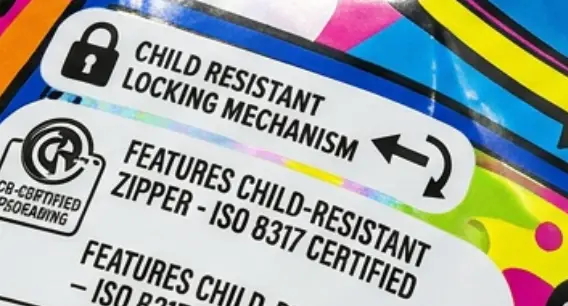
Just as important, many jurisdictions require child-resistant closures. We produce pouches with certified child-resistant zippers and press-to-close mechanisms tested to recognized protocols. Working with brands across North America, we've found the most common mistake is choosing a pretty bag first and discovering the compliance gap later.
Coffee and Specialty Beverages
Freshly roasted coffee off-gasses CO₂ and loses aroma fast. A high oxygen barrier paired with a one-way degassing valve keeps beans fresh without letting the pouch balloon. If you've ever opened a bag and been hit with that first-crack aroma, that's the barrier doing its job.
Supplements, Powders, and Nutraceuticals
Protein powders and vitamins are hygroscopic—they pull moisture from the air and clump. The moisture barrier here isn't a luxury; it's the difference between a usable product and a returned one.
What Is a Mylar Bag for Food Storage?
For pantry and long-term food storage, the appeal is preservation over months or years. Paired with an oxygen absorber packet, the sealed pouch creates a near oxygen-free micro-environment that stops staleness, rancidity, and pest activity.
Dry staples—rice, grains, dehydrated meals, freeze-dried fruit—store exceptionally well this way. Because we hold FDA and ISO 22000 certifications, we recommend food-grade sealant layers specifically for any product that touches ingestible contents.
What Are Mylar Bags Used For in Packaging Beyond the Obvious?
Beyond food and wellness, this format quietly protects a surprising range of goods. In packaging strategy, brands increasingly pick it for both function and shelf presence.
- Electronics and components: The metalized layer offers static and moisture protection for sensitive parts.
- Pet treats and food: Owners scrutinize freshness and ingredient integrity, and a strong barrier signals quality on the shelf.
- Cosmetics and samples: Sachets and refill pouches travel well and photograph beautifully for unboxing content.
- Botanicals and teas: Aroma retention keeps the sensory experience intact from factory to cup.
Notice the pattern: whenever a product's value lives in its freshness, aroma, or delicate compounds, this pouch earns its place.
Design and Customization: Where Your Brand Comes In
Here's what excites brand founders most—the protective film underneath doesn't limit the design on top. The exterior is a blank canvas.
You can specify almost every element:
- Shape: stand-up pouch, flat pouch, gusseted, or three-side seal.
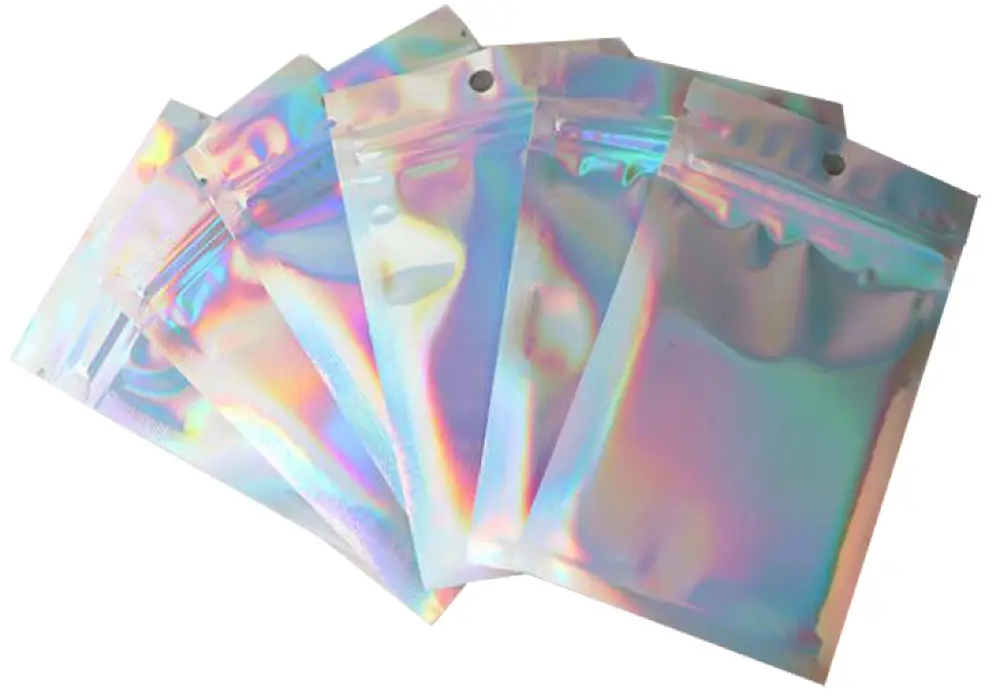
- Finish: glossy, soft-touch matte, holographic, or spot-gloss accents.
- Closures: resealable zipper, tear notch, degassing valve, or child-resistant lock.
- Windows: a clear panel to show product while keeping most of the barrier intact.
- Extras: hang holes, rounded corners, embossing, and QR codes for compliance or storytelling.
Our in-house design team often helps brands who only have a rough idea—a logo and a vibe—and turns it into print-ready artwork with correct dieline and color separation. That's usually the step where a good concept becomes a shelf-ready product.
How to Choose the Right Pouch: A Practical Checklist
Before you request a quote from any supplier, run through these questions. They'll save you a costly re-order.
- What is the product's biggest enemy—light, moisture, oxygen, or all three?
- Does your category require a certified child-resistant closure?
- What net weight and volume must the pouch hold without bulging or tearing?
- Will it be stacked or shipped long distances (puncture and seal strength)?
- Do you need food-grade certification documentation for your market?
- What order quantity fits your launch, and can it scale later?
A quick tip from experience: match the film thickness to how the product is handled, not just how it looks. Retail cannabis and coffee usually land well at 3.5–4 mil, while bulk food storage benefits from heavier stock.
Barrier Materials Compared
To put the choice in context, here's how common flexible options stack up on the factors that matter most.
| Feature | Standard PE Bag | Kraft/Paper Pouch | Metalized Laminate Pouch |
|---|---|---|---|
| Light blocking | Poor | Moderate | Excellent |
| Moisture barrier | Low | Low | Very high |
| Oxygen/odor control | Low | Low–Moderate | Very high |
| Aroma retention | Poor | Fair | Excellent |
| Child-resistant option | Rare | Limited | Widely available |
| Print & shelf appeal | Basic | Rustic | Fully customizable |
The takeaway is straightforward: if protection and premium presentation both matter, the laminated pouch is hard to beat.
A Note on Compliance and Responsible Sourcing
Regulations for regulated products vary by region and change often. Child-resistant packaging requirements, labeling rules, and permitted materials differ from one state or country to the next.
Disclaimer: Cannabis product packaging is intended only for jurisdictions where such products are legal. Always confirm current local regulations before ordering. Our child-resistant closures are produced to recognized certification protocols, and we can provide supporting documentation on request.
Sustainability is also rising up buyers' priority lists. Recyclable mono-material and recycled-content options are expanding, and we can walk you through the tradeoffs between barrier performance and recyclability for your specific product.
Bringing It All Together
So, to close the loop on the question we started with: this pouch is a multi-layer polyester-and-aluminum laminate that shields products from light, moisture, oxygen, and odor—then wraps that protection in a fully customizable exterior.
Choose the right thickness, the right closure, and the right certifications for your market, and you've got packaging that protects your product and earns attention on the shelf. Skip those steps and even a beautiful design can underperform.
If you're weighing options for a custom run, YLTPACK can help you match materials, closures, and finishes to your product and your market rules—drawing on two decades of production, in-house design support, and food-grade and quality certifications. Reach us anytime at [email protected] or on WhatsApp at +86 182 1944 5665, and we'll help you spec something that actually fits your goals.
Frequently Asked Questions
Is Mylar the same as regular plastic film?
No. While the base is polyester, the protective performance comes from lamination with a metalized aluminum layer. That combination delivers light and moisture blocking far beyond ordinary plastic film.
Can these pouches be recycled?
Traditional multi-layer laminates are difficult to recycle because the films are bonded together. However, recyclable mono-material and recycled-content versions now exist, and we can advise which option preserves enough barrier strength for your product.
Do I need a child-resistant closure for cannabis packaging?
In most legal markets, yes—it's typically required by law. We manufacture certified child-resistant zippers and press-lock closures and can supply the documentation your compliance team will need.
What size order do I need to place for custom printing?
Minimums depend on the design complexity, film structure, and closure type. Because every project is quoted to your exact specifications, the best move is to share your product details so we can recommend a practical starting quantity.
How long can food stay fresh in a sealed high-barrier pouch?
With a proper heat seal and an oxygen absorber, many dry staples remain shelf-stable for years rather than months. Actual shelf life depends on the product, storage conditions, and film thickness, so we suggest matching the spec to your specific contents.