Kraft Pouch vs Plastic Pouch: What Actually Matters to Buyers
When people compare kraft pouch vs plastic pouch, they are usually not asking a design question alone. They are trying to balance shelf appeal, product protection, sustainability claims, filling convenience, and total packaging cost over time. Paper-look formats are often chosen for natural, artisanal, or eco-conscious branding. Conventional polymer formats are usually selected when strong barrier properties, puncture resistance, transparency, or lower unit conversion complexity matter more. In other words, neither option is automatically superior; each solves a different business problem across food, pet care, home care, personal care, nutraceutical, hardware, garden, and lifestyle applications.
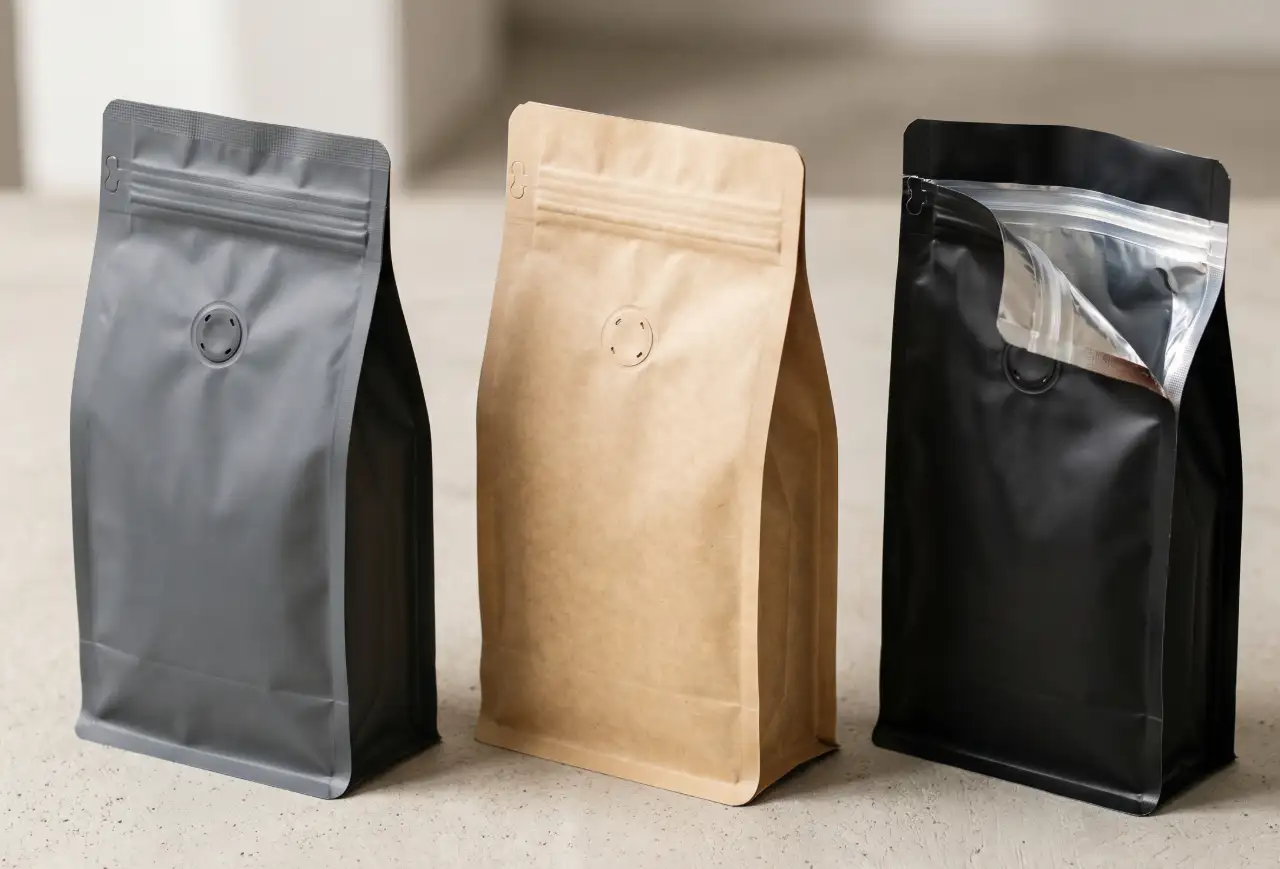
How the Two Options Differ at a Glance
| Factor | Kraft-Style Pouch | Plastic-Based Pouch |
|---|---|---|
| Visual impression | Natural, handmade, organic, premium-small-batch feel | Clean, modern, glossy, transparent, highly customizable |
| Barrier protection | Varies widely; often depends on inner lining or laminate | Typically stronger and more consistent for moisture, oxygen, and aroma control |
| Recyclability | Often limited if laminated with plastic or foil | Improves when designed as mono-material, but local collection rules still matter |
| Compostability | Possible only with specific certified structures; paper appearance alone does not make the whole pack compostable | Possible with certain compostable resins, but processing access is often limited |
| Print and finish options | Strong tactile appeal, muted natural look | Broad flexibility for gloss, matte, windows, metallic effects, and high clarity |
| Durability in transit | Can scuff or crease more visibly | Generally better tear and puncture resistance |
| Typical use cases | Dry goods, bath salts, powders, candles, apparel accessories, refill items, craft supplies |
Liquids, gels, detergents, pet products, supplements, hardware parts, high-barrier consumer goods |
Cost Comparison: Look Beyond the Quote
Cost discussions should include five variables: material complexity, print method, order volume, closure features, and barrier requirements. Add one more: operational fit. If your line seals one structure consistently but struggles with another, the “lower-cost” choice may not stay lower for long.
| Cost Driver | Why It Matters | What Buyers Should Ask |
|---|---|---|
| Material structure | Single-layer and multi-layer packs behave differently in protection and processing | Is the barrier level truly necessary for my product? |
| Print complexity | More colors and special finishes can affect conversion cost and lead time | Do I need premium effects, or just clear communication? |
| Feature set | Zippers, valves, tear notches, spouts, and windows add utility but also complexity | Which features improve user experience enough to justify inclusion? |
| Line compatibility | Poor machinability leads to downtime and sealing issues | Has this structure been tested on my filling equipment? |
| Damage and returns | Weak packs can create hidden downstream costs | How will this hold up in e-commerce and transport? |
When Each Format Usually Makes Sense
Choose a kraft-style format when:
- Your product is relatively dry and not highly oxygen- or moisture-sensitive.
- Your brand identity benefits from a natural, handmade, or eco-conscious appearance.
- You can validate the internal barrier layer for the intended shelf life or use period.
- Your customers value tactile presentation as part of the buying decision.
Choose a plastic-based format when:
- Your product needs stronger protection against humidity, aroma loss, grease, leakage, or puncture.
- You sell through e-commerce, export channels, or demanding logistics environments.
- You want transparency, high-gloss finishes, or more aggressive visual merchandising.
- You need dependable sealing performance at scale.
Common Buying Mistakes
- Assuming a paper surface means the pack is fully recyclable or compostable.
- Choosing based on appearance before reviewing barrier requirements.
- Ignoring real disposal infrastructure in the target market.
- Testing only samples by hand instead of on actual filling equipment.
- Overlooking how humidity, transit abuse, and storage conditions affect pouch performance.
- Using food-focused assumptions for non-food products that have very different chemical or physical risks.
Conclusion
For many buyers, the smartest path is to compare appearance, barrier needs, operational performance, carbon implications, and end-of-life reality at the same time rather than treating them as separate decisions.
If you want a practical rule, use paper-look packaging for storytelling only when performance is verified, and use polymer-based packaging when protection risk is high and product stability matters most. Good packaging is not the one that sounds right in a meeting; it is the one that still works after filling, shipping, shelving, opening, and disposal.
FAQ
Is a kraft-style pouch always more eco-friendly than a plastic one?
No. The answer depends on structure, product protection, transport weight, and local disposal systems. A paper exterior can create a greener impression, but if the pack is laminated and not accepted in local recycling streams, the benefit may be smaller than expected.
Are these formats only for food products?
No. They are widely used for powders, supplements, bath products, detergents, pet items, beauty refills, garden goods, and small consumer products. The selection logic still depends on barrier needs, filling conditions, transport stress, and disposal reality.
Which option is better when moisture and oxygen protection are critical?
In many cases, plastic-based structures or engineered high-barrier laminates perform more consistently. Paper-faced designs can still work, but usually only when the internal layer or coating is carefully specified and validated.
Is recyclable always better than compostable?
Not automatically. Recyclability is valuable only when collection and reprocessing are actually available, while compostability is meaningful only when certified materials and appropriate composting systems are in place. The better option depends on the real disposal pathway your customer can access.
Do paper-look pouches cost less than plastic ones?
Not necessarily. Final cost depends on structure, printing, order volume, features, and filling compatibility. Buyers should evaluate total packaging cost, not just the initial quote.