The Quick Answer: Storing Food in Mylar Bags the Right Way
Here's the short version: place your dry food inside a food-grade metallized pouch, drop in the correct oxygen absorber, then heat-seal the top completely flat. Done properly, staples like rice, beans, and oats can stay fresh for 10 to 25 years. The magic isn't the food — it's the barrier the bag creates against oxygen, moisture, and light.
Why Metallized Pouches Beat Ordinary Plastic
Standard polyethylene bags let oxygen and water vapor creep through the film over time. A quality metallized pouch does something different — it stacks multiple layers into one wall, including a thin aluminum layer that blocks nearly everything.
The result is a package that keeps its contents dark, dry, and stable. For anyone learning how to store food in mylar bags for long term storage, this three-way protection is the foundation everything else builds on.
The Three Barriers That Do the Work
- Oxygen barrier: Slows oxidation, which is what turns fats rancid and drains nutrients.
- Moisture barrier: Keeps humidity out so mold and clumping never get started.
- Light barrier: The opaque metallized wall stops UV, which degrades color, flavor, and vitamins.
Working with brands across North America, we've found the most common mistake is treating all "silver bags" as equal. A pouch with a weak seal layer or a thin film can undo months of careful packing.
How Thickness Changes Everything
Film thickness is measured in mils (thousandths of an inch). It's the single spec that most affects durability and puncture resistance. Thicker isn't always better for every product, but it's the first thing to match to your use case.
| Thickness | Best Suited For | Typical Lifespan |
|---|---|---|
| 3.5 mil | Single-serving portions, lightweight snacks | 5–10 years |
| 5.0 mil | Rice, beans, flour, everyday pantry staples | 10–20 years |
| 7.0 mil+ | Sharp-edged foods, bulk pails, rough handling | 20–25+ years |
As a manufacturer that has produced packaging for 20+ years, we usually steer clients toward 5 mil as a versatile starting point, then adjust up if the product has sharp grains or ships long distances.
Oxygen Absorbers: The Piece People Get Wrong
The pouch blocks new oxygen from entering, but there's still air trapped inside when you seal it. Oxygen absorbers are small iron-based packets that soak up that leftover oxygen, dropping levels below 0.1% — the point where most spoilage organisms simply can't survive.
Getting the sizing right is what separates a 20-year package from a disappointing one.
Matching Absorber Size to Bag Volume
| Bag Size | Absorber Capacity |
|---|---|
| Quart (1 L) | 300 cc |
| Gallon (4 L) | 500–600 cc |
| 5-gallon (19 L) | 2,000–2,500 cc |
A practical tip: it's fine to over-size the absorber a little, but never under-size it. When in doubt, round up.
The Best Way to Seal Mylar Bags With Oxygen Absorbers
Timing is everything. Fill the pouch, add the absorber, then seal quickly — within about 20 to 30 minutes — so the packet still has plenty of capacity left when the bag closes. Use a household iron, a hair straightener, or an impulse sealer, pressing along a clean, crumb-free strip near the top.
Leave a small unsealed gap, squeeze out excess air gently, then finish the seal. A proper closure should pull tight and slightly rigid within a day as the remaining oxygen disappears.
Step-by-Step: Packing a Bag That Lasts
- Choose a pouch thickness that matches your product and shipping conditions.
- Fill it, leaving 2–3 inches of headspace at the top for a clean seal.
- Drop in the correctly sized oxygen absorber.
- Press out loose air without crushing the contents.
- Heat-seal across the top in one firm, continuous pass.
- Label with contents and date, then store in a cool, dark place.
Store finished packages between 50°F and 70°F when possible. Every 18°F drop in temperature roughly doubles shelf life, so a cool basement beats a hot garage every time.
What Foods Can Be Stored in Mylar Bags Long Term
Not everything belongs in these pouches. The rule of thumb: dry goods with low oil and low moisture do beautifully; anything moist or fatty does not.
| Great Candidates | Avoid |
|---|---|
| White rice, wheat, oats, pasta | Brown rice (high oil, goes rancid) |
| Dried beans, lentils, legumes | Anything with fresh moisture |
| Sugar, salt, powdered milk | Nuts and seeds (oily) |
| Flour, dehydrated vegetables | Foods needing refrigeration |
Sugar and salt are a special case — skip the absorber, since it can turn them into a solid brick. The pouch alone keeps them dry.
How to Store Rice and Beans in Mylar Bags
These two are the classic pairing for a reason. Pour dry, uncooked white rice or beans into a 5 mil pouch, add a 2,000 cc absorber for a 5-gallon size, and seal. For extra protection against sharp bean edges, slide the sealed bag into a food-safe bucket — the bag does the preserving, the bucket handles the rough stacking and transport.
Protecting Products Beyond the Pantry
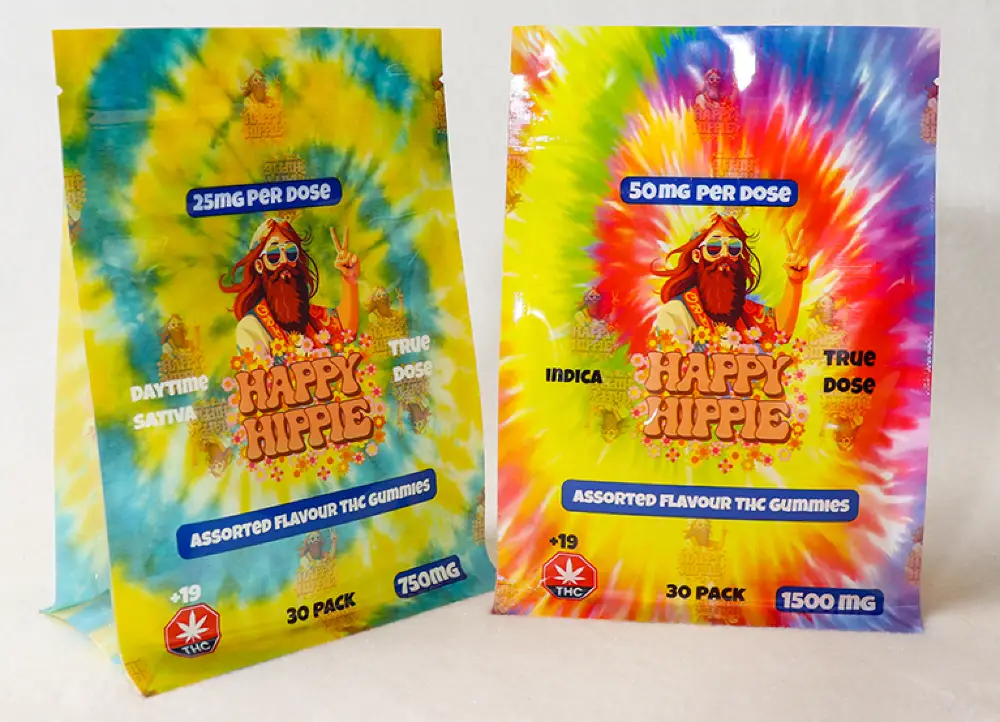
The same barrier science that guards food also shields sensitive, high-value goods that hate light and humidity. Botanical and wellness products, in particular, rely on this exact combination of opacity and moisture control to hold their aroma, potency, and appearance on the shelf.
That's where two extra features come into play for regulated product categories: child-resistant closures and fully custom exteriors.
Child-Resistant Locks and Custom Design
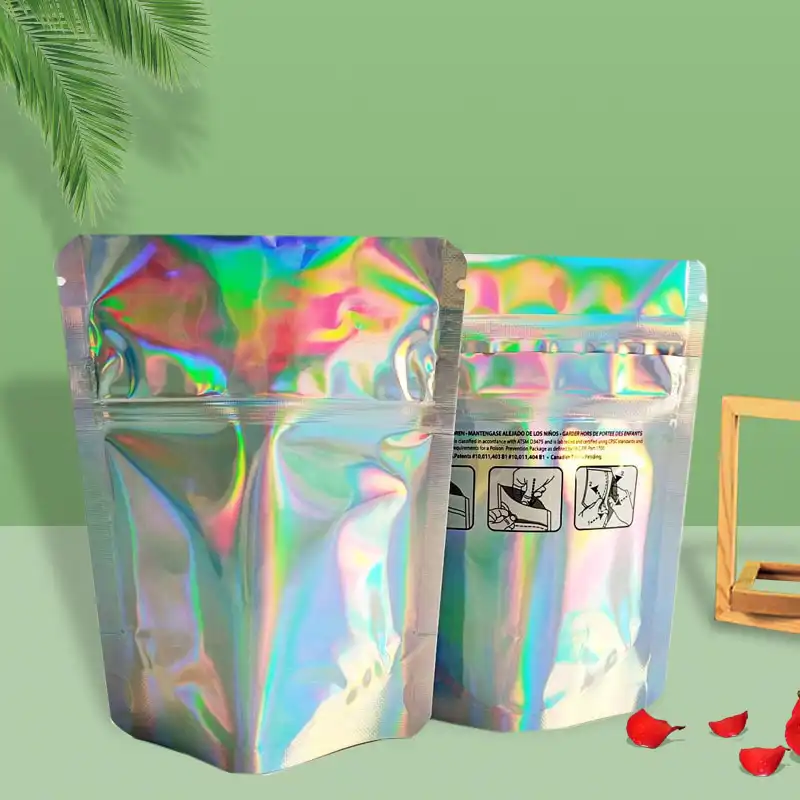
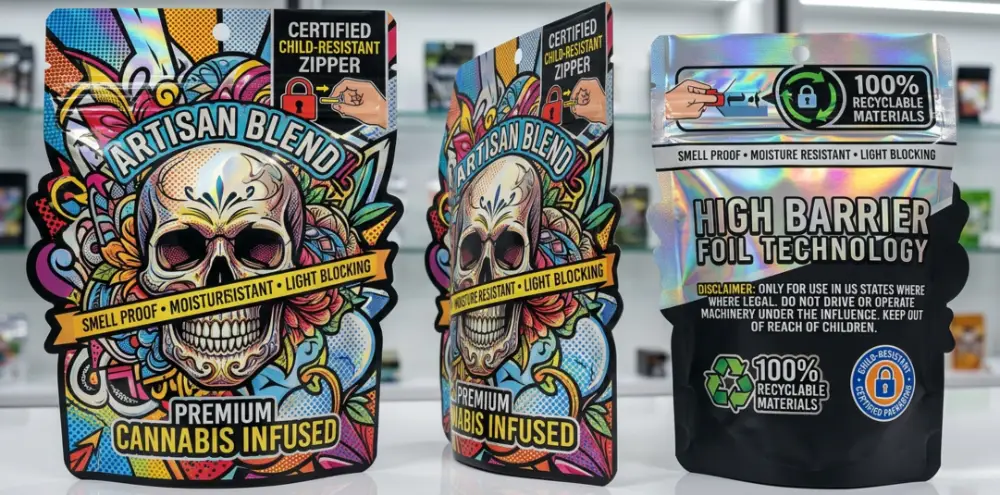
For products that must stay out of little hands, a certified child-resistant zipper adds a press-and-slide mechanism that adults open easily but children can't. Because we hold FDA and ISO 22000 certifications, we recommend pairing child-resistant closures with a compliant barrier film so the package protects both the contents and the household.
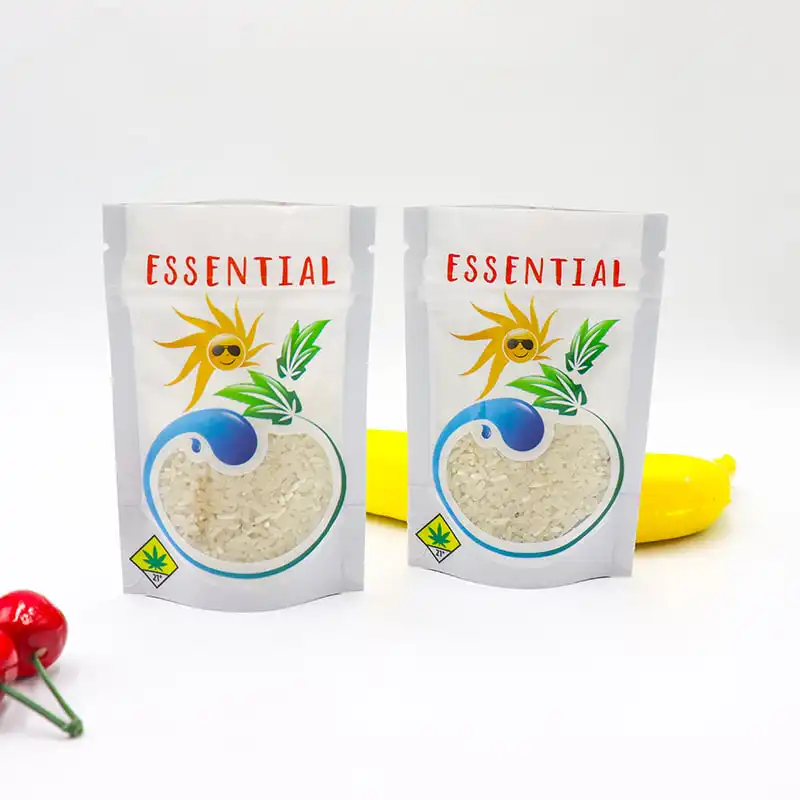
The outside is entirely yours to shape. Our in-house design team often helps brands who only have a rough idea — matte or gloss finishes, custom sizes, resealable zippers, clear windows, and full-color print all sit on the table.
Disclaimer: Child-resistant packaging and certain regulated products are subject to state and federal law. The child-resistant options described here are intended for use in U.S. states where the relevant products are legal, and our closures carry child-resistant certification. Always confirm your local compliance requirements before selling.
Using Mylar Bags for Emergency Preparedness
Preparedness buyers have a distinct need: reliability years down the road, often with no way to test the product in advance. When planning how to use mylar bags for emergency food storage, consistency across every unit matters as much as the spec on paper.
That's why sourcing from a single, controlled production line pays off. In our 6,800㎡ cleanroom facility, every batch runs to the same seal-strength and barrier standards, so unit number 10,000 performs like unit number one.
A Quick Sourcing Checklist
- Confirmed food-grade, multi-layer film with an aluminum barrier
- Documented seal strength and thickness specs
- Relevant certifications (FDA, ISO) available on request
- Correctly matched oxygen absorbers included or specified
- Child-resistant and custom-print options if your category needs them
Common Mistakes That Ruin Long-Term Storage
Even good pouches fail when a few basics get missed. Here are the ones we see most often.
- Incomplete seals: A pinhole or a crumb in the seal line lets oxygen back in slowly.
- Wrong absorber size: Too small, and oxygen levels never drop far enough.
- Packing moist food: Any residual moisture invites mold, no matter how good the barrier.
- Hot storage: Heat accelerates spoilage even inside a sealed pouch.
Learning how to store food in mylar bags is really about respecting these small details — the science does the rest.
Bringing It All Together
The recipe for a package that lasts is simple to state and worth doing carefully: a genuine multi-layer barrier, the right thickness, a correctly sized oxygen absorber, a clean airtight seal, and cool, dark storage. Nail those five, and a decade or two of shelf life becomes routine rather than luck.
If you're planning a product line and want the film, closure, and print dialed in for your specific goods, YLTPACK builds custom pouches to order and can help you spec them from a rough concept. Reach us on WhatsApp at +86 182 1944 5665 or by email at [email protected] to talk through samples and requirements.
Frequently Asked Questions
How long does food really last in these pouches?
With a proper seal and the right oxygen absorber, low-oil dry staples like white rice, wheat, and beans commonly last 10 to 25 years. Higher-oil foods have much shorter windows, and hot storage cuts every estimate down significantly.
Do I always need an oxygen absorber?
For most dry foods, yes — it's what pulls oxygen below the level spoilage organisms need. The main exceptions are sugar and salt, where an absorber can harden them into a block. The pouch alone keeps those dry.
Can I reuse a pouch after opening it?
If it has a resealable zipper and you're using the contents within weeks, short-term reuse is fine. For true long-term preservation, a fresh heat seal and a new absorber are required, since opening reintroduces oxygen.
What thickness should I order for a retail product?
5 mil is a reliable default for most dry foods and shelf products. Move to 7 mil or higher if the contents have sharp edges, ship long distances, or face rough handling. Lighter 3.5 mil suits single-serving snack formats.
Can the outside be fully branded and child-resistant at the same time?
Yes. Custom full-color printing, finishes, and sizes can be combined with a certified child-resistant closure on the same package. Just confirm the compliance rules for your product and market before production.