Why Mylar Bags Are the Gold Standard for Freeze Dried Food Storage
Mylar bags combine a polyester base with a true aluminum foil layer, creating one of the most effective barriers in flexible packaging. They block light at nearly 100%, hold oxygen transmission to negligible levels, and resist moisture far better than plastic alternatives.
For bulk operations, that translates into measurable savings. Less spoilage, fewer returns, and longer SKU rotation windows mean better margins across an entire product line.
How Mylar Compares to Other Storage Methods
| Method | Oxygen Barrier | Light Barrier | Shelf Life Potential | Bulk Suitability |
|---|---|---|---|---|
| Mylar Bags (5–7 mil) | 99.9%+ | 100% | 20–30 years | Excellent |
| Vacuum Plastic Bags | ~85% | None | 1–3 years | Limited |
| HDPE Buckets (alone) | Moderate | Partial | 5–10 years | Good |
| #10 Cans | Excellent | 100% | 20–25 years | Heavy, costly |
Key Performance Advantages
- Oxygen barrier: Properly sealed mylar achieves 99.9%+ oxygen exclusion.
- Light blocking: Aluminum prevents vitamin and color degradation.
- Warehouse efficiency: Flexible pouches stack tighter than rigid containers, lowering freight and storage costs.
Choosing the Right Mylar Bag: Thickness, Size, and Food Grade Standards
Food grade mylar bag thickness directly determines puncture resistance and shelf life. For short rotation (1–3 years), 3.5 mil works. For long-term storage of freeze dried meals, 5 mil is the floor, and 7 mil or higher is the industry standard for emergency preparedness products.
Common Bag Sizes for Bulk Buyers
| Size | Capacity (Freeze Dried) | Typical Application |
|---|---|---|
| 1 Gallon | ~1 lb | Individual meal kits |
| 5 Gallon | ~5–6 lbs | Bucket inserts, bulk grains |
| 10" x 14" | 1–2 servings | Single meals, snack lines |
| Stand-Up Pouch | 100g–1kg | Retail-ready freeze dried fruit |
Custom Printing and Branding Considerations
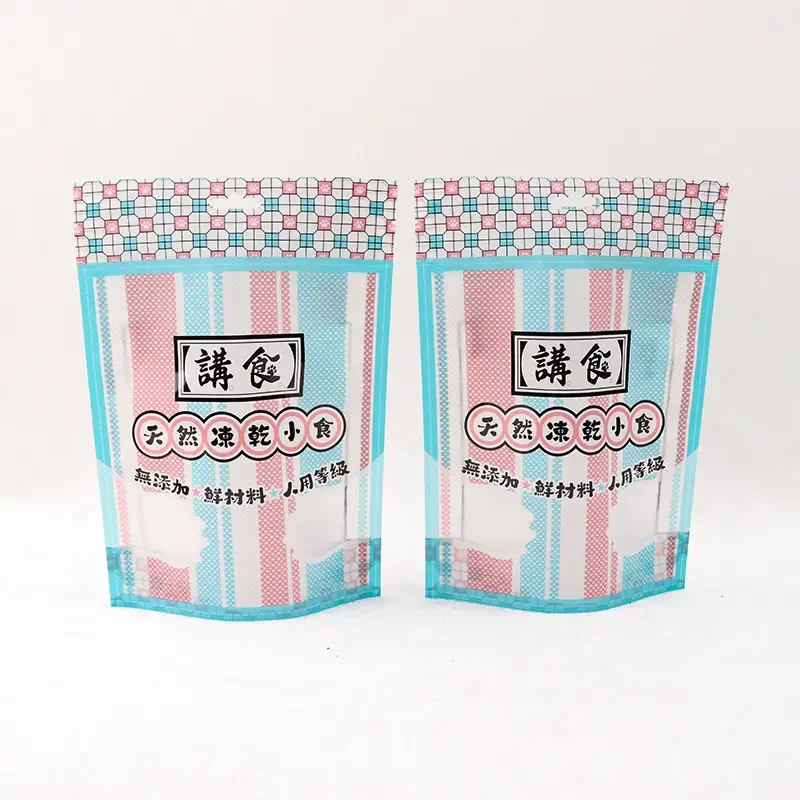
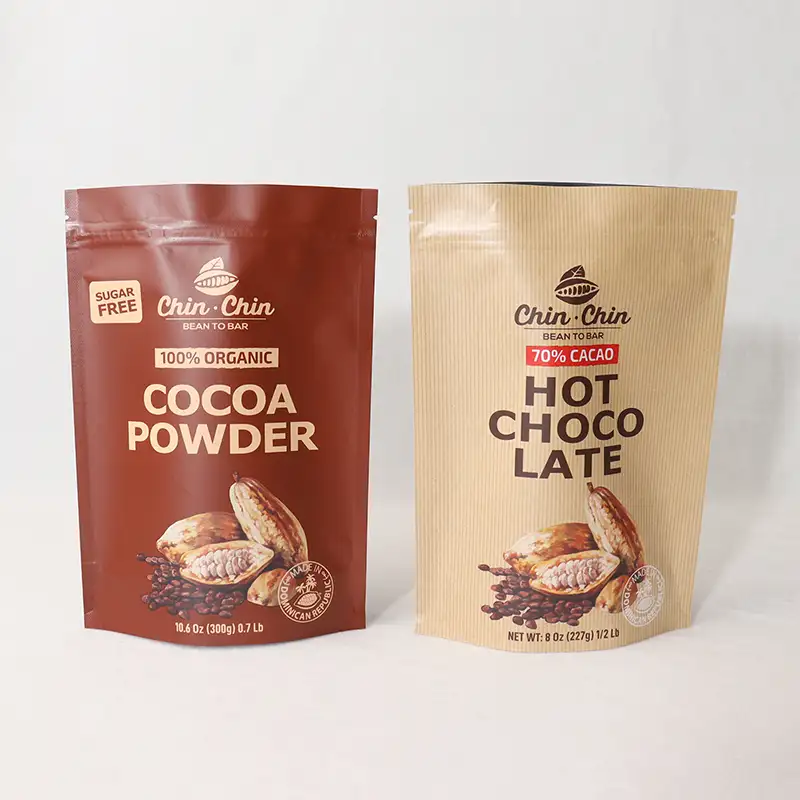
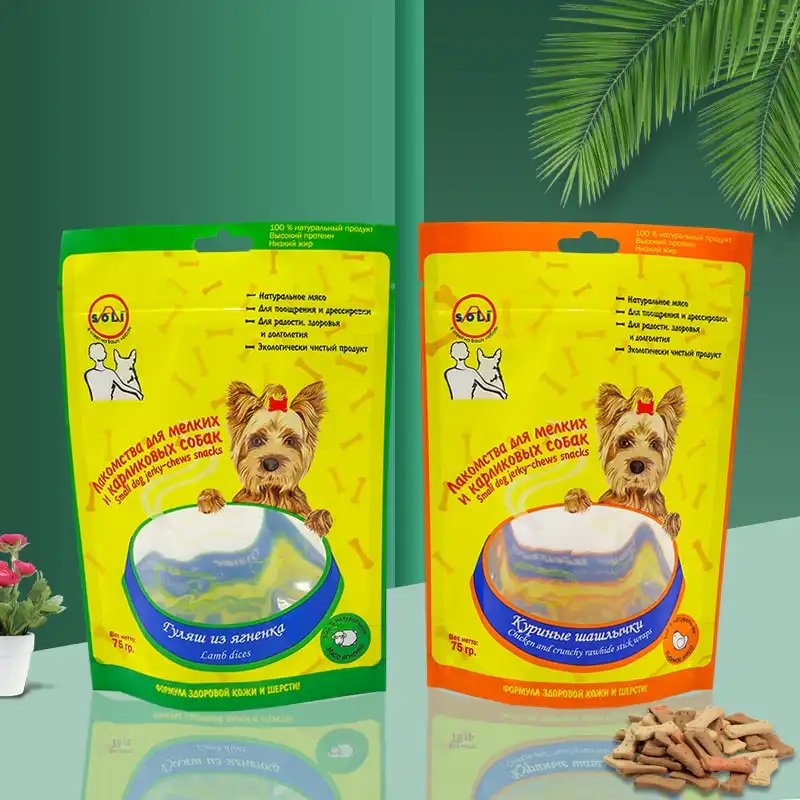
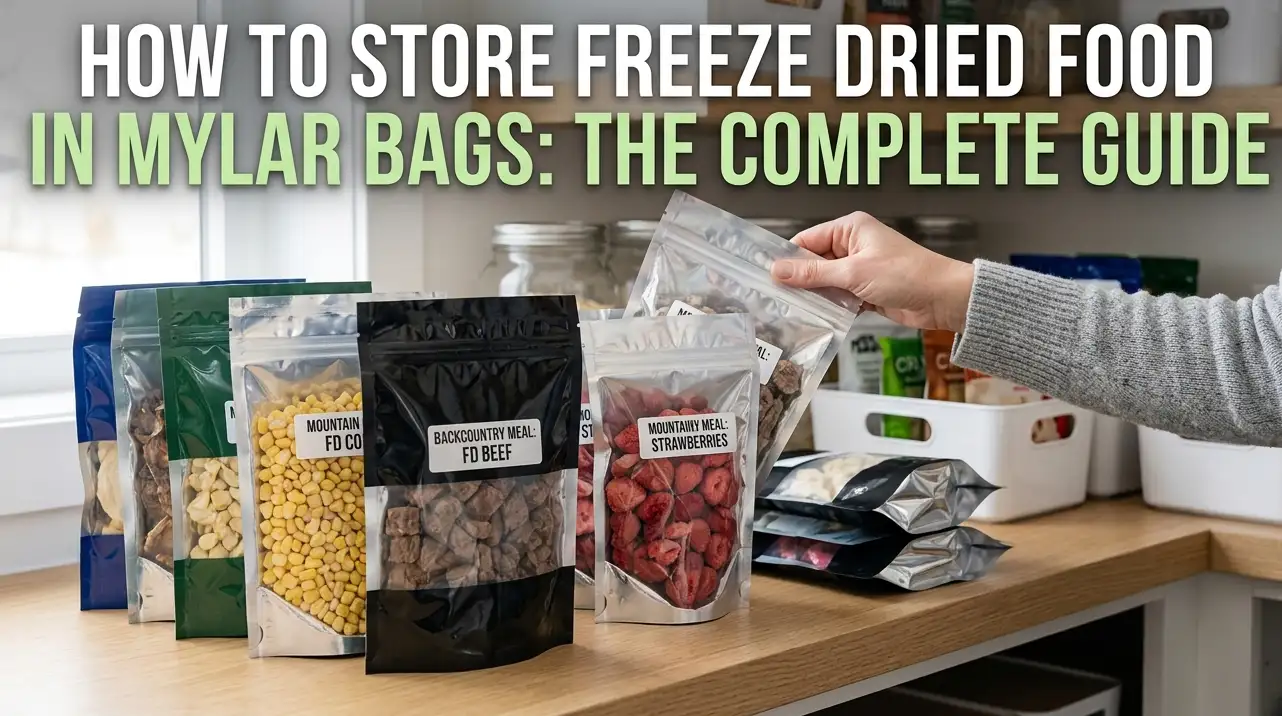
Retail-bound packaging needs more than barrier performance. Matte finishes communicate premium positioning, while gloss draws attention on crowded shelves. Resealable zippers, tear notches, hang holes, and euro-slots all factor into the unboxing experience.
Clear windows look attractive but accelerate nutrient breakdown. For products with shelf lives beyond five years, opaque mylar is the smarter call.
Essential Supplies Before You Start
- Food grade mylar bags matched to product weight and shelf life target
- Oxygen absorbers for long term storage with correct CC rating
- Impulse sealer or band sealer (industrial models for production lines)
- Desiccant packets for tropical or high-humidity distribution
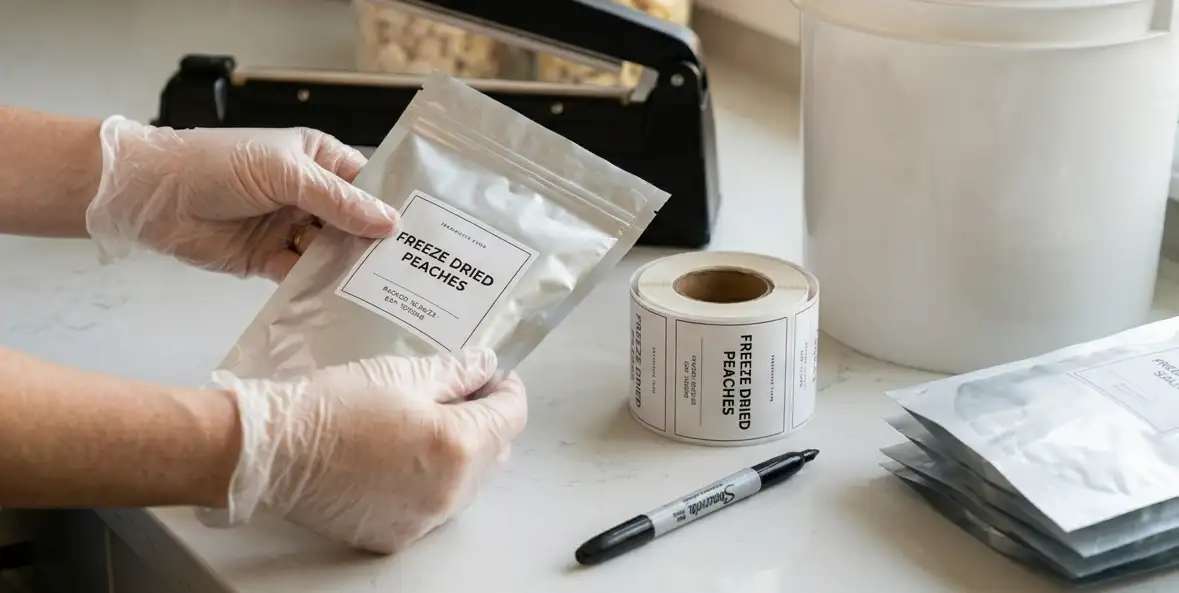
- Labels with product name, lot, date, and tracking codes
Oxygen Absorber Sizing Chart
| Bag Size | Recommended OA (cc) |
|---|---|
| 1 Quart | 100 cc |
| 1 Gallon | 300–500 cc |
| 5 Gallon | 1500–2000 cc |
| Stand-Up Pouch (500g) | 100–300 cc |
Step-by-Step: How to Store Freeze Dried Food in Mylar Bags
Step 1: Prepare a Clean, Low-Humidity Workspace
Target ambient humidity below 30%. Sanitize work surfaces, tools, and gloves before handling product to prevent contamination.
Step 2: Inspect the Freeze Dried Product
Verify residual moisture is under 3%. Freeze dried items should snap cleanly, not bend. Discard any batch showing clumping or condensation.
Step 3: Fill the Mylar Bag
Leave 2–4 inches of headspace at the top. Overfilling traps product in the seal area and creates failure points.
Step 4: Add Oxygen Absorbers
Drop absorbers in just before sealing—they begin activating the moment they hit air. Reseal unused OA packs inside a small mason jar to preserve potency.
Step 5: Apply Proper Mylar Bag Sealing Techniques
Impulse sealers with a 5–8mm seal bar deliver consistent, production-grade results. The hair straightener method works only for small test batches.
For maximum compression, vacuum sealing freeze dried meals before applying the final heat seal reduces volume and freight cost. Every seal should be at least 1 inch wide and fully fused—run your fingernail across it to confirm there are no weak spots.
Step 6: Label and Date
Include product name, net weight, packaging date, and lot number. Barcodes or QR codes simplify warehouse inventory and recall traceability.
Step 7: Store in Optimal Conditions
Aim for 55–70°F with stable humidity. Keep bags off concrete floors—use pallets or food grade buckets to insulate against temperature swings and rodents.
Optimal Storage Environment: Temperature and Shelf Life Data
Temperature Impact on Shelf Life
| Storage Temperature | Estimated Shelf Life |
|---|---|
| 90°F (32°C) | 4–8 years |
| 70°F (21°C) | 15–20 years |
| 60°F (15°C) | 25–30 years |
| 40°F (4°C) | 30+ years |
Every 18°F drop in storage temperature roughly doubles shelf life. This is why climate-controlled warehouses matter for premium emergency food lines.
Common Mistakes to Avoid
- Choosing mylar under 5 mil for long-term storage
- Under-sizing oxygen absorbers or skipping them entirely
- Sealing on humid days without dehumidification
- Storing in garages, attics, or sheds with wide temperature swings
- Reusing previously opened bags with potential micro-punctures
Bulk Storage Solutions for Wholesale and Custom Orders
Combining Mylar Bags with Food Grade Buckets
A 5-gallon mylar bag inside an HDPE bucket creates the ultimate moisture-proof emergency food storage system. The bucket adds rodent protection, impact resistance, and stackable warehouse efficiency.
Custom Packaging for Brands and Resellers
- Private label freeze dried meal lines with full graphic customization
- Custom-sized pouches for subscription and meal kit boxes
- Branded survival kits for institutional and government contracts
- Co-packing and contract filling support for growing brands
Real-World Examples
One outdoor meal brand cut customer returns by 40% after upgrading from 4-mil to 7-mil printed mylar with a stronger seal profile. The same product, better packaging—measurable bottom line impact.
An emergency preparedness retailer stored over 50,000 pouches across five years with spoilage rates below 0.5%. Their secret was strict humidity control during sealing and consistent 65°F warehouse conditions.
A humanitarian aid organization distributing to tropical regions switched to 10-mil mylar with double desiccant inserts, extending field shelf life in 95°F+ climates from months to multiple years.
Why Buyers Work with YLTPACK
YLTPACK has been manufacturing custom flexible packaging since 2005. We produce mylar bags built to each client's specifications—size, thickness, print, finish, and structural features.
Our facility is certified to ISO 22000 and FDA standards, so the materials meet international food safety expectations for export and retail. Free samples are available before you commit to production, and our team supports you from artwork through delivery.
FAQ: How to Store Freeze Dried Food in Mylar Bags
Do I need oxygen absorbers if the food is already freeze dried?
Yes. Freeze drying removes moisture, but residual oxygen inside the bag still oxidizes fats and degrades nutrients. Oxygen absorbers are essential for shelf life beyond a year.
Can I reuse mylar bags?
Not for long-term storage. Reused bags often carry micro-punctures and weakened seal zones that compromise the barrier.
What's the difference between mylar and metallized film?
True mylar has a laminated aluminum foil layer. Metallized film only carries a thin vapor-deposited coating, which offers much weaker oxygen and light barriers.
How thick should mylar bags be for 25-year storage?
5 mil is the absolute minimum. 7 mil or higher is the industry standard for bulk long-term emergency food storage.
Can I vacuum seal mylar bags?
Yes. Vacuum sealing freeze dried meals before heat sealing reduces volume and improves protection. Just confirm the final seal is fully fused across its entire width.
What MOQ is typical for custom mylar bag orders?
Minimum order quantities depend on size, print complexity, and material structure. Reach out for a tailored quote matched to your project scope.
Are clear or window mylar bags safe for long-term storage?
Windows shorten shelf life because light degrades vitamins and pigments. For storage beyond five years, choose fully opaque mylar.
Get Custom Mylar Bags Built for Your Freeze Dried Products
Your packaging is the silent partner in every sale, every shipment, and every shelf year. Whether you're launching a meal kit line, scaling an emergency food brand, or supplying humanitarian programs, the right mylar bag protects both your product and your reputation.
YLTPACK builds custom mylar bags to your exact size, thickness, finish, and structural requirements. Request free samples, share your design concept, and get a tailored quote based on your volume and timeline.
Email us today at [email protected] and let's engineer packaging that performs from production line to end user.