Why Metallized Pouches Outperform Ordinary Plastic
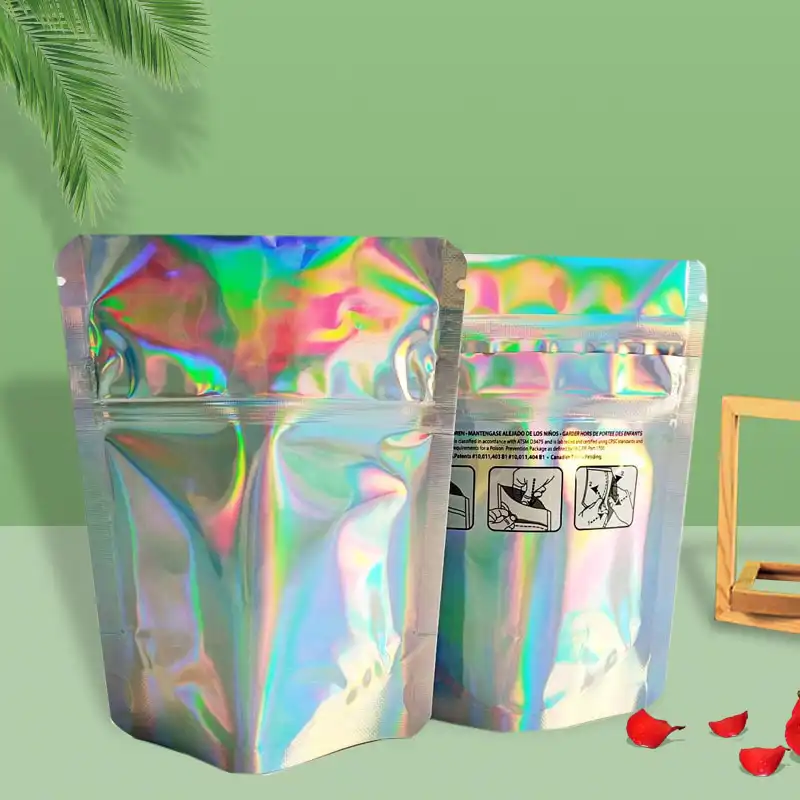
Standard polyethylene bags let oxygen, light, and humidity creep through over time. That slow leakage is what turns crisp snacks soft and bright flavors flat. Metallized film pouches use a thin aluminum layer laminated between plastic films, creating a near-total barrier.
The result is a foil-laminated structure that blocks light at nearly 100%, dramatically slows oxygen transmission, and resists moisture migration. For products sensitive to degradation, this barrier performance is the single biggest factor in shelf life.
| Packaging Type | Light Block | Oxygen Barrier (OTR) | Typical Shelf Life |
|---|---|---|---|
| Standard PE bag | Low | High permeability | 1–3 months |
| Kraft + PE liner | Medium | Moderate | 3–6 months |
| Foil-laminated pouch | ~100% | Very low (<0.01 cc/m²/day) | 12 months–25+ years* |
*With proper oxygen absorbers and a complete seal. Data reflects industry barrier testing standards as of 2026.
The Two-Step System That Actually Keeps Food Fresh
A great pouch alone isn't enough. Freshness comes from combining a barrier film with controlled internal conditions. Think of it as a partnership between the bag and what goes inside it.
Step 1: Remove the Oxygen
Oxygen is the enemy of fats, oils, and aromatics. Using mylar bags for food storage with oxygen absorbers removes residual air after sealing, dropping oxygen levels below 0.01%. This stops rancidity, mold growth, and pest activity in their tracks.
Match the absorber size to your bag volume. As a manufacturer that has produced packaging for 20+ years, we've found that under-sizing absorbers is the most common reason for premature spoilage.
| Bag Size | Recommended Absorber | Best For |
|---|---|---|
| Quart / 1 lb | 100cc | Spices, herbs, seeds |
| Gallon / 4–5 lb | 300–500cc | Grains, rice, beans |
| 5-gallon / 25–35 lb | 1000–2000cc | Bulk long term food storage |
Step 2: Control Moisture
For powders, dried herbs, and crackers, oxygen control isn't the whole story. Effective moisture control prevents caking and texture loss. A silica gel packet alongside the absorber handles humidity, while the foil layer keeps ambient water vapor out.
How to Seal Without Specialized Equipment
You don't need an expensive machine to get a reliable closure. Learning how to seal mylar bags without a vacuum sealer is simpler than most people expect, and it produces airtight packaging when done correctly.
- Hair straightener method: Press a heated flat iron across the open edge for 5–10 seconds. Affordable and effective for small batches.
- Clothes iron: Set to medium-high, place a board behind the bag, and run the edge along the heated plate.
- Impulse sealer: The most consistent option once your volume grows.
Always test your seal by pressing the pouch. If air escapes, reheat. A complete bond should hold firm pressure without leaking.
Choosing the Right Bag for Your Product
Different products demand different formats. The shape, thickness, and closure all affect both protection and the customer's experience opening it.
Thickness Matters
Film thickness is measured in mils. Thicker film resists punctures from sharp edges like grains or freeze-dried fruit.
| Thickness | Durability | Recommended Use |
|---|---|---|
| 3.5 mil | Light | Sample packs, single-serve snacks |
| 5 mil | Standard | Coffee, tea, retail products |
| 7+ mil | Heavy-duty | Bulk grains, long-haul shipping |
Format and Convenience
Stand-up styles sit upright on retail shelves and improve visibility. For products customers use repeatedly, resealable stand up mylar bags with ziplock let buyers reclose between uses, which strongly influences repeat purchases for coffee, granola, and pet treats.
Industry-Specific Freshness Considerations
Working with brands across North America, we've found that the most successful products treat packaging as part of the recipe, not an afterthought.
Coffee and Tea
Freshly roasted coffee releases CO₂ for days. A one-way degassing valve lets gas escape while keeping oxygen out, preserving aroma. Without it, bags can balloon or compress flavor compounds.
Pet Treats and Supplements
Pet owners increasingly scrutinize ingredient transparency, so brands pair protective barriers with clear labeling. A strong odor barrier also matters here, which is why some brands choose smell proof mylar bags bulk wholesale formats to keep strong-smelling proteins contained.
Snacks and Freeze-Dried Foods
These products bruise easily and absorb humidity fast. Heavier film plus generous absorber dosing keeps texture intact through shipping and storage.
Branding That Sells Off the Shelf
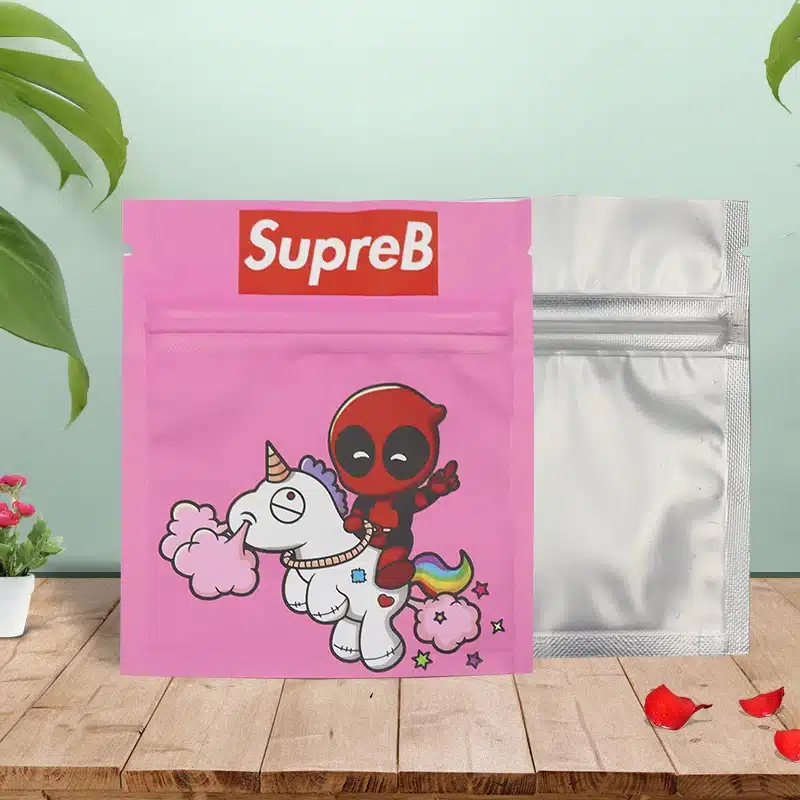
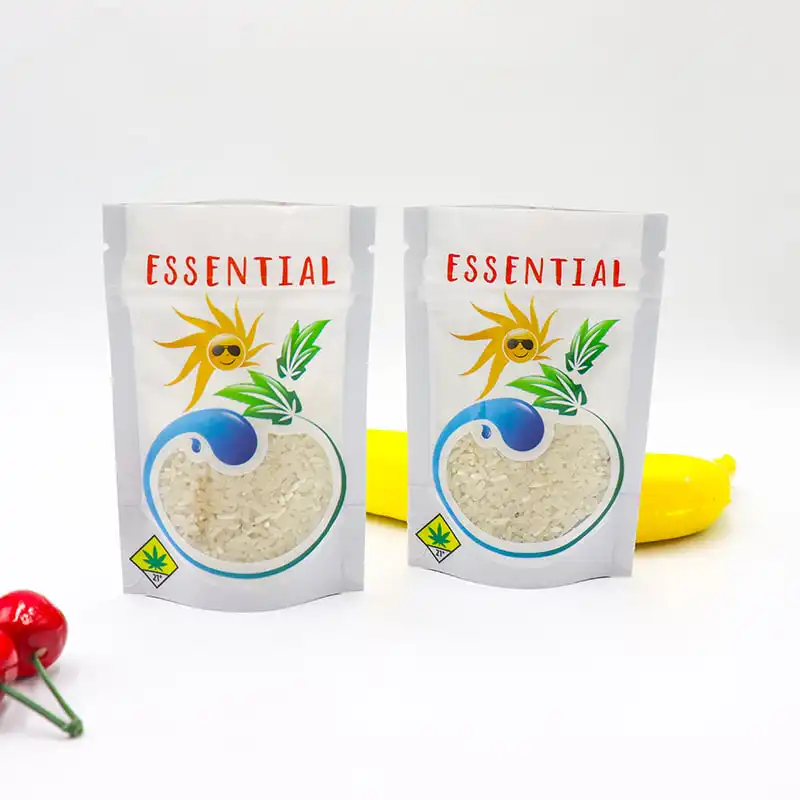
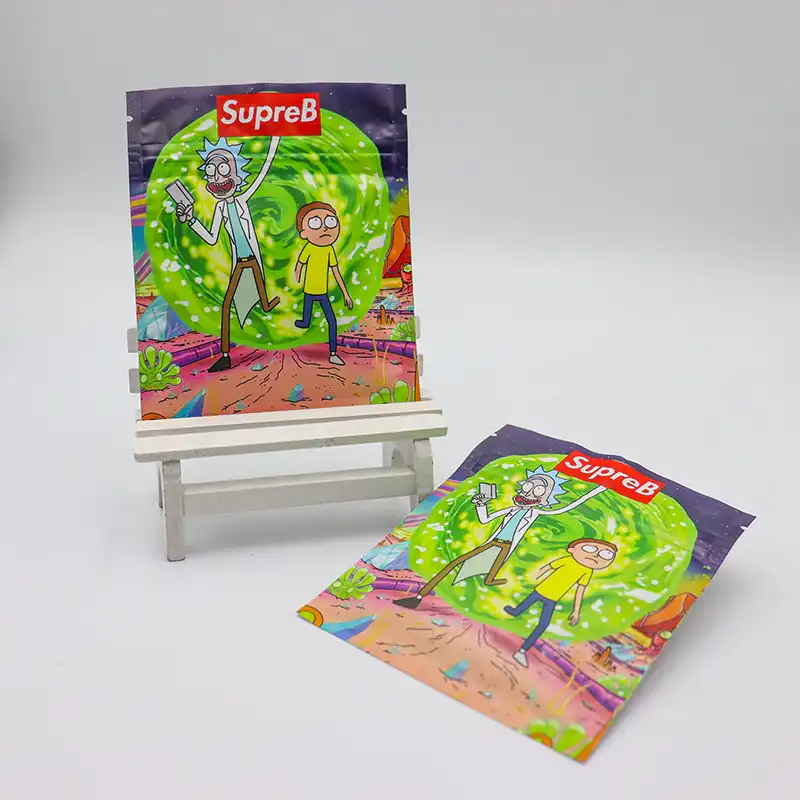
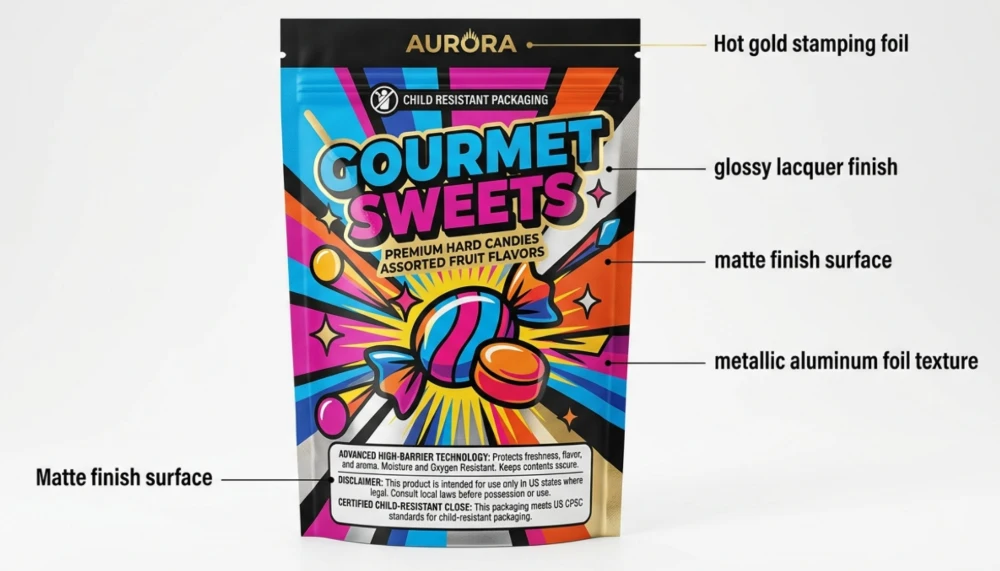
Protection wins repeat customers, but appearance wins the first sale. Custom printed mylar bags for small business owners turn a functional pouch into a recognizable brand asset—matte finishes, foil accents, and window cutouts all shape how shoppers perceive quality.
Our in-house design team often helps brands who only have a rough idea, turning sketches into print-ready artwork. In our 6,800㎡ cleanroom facility, that artwork is printed and laminated under controlled conditions to keep colors consistent batch to batch.
The most common mistake we see from new brands is choosing a beautiful bag with poor barrier specs—or a great barrier with no shelf appeal. You can have both.
Sourcing Considerations for Bulk Orders
When you're ordering in volume, consistency and compliance protect your brand. Here's a practical checklist before you commit.
- Barrier verification: Ask for oxygen and moisture transmission rate data.
- Food-safety certification: Look for FDA-compliant materials and ISO-backed processes.
- Seal integrity testing: Confirm the supplier tests for leaks.
- Sample first: Always run a small trial before full production.
Because we hold FDA and ISO 22000 certifications, we recommend matching your film and closure to how customers actually use the product. For households that simply want reliable long-term protection, even a basic setup paired with vacuum sealing dramatically extends shelf life.
A Quick Note on Compliance and Child Safety
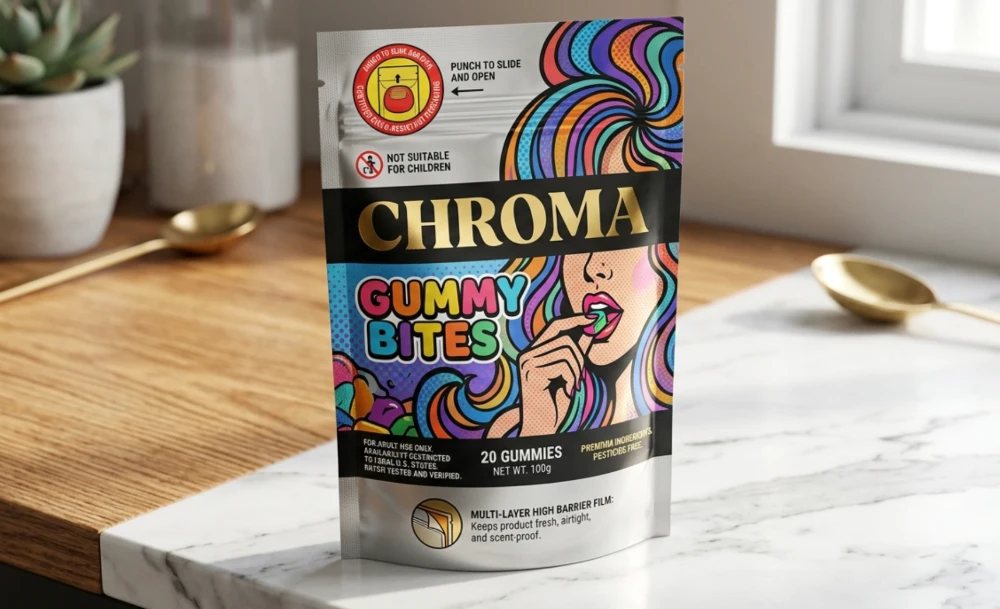
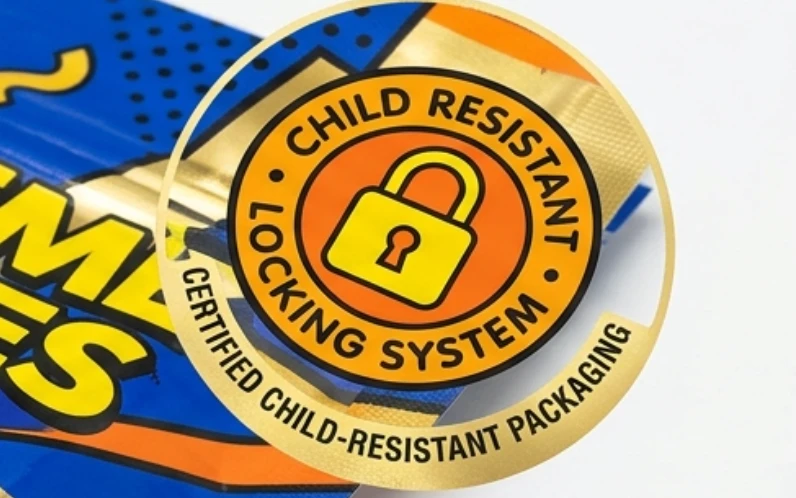
Some brands use these pouches for regulated goods in select U.S. states. Disclaimer: regulations vary by state and product category—always confirm local compliance before distribution. For products requiring extra protection, we offer child-resistant closure options that meet certified child-safety locking standards.
Final Takeaways
Keeping products fresh comes down to three things: a true barrier film, oxygen and humidity control inside, and a complete, tested seal. Get those right and you can extend shelf life from weeks to years while protecting flavor, texture, and brand reputation.
If you're planning a custom run and want guidance on film structure, sizing, or artwork, the YLTPACK team is glad to help you weigh the options. Reach out via WhatsApp at +86 182 1944 5665 or email [email protected] to request samples or specifications.
Frequently Asked Questions
How long do foil pouches keep food fresh?
With properly sized oxygen absorbers and a complete seal, dry staples like rice and beans can stay fresh for 25+ years. Oily products like nuts last 12–18 months due to natural fat content.
Do I really need oxygen absorbers, or is the bag enough?
The film blocks new oxygen from entering, but absorbers remove the air trapped at sealing. For long-term storage, you need both working together.
Can I reuse these pouches?
Resealable ziplock styles can be reused for short-term storage. For long-term preservation, use a fresh absorber and re-seal the top with heat each time.
What's the minimum order for custom-printed pouches?
Minimums depend on size, finish, and print complexity. Smaller trial runs are often possible—share your goals and we'll recommend a practical starting volume.
Are these bags safe for food contact?
Choose pouches made from FDA-compliant, food-grade materials. Always confirm certification documentation with your supplier before packaging consumable products.