A practical resource for brands selecting flexible pouch dimensions that protect product integrity, win shelf placement, and meet evolving consumer demand.
Why a Few Millimeters Can Make or Break Your Granola Bar Brand
In late 2024, a Denver-based snack startup watched 12% of its retail reorders evaporate — not because of taste, price, or marketing. Their stand-up pouches measured 9.5 inches tall, just half an inch over the standard mid-shelf planogram height at two regional grocery chains. Buyers quietly demoted them to a bottom shelf, and sell-through tanked.
That kind of story plays out more often than most founders realize. With the global granola bar market projected to surpass $9.2 billion by 2027, packaging dimensions are quietly shaping repeat purchase rates, freight efficiency, and even Amazon review sentiment.
Choosing the right pouch size isn't just a design choice. It's a margin lever — and getting it wrong is expensive.
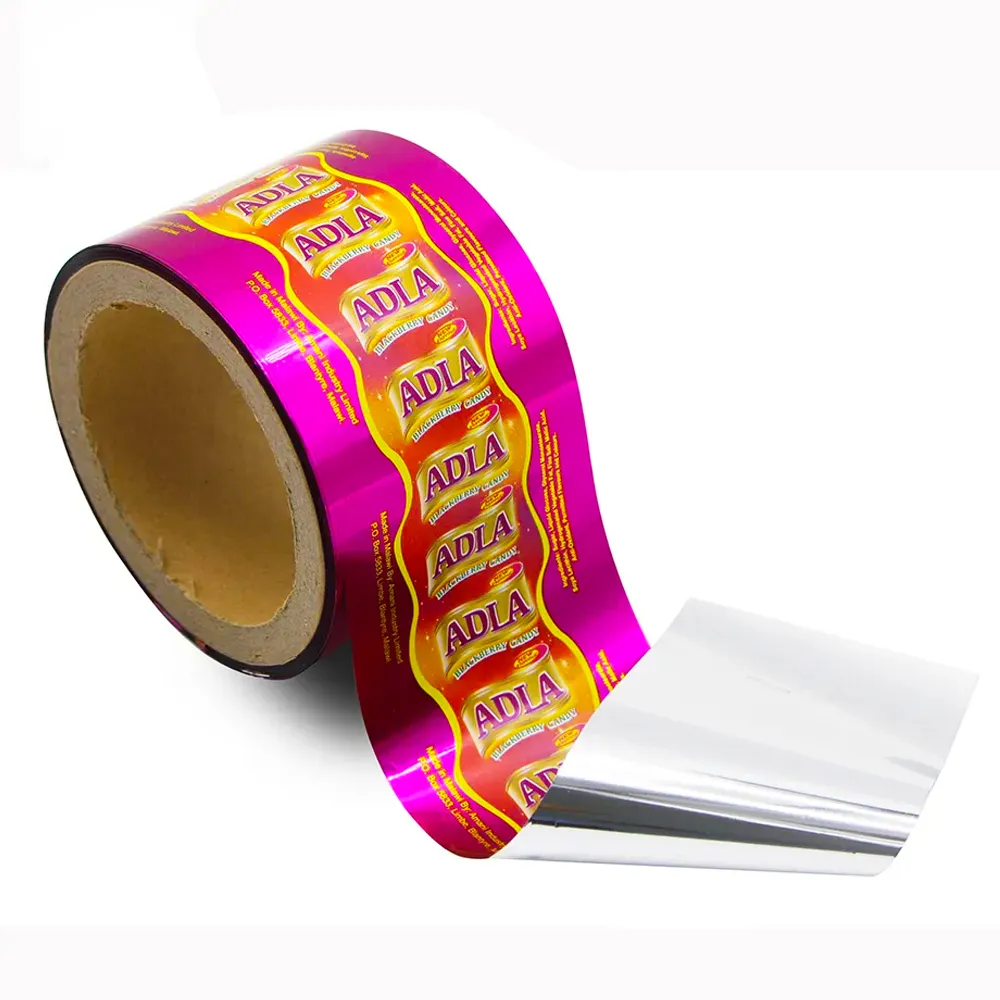
Standard Granola Bar Packaging Size Range
Across North American and European retail, granola bar pouches fall into a fairly predictable range. Knowing these benchmarks before you brief a designer or supplier saves weeks of revision cycles.
Single-Bar Flow Wrap Pouch Dimensions
Most granola and protein bars sold individually share a common geometry:
- Bar dimensions: 3.5–4.5 in length × 1.0–1.4 in width × 0.4–0.6 in thickness
- Standard flow wrap film cut: 5.5–6.5 in × 3.5–4.0 in
- Best fit: protein bars, chewy oat bars, fruit-and-nut bars
The flow wrap format dominates checkout-lane and convenience-store sales because it's fast to run on VFFS lines and minimizes material cost per unit.
Multipack Granola Bar Packaging Sizes
Multipack outer pouches scale with bar count. The most common configurations are 5-, 6-, 8-, and 12-count, with stand-up pouch (SUP) dimensions ranging from 7" × 9" up to 9" × 12". Gusset depth becomes critical above the 6-count threshold — without 2.5–3 inches of bottom gusset, the pouch tips forward on the shelf and loses face visibility.
Quick-Reference Granola Bar Pouch Size Chart
| Pouch Type | Dimensions (W × H) | Typical Bar Count | Ideal Use Case |
|---|---|---|---|
| Single Flow Wrap | 5.5" × 3.7" | 1 | Convenience & checkout |
| Small Stand-Up Pouch | 6" × 8" | 4–5 | Kids' lunchbox lines |
| Medium SUP | 8" × 10" | 6–8 | Family & club retail |
| Large SUP w/ Gusset | 9" × 12" × 3" | 10–12 | Bulk & warehouse stores |
| Resealable Doypack | 7" × 10" | 6 | Premium & organic brands |
How to Choose the Right Granola Bar Pouch Size
Skip the generic advice — here's the decision framework that experienced packaging engineers actually use.
1. Match the Pouch to Bar Geometry
Add 0.4–0.6 in of headspace on each side for sealing tolerance, plus a small allowance for bar shrinkage during cooling. Bars with high inclusion content (nuts, chocolate chunks) settle slightly in transit, so factor that into the depth.
2. Align with Retail Shelf Specs
Walmart, Target, and Kroger publish planogram height ceilings that vary by category section. Club channel buyers (Costco, Sam's Club) demand deeper gussets and reinforced bottom seals because their pallet-display merchandising puts more compression load on the lower units.
Before you finalize pouch height, pull the planogram for your target retailer — or ask your broker. A 0.5-inch overrun is enough to lose placement.
3. Factor in Filling Equipment Compatibility
VFFS lines need specific film web widths — usually a minimum of 2.2x the finished pouch width. HFFS and rotary pre-made pouch fillers have tighter tolerances on pouch flatness and seal alignment. If your co-packer runs older equipment, oversized multipack pouches may jam the indexing belt.
Material Thickness & Barrier Specs by Pouch Size
Most sizing guides ignore this entirely, but it matters: larger pouches need thicker, stiffer film structures to hold their shape and protect heavier payloads.
| Pouch Size | Suggested Structure | Total Thickness | Shelf Life |
|---|---|---|---|
| Single bar | BOPP / VMPET / PE | 70–80 microns | 9 months |
| 4–6 count | PET / AL / PE | 95–110 microns | 12 months |
| 8–12 count | PET / VMPET / NY / PE | 120–140 microns | 12–18 months |
Aluminum-foil laminates deliver the strongest oxygen and moisture barrier, which becomes essential for bars with high oil content (nut butters, seed-based recipes) or for export markets with longer transit times.
Sustainability Trends Reshaping Pouch Sizing
Right-sizing has moved from a CSR talking point to a measurable cost initiative. Between 2023 and 2025, Mondelez and General Mills both reported pouch surface area reductions of 8–14% across select snack lines, cutting both material spend and Scope 3 emissions.
A few practical considerations shaping current pouch design:
- Recyclable mono-material PE pouches need slightly wider seal areas (typically +2–3 mm) because PE-to-PE seals are more sensitive to contamination than mixed-laminate seals.
- Compostable films have lower stiffness, so multipack pouches above 8" × 10" often require structural redesign or a reinforced bottom panel.
- Right-sized headspace — typically 18–22% of internal volume — reduces shipping cube and visual deception complaints on Amazon.
Common Sizing Mistakes That Cost Brands Money
Oversizing the Headspace
Inflated air-to-product ratios are now one of the top three drivers of negative Amazon snack reviews. Consumers photograph half-full pouches and tag brands directly. Aim for headspace under 25% of internal volume.
Ignoring Case Pack Math
One wrong pouch dimension cascades into the master case, then the pallet. A pouch that's 0.3 inches too wide can cost you a full row per layer — that's 7–10% pallet inefficiency, which compounds across every truckload for the life of the SKU.
Underestimating Print Distortion on Gussets
Artwork built for an 8" × 10" pouch rarely scales cleanly to a 9" × 12" gusseted format. The gusset fold distorts logos and nutrition panels if the dieline isn't redrawn. Plan for separate artwork files per pouch size from the start.
Custom Granola Bar Packaging from YLTPACK
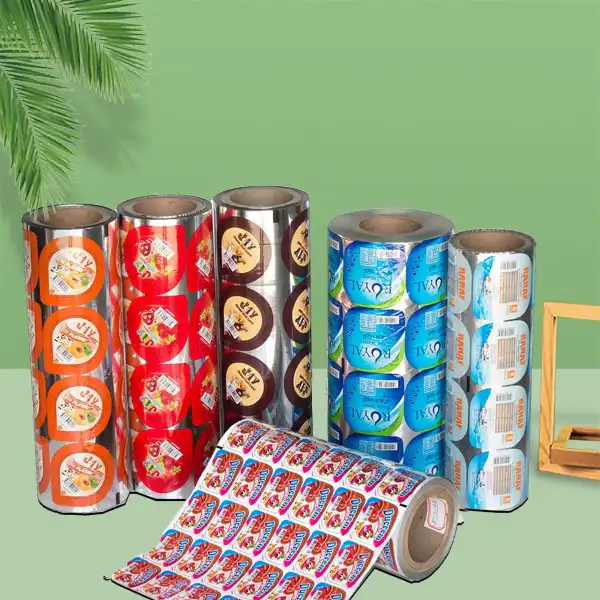
YLTPACK has manufactured flexible pouches and flow wrap film for snack brands since 2005. Operations are ISO 22000 and FDA certified, and every pouch is built to the customer's specs — bar dimensions, filling-line tolerances, retail channel requirements, and sustainability goals all factored in.
- Fully custom pouch sizing — no forced template formats
- Free sample program before tooling commitment
- Flexible MOQs for emerging snack brands and pilot launches
- Mono-material PE, high-barrier laminate, and compostable film options
- Direct contact: [email protected]
FAQ: Granola Bar Packaging Size
What is the most common single granola bar pouch size?
The benchmark in North America is roughly 5.5" × 3.7" for flow wrap pouches holding a standard 4-inch bar. This dimension is compatible with most VFFS lines and fits checkout-lane merchandising clips.
What size pouch fits a 6-pack of granola bars?
An 8" × 10" stand-up pouch with a 2.5–3" bottom gusset is the most reliable choice for six standard bars. Premium brands often opt for a 7" × 10" resealable doypack instead, which carries better shelf presence in natural and organic sections.
Do I need a different film for larger multipack pouches?
Yes. Single-bar flow wraps run well on 70–80 micron BOPP/VMPET/PE structures, but multipacks of 8 bars or more typically need 120–140 micron PET/VMPET/NY/PE laminates to maintain stiffness, barrier performance, and a 12–18 month shelf life.
Can I get a custom pouch size below typical MOQs?
For emerging brands, yes. YLTPACK offers flexible minimums on pre-made pouches so startups can test market response before committing to full production runs. Roll-form film for VFFS lines has higher MOQs due to printing setup, but pilot quantities are negotiable.
How long does custom pouch tooling take?
Industry-standard lead time for custom-printed flexible pouches is 4–6 weeks from artwork approval, including cylinder engraving, lamination, and slitting. Repeat orders typically ship in 3–4 weeks.
Ready to Get Your Pouch Sizing Right?
Whether you're launching a single-SKU protein bar or rolling out a 12-count club-channel multipack, the pouch dimensions you lock in today will shape your unit economics for years.
Send your bar specs, target retailer, and projected volumes to [email protected], and the YLTPACK team will respond with tailored pouch recommendations and free physical samples. No tooling commitment required — just the information you need to make the right call.