Rollstock Film vs Pre-Made Pouches: The Short Answer
If your line runs high volumes, repeat SKUs, and automated filling, rollstock film usually gives you stronger speed, material control, and long-term efficiency. If your brand needs quick launches, many flavors, lower starting quantities, or a premium shelf-ready look without investing in forming equipment, ready-made pouches are often the easier route.
Think of it this way: rollstock is like buying fabric and tailoring each pack on the machine; finished pouches are like receiving the garment already sewn. Both can protect coffee, snacks, pet food, supplements, rice, sauces, beauty refills, and frozen products well, but the right choice depends on your filling method, order volume, shelf goals, and risk tolerance.
As a manufacturer that has produced packaging for 20+ years, YLTPACK has seen one pattern again and again: many brands do not choose the wrong material; they choose the wrong format for their production reality. This guide will help you compare the two options without jargon, pressure, or vague claims.
What Are You Actually Comparing?
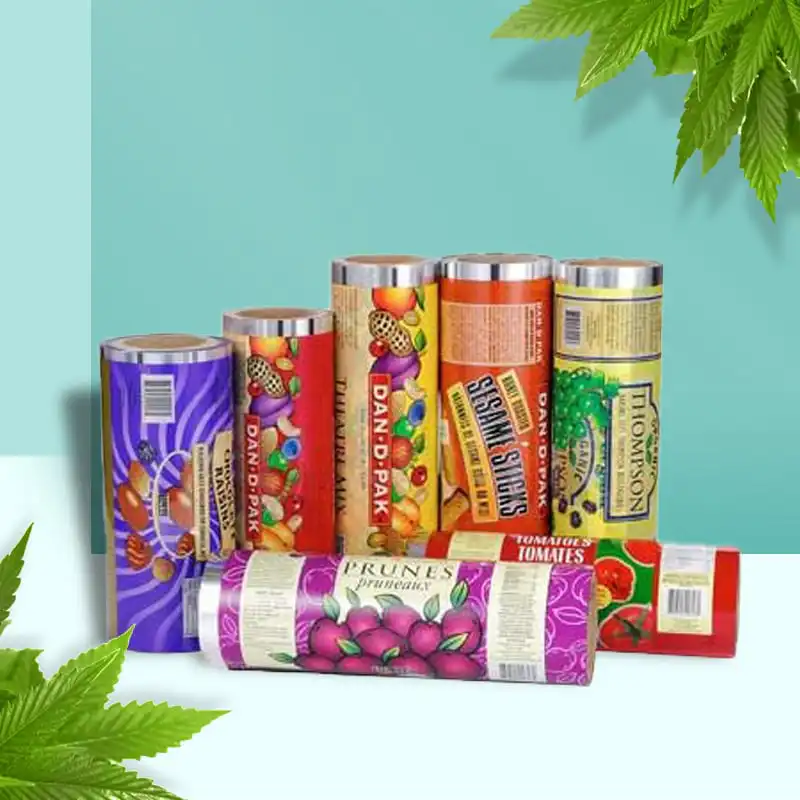
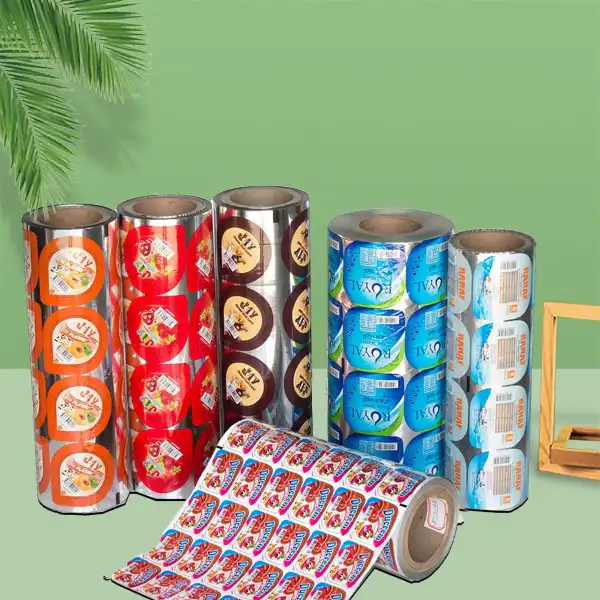
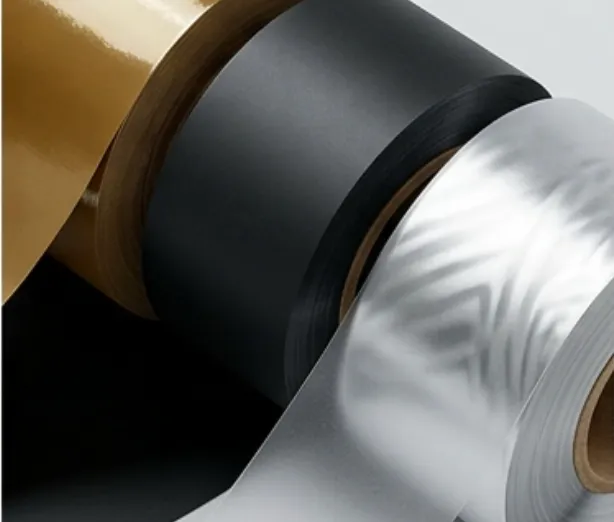
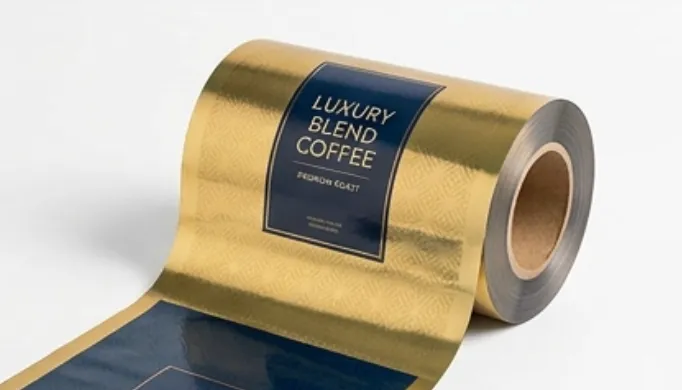
Rollstock film is supplied on a large roll and formed into packages on your filling machine. The equipment creates the bag shape, fills the product, seals it, and cuts it into individual packs.
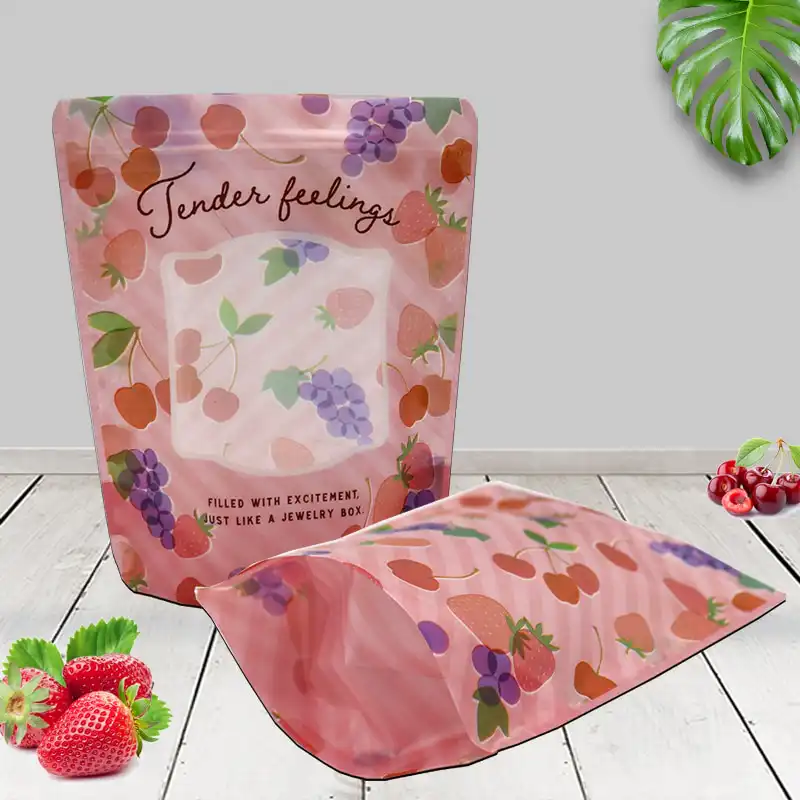
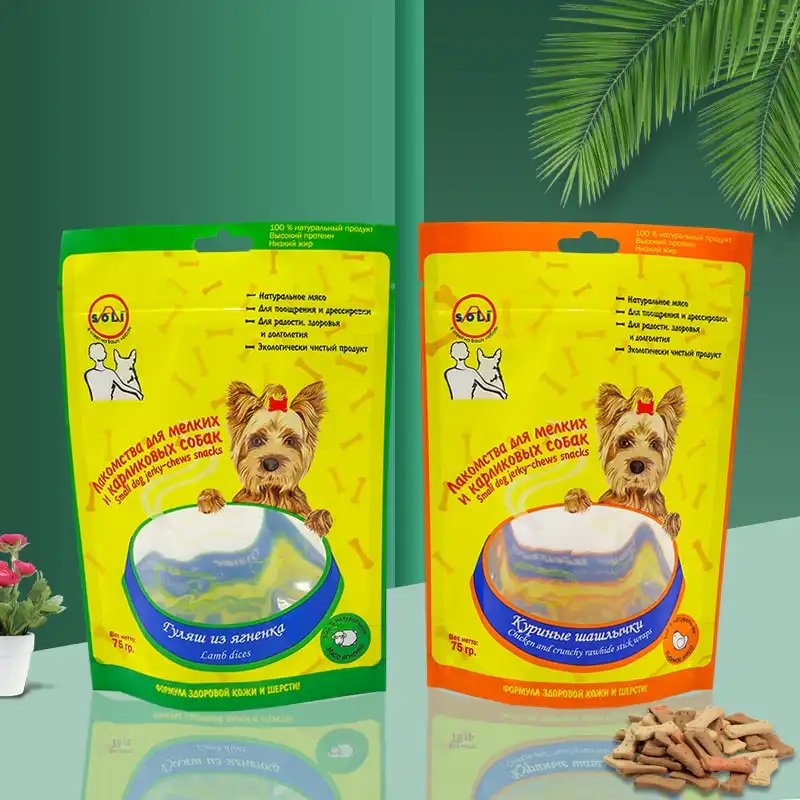
Ready-made pouches arrive already converted into the final bag shape. Your team or co-packer opens the pouch, fills it, seals the top, and packs it for shipping.
The packaging material can be similar in both formats: PET, PE, CPP, aluminum foil, kraft paper laminate, recyclable PE structures, or high-barrier films. The real difference is not only the material; it is where the forming work happens.
| Decision Factor | Rollstock Film | Ready-Made Pouches |
|---|---|---|
| How the pack is formed | Formed on your packaging machine | Made before delivery to your facility |
| Typical production style | Automated, repeated, higher-volume runs | Flexible, launch-friendly, multi-SKU runs |
| Machine requirement | Requires form-fill-seal equipment | Works with manual, semi-auto, or pouch filling systems |
| Design flexibility | Strong for repeated artwork and consistent sizes | Strong for stand-up display, zippers, valves, windows, and premium shapes |
| Common use cases | Snacks, frozen food, powders, sachets, flow packs, high-speed pillow bags | Coffee, pet treats, granola, supplements, rice, beauty refills, specialty food |
How Production Volume Changes the Answer
Volume is the first question I ask before recommending a format. A line running the same snack pack all day has very different needs from a growing brand launching six flavors of freeze-dried fruit.
Roll-fed material makes more sense when your packaging machine can run continuously with fewer changeovers. The more stable your SKU list, bag size, and artwork, the more attractive this format becomes.
Finished pouches are often more forgiving when sales are still being tested. You can order different structures, sizes, and finishes without needing your line to form every bag from flat film.
| Production Situation | More Likely Fit | Why It Works |
|---|---|---|
| One product, one size, repeated runs | Rollstock film | Less interruption and better efficiency once the machine is dialed in |
| Many flavors or seasonal designs | Ready-made pouches | Artwork and format changes are easier to manage |
| New product validation | Ready-made pouches | Lower operational complexity during early sales testing |
| Large retailer rollout | Depends on equipment and forecast | Stable demand may justify roll-fed material; display needs may favor pouches |
| Co-packer handles filling | Depends on co-packer machines | The available equipment often decides the practical option |
The simple answer to when to use rollstock film instead of pre-made pouches is this: choose it when your production line is automated, your demand is predictable, and machine efficiency matters more than frequent design changes.
Cost: A Practical Comparison Without Guesswork
A useful rollstock film vs pre-made pouches cost comparison should include more than the packaging unit itself. You also need to look at machine investment, labor, scrap, storage, changeover time, freight volume, and quality loss from poor sealing.
Roll-fed film may reduce material handling at scale because rolls are compact and feed directly into machines. However, if your team does not have the right equipment or your orders change constantly, those savings can disappear through downtime and setup loss.
Ready-made pouches usually include more conversion work before they reach you. That can make the pack easier to use, but it also means you are paying for pouch forming, zipper insertion, gusseting, spout fitting, valve application, or shaped cutting before filling.
| Cost Area | Rollstock Film Impact | Ready-Made Pouch Impact |
|---|---|---|
| Material usage | Can be efficient on stable, high-speed runs | May include extra material for gussets, zippers, and structure |
| Labor | Lower per pack when automation runs smoothly | Can be higher for manual or semi-auto filling |
| Equipment | Requires compatible forming and sealing machinery | Lower forming complexity at the filling site |
| Changeovers | Can be costly if sizes and SKUs change often | Easier for short runs and mixed product lines |
| Warehousing | Rolls are space-efficient | Finished bags take more carton space |
| Waste risk | Machine setup scrap must be controlled | Damaged pouch openings, zipper issues, or filling errors must be controlled |
In our 6,800㎡ cleanroom facility, we often review not just film thickness, but also sealing temperature, filling speed, and pack weight. Those details can shift the real cost more than a small material difference on paper.
Packaging Performance: Protection Comes Before Appearance
Beautiful packaging will not help if the product arrives stale, leaking, clumped, faded, or crushed. Before choosing the format, define what the product must survive: oxygen, moisture, oil, aroma loss, puncture, freezing, heat, stacking, or long-distance shipping.
For coffee, oxygen barrier and aroma retention are critical. A one-way degassing valve may be needed, especially for freshly roasted beans that release carbon dioxide after packing.
For pet food and treats, pet owners care about ingredient transparency, freshness, and resealability. A strong zipper, grease resistance, and clear nutrition panel placement can directly affect repeat purchase behavior.
For beauty refills or sample packs, the unboxing moment matters because customers often share packaging on social platforms. Smooth print, tactile finishes, clean tear notches, and leak-resistant seals all shape the product experience.
For rice, grains, and heavy dry goods, load-bearing strength and stacking performance matter more than decoration alone. Side gussets, reinforced seals, and suitable film thickness can reduce burst risk during warehouse handling.
| Product Type | Key Packaging Concern | Format Notes |
|---|---|---|
| Coffee | Oxygen, aroma, degassing | Finished pouches often suit valves and shelf display; roll-fed film works for portion packs |
| Snacks | Moisture, oil, crispness | Roll-fed film is common for pillow packs and automated snack lines |
| Pet food | Freshness, zipper strength, print clarity | Stand-up or flat-bottom pouches support shelf presence and resealing |
| Rice and grains | Weight, puncture, stacking | Thicker laminated pouches or gusseted bags may be needed |
| Beauty refills | Leak resistance, visual finish, user experience | Spout pouches, shaped pouches, or sachets may fit different pack sizes |
If you are comparing rollstock packaging vs premade pouches for food products, start with shelf life, seal integrity, and filling conditions before discussing surface finish. Food safety and product stability should drive the structure.
Machine Compatibility: The Part Many Teams Underestimate
Your packaging machine is not just a tool; it is a decision filter. A film that looks perfect in a sample book may fail if it does not seal well at your machine speed or handle your filling temperature.
Vertical form-fill-seal lines are common for powders, granules, frozen items, and snacks. Horizontal flow wrap lines often suit bars, bakery items, and single products that need fast wrapping.
Pouch filling machines are different. They pick up an already-made bag, open it, fill it, then seal it, which gives brands access to zippers, spouts, flat bottoms, and shaped designs without forming every detail on-site.
Because we hold FDA/ISO 22000 certifications, we recommend validating food-contact materials, migration requirements, and sealing performance before mass production. A small trial can prevent a large batch of weak seals.
Questions to Ask Your Operations Team
- What machine model will fill and seal the package?
- What is the expected filling speed per minute?
- Will the product be hot-filled, frozen, oily, dusty, or sharp-edged?
- How often will the line change product size or artwork?
- Who is responsible for testing seal strength before full production?
- Does the line need zipper closing, gas flushing, vacuum, or valve application?
Design and Shelf Impact: What Will the Customer See First?
Finished pouches usually offer more retail presentation options. Stand-up pouches, flat-bottom pouches, side-gusset bags, shaped pouches, spout pouches, and kraft window bags all help customers understand the product quickly.
Roll-fed packaging can still look excellent, especially with high-quality printing and consistent forming. It is widely used where speed, compact pack shape, and automated shelf-ready cartons matter.
Our in-house design team often helps brands who only have a rough idea turn it into dielines, zipper placement, valve position, window shape, and print-ready artwork. This matters because a beautiful design can still fail if the zipper blocks the nutrition panel or the valve lands under a label.
| Brand Goal | Packaging Direction to Consider | Why |
|---|---|---|
| Premium coffee shelf presence | Flat-bottom or stand-up pouch | Good front panel area, valve option, strong shelf shape |
| Fast snack production | Roll-fed pillow pack | Efficient for repeated high-speed runs |
| Refillable beauty product | Spout pouch or shaped pouch | Better pouring experience and stronger visual identity |
| Ingredient transparency | Clear window pouch or matte printed pouch | Lets customers inspect texture, color, or product quality |
| Warehouse-heavy distribution | Reinforced gusseted structure | Supports stacking and reduces transport damage risk |
Sustainability and Compliance: Do Not Treat Them as Afterthoughts
More buyers now ask about recyclability, post-consumer material, compostability, and reduced packaging weight. As of July 2026, these questions are no longer limited to large retailers; smaller brands also need clear answers for customers and distributors.
Roll-fed material can reduce storage bulk and may support lightweight pack designs. Finished pouches, however, can also be made with recyclable PE, mono-material laminates, kraft paper combinations, or GRS-certified recycled content depending on the product need.
The challenge is balance. A recyclable structure that cannot protect roasted coffee from oxygen, or a lightweight pouch that bursts under rice weight, is not a responsible choice.
YLTPACK holds FDA, ISO 9001, ISO 22000, and GRS-related capabilities for suitable projects, but certification is only useful when matched with the product, market, and filling process. Ask for documentation that fits your actual packaging structure, not just a general certificate file.
Rollstock Film vs Premade Pouches Pros and Cons
Here is the rollstock film vs premade pouches pros and cons view I would use in a real sourcing meeting. It keeps the decision focused on production, not personal preference.
| Option | Advantages | Trade-Offs |
|---|---|---|
| Rollstock film | Efficient for automated lines, compact storage, strong repeat-run performance, good for high-speed packs | Requires compatible equipment, setup waste must be managed, less forgiving for frequent SKU changes |
| Ready-made pouches | Strong shelf impact, easier for launches, supports zippers, valves, spouts, windows, and complex shapes | More converted before filling, takes more storage space, filling speed may be lower depending on equipment |
For many growing brands, the decision is not permanent. Some start with ready-made bags to prove the market, then shift selected high-volume SKUs to roll-fed film once demand becomes predictable.
A Simple Decision Checklist Before You Request Samples
Before asking any factory for samples, collect the details below. It will save time, reduce back-and-forth, and help the packaging supplier recommend a structure that actually works.
- Product type: powder, liquid, granule, oily snack, frozen food, roasted coffee, pet treat, cosmetic refill, or dry goods.
- Net weight: small sachet, retail pouch, family pack, or heavy bulk bag.
- Filling method: manual, semi-automatic, vertical machine, horizontal flow wrapper, or pouch filling line.
- Shelf life target: short local sale, long retail shelf, export shipment, or freezer storage.
- Barrier need: oxygen, moisture, light, aroma, grease, puncture, or heat resistance.
- Display goal: hang hole, stand-up bottom, flat-bottom shape, clear window, matte finish, metallic effect, or kraft look.
- Compliance needs: food contact, recycled content, export documentation, or retailer packaging rules.
- Artwork readiness: final dieline, rough concept, existing label, or only a reference image.
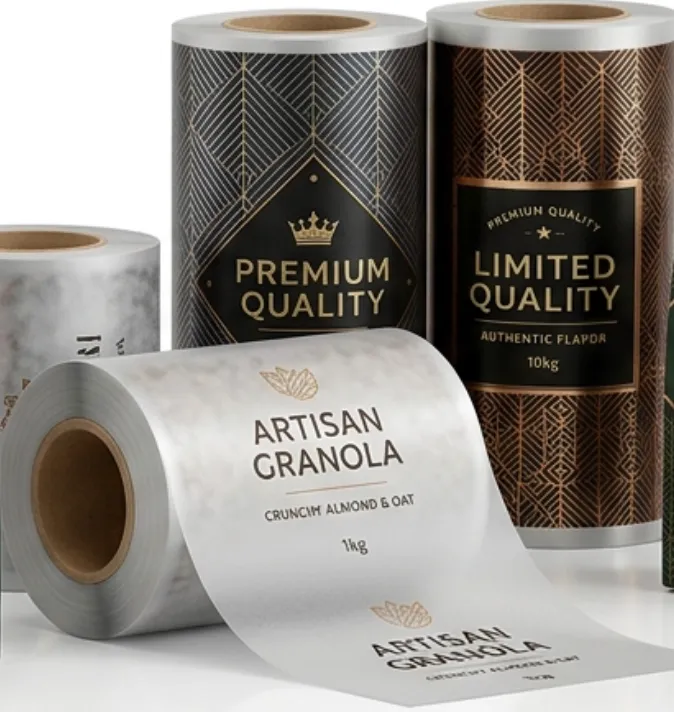
This is also where rollstock film vs pre-made pouches for flexible packaging becomes a practical discussion rather than a generic comparison. The better your inputs, the more accurate the recommendation.
Common Mistakes That Delay Production
The most common mistake is choosing the package shape before confirming the filling process. A pouch with a zipper, wide gusset, and matte finish may look great, but it still needs to open, fill, and seal smoothly on your line.
The second mistake is copying a competitor’s bag without understanding the product inside. Two coffee brands may need different valve placement, barrier layers, and seal widths depending on roast level, shipping time, and filling schedule.
The third mistake is ignoring transport. Rice, pet food, and frozen items can pass shelf tests but fail during stacking, vibration, or carton compression.
Working with brands across North America, Europe, and other export markets, we have found that the fastest projects usually begin with product details, machine details, and shelf goals in the same conversation. Packaging decisions become much easier when those three points are clear.
What to Send YLTPACK for a More Accurate Recommendation
If you are deciding between roll-fed material and finished pouches, you do not need a perfect technical brief. A clear starting point is enough.
You can send your product type, estimated pack size, filling method, target market, artwork status, and any reference photos you like. If you already have a current package, photos of the front, back, bottom, zipper, and seal area are especially useful.
YLTPACK can review structure options, print methods, bag styles, zipper or valve needs, and documentation requirements. For packaging checks or sample discussions, you can reach the team through WhatsApp at +86 182 1944 5665 or email [email protected].
Final Recommendation: Choose the Format That Matches Your Line, Not Just Your Idea
If you already run automated equipment, have stable demand, and want efficiency across repeat production, rollstock film is often the smarter path. It can support fast filling, compact storage, and consistent output when the machine setup is right.
If you are launching, testing flavors, building shelf presence, or need features like zippers, spouts, valves, windows, or flat bottoms, ready-made pouches may serve you better. They give you more flexibility before your sales pattern becomes predictable.
The winning choice is not about which format sounds more advanced. It is about which one protects your product, fits your line, supports your brand, and reduces operational surprises.
FAQ
1. Are ready-made pouches always more expensive than rollstock film?
Not always. Finished pouches include more conversion work before filling, but they may reduce setup complexity, machine needs, and launch risk for smaller or mixed-SKU runs.
For stable, high-volume production, roll-fed material may become more efficient. The real answer depends on your equipment, product, pack size, order pattern, and waste rate.
2. Can rollstock film include high-barrier protection?
Yes. Roll-fed structures can include oxygen barrier, moisture barrier, light barrier, aroma protection, and puncture resistance depending on the laminate design.
It is commonly used for snacks, powders, frozen foods, sachets, and some coffee portion packs. The key is matching the film structure to your product and machine sealing window.
3. Which option is better for coffee packaging?
For retail whole bean or ground coffee, stand-up or flat-bottom pouches are often attractive because they support valves, zippers, and strong shelf display. They also give more room for origin stories, roast notes, and brewing guidance.
For single-serve coffee packs or automated portion packaging, roll-fed material can be a practical choice. Oxygen barrier and aroma retention should be confirmed before production.
4. Can I switch from pouches to rollstock later?
Yes, many brands do this when demand becomes stable. They may launch with finished pouches first, then move selected high-volume SKUs to roll-fed material to improve production flow.
Before switching, check machine compatibility, artwork layout, seal strength, carton packing, and shelf impact. The same design may need adjustment when the forming method changes.
5. What information should I prepare before asking for a quote?
Prepare your product type, net weight, bag size, expected quantity range, filling method, shelf life target, artwork file if available, and any required certifications. Photos of reference packaging are also helpful.
If you are unsure, YLTPACK can help narrow the options based on your product and production plan. A short packaging review at the beginning often prevents costly changes later.