The Short Answer: What Coffee Packaging Needs to Do
A good coffee bag must protect roasted beans from oxygen, moisture, light, heat, and aroma loss while still fitting your filling process, shelf display, shipping method, and brand story. This coffee packaging complete guide walks you through bag types, material structures, valves, sizes, sustainability choices, and label details so you can brief a supplier with confidence.
If you are buying custom bags in bulk, start with four decisions: the coffee format, the shelf-life target, the bag style, and the material structure. Once those are clear, artwork, valves, zippers, and carton packing become much easier to confirm.
If you need a coffee packaging complete guide for small businesses, start simple: choose a proven stand-up pouch or flat-bottom pouch, add a one-way degassing valve for fresh roasted beans, use a high-barrier structure, and make sure your label tells customers what they need to know at a glance.
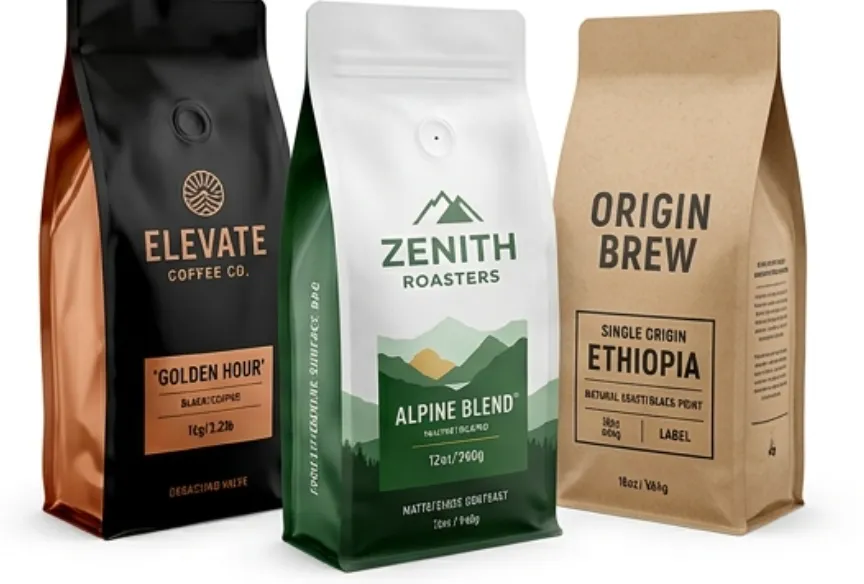
Why Coffee Packaging Is Different From Ordinary Food Packaging
Coffee is sensitive because its value is tied to aroma. Once roasted, beans release carbon dioxide while also becoming vulnerable to oxygen, which can flatten flavor and create stale notes.
That is why coffee bags are not just “containers.” They are small protective systems designed to manage gas release, reduce oxygen exposure, block moisture, and keep the product attractive on shelf.
As a manufacturer that has produced packaging for 20+ years, YLTPACK has seen one mistake appear again and again: brands focus heavily on print design but choose the material structure too late. The artwork brings customers in, but the barrier layer keeps them coming back.
Step 1: Choose the Right Bag Style for Your Coffee
If you are wondering how to choose coffee bags for roasted coffee, begin with how the product will be sold: retail shelf, subscription box, café counter, wholesale carton, or online delivery. The right bag style should match both customer use and your packing workflow.
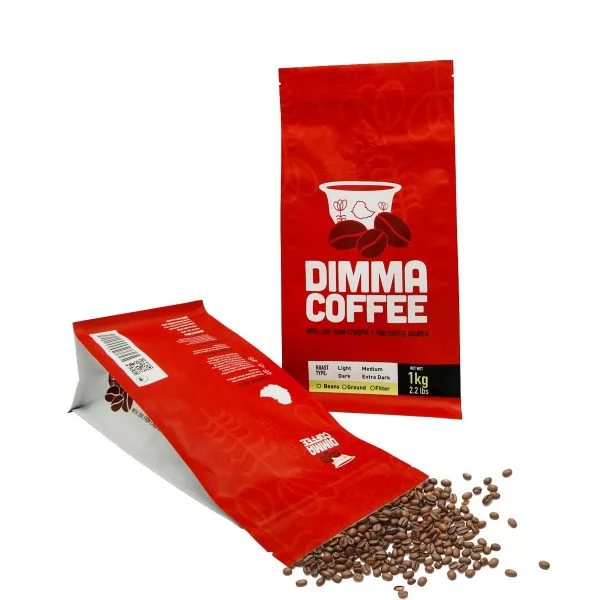
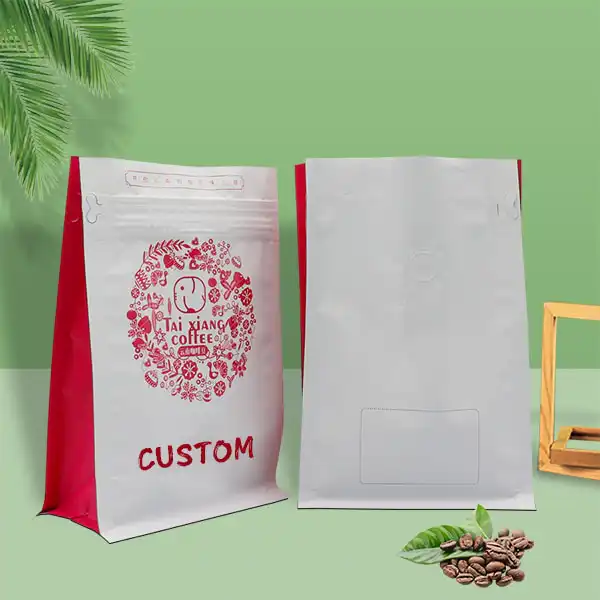
For example, a premium single-origin bean may benefit from a flat-bottom bag that stands firmly and shows off clean branding. A small sample pack may work better in a three-side-seal pouch because it is compact and economical to distribute.
| Bag Style | Common Use | Strengths | Watchouts |
|---|---|---|---|
| Stand-up pouch | Retail coffee, subscriptions, small-batch roasters | Good shelf presence, zipper-friendly, flexible sizes | May not look as structured as a box-bottom format |
| Flat-bottom bag | Specialty beans, premium retail lines, larger packs | Stable base, five printable panels, strong shelf impact | Requires accurate size planning for filling and sealing |
| Side-gusset bag | Classic coffee packs, wholesale roasted beans | Efficient for higher volumes, familiar coffee look | Usually less convenient for resealing unless zipper is added |
| Quad-seal bag | Heavier packs, export cartons, structured retail display | Strong side seals, clean rectangular shape | Artwork alignment needs careful proofing |
| Three-side-seal pouch | Samples, drip coffee sachets, single-serve portions | Compact, easy to pack, useful for trial products | Limited standing ability unless displayed in a box |
| Roll stock film | Automated filling lines, drip coffee, pods, sachets | Fast production use, consistent sealing | Requires precise machine compatibility data |
Stand-Up Pouches: Flexible and Familiar
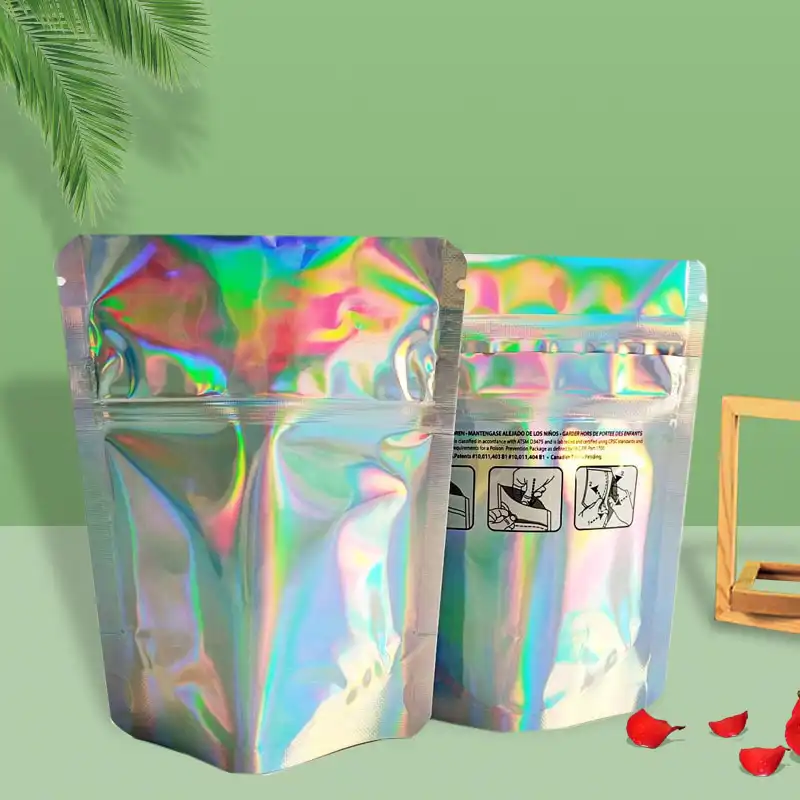
Stand-up pouches are popular because they balance appearance, cost control, and convenience. They work well for 100 g, 250 g, 340 g, and 500 g roasted coffee packs.
Add a zipper if customers will open and close the bag several times. Add a tear notch if you want a clean first opening without scissors.
Flat-Bottom Bags: Strong Shelf Presence
Flat-bottom bags feel structured and stable, which is useful for cafés, grocery shelves, and gift-ready coffee lines. The five printable panels give you more room for roast notes, origin information, and brewing tips.
They are especially helpful when the front panel must look neat after shipping. For brands that sell online, that extra shape retention can improve the unboxing experience.
Side-Gusset and Quad-Seal Bags: Efficient for Larger Volumes
Side-gusset bags are a classic option for coffee because they expand well and pack efficiently in cartons. Quad-seal bags add extra structure with four vertical seals, making them useful for heavier fills.
If your team handles 1 kg or 5 lb bags often, ask your supplier to test seal strength, drop resistance, and carton stacking performance before approving the final run.
Step 2: Select Materials That Protect Freshness
When people search for best coffee packaging materials for freshness, they usually need a clear answer on barrier performance. For roasted coffee, the key is oxygen barrier, moisture resistance, aroma retention, and seal reliability.
Freshly roasted beans release gas, but they also absorb oxygen damage over time. A high-barrier laminate helps slow that process, especially when the bag includes a valve and a strong heat seal.
In our 6,800㎡ cleanroom facility, material selection is checked alongside printing, laminating, pouch making, and packing conditions. This matters because food packaging quality is not only about film choice; it is also about clean handling and process control.
| Material Structure | Barrier Level | Typical Coffee Use | Notes |
|---|---|---|---|
| PET / AL / PE | Very high oxygen and light barrier | Longer shelf-life roasted beans, ground coffee | Aluminum foil blocks light and oxygen strongly, but is not transparent |
| PET / VMPET / PE | High barrier | Retail beans, café packs, subscription bags | Metallized film gives a metallic look with lower foil usage |
| Kraft paper / VMPET / PE | High barrier with paper appearance | Natural-look coffee lines | Paper exterior supports a warm handmade look, inner film provides protection |
| PET / PE | Medium barrier | Short-cycle local coffee, samples | May be suitable when turnover is quick and shelf-life needs are modest |
| Mono-material PE or PP | Varies by grade | Recyclability-focused projects | Needs testing for barrier, stiffness, valve bonding, and sealing |
| Compostable films | Varies widely | Eco-positioned limited runs or local programs | Must match available composting systems and shelf-life expectations |
Oxygen Barrier: The Freshness Gatekeeper
Oxygen exposure is one of the main causes of flavor decline after roasting. A strong oxygen barrier helps protect volatile aroma compounds, especially in ground coffee because grinding increases exposed surface area.
For context, aluminum foil laminates can offer extremely low oxygen transmission under controlled test conditions, while simple PE films allow much higher oxygen movement. Always confirm the exact film data sheet because thickness, adhesive, and production method change performance.
Moisture Barrier: Protecting Texture and Aroma
Coffee should be kept away from humidity because moisture can damage flavor and shorten shelf life. This is especially important for ground coffee, instant coffee, and drip coffee products.
A moisture-resistant inner sealant layer also supports reliable heat sealing. If the seal channel is weak, even a premium barrier film cannot protect the coffee properly.
Light Barrier: Important for Shelf and Delivery
Light can accelerate quality loss, especially when coffee sits in bright retail environments or near café windows. Foil, metallized film, and opaque printed layers help reduce exposure.
If you want a clear window, keep it small and place it thoughtfully. A window can show bean quality, but it should not compromise the main protection goal.
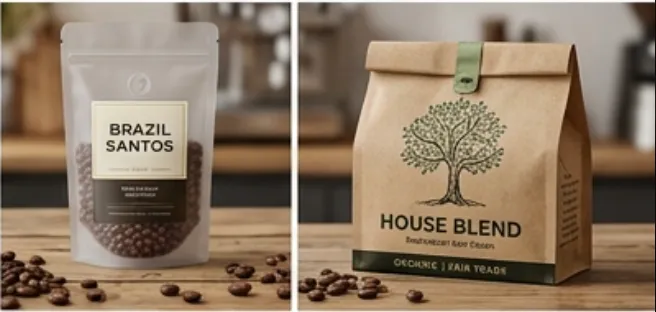
Step 3: Decide Whether You Need a One-Way Degassing Valve
A one-way valve lets carbon dioxide escape from freshly roasted coffee while limiting oxygen entry. For whole beans packed soon after roasting, it is often a practical feature.
Without a valve, gas buildup can make bags swell, distort, or even burst if coffee is packed too fresh. With a valve, the bag can release pressure while keeping the pack shape more stable.
| Coffee Type | Valve Recommended? | Reason |
|---|---|---|
| Fresh roasted whole beans | Yes, in most cases | Beans continue releasing carbon dioxide after roasting |
| Fresh roasted ground coffee | Often yes | Degassing can still occur, while oxygen risk is higher after grinding |
| Nitrogen-flushed ground coffee | Depends on process | Some systems use controlled residual oxygen and different sealing methods |
| Instant coffee | Usually no | Moisture barrier is often more important than degassing |
| Green coffee beans | Usually no | Not roasted, so degassing behavior is different |
Valve Placement Matters
Valve position should avoid the heat seal area, zipper, gusset folds, and major artwork details. On flat-bottom bags, valve placement also needs to account for how the bag expands after filling.
Ask for a dieline with the valve location clearly marked before approving artwork. This small step prevents a beautiful design from being interrupted by a functional component.
Do Valves Replace High-Barrier Materials?
No. A valve manages internal gas pressure, but it does not replace the need for proper barrier films.
Think of the valve as a breathing point and the laminate as the protective wall. Both need to work together.
Step 4: Match Bag Size to Fill Weight, Bean Density, and Shipping
Coffee bag size is not only about grams or ounces. Dark roast beans are less dense than light roast beans, so the same weight may need more volume.
Ground coffee packs differently from whole beans, and nitrogen flushing can also affect headspace. If you are changing roast level, grind size, or filling equipment, request a physical sample before bulk production.
| Common Fill Weight | Typical Use | Popular Bag Styles | Planning Tip |
|---|---|---|---|
| 50 g to 100 g | Samples, gift boxes, tasting sets | Three-side-seal pouch, mini stand-up pouch | Useful for customer trials and subscription inserts |
| 200 g to 250 g | Specialty retail packs, café shelves | Stand-up pouch, flat-bottom bag | Good for premium beans and smaller household use |
| 340 g / 12 oz | Common retail format in North America | Flat-bottom bag, stand-up pouch | Check volume carefully for dark roasts |
| 500 g | Retail and online family-size packs | Flat-bottom bag, side-gusset bag | Consider zipper strength and bag stiffness |
| 1 kg | Cafés, offices, wholesale customers | Quad-seal bag, side-gusset bag | Prioritize seal strength and carton stacking |
| 2.27 kg / 5 lb | Food service, roaster supply, bulk buyers | Quad-seal bag, heavy-duty side-gusset bag | Test drop resistance and handle options if needed |
Why Sampling Before Production Saves Trouble
A bag can look perfect on screen and still feel wrong after filling. It may be too tight, too loose, unstable on shelf, or difficult to seal with your equipment.
Before confirming a bulk order, fill sample bags with your actual coffee. Check shelf stance, zipper feel, sealing area, carton fit, and whether the front panel stays smooth.
Step 5: Plan Sustainability Without Sacrificing Product Protection
Use this sustainable coffee packaging guide as a decision filter: first protect the coffee, then reduce material impact where it makes sense. Packaging that fails and causes product waste is not truly responsible.
Many coffee brands now ask for recyclable, compostable, paper-based, or post-consumer recycled options. Each can work in the right scenario, but none should be chosen by headline alone.
YLTPACK holds GRS certification, which is relevant when brands request recycled-content packaging documentation. Certification helps support claims with traceable standards instead of vague environmental language.
| Sustainable Option | Good Fit | Key Question to Ask |
|---|---|---|
| Recyclable mono-material pouch | Brands prioritizing collection compatibility | Does the barrier meet your shelf-life target? |
| Paper-look laminate | Natural brand image with stronger barrier needs | Is it actually recyclable, or mainly paper appearance? |
| Compostable pouch | Local programs with composting access | Can your customers compost it correctly? |
| Recycled-content film | Brands with recycled material goals | Is food-contact suitability documented? |
| Lightweight laminate | Shipping and material reduction projects | Does it still pass puncture and seal tests? |
A Practical Way to Compare Eco Options
Ask your supplier for three things: barrier data, food-contact documentation, and end-of-life explanation. This keeps the discussion grounded in performance instead of general claims.
If you sell internationally, remember that recycling and composting rules vary by region. A claim that works in one market may need different wording in another.
Step 6: Get Design and Labeling Right Before Printing
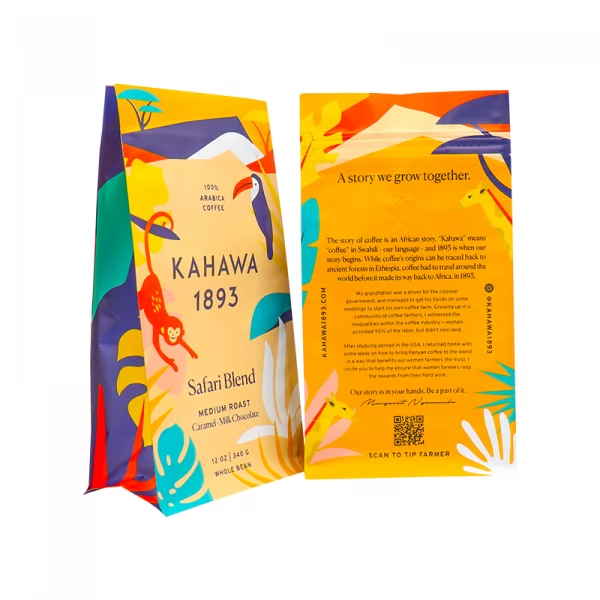
Good packaging design does more than look attractive. It helps shoppers understand roast level, origin, flavor notes, grind type, net weight, freshness details, and how to store the coffee.
The phrase coffee packaging design and labeling requirements covers both creative decisions and compliance checks. Your artwork should be easy to read, legally safe for your target market, and practical for production.
Our in-house design team often helps brands who only have a rough idea, especially when they need dielines, print zones, zipper placement, valve position, and barcode space arranged correctly. A small layout adjustment before printing can prevent costly rework.
What to Put on a Coffee Bag
- Brand name: Make it clear from a few feet away.
- Coffee name: Include origin, blend name, or product line.
- Roast level: Light, medium, dark, or a visual roast scale.
- Flavor notes: Keep them specific and believable, such as citrus, cocoa, caramel, berry, or nutty.
- Whole bean or ground: Add grind type if relevant.
- Net weight: Follow the rules of your selling market.
- Roasted date or freshness code: Useful for specialty coffee buyers.
- Storage guidance: For example, seal tightly and store in a cool, dry place.
- Barcode and batch code area: Leave enough quiet space.
- Company information: Include the responsible brand or distributor details required in your market.
Print Finishes That Change the Customer Experience
Matte finish can feel calm and premium, while gloss can make colors pop. Soft-touch varnish adds a smooth hand feel, and spot UV can highlight a logo or flavor note.
For online brands, think about the moment customers open the delivery box. A clean pouch shape, sharp print, and easy reseal can make the product feel more considered before the first brew.
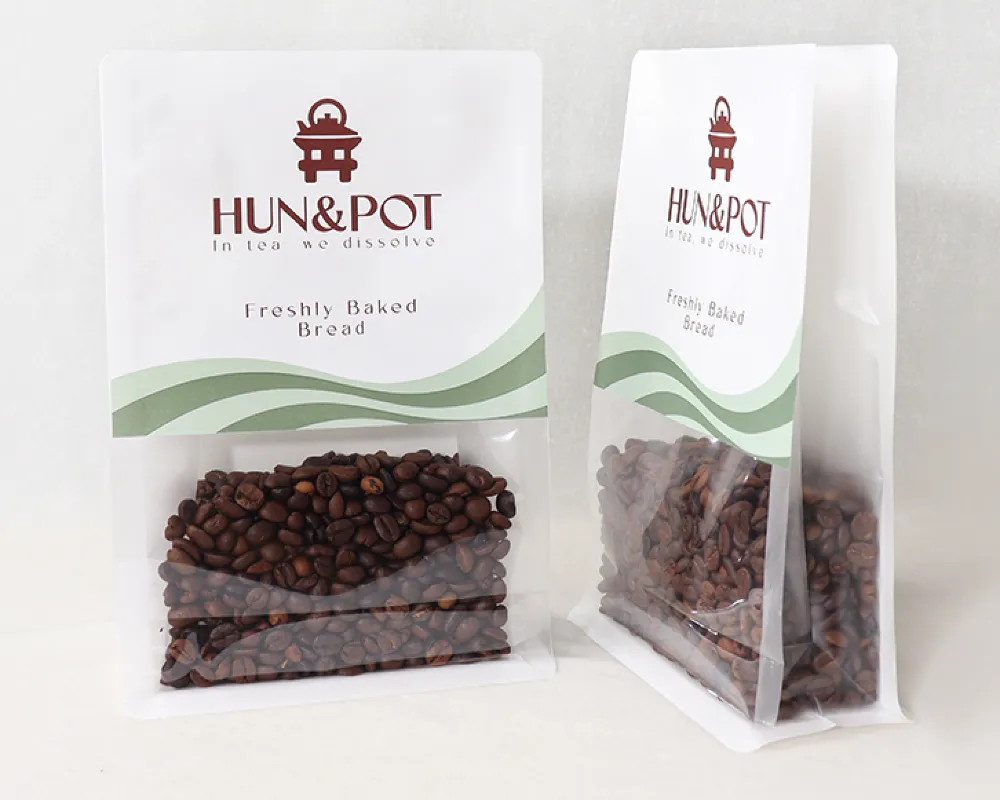
Step 7: Confirm Food Safety, Testing, and Supplier Documentation
Coffee touches the inside of the bag, so food-contact safety matters. You should ask for documents related to the films, inks, adhesives, and production standards used for your project.
Because we hold FDA/ISO 22000 certifications, we recommend confirming food-contact suitability early, not after artwork is finished. This is especially important if your coffee will be sold through retailers, distributors, or across borders.
ISO 9001 is also useful because it relates to quality management. For packaging buyers, that means there should be controlled procedures for material inspection, production checks, and issue handling.
| Item to Confirm | Why It Matters | When to Check |
|---|---|---|
| Food-contact declaration | Supports safe use for coffee packaging | Before final material approval |
| Material structure | Defines barrier, stiffness, and sealing behavior | During quotation and sampling |
| Valve specification | Controls degassing performance | Before artwork approval |
| Print proof | Confirms color, text, barcode, and layout | Before mass printing |
| Seal strength check | Reduces leakage and shipping failures | During sample and production checks |
| Carton packing method | Protects bags during transport | Before shipment |
Common Mistakes to Avoid When Ordering Custom Coffee Bags
Most packaging problems are preventable when the brief is clear. Here are the issues we see most often when brands move from idea to production.
- Choosing appearance before barrier: A beautiful bag still needs to protect aroma and flavor.
- Forgetting roast density: Dark roast beans may need more bag volume than expected.
- Adding a window too large: Visibility is helpful, but too much light exposure can work against freshness.
- Approving artwork without valve placement: The valve may cover important text or graphics.
- Ignoring sealing equipment: Your bag material must work with your actual heat sealer or filling line.
- Using vague sustainability claims: Claims should match material facts and local disposal systems.
- Skipping filled samples: Empty bags do not reveal shelf stance, headspace, or zipper feel.
A Simple Specification Checklist Before You Request a Quote
Before speaking with a packaging supplier, collect the details below. You do not need to know every technical answer, but the more context you provide, the faster your supplier can recommend a practical structure.
| Specification | Your Notes |
|---|---|
| Coffee type | Whole bean, ground, instant, drip coffee, pods, or green beans |
| Fill weight | For example, 250 g, 340 g, 500 g, 1 kg, or 5 lb |
| Roast level | Light, medium, dark, or mixed product range |
| Shelf-life goal | Short local turnover or longer retail/distribution cycle |
| Bag style | Stand-up, flat-bottom, side-gusset, quad-seal, sachet, or roll stock |
| Features | Valve, zipper, tear notch, tin tie, handle, window, hang hole |
| Material preference | Foil, metallized, kraft paper look, recyclable, compostable, recycled content |
| Artwork status | Ready file, rough concept, or need design support |
| Sales market | Country or region where the coffee will be sold |
| Packing method | Manual filling, semi-automatic filling, or automated line |
How YLTPACK Helps Brands Turn a Coffee Bag Idea Into a Production-Ready Pack
YLTPACK works with coffee roasters, food brands, cafés, and sourcing teams that need custom printed packaging in bulk. The role is not only to make bags, but to help turn product needs into clear specifications.
For a typical coffee project, the process includes confirming the bag style, recommending material options, preparing dielines, checking artwork, producing samples when needed, and controlling production quality before shipment.
If you are comparing structures or preparing a new launch, you can send your pack size, coffee type, expected shelf life, and artwork status to [email protected]. You can also message WhatsApp +86 182 1944 5665 for specification review.
Conclusion: Build the Bag Around Freshness First
Coffee packaging works well when freshness, function, and design are planned together. Start with the coffee itself, then choose the bag style, barrier material, valve, size, and print details around that product.
The safest path is to test filled samples before bulk production, especially if you are changing roast level, bag size, material, or filling equipment. A few practical checks early can prevent leakage, poor shelf stance, weak seals, and disappointing customer experience later.
When in doubt, brief your supplier with real product details instead of asking for a generic coffee bag. The more specific your information, the more accurate the recommendation will be.
FAQ
1. What is the most common bag type for roasted coffee?
Stand-up pouches and flat-bottom bags are both common for roasted coffee. Stand-up pouches are flexible and familiar, while flat-bottom bags offer stronger shelf stability and more printable panels.
2. Do all roasted coffee bags need a valve?
Not always, but freshly roasted whole beans usually benefit from a one-way degassing valve. The valve helps release carbon dioxide while reducing the risk of bag swelling or bursting.
3. Is aluminum foil necessary for coffee packaging?
Aluminum foil is useful when you need very strong oxygen and light protection. However, metallized films, recyclable structures, or other high-barrier laminates may also work depending on shelf-life goals and sales channels.
4. Can coffee bags be recyclable or compostable?
Yes, but the choice must be tested against freshness needs, sealing performance, and local disposal systems. Recyclable or compostable options should come with clear material documentation and realistic end-of-life guidance.
5. What should I prepare before ordering custom coffee bags?
Prepare your coffee type, fill weight, roast level, target shelf life, preferred bag style, valve requirement, material preference, artwork status, and sales market. These details help your supplier recommend a structure that fits your product instead of guessing.