Many buyers search for cloth zipper bags, zip cloth bag, or zippered cloth bags when what they actually need is a plastic packaging bag with a press-to-close zipper.
This distinction matters. Choosing fabric instead of plastic, or a metal zipper instead of a pinch-seal zipper, can lead to the wrong packaging format, higher costs, slower packing, and poor product protection.
This guide is built for procurement teams, brand owners, and import buyers who need the right plastic resealable bag for retail, storage, shipping, and custom packaging projects.
Hook: Why “Cloth Zipper Bags” Often Means the Wrong Product
In real sourcing conversations, keyword confusion is common. Buyers often type cloth zipper bags into search engines, but their actual requirement is a plastic press-to-close bag with a bone-strip zipper, not a cotton pouch and not a sewn metal zipper bag.
This is especially common in apparel, accessories, snacks, cosmetics, and small parts packaging. The end goal is usually visibility, resealability, moisture protection, and low unit cost.
According to broad packaging industry buying patterns, resealable flexible packaging continues to grow because brands want packaging that is lightweight, easy to ship, and convenient for end users. In these applications, plastic zipper bags outperform basic open poly bags in both usability and perceived value.
What Are Plastic Cloth Zipper Bags?
In practical packaging terms, these are clear, frosted, or printed plastic bags with a clip-lock / press-to-close zipper closure.
They are used for storage, retail display, product protection, and repeated opening and closing. The zipper is formed as part of the bag structure and is pressed shut by hand.
These bags are commonly made in PE, PP, or laminated barrier films, depending on the product inside and the required level of protection.
Problem: Common Confusion Between Fabric Zipper Bags and Plastic Pinch-Seal Bags
Incorrect product terminology creates expensive sourcing mistakes. A buyer may request “zippered cloth bags” and receive textile pouches, while the intended product was actually a transparent plastic pouch for packaging socks, snacks, or accessories.
This confusion affects material selection, sealing performance, print compatibility, compliance planning, and freight cost.
Fabric Bags vs Plastic Zipper Bags
Fabric zipper bags are usually made from cotton, canvas, polyester, or nonwoven textiles. They are sewn products and are often used for reusable storage, gifting, or lifestyle accessories.
Plastic zipper bags are packaging products. They are made from plastic film and typically use a bone-strip pinch-seal zipper for fast open-close performance.
For procurement buyers, the difference is simple: if the need is retail packaging, visibility, moisture resistance, light contamination protection, and efficient mass packing, the correct solution is usually plastic.
Metal Zipper vs Press-to-Close Zipper
A metal zipper is sewn into fabric and designed for bags, garments, or cases. It is not the standard closure for lightweight packaging bags.
The target product here uses a press-to-close zipper, also called a pinch-seal zipper, clip-lock zipper, or bone-strip zipper. It is lightweight, practical, and ideal for repeated consumer use.
Types of Plastic Press-to-Close Bags Buyers Search as Cloth Zipper Bags
Search intent often points to a few core packaging formats. Understanding them helps buyers request accurate quotations faster.
Flat Poly Zipper Bags
These are the most cost-effective resealable bags. They are widely used for garment accessories, stationery, cables, spare parts, samples, and general-purpose packaging.
They are easy to pack, easy to stack, and suitable for large-volume wholesale purchasing.
Stand-Up Zipper Pouches
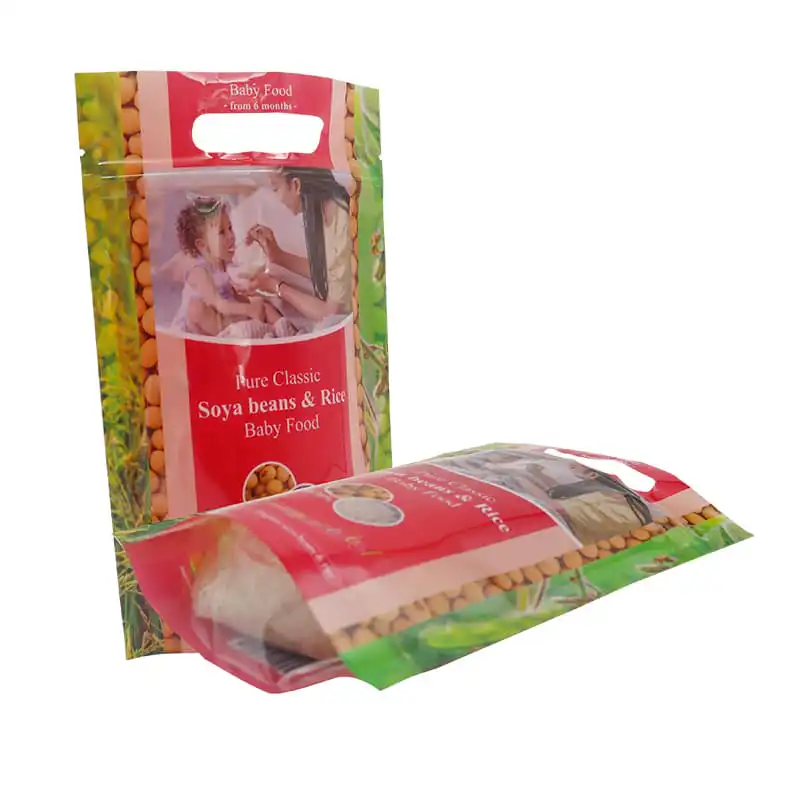
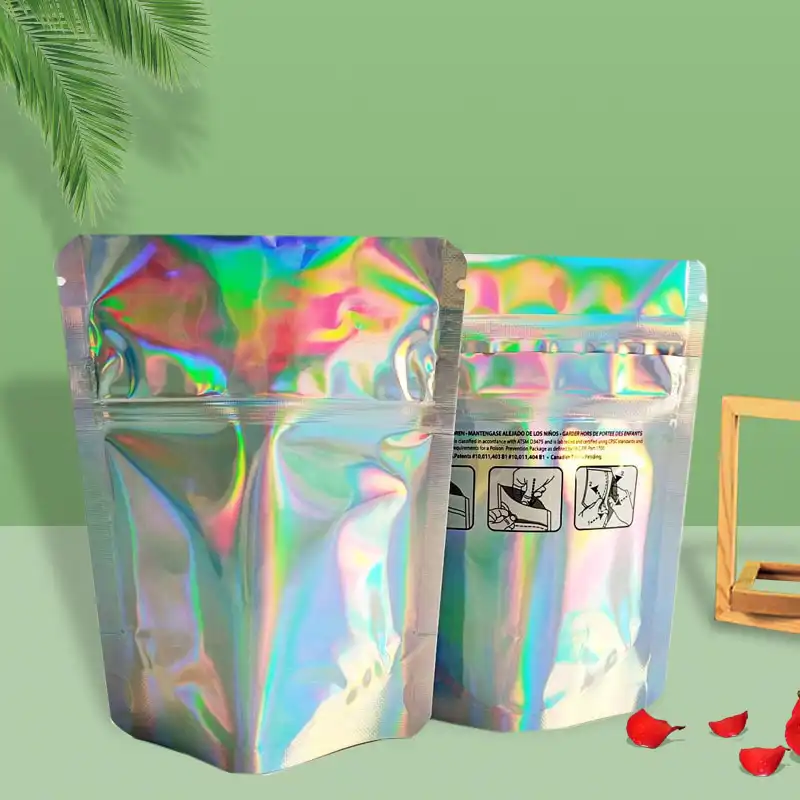
Stand-up pouches include a bottom gusset so they can stand on shelves. They are widely used for food, cosmetics, supplements, pet treats, and retail-ready consumer goods.
For brands selling through e-commerce or retail stores, this format offers better shelf presence and stronger branding area.
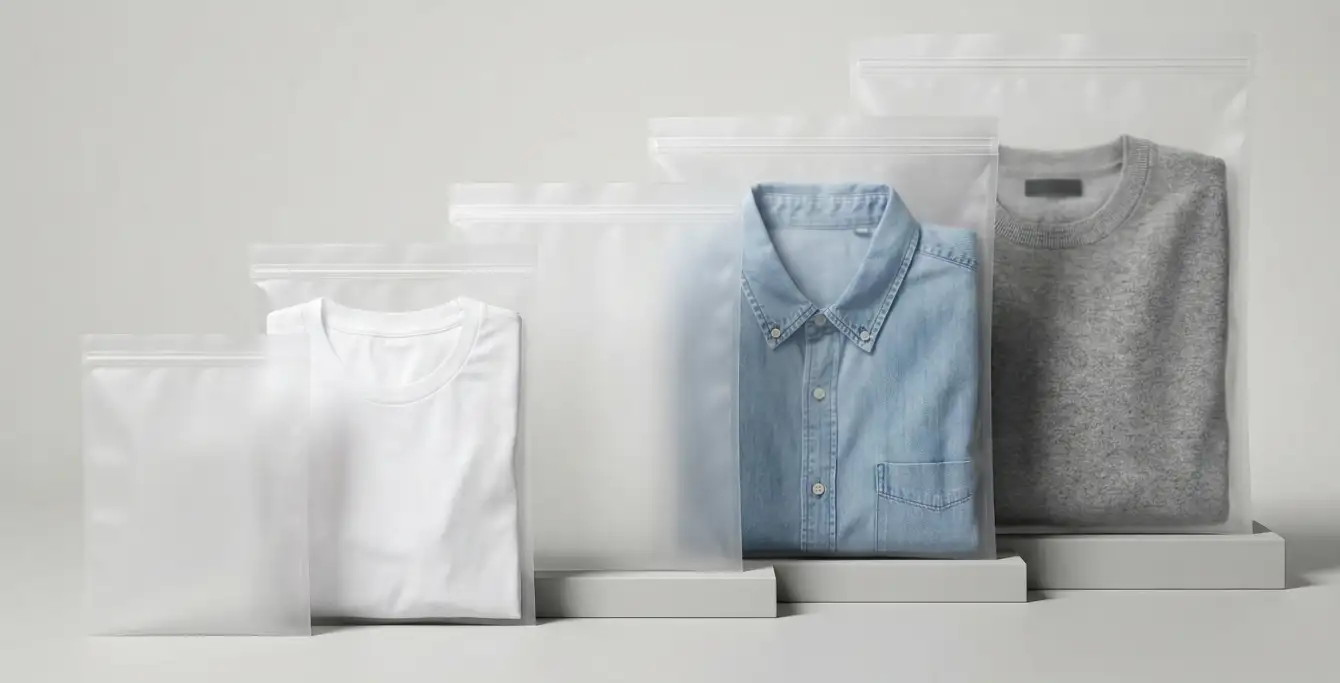
Frosted or Clear Zipper Bags
Clear zipper bags maximize product visibility. They work well when the product itself helps sell the item, such as fashion accessories, color cosmetics, or sample packs.
Frosted zipper bags create a more premium and private look. They are popular for modern apparel and beauty packaging because they feel cleaner and more refined.
Custom Printed Zipper Bags
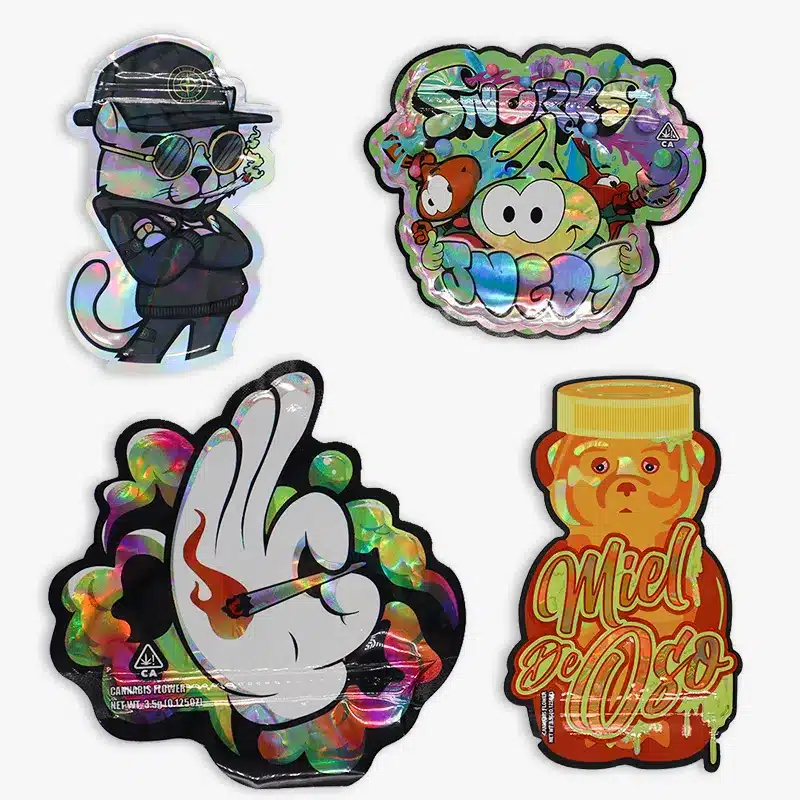
Custom printing allows buyers to add logos, instructions, barcodes, warnings, QR codes, care information, and compliance markings.
This reduces the need for separate labels and improves packaging consistency across product lines.
Best Materials for Plastic Zipper Packaging Bags
Material choice should be based on product weight, puncture risk, visual goals, barrier needs, and budget.
PE Plastic Bags
PE (Polyethylene) is one of the most common materials for resealable packaging bags. It is flexible, cost-effective, and suitable for a wide range of everyday packaging needs.
PE works especially well for apparel accessories, light retail goods, and simple storage applications.
PP Plastic Bags
PP (Polypropylene) provides better clarity and a stiffer feel than PE. It is often selected when a more premium display appearance is needed.
PP is a strong option for products where clean presentation and transparency are key selling points.
Laminated Barrier Films
For products requiring stronger protection, multi-layer laminated films offer better resistance to moisture, odor transfer, oxygen exposure, and external contamination.
These structures are commonly used for coffee samples, dried fruit, candy, nutritional products, and sensitive personal care items.
Key Features to Look for in Plastic Zipper Bags
The right features directly affect filling speed, product safety, shelf appeal, and customer satisfaction.
Resealable Pinch-Lock Closure
A reliable zipper should open easily and close securely. Poor zipper alignment can lead to leakage, weak user experience, and higher complaint rates.
For repeat-use packaging, zipper consistency is one of the most important quality points to verify during sampling.
Thickness and Durability
Film thickness affects puncture resistance, stiffness, and handling performance. Thin bags may save cost, but under-specification often creates split seams, damaged packaging, and returns.
Heavier or sharper products usually require thicker film or stronger structures.
Moisture and Dust Protection
A zipper bag does not only provide convenience. It also helps reduce exposure to dust, humidity, and handling contamination during storage and distribution.
For food and personal care applications, barrier structure and seal quality become even more important.
Hang Holes, Tear Notches, and Bottom Gussets
These structural details can improve both functionality and sales presentation.
- Hang holes support peg display in retail environments.
- Tear notches help consumers open sealed pouches more easily.
- Bottom gussets increase capacity and allow stand-up shelf display.
Real-World Use Cases for Plastic Zipper Bags
These bags are used across industries because they combine low weight, practical resealability, and strong presentation flexibility.
Apparel and Accessory Packaging
Plastic zipper bags are widely used for socks, underwear, scarves, gloves, baby clothes, swimwear, and small fashion accessories.
They keep products visible, organized, and protected from dust during transport and store handling.
Food and Snack Packaging
For dried fruit, candy, coffee samples, granola, tea, and bakery items, zipper pouches give consumers the ability to reseal after opening.
When paired with suitable barrier films, they can support better shelf life and stronger product freshness control.
Cosmetics and Personal Care Samples
Many beauty brands use zipper pouches for sample kits, sheet masks, travel-size sets, and promotional packs.
They help group multiple small items together while improving organization and retail appearance.
Hardware, Parts, and Small Components
For screws, beads, craft items, connectors, fasteners, cables, and spare parts, resealable plastic bags simplify sorting and repeated access.
This is especially useful in B2B supply chains, repair kits, and aftermarket packaging.
Data Table: Plastic Zipper Bag Types, Features, and Typical Uses
| Bag Style | Common Material | Closure Type | Barrier Level | Best-Fit Applications |
|---|---|---|---|---|
| Flat Poly Zipper Bag | PE / PP | Press-to-close bone-strip zipper | Low to Medium | Apparel accessories, samples, stationery, cables, general retail |
| Stand-Up Zipper Pouch | Laminated films / PE blends | Press-to-close zipper | Medium to High | Snacks, coffee, cosmetics, supplements, retail shelf packaging |
| Clear Zipper Bag | PP / PE | Pinch-seal zipper | Low to Medium | Visible product display, fashion accessories, beauty items |
| Frosted Zipper Bag | PE / laminated matte film | Clip-lock zipper | Low to Medium | Premium apparel packaging, cosmetics, boutique retail |
| Custom Printed Zipper Bag | PE / PP / laminated films | Press-to-close zipper | Variable by structure | Brand packaging, instructions, compliance labeling, wholesale retail |
Data Table: Recommended Thickness by Product Category
Thickness should be confirmed with sample testing. The ranges below are practical starting points for sourcing discussions.
| Product Category | Typical Thickness Range | Recommended Material | Notes |
|---|---|---|---|
| Clothing accessories | 50-100 microns | PE / PP | Good for socks, underwear, scarves, light garments |
| Food items | 80-140 microns | Laminated barrier films | Depends on shelf-life target and product sensitivity |
| Cosmetics and sample kits | 60-120 microns | PE / PP / laminated films | Balance appearance, leak resistance, and print quality |
| Hardware and small parts | 80-150 microns | PE / reinforced structures | Use thicker film for sharp or heavy items |
Why Plastic Press-to-Close Bags Perform Better Than Basic Poly Bags
Basic poly bags can store a product, but they do not offer the same user convenience. Once opened, they usually require tape, heat sealing, or a separate closure solution.
Plastic press-to-close bags give buyers and end users resealability, cleaner organization, faster access, and better product retention after first opening.
That matters in e-commerce, retail, sampling, and multi-use applications. A better opening and closing experience can also improve brand perception.
How to Choose the Right Plastic Zipper Bag for Your Product
The fastest way to make the right buying decision is to define the product, protection level, and presentation goal first.
Choose by Product Size and Shape
Measure the packed item carefully, including thickness and any folded presentation. Flat items may fit standard flat zipper bags, while bulky items may require a bottom gusset or wider side tolerance.
Always consider filling efficiency, not just product fit.
Choose by Protection Requirements
If your product only needs dust protection and clean presentation, standard PE or PP may be enough. If it needs moisture resistance, aroma retention, or longer shelf life, laminated barriers are the better choice.
For sharp, heavy, or irregular items, prioritize stronger film and better seal integrity.
Choose by Branding and Retail Display
Clear bags are best when product visibility sells the item. Frosted bags give a more premium look, while printed bags are ideal when you need stronger brand identity and compliance information.
Display method also matters. Hanging retail needs hang holes, while shelf display often needs a stand-up base.
Proof and Market Examples: Where These Bags Are Commonly Used
Across North American and European markets, resealable plastic packaging is widely used in apparel e-commerce, private-label snacks, personal care sampling, and industrial parts distribution.
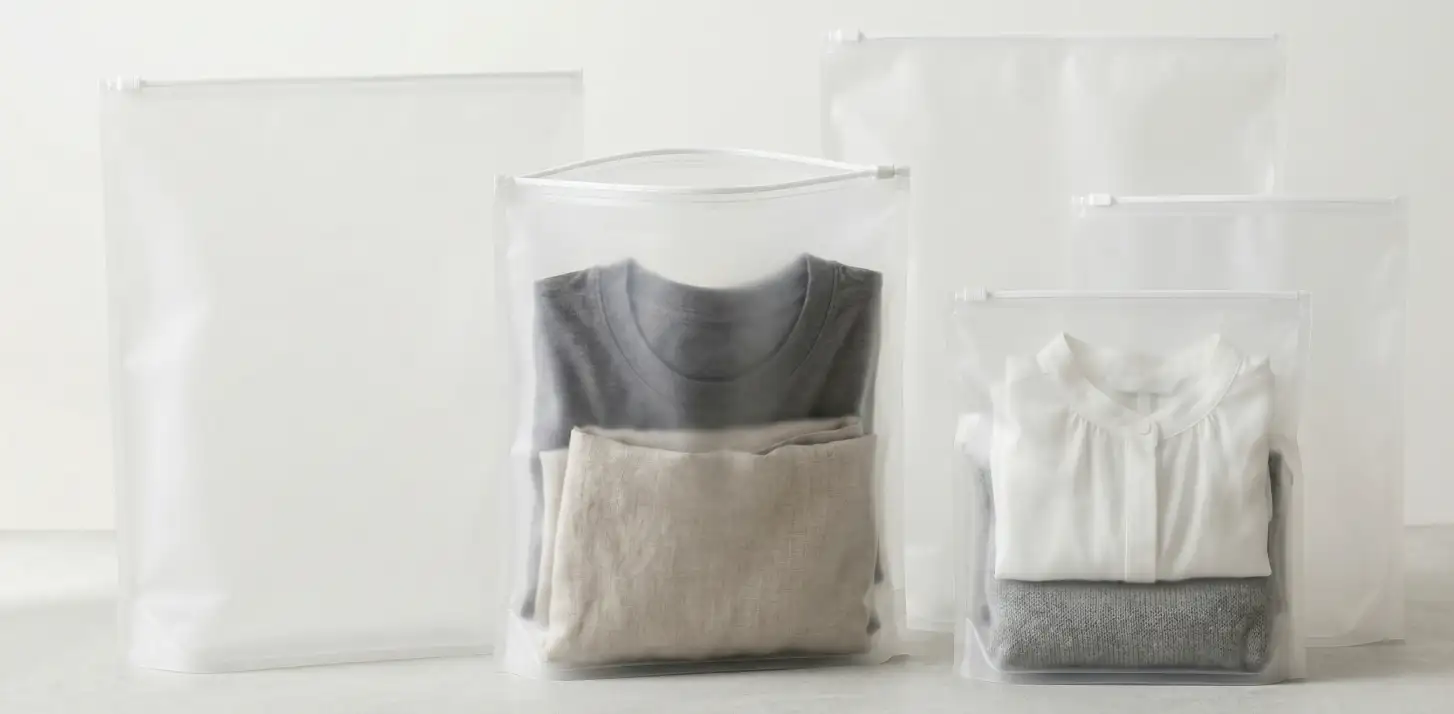
For example, many online clothing brands use frosted zipper bags to package underwear, socks, and activewear sets because they combine presentation quality with efficient fulfillment. Snack brands often use stand-up zipper pouches because consumers expect the product to stay usable after first opening.
Parts suppliers also rely on resealable bags to keep SKUs separated and clearly labeled. This helps reduce picking errors and improves warehouse organization.
Customization Options for Wholesale and Brand Packaging
For procurement buyers, customization is often the difference between a generic packaging bag and a strong branded packaging asset.
- Custom sizes for exact product fit
- Custom printing for logos, barcodes, warnings, and usage instructions
- Clear, frosted, matte, or glossy finishes
- Zipper position options based on bag structure
- Hang holes, tear notches, euro slots, and gussets
- Material upgrades for barrier or puncture performance
YLTPACK supports custom production based on customer requirements. The company was established in 2005 and focuses on packaging solutions tailored to buyer needs.
For buyers who want to verify quality before placing volume orders, YLTPACK can provide free samples. This is especially useful for testing zipper performance, film feel, print effect, and size suitability.
From a trust and compliance perspective, YLTPACK has passed ISO22000, FDA, and related packaging quality standards required by many international buyers.
For inquiries, contact: [email protected].
Mistakes to Avoid When Buying “Cloth Zipper Bags”
Many sourcing problems can be prevented at the RFQ stage by using precise packaging language.
Ordering Fabric Instead of Plastic
If you search only for cloth zipper bags, suppliers or search platforms may show cotton or textile pouches. That can waste time and create quotation confusion.
If your application is packaging, specify plastic zipper bag, press-to-close bag, or resealable plastic pouch.
Choosing Decorative Zippers Instead of Clip-Seal Closures
Some buyers describe the closure simply as a “zipper” and receive products with decorative or sewn zipper styles. For packaging use, you usually need a pinch-seal clip-lock zipper.
This should always be confirmed in drawings, photos, or sample approval.
Ignoring Thickness and Seal Strength
Low-cost sourcing can fail if the film is too thin or the zipper track is weak. This may cause breakage in transit, poor consumer experience, and avoidable returns.
Always test thickness, seam strength, and zipper repeat-use performance before scale-up.
FAQ
What does “cloth zipper bags” usually mean in packaging searches?
In many packaging searches, buyers use this term loosely but actually mean plastic resealable bags with a press-to-close zipper. They usually do not want fabric bags.
Are cloth zipper bags the same as zip cloth bag products?
In many online searches, yes, these phrases often point to the same buying intent. The user is frequently looking for a plastic zipper packaging bag, not a true textile pouch.
What is the difference between zippered cloth bags and plastic zipper bags?
Zippered cloth bags are textile products with sewn construction. Plastic zipper bags are film-based packaging products with a pinch-seal closure, designed for visibility, storage, protection, and efficient packing.
What zipper type is used on these plastic bags?
The standard closure is a pinch-seal, clip-lock, or bone-strip zipper. It is not a metal zipper.
Which plastic material is best for resealable zipper bags?
It depends on the application. PE is best for flexibility and cost efficiency, PP is best for clarity and stiffness, and laminated films are best when moisture or aroma barrier is required.
Are plastic zipper bags suitable for clothing packaging?
Yes. They are widely used for socks, underwear, scarves, accessories, and lightweight garments because they keep products visible, clean, and easy to repack.
Can plastic zipper bags be customized with logos and sizes?
Yes. Wholesale suppliers commonly offer custom dimensions, logo printing, frosted or clear finishes, hang holes, gussets, and structural adjustments to match brand and product needs.
How thick should a plastic zipper bag be?
The correct thickness depends on product weight, puncture risk, and presentation needs. Light apparel may use thinner structures, while food, cosmetics, or hardware often need thicker and stronger films.
CTA: Request the Right Plastic Zipper Bag for Your Packaging
If you are sourcing plastic press-to-close packaging bags, do not let the term cloth zipper bags lead you to the wrong product.
Start with the key details: plastic material, press-to-close zipper type, bag size, thickness, finish, and printing requirements. That will help you get accurate quotations, faster sampling, and a packaging solution that actually fits your product.
YLTPACK, established in 2005, offers custom plastic zipper packaging bags based on customer requirements, with free samples available for evaluation. The company has passed ISO22000 and FDA standards to support international packaging needs.
To request samples or a quote, contact [email protected] today.