What You Need to Know Before Ordering
If you're shopping for custom flat bottom coffee bags, here's the quick version: focus on three things before you place an order. Pick the right barrier material to protect freshness, decide on your add-ons (valve, zipper, eco materials), and confirm the minimum order quantity that fits your stage of growth.
Get those three right and everything else falls into place. The rest of this guide walks you through each decision so you can order with confidence instead of crossing your fingers.
Why Coffee Brands Love This Bag Style
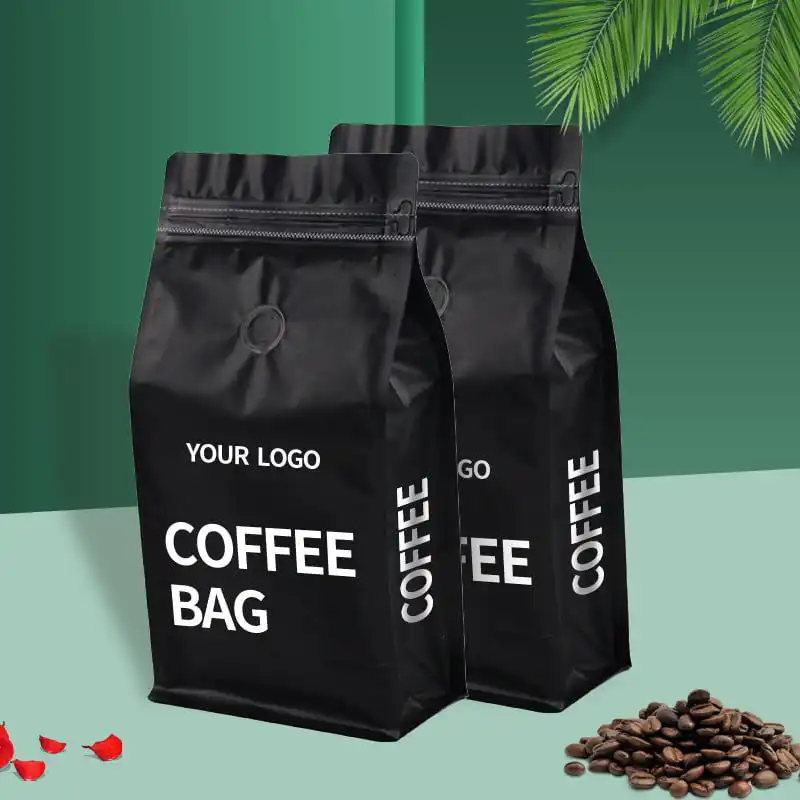
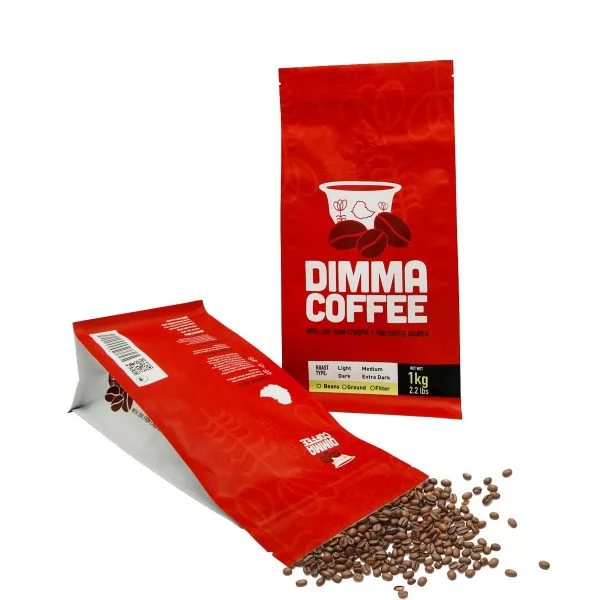
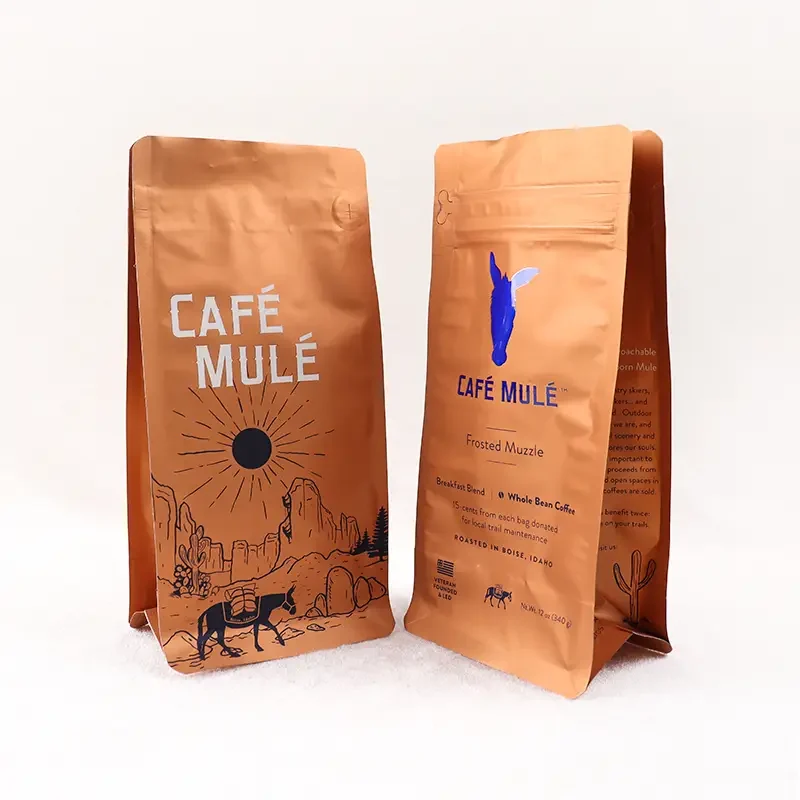
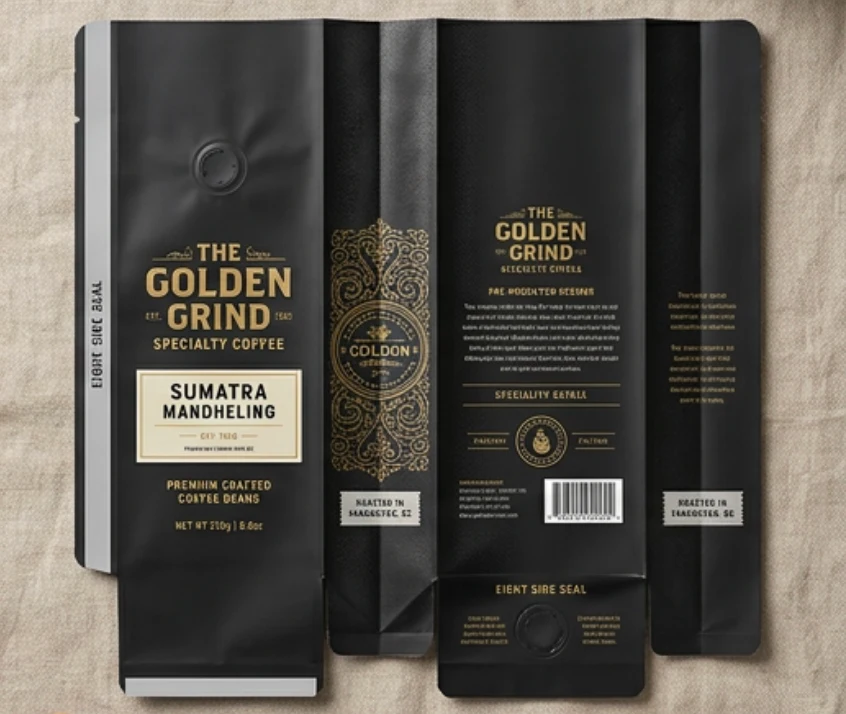
The flat bottom shape (sometimes called a "box pouch") has quietly become the favorite for specialty roasters. Walk into any third-wave cafe and you'll spot that clean, upright silhouette on the shelf.
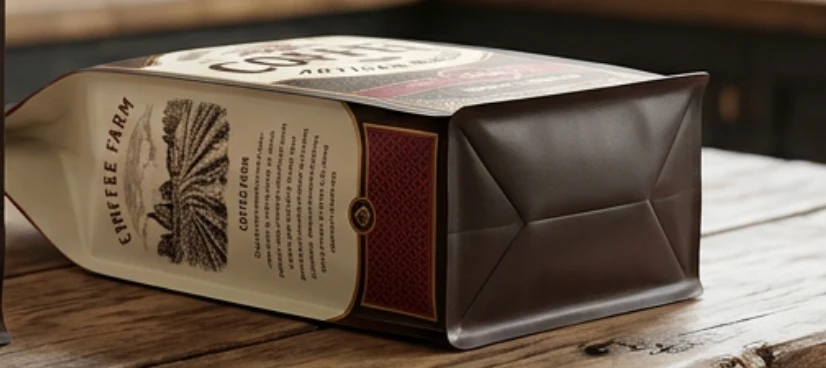
Why does it work so well? It stands tall without flopping over, gives you five printable panels, and stacks neatly in retail displays. For shoppers scanning a shelf, that vertical presence makes your brand impossible to miss.
There's a practical side too. The wide base holds more weight, so a 12 oz or 2.2 lb fill sits stable instead of toppling. That stability matters when boxes get tossed around in transit.
How It Compares to Other Pouch Shapes
| Bag Style | Shelf Presence | Printable Panels | Best Fill Size |
|---|---|---|---|
| Flat Bottom (Box Pouch) | Excellent, stands upright | 5 panels | 8 oz – 5 lb |
| Stand-Up Pouch | Good, slight lean | 2 main panels | 4 oz – 16 oz |
| Side Gusset | Moderate | 3 panels | 12 oz – 5 lb |
| Flat Pouch | Low, lays flat | 2 panels | 2 oz – 8 oz |
The takeaway? If shelf impact and capacity both matter to you, the box pouch usually wins.
The Freshness Question: Barriers and Why They Matter
Here's something every roaster learns the hard way: coffee is fragile. Oxygen, light, and moisture are the enemies of those carefully developed flavor notes. A bag isn't just packaging, it's a tiny preservation system.
Freshly roasted beans release carbon dioxide for days, a process called degassing. At the same time, oxygen from outside wants to creep in and stale your product. The right barrier film keeps the bad stuff out while letting gas escape (more on that valve in a second).
Common Barrier Materials
- Foil-lined (aluminum): The strongest oxygen and light barrier. Ideal for long shelf life and whole bean coffee.
- Metallized PET: A lighter, lower-cost barrier with a slight sheen. Good middle ground for many roasters.
- Kraft with inner liner: That natural, rustic look paired with a functional barrier layer inside.
- Clear or window film: Lets customers see the beans, though it sacrifices some light protection.
Because we hold FDA and ISO 22000 certifications, we usually recommend matching your barrier to your actual shelf-life goal rather than overspending on protection you don't need. A local roaster selling out in two weeks has different needs than a brand shipping nationwide.
Do You Need a Degassing Valve?
For most roasters, the answer is yes. Custom flat bottom coffee bags with valve options solve the degassing problem elegantly. The one-way valve lets CO2 escape while blocking oxygen from entering.
Without it, freshly roasted beans can puff up your sealed bag like a balloon, or worse, burst the seal. With it, you can pack beans within hours of roasting and ship same-week.
A quick checklist on valves:
- Roasting whole beans and packing fresh? You almost certainly want one.
- Selling pre-ground coffee that's already degassed? You may be able to skip it.
- Doing the "aroma test" appeal at retail? Some valves let customers press and sniff.
Resealable or Not? The Zipper Decision
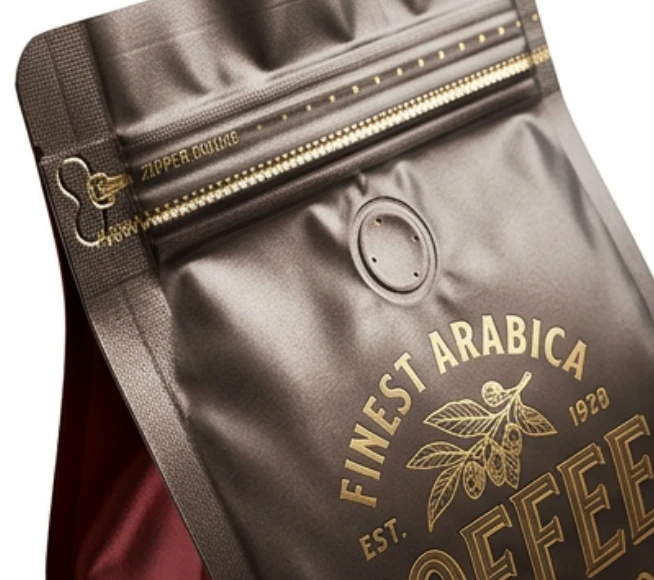
Coffee lovers rarely brew a whole bag at once. That's why a reclosable top has become an expectation, not a luxury. Custom flat bottom coffee bags with zipper closures keep beans fresher between uses and signal quality to your customer.
You've got a few closure styles to weigh:
| Closure Type | Feel | Best For |
|---|---|---|
| Press-to-close zipper | Familiar, easy | Everyday retail bags |
| Pocket zipper (hidden) | Clean, premium look | Higher-end brands |
| Tin tie | Rustic, foldable top | Kraft, artisan styles |
| No closure (heat seal only) | Single-use feel | Sample or single-serve sizes |
Our in-house design team often helps brands who only have a rough idea here, mocking up how each closure looks with their artwork before anything goes to print.
Going Green: Eco-Friendly Options
Sustainability isn't a side note anymore. A 2024 industry survey found that a majority of coffee buyers say packaging environmental impact influences their purchase. Your packaging choice is now part of your brand story.
If that resonates, biodegradable custom flat bottom coffee bags are worth a serious look. These use compostable or recyclable film structures that break down far faster than traditional plastics.
A Few Eco Routes to Consider
- Compostable films: Made from materials like PLA and kraft, certified to break down in commercial composting.
- Recyclable mono-material: Single-plastic structures that fit existing recycling streams.
- Post-consumer recycled content: Reduces virgin plastic use while keeping performance.
One honest caveat: compostable barriers sometimes offer slightly shorter shelf life than foil. We hold GRS certification for recycled materials, so we can walk you through the real tradeoffs before you commit. There's no single "right" answer, only the one that fits your customers and logistics.
Minimum Order Quantities: What If You're Just Starting Out?
This is the question that keeps new founders up at night. Big factories often demand huge runs that drain a startup's cash. The good news? Things have changed.
If you're testing a new blend or launching lean, small batch custom flat bottom coffee bags no minimum (or low minimum) options let you order what you actually need. You avoid sitting on thousands of bags before you've proven demand.
Working with brands across North America, we've found the most common mistake is over-ordering early. A smaller first run lets you refine your design, test the market, then scale once you know what sells.
Matching Order Size to Your Stage
| Your Stage | Smart Approach | Why |
|---|---|---|
| Testing a concept | Low quantity, digital print | Fast turnaround, low risk |
| Early growth | Mid-size run | Better per-unit value as you scale |
| Established brand | Larger run, gravure print | Best efficiency for steady volume |
Printing and Design: Making Your Brand Pop
This is where personality comes alive. Those five panels are prime real estate for storytelling, your origin notes, roast level, brewing tips, and brand voice.
Two main printing methods exist, and the right one depends on your volume:
- Digital printing: No plates needed, perfect for small runs, multiple designs, or quick tests.
- Rotogravure printing: Higher setup but unbeatable per-unit cost and color richness at volume.
A few design tips from years of seeing what works on shelves:
- Keep your logo and roast name readable from a few feet away.
- Use the back panel for your story, people read it after they pick you up.
- Leave room for legally required info: weight, roast date, origin.
- Matte finishes feel premium; gloss pops on bright colors.
Ordering Wholesale Without the Headaches
When you're ready to scale up, sourcing custom printed flat bottom coffee bags wholesale comes down to a few smart questions. Buying in volume should lower your cost per unit and stabilize your supply, not create new problems.
As a manufacturer that has produced packaging for over 20 years, we've seen which questions actually protect buyers. Here's a checklist to bring to any supplier conversation:
- What barrier structures do you offer, and which fits my shelf life?
- Can I see a physical sample before committing to a full run?
- What are your lead times for reorders?
- Do you carry food-safety certifications?
- Can you support both small tests and large production later?
In our 6,800㎡ cleanroom facility, food-grade handling isn't an afterthought, it's built into how every order moves through production. That matters when your product goes straight into someone's morning cup.
Quality Checks Before You Approve a Run
Before greenlighting full production, a little diligence saves big regrets. Always request a pre-production sample and inspect it like a customer would.
Your inspection checklist:
- Seal integrity: Press the bag, the seals should hold firm.
- Print accuracy: Colors match your approved proof?
- Valve function: Air escapes one way, none comes back.
- Zipper feel: Opens and closes smoothly, dozens of times.
- Material thickness: Feels sturdy, not flimsy.
This step takes a day but can prevent a warehouse full of bags that don't seal right.
Bringing It All Together
Choosing the right packaging doesn't have to be overwhelming. Start with freshness protection, add the features your customers expect, and match your order size to where your brand stands today.
The smartest brands treat packaging as part of the product experience, not an afterthought. A bag that protects flavor, looks great on a shelf, and reflects your values does real work for your business every single day.
If you'd like a second opinion on your specs, the YLTPACK team is happy to talk through materials, samples, and design before you commit. Reach out anytime on WhatsApp at +86 182 1944 5665 or email [email protected]. Think of it as a planning conversation, not a sales pitch.
Frequently Asked Questions
How long do coffee beans stay fresh in these bags?
With a proper barrier film and a degassing valve, whole beans typically stay fresh for 6 to 12 months unopened. Once opened, a good zipper helps maintain flavor for several weeks. Grinding shortens that window considerably, so whole bean storage always wins.
What sizes can I get made?
Most roasters order in standard fills like 8 oz, 12 oz, 1 lb, 2.2 lb, and 5 lb. Custom dimensions are absolutely possible too. The flat base handles larger weights better than other pouch styles, which is why it suits everything from single bags to bulk cafe supply.
Can I start small and reorder larger later?
Yes, and many brands do exactly that. A small first run lets you test your design and market response, then scale to a bigger, more cost-efficient production run once you know what sells. A good supplier supports you at both stages.
Are compostable options as protective as foil?
They've come a long way, but there's still a tradeoff. Compostable films may offer slightly shorter shelf life than aluminum foil structures. If your coffee sells through quickly, the difference is often negligible. For very long shelf life, foil still leads on barrier strength.
How do I make sure the print matches my brand colors?
Always request a physical proof or pre-production sample before approving the full run. Provide your brand colors in a precise color system rather than a screen approximation, since screens and printed film differ. Reviewing a real sample is the single best way to avoid surprises.