Why State-by-State Packaging Rules Exist
Cannabis remains federally unscheduled for commercial purposes, so each legal state writes its own packaging rulebook. That creates a patchwork where one design rarely fits all 24+ legal-market states.
Most regulations cluster around four goals: keeping products away from children, preventing accidental misidentification, ensuring accurate labeling, and limiting marketing that appeals to minors. Your packaging has to satisfy all four simultaneously.
The practical upside? Flexible film pouches are adaptable. Unlike rigid jars or tins, you can adjust print, size, and closure features per state without retooling an entire production line.
The Four Packaging Requirements You'll See in Almost Every State
While details differ, these core requirements appear repeatedly. Treat them as your baseline checklist before you even compare individual states.
1. Child-Resistant (CR) Closures
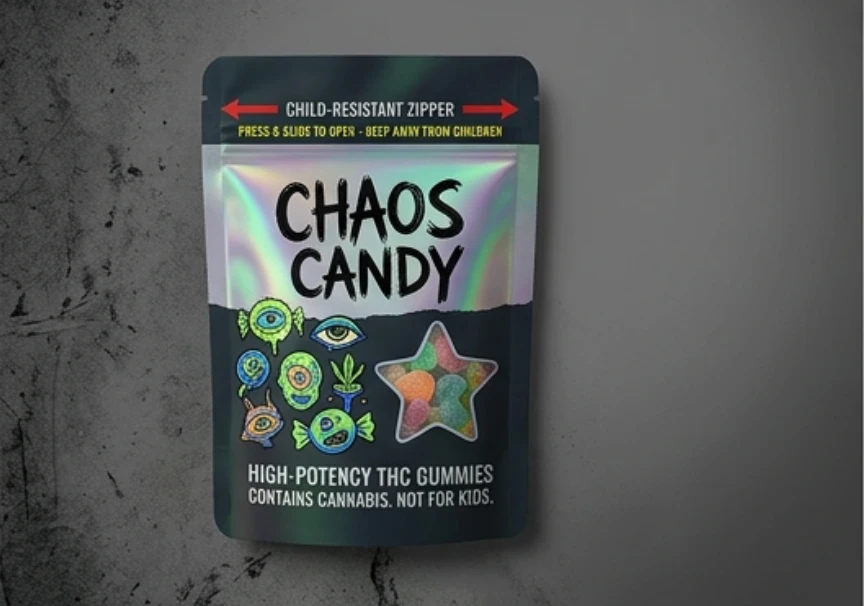
This is the big one. Nearly every legal state requires child-resistant packaging certified to the U.S. federal 16 CFR 1700.20 standard. For pouches, that usually means a press-to-close zipper that a child under five can't easily open.
Because we hold FDA and ISO 22000 certifications, we recommend confirming your CR closure is independently tested — not just labeled "child-resistant." Our child-resistant zipper pouches carry documented certification you can show regulators.
2. Opaque or Resealable Design
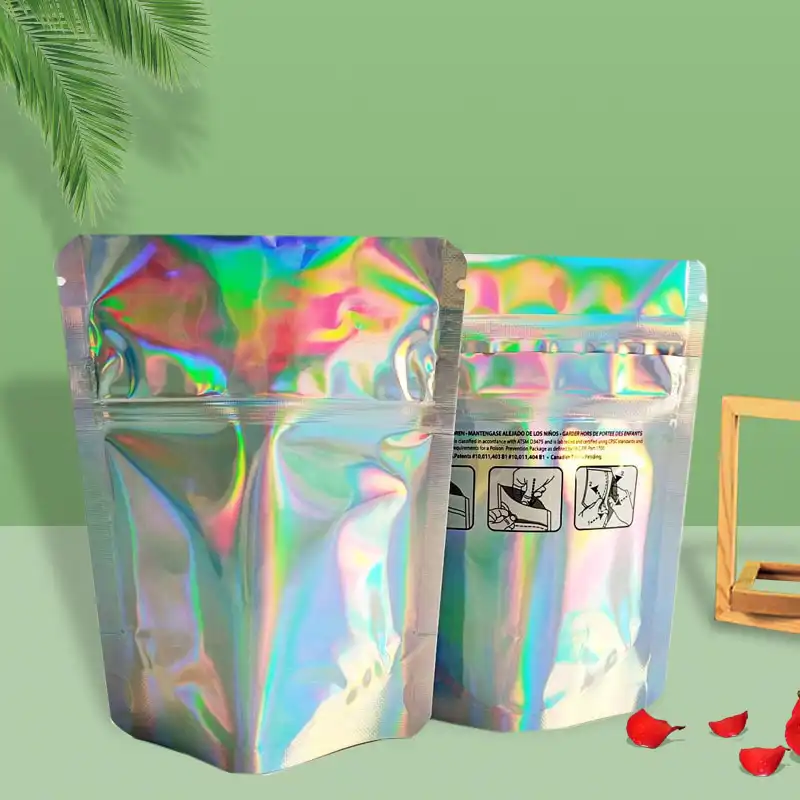
Many states require packaging that's not transparent, or that can be resealed to maintain child resistance after opening. Resealable mylar pouches solve both problems at once with a re-closing zipper.
3. Clear Labeling Space
States mandate specific label content: THC content, warnings, batch numbers, and universal symbols. Your artwork needs dedicated, legible space for all of it — often on both front and back panels.
4. No Youth-Appealing Marketing
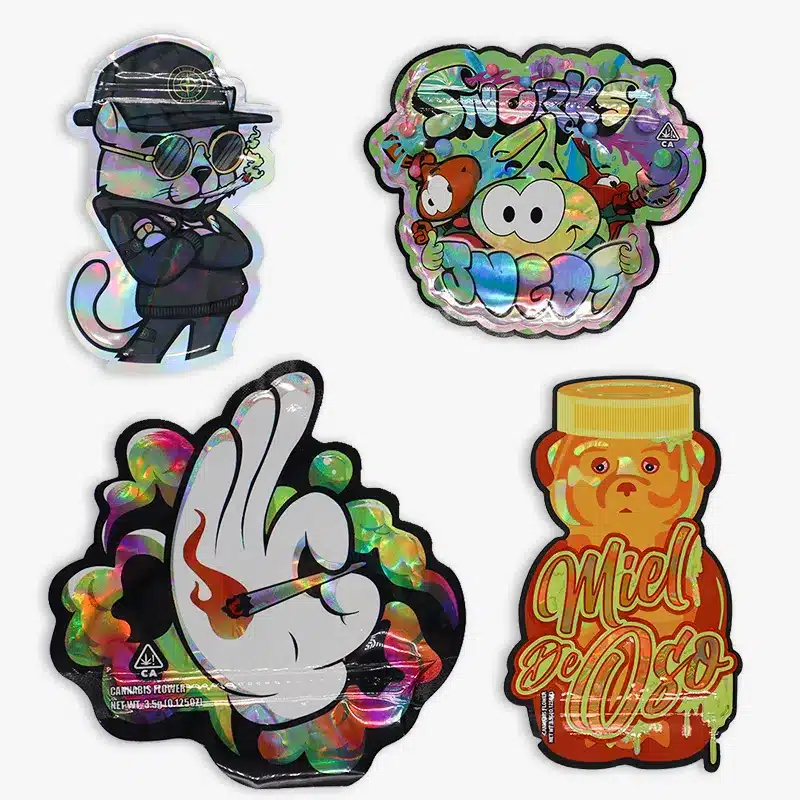
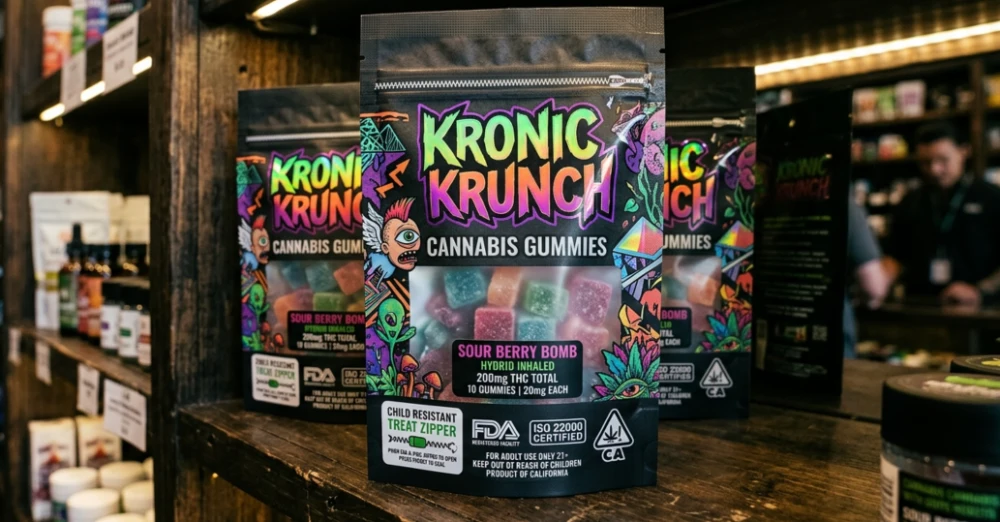
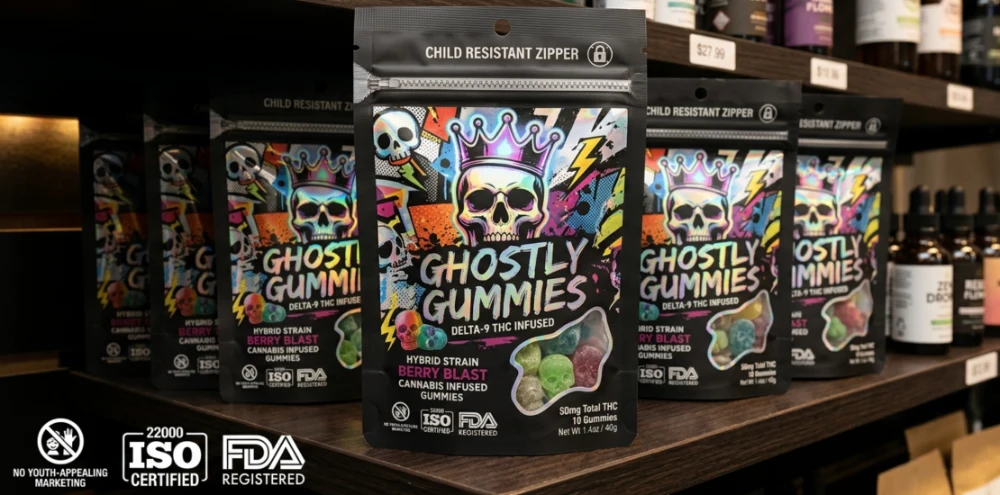
Cartoon characters, candy imagery, and designs mimicking popular snacks are widely banned. This directly affects your printed mylar packs 3.5g designs — keep them clean and adult-oriented.
State-by-State Snapshot: Key Packaging Rules
Below is a simplified comparison of major markets as of early 2026. Use it as a starting reference, not legal advice — regulations update often.
| State | Child-Resistant Required | Opaque/Non-Transparent | Resealable for Multi-Use | Universal Symbol |
|---|---|---|---|---|
| California | Yes | Yes | Yes | Yes |
| Colorado | Yes | Recommended | Yes | Yes |
| Nevada | Yes | Yes | Yes | Yes |
| Washington | Yes | No specific rule | Yes | Yes |
| Michigan | Yes | Yes | Yes | Yes |
| New York | Yes | Yes | Yes | Yes |
| Illinois | Yes | Recommended | Yes | Yes |
| Massachusetts | Yes | Yes | Yes | Yes |
Notice the pattern? Child-resistance and resealability are nearly universal. Build those in from the start, and you'll cover the majority of markets with one base spec.
Why Barrier Performance Matters as Much as Compliance
Compliance gets you on the shelf. Barrier quality keeps your product sellable once it's there. This is where many brands underestimate their packaging.
Moisture and Oxygen Control
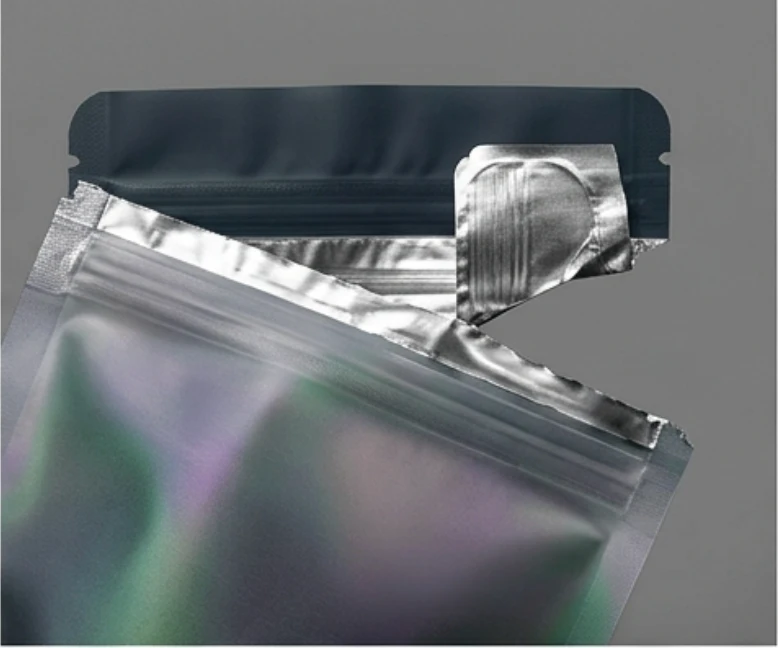
Cannabis flower degrades when exposed to oxygen and humidity. The same physics that ruins coffee applies here — terpenes evaporate and potency drops. High-barrier metallized film acts like the oxygen absorbers used in food storage bags, locking freshness in.
In our 6,800㎡ cleanroom facility, we test film barrier layers so your product holds its aroma and potency from packaging date to point of sale.
Odor Containment
Smell proof packaging isn't just a customer preference — some jurisdictions and retailers expect it. A multi-layer laminate with a tight zipper seal traps volatile compounds inside.
Brands sourcing smell proof mylar packs wholesale often ask whether odor control sacrifices print quality. With the right film structure, it doesn't — you keep both.
Choosing the Right Pouch Format for Your Product
Different products demand different pouch builds. Matching format to contents avoids reprints and wasted inventory.
- Flower (3.5g, 7g, 14g): Stand-up or flat pouches with CR zippers. The most common format for retail shelves.
- Edibles: Resealable mylar packs for food storage protect against moisture and keep gummies from clumping. Brands ordering mylar packs bulk for edibles usually prioritize food-grade liners.
- Pre-rolls: Slim, tall pouches or tubes depending on count.
- Concentrates: Smaller barrier pouches with extra puncture resistance.
Working with brands across North America, we've found that the most common mistake is ordering one universal size and forcing every product into it. Right-sizing per SKU saves money and improves shelf presentation.
Custom Branding Without Breaking Compliance
Here's the tension every founder feels: you want eye-catching packaging, but regulators restrict what you can print. The good news is that strong branding and compliance aren't opposites.
What You Can Do
- Bold logos, clean typography, and premium matte or gloss finishes
- Custom mylar packs with logo using spot-color or full CMYK printing
- Distinct color systems to differentiate strains or product lines
- Tactile features like soft-touch coating for a premium unboxing feel
What to Avoid
- Imagery that mimics name-brand candy or snacks
- Cartoon mascots or anything resembling kids' products
- Claims about health benefits not permitted in your state
Our in-house design team often helps brands who only have a rough logo idea turn it into print-ready artwork that passes state review the first time. That avoids costly back-and-forth with regulators.
Sourcing Strategy: One Spec, Multiple States
If you sell in three or more states, don't manage three separate packaging programs. Instead, design to the strictest common denominator.
Build a base pouch with: a certified CR zipper, opaque film, generous label space, and high oxygen-and-odor barrier. That single specification will satisfy the overlapping requirements in most legal markets simultaneously.
Then customize only the printed surface per state — adjusting symbols and warnings while keeping the underlying structure identical. This keeps your minimum order quantities efficient and your inventory simple.
| Sourcing Approach | Setup Complexity | Inventory Risk | Per-State Flexibility |
|---|---|---|---|
| Separate pouch per state | High | High | High |
| One base spec + custom print | Low | Low | High |
| One universal pouch, no variation | Very low | Medium | Low (compliance risk) |
How to Vet a Packaging Supplier
Not every pouch maker can document compliance. As a manufacturer that has produced packaging for 20+ years, we suggest asking suppliers these questions before you commit.
- Can you provide third-party child-resistance certification (16 CFR 1700.20)?
- Are your facilities FDA and ISO certified for food-contact safety?
- Do you test barrier performance for oxygen and moisture?
- Can your design team handle state-specific label requirements?
- What's your turnaround for reorders and artwork revisions?
A supplier who hesitates on certification questions is a risk. Documented proof protects you if a regulator ever audits your packaging.
Common Mistakes That Cause Recalls and Fines
Learning from others' errors is cheaper than making your own. These are the missteps we see most often.
- Assuming "child-resistant" means certified. A zipper that closes isn't automatically CR-tested.
- Reusing one design across states. Symbols and warnings differ — a missing universal symbol can pull product off shelves.
- Skipping opacity rules. Clear windows are banned in several markets.
- Underestimating barrier needs. Weak film leads to dried-out flower and customer complaints.
- Ordering too far ahead of rule changes. Regulations shift; don't overstock printed inventory tied to current rules.
Final Takeaways
Compliance across states sounds overwhelming, but the path is clearer than it looks. Child-resistance, opacity, resealability, and clean labeling cover the vast majority of requirements nationwide.
Design one strong base specification, then vary only the print per state. Pair that with certified, high-barrier flexible film pouches and a supplier who documents their testing, and you'll move faster with fewer surprises.
If you're ready to map your packaging program to the states you serve, YLTPACK can help you build compliant, branded pouches from a single specification. Reach our team at WhatsApp +86 182 1944 5665 or email [email protected] to discuss certified, child-resistant options for your markets.
Frequently Asked Questions
Do all legal states require child-resistant cannabis packaging?
Nearly all of them do, referencing the federal 16 CFR 1700.20 standard. Always confirm your specific state's current rule, but build in certified CR closures as a default to stay safe across markets.
Can one pouch design work in multiple states?
The structure can — a single base spec with a CR zipper, opaque film, and strong barrier satisfies most states. You'll still need to adjust the printed warnings, symbols, and label content per state.
What makes a pouch "smell proof"?
A multi-layer laminated film combined with an airtight zipper traps volatile aroma compounds inside. The same barrier layers also block oxygen and moisture, extending product freshness.
How do I keep branding bold while staying compliant?
Use strong logos, premium finishes, and distinct colors — just avoid candy imagery, cartoons, and youth-appealing themes. A design team familiar with state rules can balance shelf appeal with compliance.
What certifications should my packaging supplier hold?
Look for documented child-resistance testing plus FDA and ISO 22000 certifications for food-contact safety. These prove your packaging meets safety standards if a regulator audits you.