The structural difference in plain language
The simple answer is: One builds a true rectangular base with five distinct panels. The other relies on folded sides that expand as you fill it. Think of these two pouches as cousins, not twins. Both start as flexible film and both can stand upright, but they fold and seal in completely different ways. The shape you pick decides the silhouette, the fill volume, and even how many you can fit on a pallet. Once you understand those two construction logics, every other tradeoff makes sense.
Anatomy of a block-bottom pouch
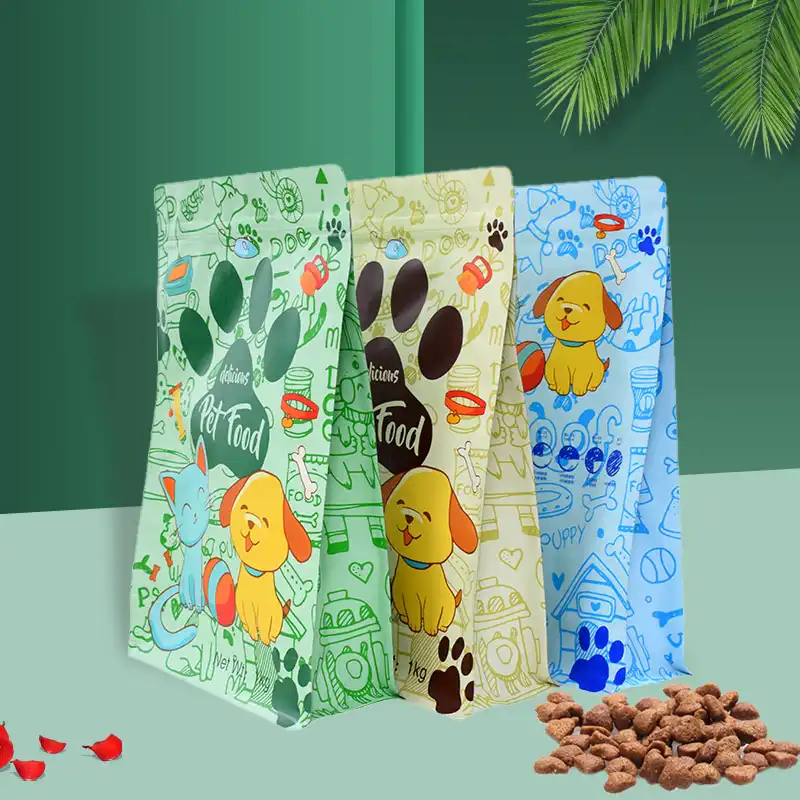
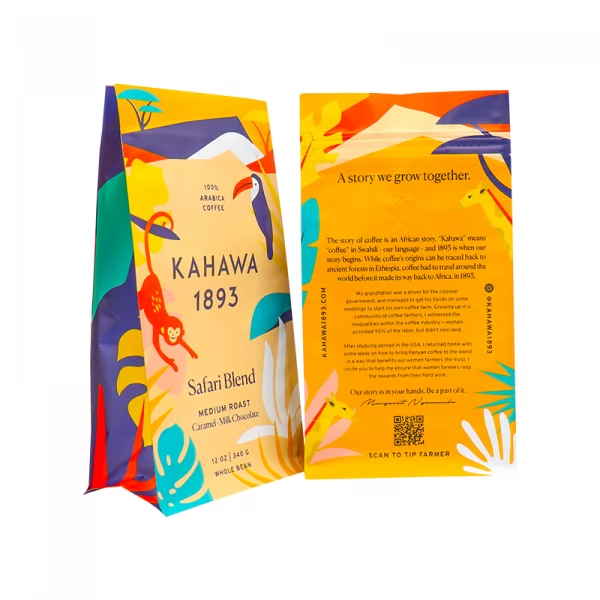
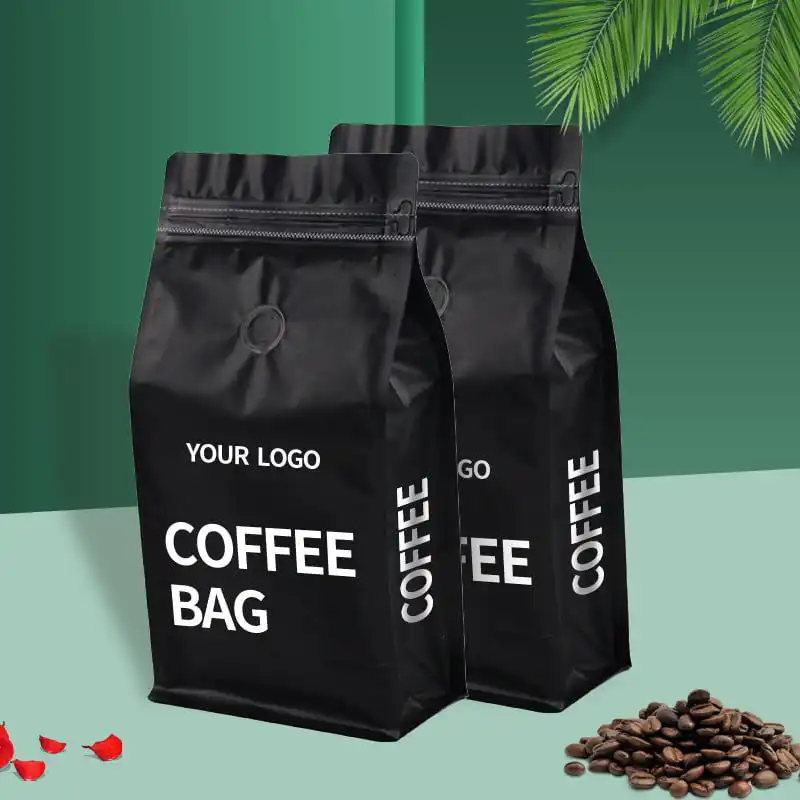
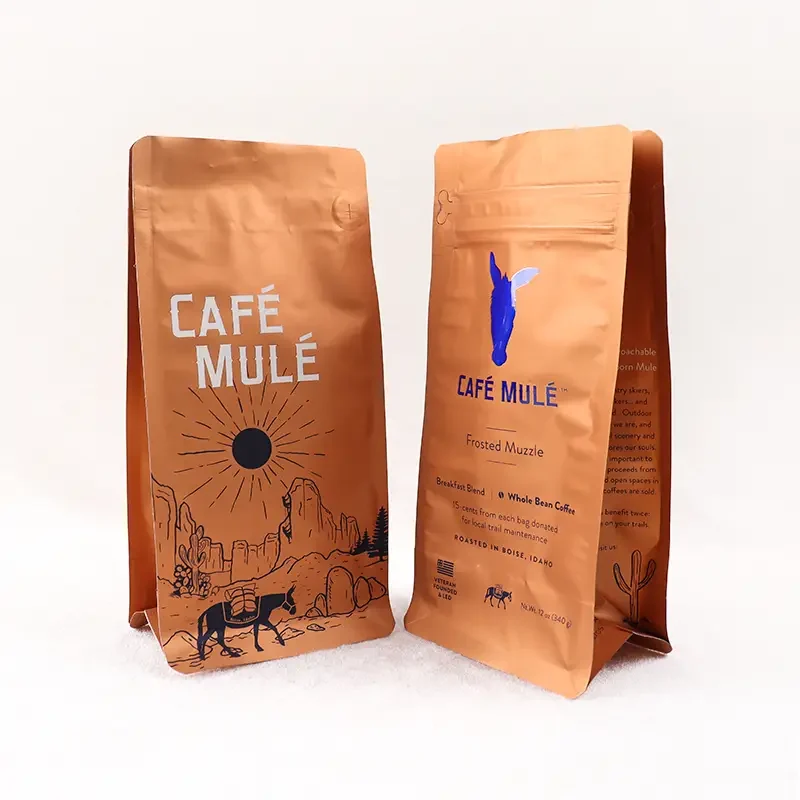
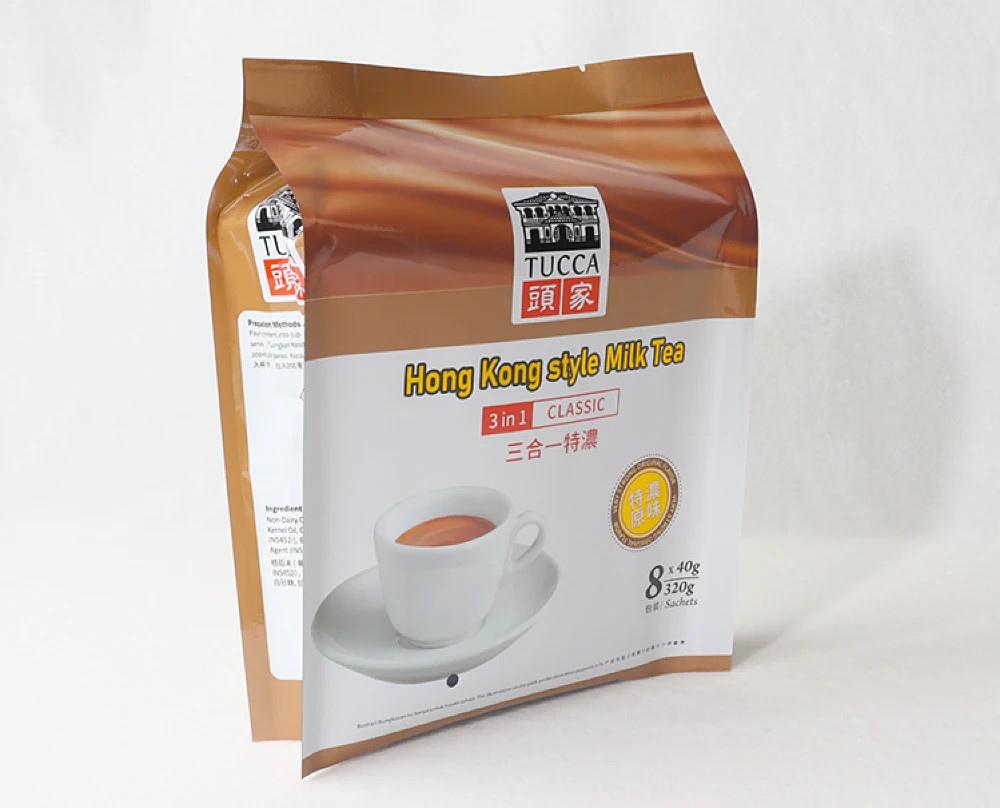
The block-bottom style, sometimes called a box pouch, has a rigid rectangular base sealed into the film. That base gives it four crisp corners and four visible side panels, plus the bottom, for a total of five printable surfaces.
When it stands, it looks almost like a small carton. The flat base means it won't wobble, even when it's only half full. Brands love this look because it reads as premium and holds its form on a crowded shelf.
- Front and back panels: large, flat, ideal for bold artwork.
- Two side gussets: often used for ingredients, certifications, or barcodes.
- Sealed flat base: the structural backbone that lets it stand on its own.
This format shines for premium coffee, granola, protein powder, and pet treats, where a structured, retail-ready presence matters. In our experience producing packaging for brands across North America, the box pouch is the format clients reach for when shelf presence is the priority.
Why coffee roasters gravitate toward this shape
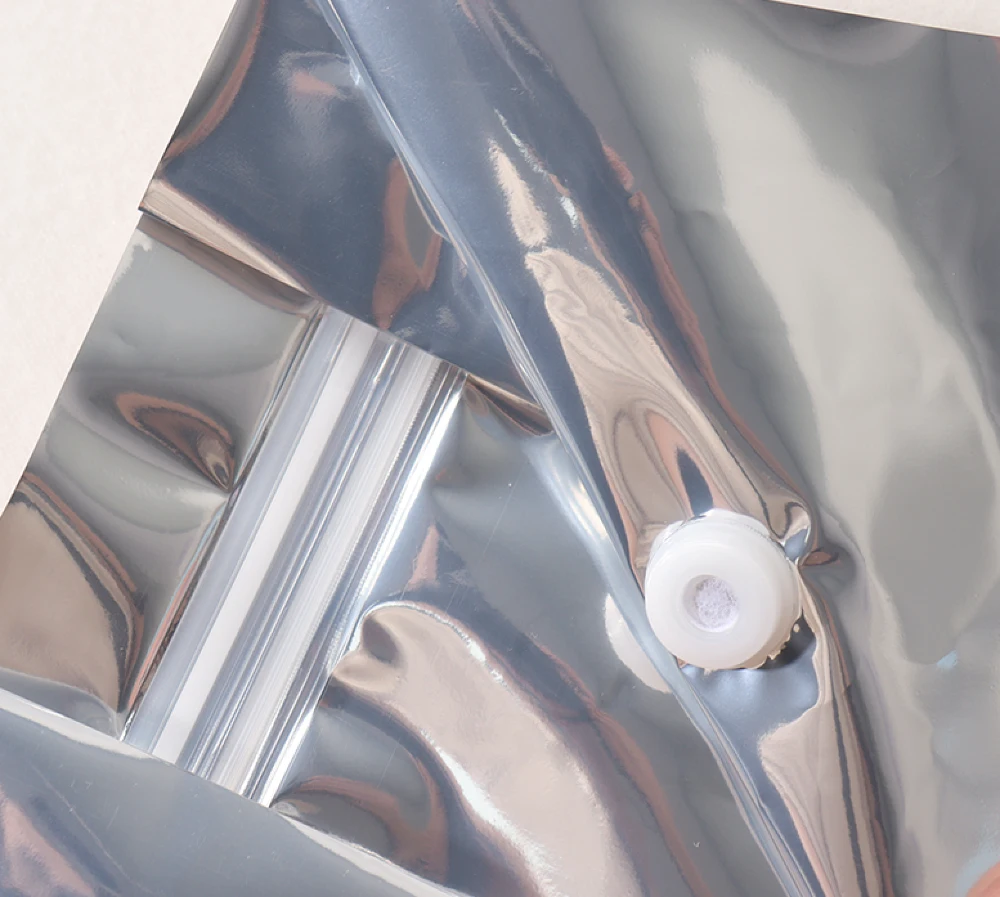
Coffee is a great example of structure meeting function. A block-bottom design pairs naturally with a one-way degassing valve, letting fresh-roasted beans release CO2 without letting oxygen in. That oxygen barrier is what protects aroma and prevents staling.
The wide flat panels also give roasters room to tell their origin story, which matters when a buyer is comparing single-origin bags side by side. Because we hold FDA and ISO 22000 certifications, we usually steer food clients toward film structures that keep that barrier consistent batch after batch.
Anatomy of a side-gusset pouch
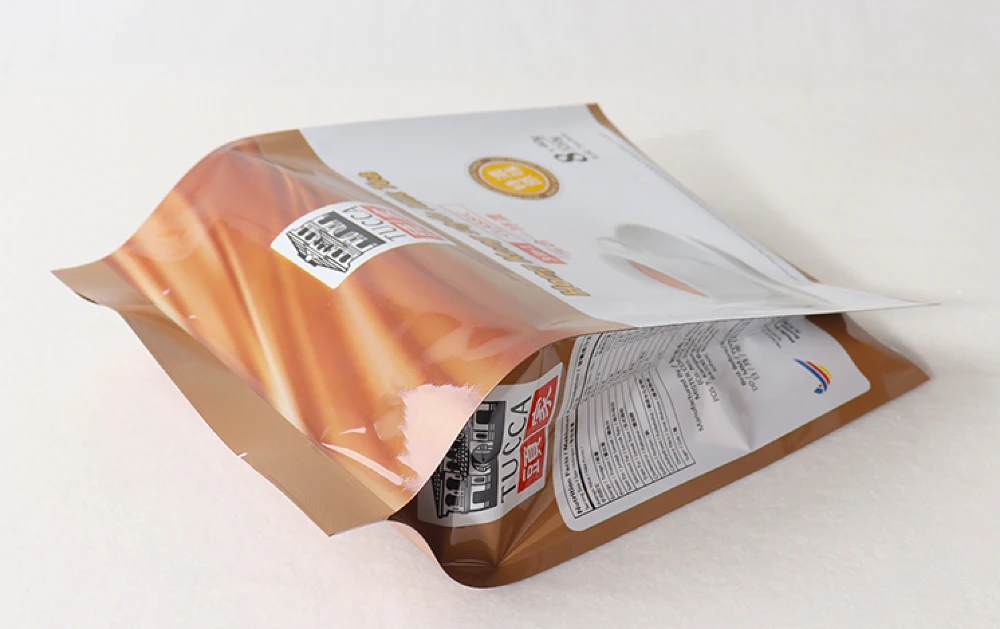
The side-gusset style is the classic coffee-bag silhouette many people picture instantly. Instead of a built-in base, it has two folded panels along the sides that expand outward as product fills the pouch.
Empty, it lies almost flat. Filled, those folds open up to create depth and volume. It's an efficient, time-tested design that's been moving whole-bean coffee and snacks for decades.
- Front and back panels: the main display area.
- Two expanding side folds: they create capacity without adding a rigid base.
- Bottom seal: typically a simple sealed seam, not a structured base.
This format is a workhorse for value-focused lines, bulk fills, and products where standing perfectly upright isn't critical. Add a tin tie at the top and you've got that approachable, artisanal coffee look without the cost of a structured base.
Where the gusseted format wins on cost
Because it uses less film engineering and a simpler base seal, the gusseted style often runs leaner on material per unit. For high-volume products with tight margins, that adds up across hundreds of thousands of units.
It's also forgiving for a wide fill range. A single size can handle different weights as the side folds expand, which simplifies inventory for brands running several product lines.
Side-by-side comparison
Here's the quick reference most buyers ask us for. The figures below reflect typical ranges we see across food and powder projects as of 2026; exact specs always depend on your film and fill.
| Feature | Block-Bottom (Box Pouch) | Side-Gusset Pouch |
|---|---|---|
| Base structure | Rigid, sealed rectangular base | Folded sides, simple bottom seal |
| Printable panels | 5 (front, back, 2 sides, base) | 4 (front, back, 2 narrow folds) |
| Standing stability | Excellent, even half-full | Good when filled, leans when low |
| Shelf presence | Premium, carton-like | Classic, artisanal |
| Material per unit | Higher | Lower |
| Typical fill range | 50g – 2kg | 100g – 5kg |
| Best fit | Premium retail lines | Bulk, value, high-volume |
How each shape behaves in shipping and storage
This is where many buyers get surprised. The structured base that looks great on a shelf also packs neatly into cases, with predictable dimensions that stack cleanly on a pallet. Fewer voids in the carton can mean tighter, safer transit.
The gusseted style ships flatter before filling, which can lower freight on empty stock. Once filled, though, its rounded form may leave more dead space in cases. For heavy products like rice or bulk pet food, weight distribution and stacking strength become the real conversation.
Pet food and the trust factor
Pet owners read labels like detectives. They want clear ingredient panels, sourcing claims, and feeding guides, and they want them legible. The extra side panels on a structured pouch give pet brands room to show that transparency without crowding the front artwork.
For larger fills, stacking strength matters because retailers and warehouses store these by the case. Our in-house design team often helps pet brands balance that ingredient-heavy labeling with a clean, scannable front.
Which one should you choose?
There's no universal winner, only the right fit for your product, channel, and budget. Run through this quick checklist before you commit to tooling.
- Premium shelf retail? Lean toward the structured box format.
- High-volume, cost-sensitive line? The gusseted format usually wins.
- Need maximum print real estate? Five panels beat four.
- Heavy or bulk fills? Talk through stacking and seal strength first.
- Want valve-ready coffee packaging? Both work; structure drives the look.
When clients are torn between the two, we often recommend a quick sample round. Seeing both shapes filled with your actual product answers more questions than any spec sheet. As a manufacturer that has produced packaging for over 20 years, we've learned that the most common mistake is choosing a shape from a photo rather than a filled sample.
A note on barrier and certifications
Shape is only half the story. The film laminate underneath decides moisture resistance, oxygen barrier, and shelf life. A beautiful pouch with the wrong barrier will still let your product go stale.
Whether you choose the structured or folded design, we match it with a film structure tested for your fill, and produce it in a 6,800㎡ cleanroom facility that holds FDA, ISO 9001, ISO 22000, and GRS certifications. That last one matters more every year as brands move toward recycled and recyclable materials.
Quick decision summary
If your goal is a premium, stand-anywhere look with maximum labeling space, the block-bottom design earns its slightly higher material cost. If you're optimizing for high volume, flexible fills, and leaner spend, the side-gusset design is a proven, dependable choice.
The honest answer to the flat bottom bag vs side gusset bag debate is that both are excellent tools, just built for different jobs. Match the structure to your product, channel, and margins, and you'll rarely go wrong.
If you want a second opinion on which format suits your product, the YLTPACK team is happy to review your specs and send samples. Reach us on WhatsApp at +86 182 1944 5665 or by email at [email protected], and we'll help you weigh the tradeoffs honestly.
Frequently asked questions
Can both pouch styles use a resealable zipper?
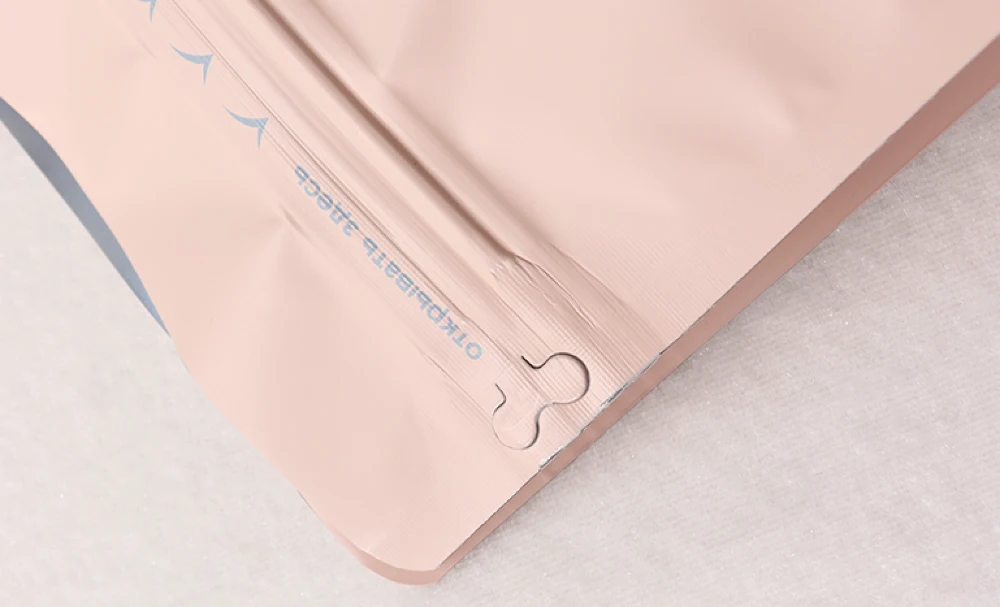
Yes. Both formats accept press-to-close zippers, slider zippers, and tin ties. The structured base pouch tends to look cleaner with a top zipper because the body holds its shape, while the gusseted style pairs nicely with a tin-tie for that classic coffee feel.
Which format gives better shelf life for coffee?
Shelf life comes from the film barrier and the degassing valve, not the outer shape. Both can be built with high-barrier laminates and one-way valves. The choice is mostly about appearance and how the bag stands once it's on display.
Is the structured base really worth the higher material cost?
It depends on your channel. For premium retail where shelf presence drives the purchase, the carton-like stance and extra print panels often justify it. For bulk or online-first products, the leaner gusseted design usually makes more sense.
What sizes can each format hold?
Block-bottom pouches commonly run from about 50g up to 2kg, while side-gusset pouches stretch from roughly 100g to 5kg as their folds expand. Exact capacity depends on your product density and film, so a filled sample is the safest way to confirm.
How do I get samples of both before deciding?
Send your product details, target fill weight, and any barrier or sustainability needs, and we'll produce samples in both shapes. Seeing each one filled with your actual product makes the final call much easier, and our design team can adjust artwork placement along the way.