The Core Idea: Two Bags Built for Two Different Jobs
Both options are flexible pouches, and from a distance they can look similar. Under the hood, though, they're engineered for opposite tasks. One is built to be cooked. The other is built to be sealed tight.
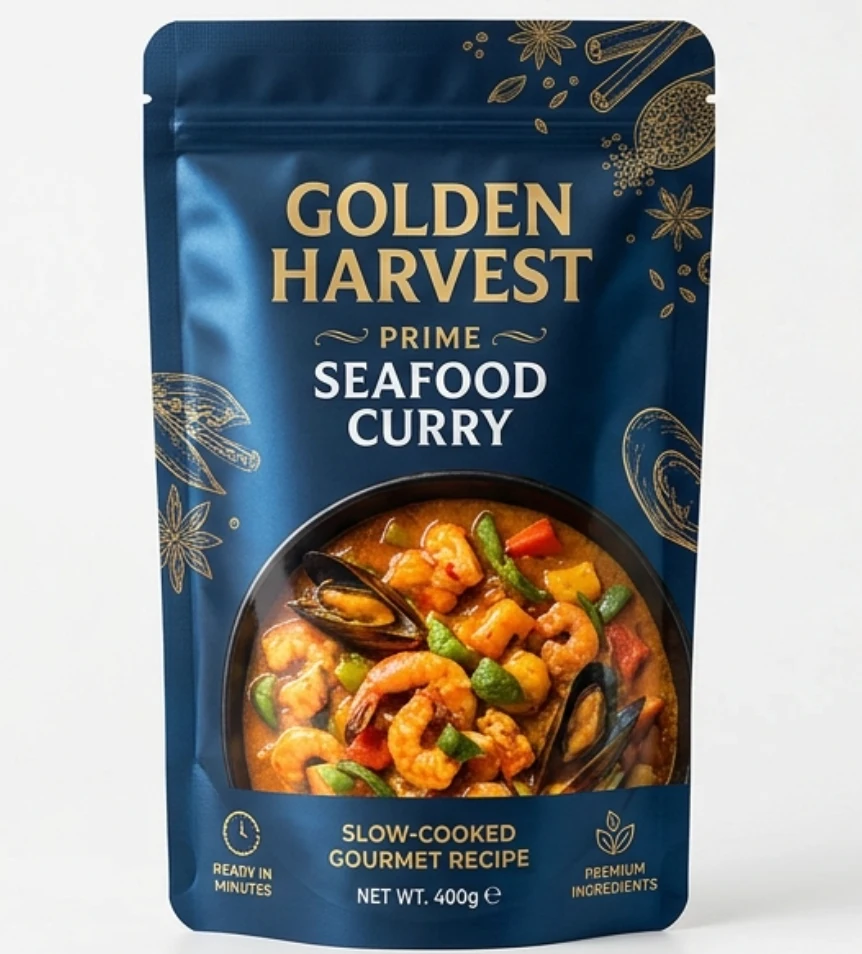
A retort pouch is a multi-layer laminated bag designed to withstand the heat of a pressure cooker (a "retort") at temperatures around 115–135°C. Think of it as a flexible version of a metal can. Ready-to-eat curries, soups, tuna, and pet food meals live in these.
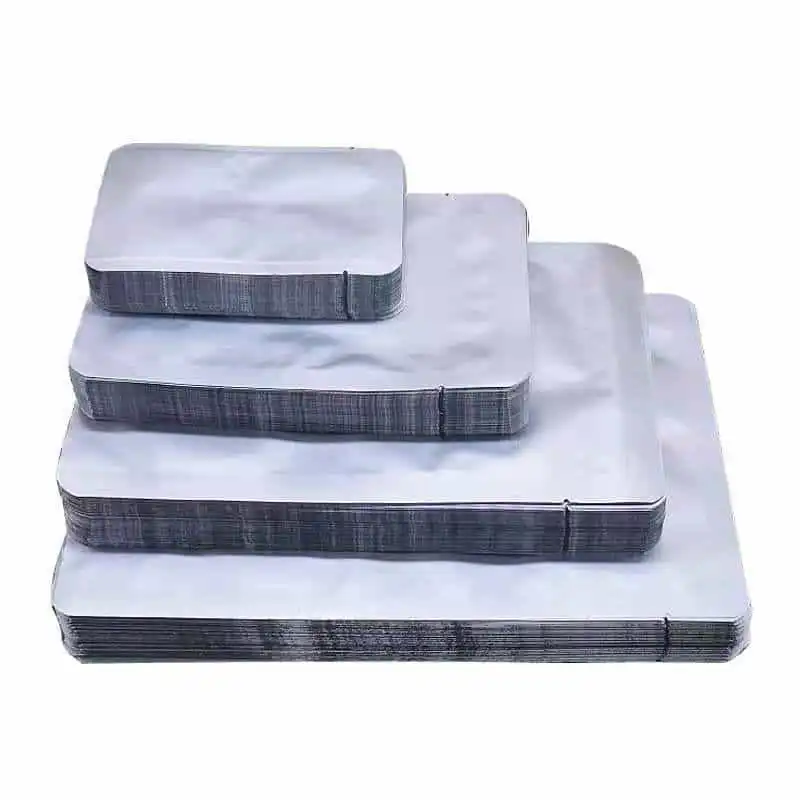
A vacuum-sealed bag, on the other hand, is engineered to have the air pulled out before sealing. By removing oxygen, it slows the spoilage clock. It's the go-to for fresh cuts of meat, cheese, coffee, and anything headed to the fridge or freezer.
The difference between a retort pouch and a vacuum sealed bag isn't really about the bag shape. It's about whether the food gets cooked inside the package or simply protected from air.
Side-by-Side: How the Two Stack Up
Here's the comparison most buyers wish they had before requesting samples. The figures below reflect typical industry ranges as of 2026 and will shift slightly depending on film structure and contents.
| Feature | Retort Pouch | Vacuum-Sealed Bag |
|---|---|---|
| Primary purpose | Sterilize and store at room temperature | Remove air to slow spoilage |
| Heat tolerance | Up to ~135°C (sterilization safe) | Typically 80–95°C (not for sterilization) |
| Typical shelf life | 12–24 months, ambient | 2–6 weeks chilled; up to ~2 years frozen |
| Refrigeration needed? | No | Usually yes |
| Film layers | 3–4 layers (often with foil) | 1–3 layers |
| Oxygen barrier | Very high | Moderate to high |
| Relative material cost | Higher | Lower |
| Best-suited products | Ready meals, sauces, pet food, soups | Fresh meat, cheese, coffee, sous vide prep |
Notice the pattern: the heat-resistant option costs more because it's doing more. You're paying for the ability to skip the cold chain entirely, which can be a huge logistics win.
Shelf Life: Where the Gap Really Shows
This is the question buyers ask most, so let's be specific. When comparing retort pouch vs vacuum bag shelf life, the heat-sterilized option wins for ambient storage by a wide margin.
Because the contents are commercially sterilized inside a sealed, high-barrier pouch, microbial growth is halted. That's how you get 12 to 24 months on a warm warehouse shelf without a refrigerator in sight.
Air-removal packaging plays a different game. It doesn't kill bacteria; it just slows them by starving them of oxygen. A vacuum-packed steak might last three weeks in the fridge versus a few days unwrapped, and far longer frozen. But leave it at room temperature and you're inviting trouble.
- Need a no-refrigeration product? The sterilized pouch is your answer.
- Selling chilled or frozen goods? Air-removal sealing is efficient and economical.
- Exporting to regions with weak cold chains? Ambient-stable packaging reduces spoilage risk dramatically.
So, Are Retort Pouches Better Than Vacuum Bags?
Honestly? Neither is universally better. Asking are retort pouches better than vacuum bags is a bit like asking whether a freezer is better than an oven. They solve different problems.
If your roadmap includes shelf-stable ready meals, sauces, or wet pet food that needs to survive distribution without cold storage, the sterilizable pouch is worth the higher material spend. The logistics savings often offset the cost.
If you're moving fresh proteins, artisan cheese, or whole-bean coffee that customers will refrigerate or freeze, the simpler air-removal bag delivers strong protection without overspending on film layers you don't need.
Working with brands across North America, we've found that the most common mistake is over-engineering the package. Some founders request heat-sterilizable film for a product that never gets sterilized, and end up paying for barrier performance they'll never use.
The Sous Vide Question
Home cooks and chefs blur the lines here, so it's worth a dedicated note. When people search for retort pouch vs vacuum bag for sous vide, they usually want to know which one is safe to drop into a hot water bath.
Sous vide typically runs at 50–85°C, well within the comfort zone of food-grade vacuum bags rated for cooking. That's why properly rated air-removal pouches are the standard choice for sous vide prep.
Sterilizable retort films can also handle those temperatures easily, since they're built for far harsher conditions. But they're usually overkill and pricier for a simple sous vide application. Match the bag to the actual heat exposure, not the maximum imaginable one.
Food Safety and Material Structure
Let's talk about what's actually in these films, because this is where quality separates serious manufacturers from corner-cutters.
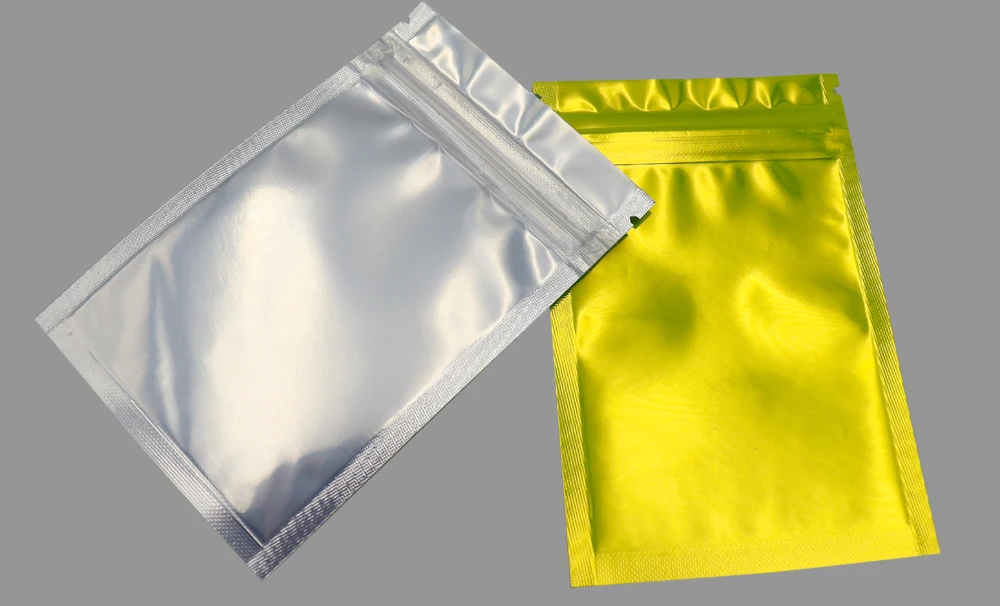
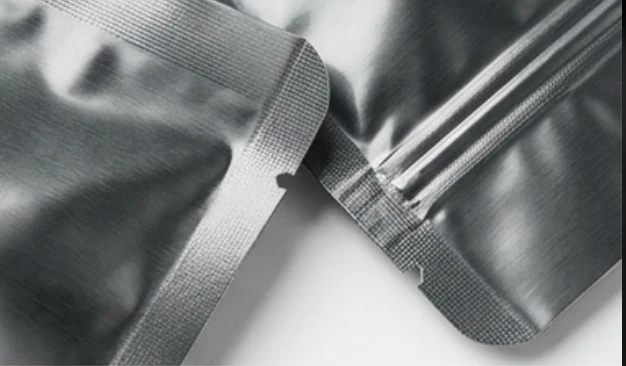
A sterilizable pouch often uses a structure like PET / aluminum foil / nylon / cast polypropylene. That foil layer is the hero, giving near-total barrier against oxygen, light, and moisture, which is exactly what survives a year on a shelf.
Air-removal bags commonly use nylon and polyethylene blends prized for puncture resistance and a tight seal. They flex with the product and grip the food surface to minimize trapped air pockets.
Because we hold FDA and ISO 22000 certifications, we recommend buyers always confirm the food-contact compliance of every layer, not just the outer print film. The inner sealant touches your food, so it matters most for safety.
Reading Your Product Like a Pro
The smartest packaging decisions start with the product, not the bag. Here's how the choice maps to real categories we see every week.
Ready meals and sauces
These almost always need sterilization for ambient shelf life, so the heat-resistant pouch is the natural fit. Stand-up shapes with spouts add convenience and shelf appeal.
Pet food
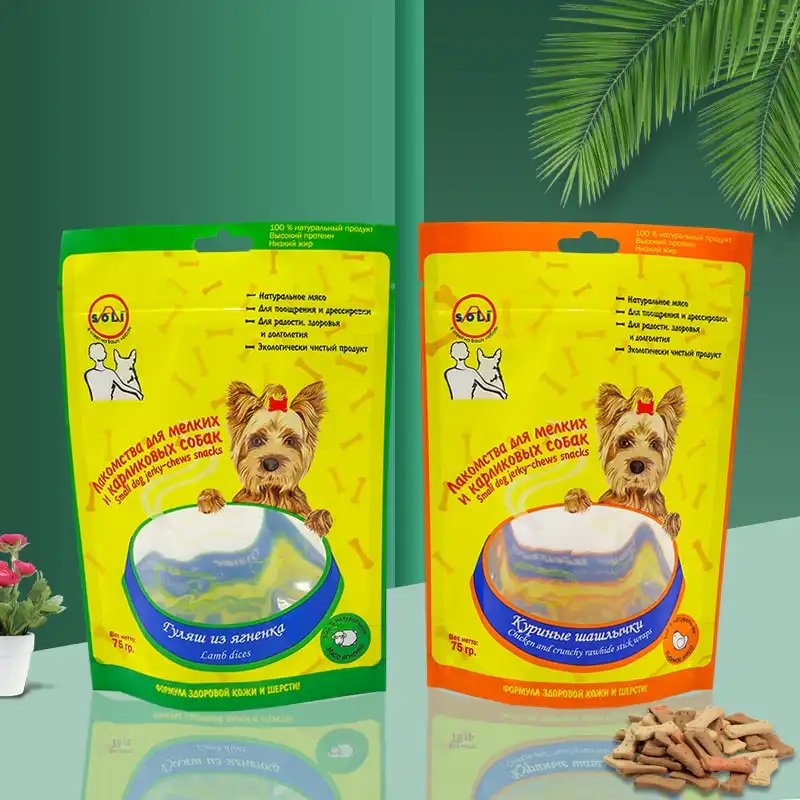
Wet pet meals follow the same logic as human ready meals. Pet parents increasingly read ingredient panels closely, so a clean, high-barrier pouch that preserves freshness while showcasing transparent labeling builds real trust.
Coffee
For roasted beans, oxygen and aroma loss are the enemy. A high-barrier air-removal bag with a one-way degassing valve keeps the fragrance locked in while letting CO2 escape. Sterilization isn't needed here, just a strong oxygen barrier.
Fresh proteins and cheese
Chilled and frozen items thrive in air-removal packaging. The tight seal slows oxidation and freezer burn while keeping material costs sensible.
Cost, Logistics, and the Hidden Math
Sticker price on the film is only part of the story. The full picture of retort pouch vs vacuum bag for food storage includes warehousing, transport, and waste.
Ambient-stable pouches cost more per unit but can eliminate refrigerated trucking and cold warehousing. For long-distance or export shipments, that frequently nets out cheaper overall.
Air-removal bags are cheaper per unit, but if your product demands a continuous cold chain, those refrigeration costs stack up fast and quietly. Always model the total delivered cost, not just the bag.
- Short distance, local cold chain: air-removal sealing usually wins on cost.
- Long distance, weak or no cold chain: sterilizable pouches often win.
- High product value: spend on barrier; spoilage losses dwarf packaging savings.
Customizing for Your Brand and Volume
Once you know which format fits, the next layer is making it yours: size, finish, print, and features like spouts, tear notches, or resealable zippers.
As a manufacturer that has produced packaging for 20+ years, we've learned that the gap between a "fine" pouch and a great one usually lives in the details: seal strength tuned to the filling line, barrier matched to actual shelf-life targets, and artwork that survives sterilization without fading.
In our 6,800㎡ cleanroom facility, that consistency is the whole point, because food packaging is only as trustworthy as the environment it's made in. Hygiene control during production directly affects whether your seals hold and your barrier performs.
Our in-house design team often helps brands who only have a rough idea of dimensions or a sketch of their logo, turning it into print-ready files and a structure that runs cleanly on their equipment. You don't need a finished design to start the conversation.
A Quick Decision Checklist
Run through these questions before you commit to a format. If you answer "yes" to the first group, lean toward sterilizable pouches; "yes" to the second, lean toward air-removal bags.
- Does the product need to be shelf-stable without refrigeration? → sterilizable pouch
- Will it undergo high-heat sterilization after filling? → sterilizable pouch
- Is a 12+ month ambient shelf life required? → sterilizable pouch
- Is the product sold chilled, frozen, or consumed quickly? → air-removal bag
- Is keeping material cost lean a top priority? → air-removal bag
- Is it prepped for sous vide cooking? → cooking-rated air-removal bag
The Bottom Line
Both packaging styles earn their place; the trick is matching the bag to your processing method and supply chain rather than to a trend. Sterilizable pouches buy you shelf stability and cold-chain freedom. Air-removal bags buy you efficient freshness for chilled and frozen goods at a friendlier cost.
Get the processing question right first, then layer on shelf-life targets, logistics reality, and brand design. When you have those three nailed down, the choice usually makes itself.
If you'd like a second opinion on which structure fits your product and volume, the YLTPACK team is happy to review your specs and send samples. You can reach us on WhatsApp at +86 182 1944 5665 or by email at [email protected], and we'll talk through it as a sounding board, not a sales pitch.
Frequently Asked Questions
Can I microwave a sterilizable pouch?
Many are designed for it, especially those with a steam-release feature, but not all. Always confirm with your supplier, since structures with a foil layer generally cannot go in the microwave. Foil-free versions often can.
How long do vacuum-sealed foods really last?
It depends on temperature. Refrigerated items typically last a few days to a few weeks longer than unwrapped versions, while frozen items can stretch to one to two years with strong protection against freezer burn. Air removal slows spoilage but doesn't sterilize.
Do sterilizable pouches keep food fresher than canning?
Performance is comparable for shelf life, since both rely on heat sterilization. Flexible pouches heat faster and more evenly, which can mean better texture and flavor, plus lighter weight and easier disposal than rigid cans.
Can the same artwork be used on both formats?
The visual design can carry across, but the inks and lamination must suit the process. Sterilization-grade printing has to resist high heat and moisture without fading, so files often need adjusting between the two formats.
What's the minimum order for custom packaging?
It varies by structure, size, and features, so it's best confirmed for your specific project. Share your target volume, dimensions, and product type, and we can outline realistic options and recommend the most cost-effective film for your goals.