Why Coffee Brands Are Rethinking Their Bean Storage Packaging
If you roast, sell, or stock specialty coffee, you already know that freshness is everything. The moment beans leave the roaster, a countdown begins — oxygen, moisture, and light start eroding flavor compounds. That's why more brands are turning to kraft coffee bags as their go-to storage solution. But here's the real question: can these natural-looking paper pouches actually protect your beans over weeks or even months?
We've spent over two decades manufacturing custom packaging for coffee brands of all sizes, and this is one of the most common questions our team fields. The short answer is yes — but only when the bag is engineered correctly. Let's break down exactly what makes kraft-based packaging work (or fail) for long-term bean storage, so you can make confident purchasing decisions for your brand.
What Makes Kraft Paper a Popular Choice for Coffee Packaging
Kraft paper has a natural, tactile quality that immediately communicates "artisan" or "craft" to consumers. It's become the visual language of specialty coffee. But aesthetics aside, the material itself offers some genuine functional advantages.
The Material Science Behind Kraft
Kraft paper is made from wood pulp processed with minimal bleaching, which preserves long cellulose fibers. These fibers give the material excellent tensile strength and tear resistance — important when bags are stacked, shipped, and handled in warehouses or on retail shelves.
However, raw kraft paper alone is porous. It breathes. That's wonderful for a grocery bag carrying apples, but problematic for keeping coffee fresh. This is why high-performance coffee pouches use kraft as an outer layer bonded to inner barrier films that block oxygen, moisture, and UV light.
Why Buyers Gravitate Toward This Look
According to a 2025 survey by the Specialty Coffee Association, 68% of consumers associate natural brown packaging with sustainability and quality. For coffee brands trying to differentiate on shelves crowded with glossy foil bags, the earthy appearance of kraft creates an instant visual story. It signals transparency, environmental responsibility, and small-batch care — even at commercial volume.
Can Kraft-Based Pouches Actually Preserve Freshness Long-Term?
This is where the nuance lives. A plain, single-layer kraft pouch? It won't keep your beans fresh past a week or two. But a properly constructed multi-layer pouch with kraft as the outer skin? It can maintain bean quality for 6 to 12 months when combined with the right features.
The Role of Barrier Layers
Modern eco-friendly coffee packaging uses a laminated structure. Think of it like a sandwich: the outer kraft layer handles aesthetics and structural support, while inner layers of food-grade PE, MOPP, or aluminum foil provide the actual oxygen and moisture barrier. The combination achieves oxygen transmission rates (OTR) low enough to rival traditional all-foil bags.
One-Way Degassing Valves: Non-Negotiable for Freshness
Freshly roasted beans release CO₂ for up to 72 hours. Without a valve, that gas builds pressure inside a sealed pouch — potentially bursting seams during storage or transit. Kraft coffee bags with valve allow CO₂ to escape while preventing outside air from entering. This single feature extends shelf life dramatically and is essential for any brand packaging beans within days of roasting.
| Storage Duration | Plain Kraft (No Barrier) | Kraft + Barrier + Valve | Traditional Foil Bag |
|---|---|---|---|
| 1–2 weeks | Acceptable | Excellent | Excellent |
| 1–3 months | Significant staling | Good to Excellent | Excellent |
| 3–6 months | Not recommended | Good (with nitrogen flush) | Very Good |
| 6–12 months | Not recommended | Acceptable (with nitrogen flush) | Good |
As you can see, the gap between kraft-laminate bags and traditional foil narrows significantly when proper barrier technology and gas-flushing are employed. For most specialty coffee brands shipping within a 3-month window of roasting, a well-made kraft pouch performs beautifully.
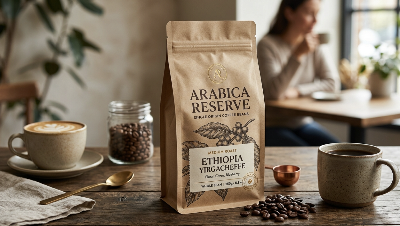
Key Features That Extend Shelf Life in Kraft Pouches
Not all pouches are created equal. When sourcing packaging for bulk orders, pay attention to these specific features that separate a decorative paper bag from a serious freshness-protecting vessel.
Resealable Closures
Once a consumer opens the bag, the clock accelerates. Biodegradable kraft coffee bags with zip lock give end users the ability to reseal after each use, significantly slowing oxidation between cups. For brands, this also reduces complaints about stale coffee — protecting your reputation long after the sale.
Nitrogen Flush Compatibility
Many roasters flush bags with food-grade nitrogen before sealing to displace residual oxygen. Your packaging needs to be structurally compatible with this process — meaning seals must be airtight and the material shouldn't allow gas permeation. A well-laminated kraft pouch handles this without issue.
Stand-Up Construction
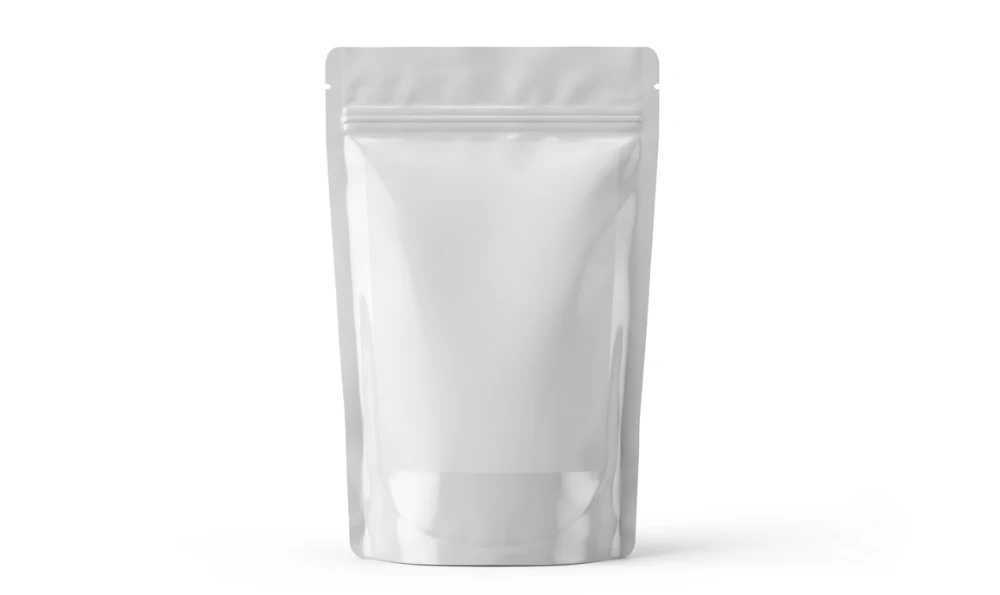
Stand up kraft bags with a gusseted bottom do more than look good on shelves. The flat base distributes weight evenly, reducing stress on seams during stacking and storage. This structural integrity matters for long-term warehouse scenarios where bags may sit for weeks before shipping to retailers.
Clear Windows for Product Visibility
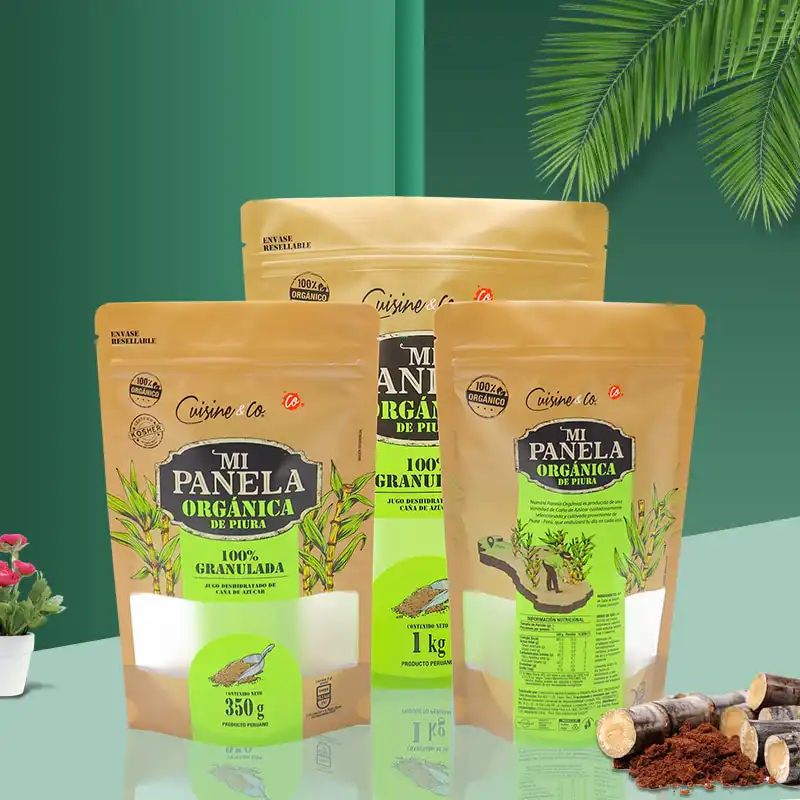
Small kraft paper coffee bags with window allow consumers to inspect bean color, size, and roast level without opening the package. For brands, this builds trust at the point of purchase. From a storage perspective, ensure the window material includes UV-blocking properties — light exposure accelerates bean degradation.
Choosing the Right Kraft Packaging for Your Brand's Needs
Your storage requirements depend on your supply chain. A roaster selling direct-to-consumer with 2-day shipping has different needs than a brand placing bags in grocery stores with 90-day shelf life requirements. Here's how to think through the decision.
Map Your Timeline from Roast to Cup
Start by mapping the longest realistic path your coffee takes from packaging to consumption. Include warehouse time, transit, retail shelf time, and the consumer's pantry. If that total exceeds 4 weeks, you need barrier layers and a degassing valve — no exceptions.
Consider Your Order Volume and Customization
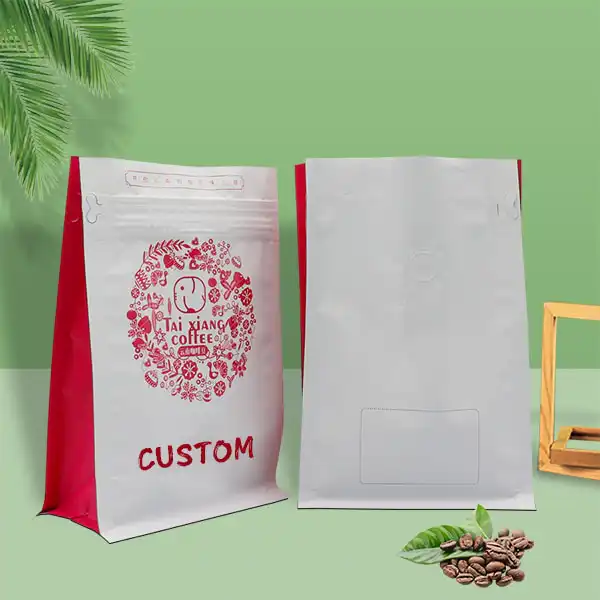
For brands ordering at scale, custom printed kraft coffee bags wholesale allow you to lock in consistent quality while building brand recognition. Look for manufacturers who can match specific Pantone colors, apply your artwork with precision, and maintain FDA-compliant food-safe inks across large print runs.
At YLTPACK, our in-house design team works directly with brand owners to translate concepts into production-ready artwork. With an ISO-certified 6,800-square-meter facility focused exclusively on flexible packaging, we control every step from film lamination to final quality inspection — which means consistency across orders of 10,000 or 500,000 units.
Sustainability Considerations
Consumers increasingly expect packaging that aligns with environmental values. Kraft-based materials are inherently more recyclable and biodegradable than full-foil alternatives. Some constructions now use compostable inner films that maintain barrier performance while meeting commercial composting standards. If sustainability is part of your brand story, discuss options with your packaging supplier early — material choices affect lead times.
Common Mistakes Brands Make with Coffee Bean Storage Packaging
After working with hundreds of coffee companies over 20+ years, we've seen the same errors repeated. Avoiding these will save you product losses, customer complaints, and repackaging costs.
Mistake #1: Prioritizing Looks Over Function
A gorgeous matte-finish pouch means nothing if beans go stale in three weeks. Always start with your freshness requirements, then design the aesthetics around the functional structure. Good manufacturers can make high-barrier bags look stunning — you don't have to choose.
Mistake #2: Skipping the Valve on Whole Bean Products
Some brands skip the degassing valve to save per-unit cost. This is false economy. Without it, bags may puff up during transit (triggering returns), or seams can fail under pressure. The valve adds minimal cost compared to the revenue lost from spoiled inventory.
Mistake #3: Not Testing Seal Integrity
A bag is only as good as its weakest seal. Before committing to a large production run, request samples and test them under your actual packing conditions. Fill with beans, seal (with nitrogen flush if you use it), and store under realistic warehouse temperatures for your target shelf life. A reliable manufacturer will encourage this testing.
Mistake #4: Using the Same Bag for All Products
Whole beans, ground coffee, and single-serve portions have different oxygen exposure profiles. Ground coffee has far more surface area exposed to air and degrades faster. Tailor your barrier specifications to each product format rather than using one generic solution.
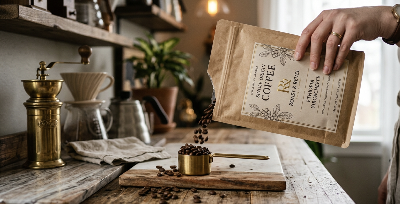
How to Evaluate a Packaging Supplier for Long-Term Quality
Whether you're launching a new coffee brand or switching suppliers, here's a framework for evaluating who can actually deliver resealable kraft coffee bags for small business or enterprise volume — consistently and reliably.
Certifications That Matter
- FDA compliance — Confirms materials are safe for direct food contact
- ISO 9001 — Demonstrates standardized quality management processes
- SGS or third-party testing — Independent verification of barrier performance claims
These aren't nice-to-haves. They're baseline indicators that a manufacturer takes food safety and consistency seriously. Ask for documentation — credible suppliers provide it readily.
Production Environment
Coffee packaging should be produced in a clean, controlled environment. Dust, contaminants, or inconsistent humidity during production can compromise seal integrity and introduce off-flavors. Our facility maintains dust-free workshop conditions specifically because flexible food packaging demands it.
Questions to Ask Before Placing an Order
- What is the OTR (oxygen transmission rate) of your recommended laminate structure?
- Can you provide shelf-life testing data for your pouches?
- Do you offer sample runs before committing to full production?
- What is your defect rate, and how do you handle quality failures?
- Can you accommodate custom sizes, finishes, and closure types?
Suppliers who answer these confidently — with data rather than vague assurances — are the ones worth partnering with long-term.
Storage Best Practices After Packaging
Even with perfect packaging, storage conditions affect bean longevity. Share these guidelines with your warehouse team and retail partners to maximize the freshness your packaging is designed to protect.
| Factor | Ideal Condition | Why It Matters |
|---|---|---|
| Temperature | 15–25°C (59–77°F) | Heat accelerates chemical degradation of flavor oils |
| Humidity | Below 60% RH | Moisture promotes mold growth and flavor absorption |
| Light Exposure | Minimal to none | UV breaks down chlorogenic acids, causing staleness |
| Stacking | Max 5 layers for stand-up pouches | Excessive weight can stress seals and compress valves |
Pro tip: if your warehouse experiences temperature swings (common in non-climate-controlled facilities), consider adding a foil inner layer to your pouch specification. It provides extra insurance against condensation forming inside the bag.
The Verdict: Kraft Pouches Are Absolutely Viable for Long-Term Storage
When engineered with proper barrier layers, degassing valves, and resealable closures, kraft-based coffee packaging performs remarkably close to traditional foil options — while offering superior shelf appeal and stronger environmental credentials. The key is working with a manufacturer who understands the science behind the material, not just the printing on top of it.
For brands ordering at volume, the smart move is specifying your exact shelf-life requirements upfront and letting your packaging partner recommend the right laminate structure, closure type, and features. That's how you get a pouch that protects your beans and your brand reputation simultaneously.
If you're evaluating options for your next production run, consider requesting samples with your actual beans inside — real-world testing beats spec sheets every time. A manufacturer with two decades of experience and in-house capabilities can typically turn around samples within days, helping you make decisions with confidence.
Ready to discuss your packaging needs? Reach out to our team and we'll help you find the right solution for your brand.
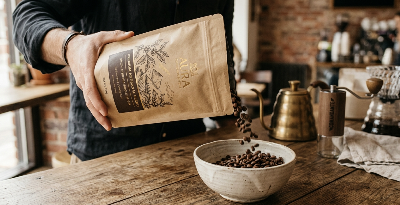
Frequently Asked Questions
How long can coffee beans stay fresh in a kraft pouch with barrier layers?
With a proper multi-layer laminate structure, a one-way degassing valve, and nitrogen flushing at the time of packaging, whole roasted beans can maintain good flavor quality for 6 to 9 months. Ground coffee has a shorter window — typically 3 to 5 months — due to its greater surface area exposure. These timelines assume storage at room temperature, away from direct sunlight and humidity above 60%.
Are kraft-based pouches as protective as full aluminum foil bags?
Traditional all-foil bags still offer marginally better oxygen and light barrier performance in lab conditions. However, modern laminated kraft pouches with aluminum or MOPP inner layers come very close in real-world performance — often within 5-10% on OTR measurements. For most coffee brands with supply chains under 6 months from roast to consumption, the functional difference is negligible while the branding and sustainability advantages of natural paper exteriors are significant.
What size options are available for kraft coffee packaging?
Most manufacturers offer standard sizes ranging from 50g sample pouches up to 2kg bulk bags. Common retail sizes include 250g, 500g, and 1kg formats. Custom dimensions are also possible for brands with unique requirements — such as subscription boxes or gift sets — though minimum order quantities may apply for non-standard sizing.
Can I use kraft pouches for both whole bean and ground coffee?
Yes, but the barrier specifications should differ. Ground coffee has significantly more exposed surface area, which accelerates oxidation. For pre-ground products, opt for a higher-barrier laminate (typically including an aluminum layer) and consider smaller package sizes that consumers will use within 1–2 weeks of opening. Whole bean products are more forgiving and perform well with standard multi-layer constructions.
What is the typical minimum order quantity for custom-printed pouches?
MOQs vary by supplier, but most flexible packaging manufacturers set minimums between 5,000 and 10,000 units for fully custom-printed orders. Some suppliers, including YLTPACK, offer lower MOQs for stock-size pouches with digital printing, which is ideal for small roasters testing new blends or limited-edition releases. For large-volume orders, per-unit costs decrease substantially — making bulk purchasing more economical for established brands with predictable demand.
Get in touch:
WhatsApp: +86 182 1944 5665
Email: [email protected]