Quick Answer: What Is a Side Gusset Bag?
A side gusset bag is a packaging pouch with expandable folds on both left and right sides. Those folds open up when the bag is filled, giving it a squared, box-like shape that stands or stacks neatly. It's the classic style you've likely held while pouring your morning brew.
In short, this design turns a flat pouch into a three-dimensional container that holds more product, presents a wide branding panel, and ships efficiently. Now let's unpack why so many brands reach for it.
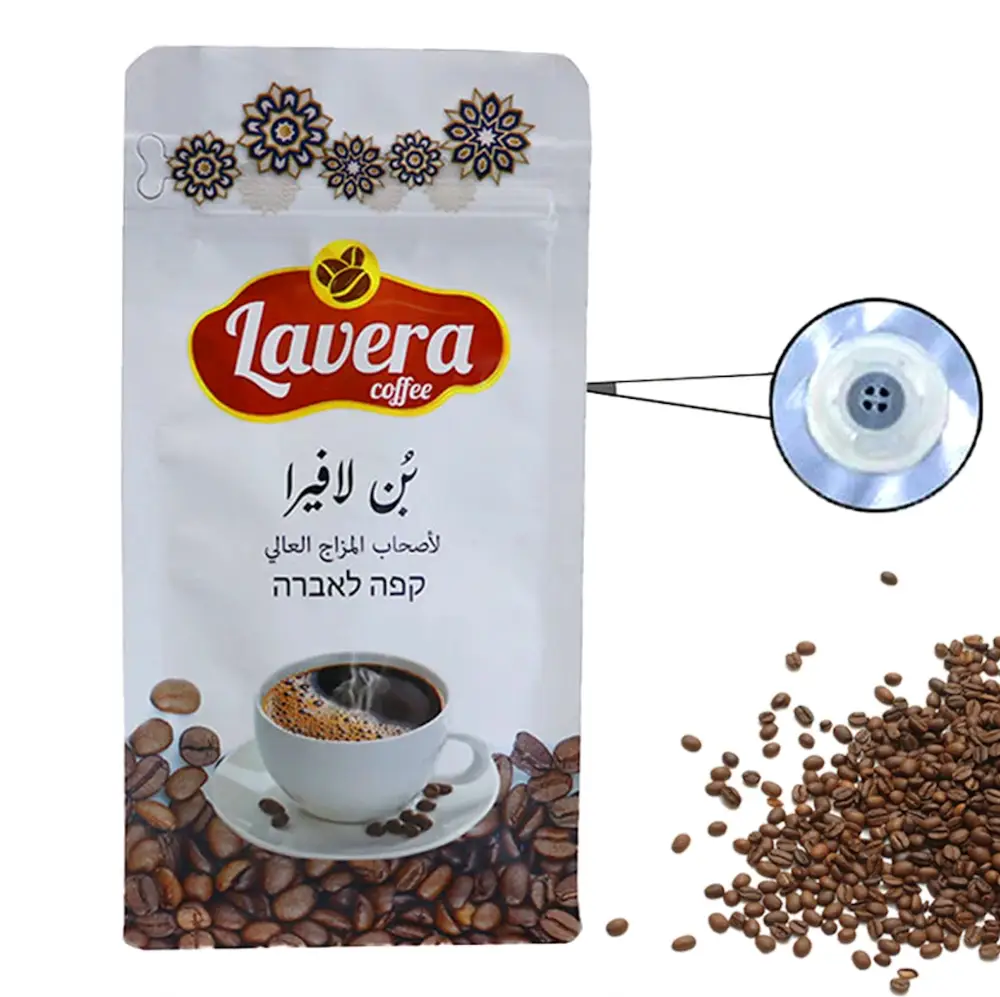
What Does This Bag Actually Look Like?
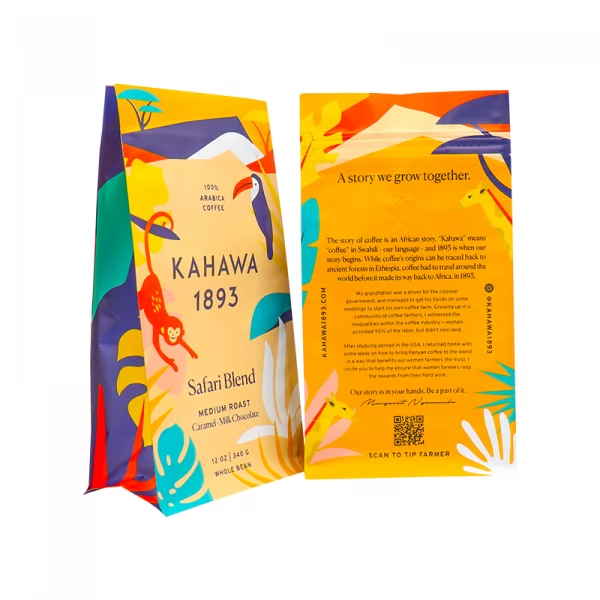
Picture a rectangular pouch. The front and back are your main print surfaces. Then the two vertical sides tuck inward like an accordion. When empty, the pouch lies almost flat. When packed, those pleats expand and the base widens.
Most versions include a top that can be heat-sealed after filling, or fitted with a tin-tie, zipper, or one-way degassing valve. That valve detail matters a lot for fresh products, and we'll get to it shortly.
If you're wondering what does a side gusset bag look like in a lineup of other pouches, it's the tall, narrow one with crisp folded edges and a proud, upright stance on the shelf.
What Is a Side Gusset Bag Used For?
The short version: anything that benefits from volume, freshness protection, and shelf presence. Understanding what is a side gusset bag used for helps you decide if it fits your product line.
- Coffee and tea — the top category, thanks to aroma retention and valve compatibility.
- Snacks and dry foods — nuts, granola, chips, and pet treats.
- Powders — protein blends, baking mixes, and drink powders.
- Non-food goods — detergent pods, seeds, and specialty hardware.
Working with brands across North America, we've found the winners tend to be products where scent, crunch, or moisture control drives repeat purchases.
Why Coffee Roasters Love This Format
Coffee is a living product. It off-gasses carbon dioxide for days after roasting, and it hates oxygen. A well-built pouch pairs a high oxygen barrier film with a one-way valve, so CO2 escapes while air stays out.
That combination locks in the volatile aromatic compounds that make a fresh cup smell incredible. For side gusset coffee bag packaging, this is the whole game: protect the aroma, extend shelf life, and let the customer's nose sell the next bag.
Because we hold FDA and ISO 22000 certifications, we typically recommend food-grade barrier structures rated for direct contact with roasted beans and ground coffee.
The Real Benefits Behind the Shape
The folded-side construction isn't just aesthetic. It solves practical problems that flat pouches struggle with.
| Benefit | Why It Matters | Who Gains Most |
|---|---|---|
| Higher volume | Expanding sides hold more product per bag footprint | Bulk coffee, snacks |
| Stacking stability | Squared base resists tipping on shelves | Retail brands |
| Print surface | Wide front and back panels for logo and story | New launches |
| Barrier options | Multi-layer films block oxygen, moisture, light | Fresh and sensitive goods |
| Shipping efficiency | Ships flat, saving freight before filling | Cost-conscious buyers |
That last row is easy to overlook. Empty pouches nest flat, so a single carton carries thousands of units. You pay to ship product, not air.
Understanding the Dimensions
Getting size right is where a lot of first orders go sideways. Let's break it down so you order confidently.
The Three Measurements That Matter
Every pouch is defined by width, height, and gusset depth. The gusset is the folded side panel, and its depth determines how much the bag expands.
Here's side gusset bag dimensions explained in plain terms: width and height set the face size, while gusset depth sets the capacity. A deeper fold means more room without a wider front panel.
| Fill Weight | Typical Width | Typical Height | Gusset Depth |
|---|---|---|---|
| 250 g (½ lb) | 80 mm | 230 mm | 45 mm |
| 500 g (1 lb) | 100 mm | 310 mm | 60 mm |
| 1 kg (2 lb) | 130 mm | 380 mm | 80 mm |
These are common reference points, not hard rules. Bean density, fill line, and headspace all shift the final numbers. Our in-house design team often helps brands who arrive with only a rough weight target and no measurements at all.
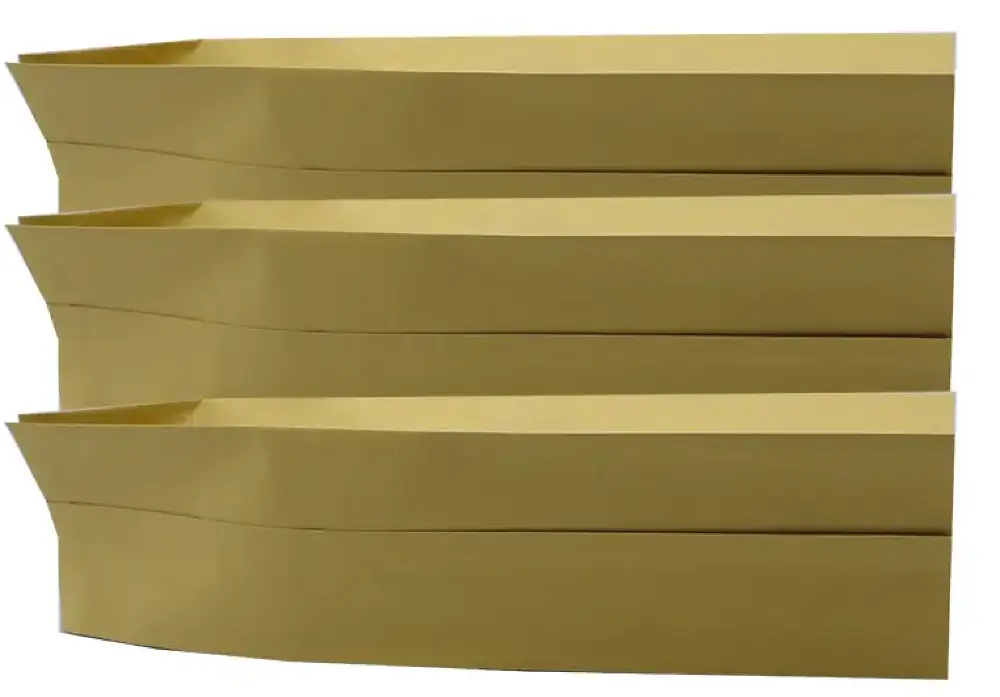
Side Gusset vs. Flat Bottom: Which Wins?
This is the comparison buyers ask about most. The side gusset bag vs flat bottom bag decision usually comes down to budget, shelf goals, and volume.
| Feature | Side Gusset | Flat Bottom (Box Pouch) |
|---|---|---|
| Standing ability | Stands when full | Stands reliably, even partly full |
| Print panels | Front and back | Five panels including sides |
| Shelf look | Classic, tall | Premium, box-like |
| Unit cost | Lower | Higher |
| Best for | Value and volume | Premium positioning |
If you want the lowest cost per unit and a familiar coffee aesthetic, the gusseted style is hard to beat. If you're chasing a boutique, boxy presence with more print real estate, the flat bottom earns its higher price.
Neither is universally better. It depends on where your product sits and how it's displayed.
How to Choose the Right Pouch for Your Brand
Let's turn all this into a decision you can actually make. Run through this checklist before you request a quote.
Your Pre-Order Checklist
- Product type — Is it sensitive to oxygen, moisture, or light?
- Fill weight — Know your target grams, and factor in headspace.
- Closure — Zipper for resealing, tin-tie for a rustic look, valve for coffee.
- Material — Barrier film for freshness, or recyclable and compostable options for eco goals.
- Finish — Matte reads premium; gloss pops on the shelf.
- Order quantity — Custom printing has minimums, so plan runs accordingly.
Don't Overlook Sustainability
Shoppers increasingly read the back of the bag. Recyclable mono-material films and certified compostable structures are now realistic without sacrificing much barrier performance. As a manufacturer that has produced packaging for 20+ years, we've watched this shift accelerate, especially among newer specialty brands.
We also hold GRS certification for recycled content, so if a sustainability claim is part of your story, it can be backed by traceable materials.
Where Quality Is Won or Lost
The difference between a pouch that seals perfectly and one that leaks often comes down to film consistency and a clean production environment. In our 6,800 m² cleanroom facility, food-contact packaging is produced under controlled conditions that keep contamination and seal defects low.
A common early mistake we see is ordering artwork before confirming the physical size. Print and structure should be designed together, not in sequence.
Getting Your Design Right
Your front panel has about three seconds to earn a pickup. Use it well.
- Lead with the product name and origin or flavor.
- Keep certifications and claims scannable, not crowded.
- Reserve the back panel for your story, brew notes, or ingredients.
If you only have a logo and a vague idea, that's a fine starting point. YLTPACK's design team regularly builds full artwork from a simple brief, matching color profiles to the exact film and finish you choose.
Bringing It All Together
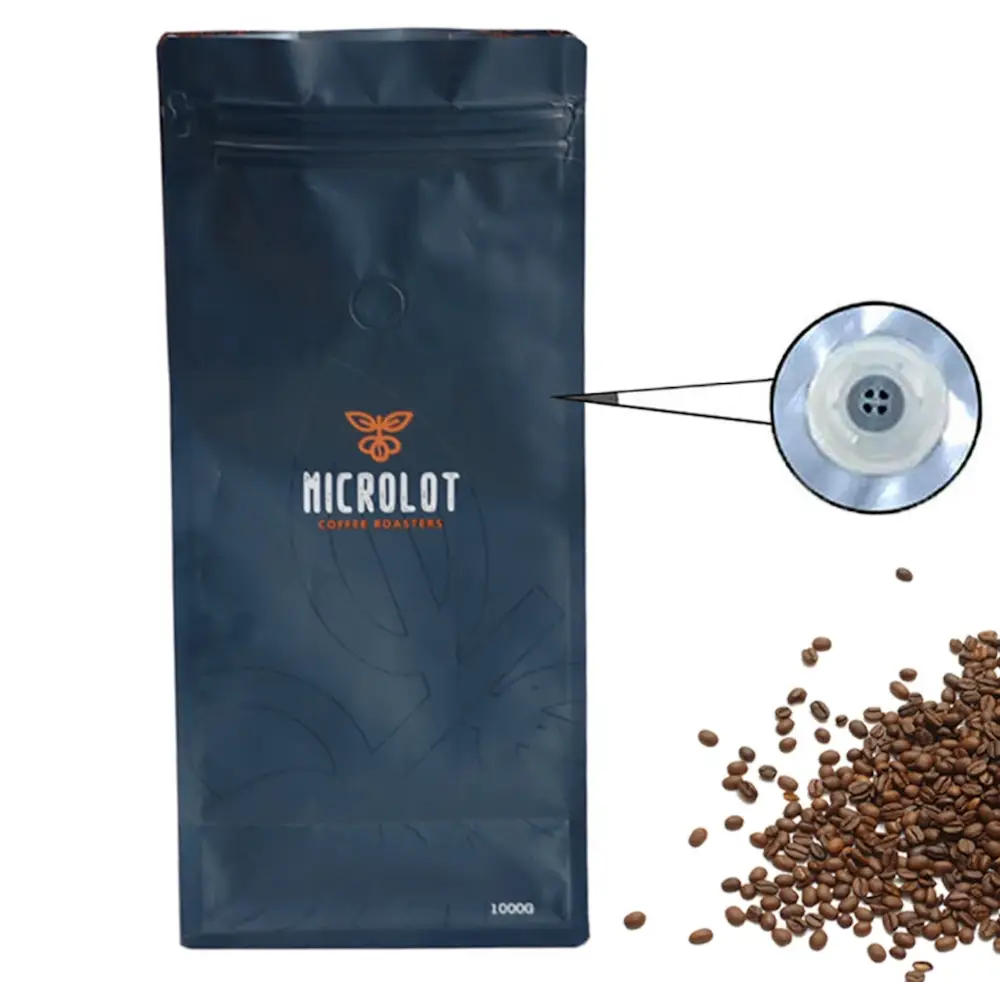
The gusseted pouch endures because it balances capacity, protection, presentation, and shipping cost better than almost any other flexible format. For coffee especially, the valve-and-barrier combination keeps freshness locked in from roast day to the first pour.
Start with your product's needs, confirm your dimensions, then pick a closure and material that match your brand promise. Get those three right and the rest follows.
When you're ready to spec a custom run, YLTPACK can walk you through film structures, sizing, and artwork with samples before you commit. Reach the team on WhatsApp at +86 182 1944 5665 or email [email protected], and we'll help you match the right pouch to your product.
Frequently Asked Questions
Can these pouches be resealed after opening?
Yes. Add a press-to-close zipper or a tin-tie near the top, and customers can reseal between uses. Zippers suit snacks and powders; tin-ties give coffee that traditional, fold-over look while still keeping air out reasonably well.
Are the folded panels good for printing too?
They can carry small details like a barcode, batch code, or a short tagline, but they're narrow. Treat the front and back as your primary canvas and use the sides for supporting information rather than key branding.
Do I need a degassing valve for coffee?
For freshly roasted beans, yes. Roasted coffee releases carbon dioxide for days, and without a one-way valve the pouch can swell or burst. The valve lets gas out while blocking oxygen from getting in, protecting flavor and shelf life.
What order quantities are typical for custom printing?
Custom-printed runs carry minimums because of plate and setup steps, though digital printing has lowered the entry point for smaller launches. Share your target volume and we'll advise the most cost-effective method for your run size.
How long does production usually take?
After artwork approval, custom orders commonly take a few weeks depending on materials, finishes, and quantity. Rush timelines are sometimes possible. Confirming your files and dimensions early is the single biggest way to keep the schedule on track.