Quick Answer: Which Side Gusset Bag Size Should You Pick?
If you roast whole beans or grind on demand, match your bag to your fill weight first. The most common formats hold 250g, 500g, and 1kg, and each has a standard footprint that keeps beans fresh without wasting film. When people search for side gusset coffee bag sizes, they usually want a clear starting point, so here it is: 250g bags run roughly 90×250mm with a 60mm gusset, 500g sit around 105×310mm, and 1kg formats stretch to about 130×410mm.
That's the shortcut. Below, we'll unpack how to fine-tune those numbers for your specific bean density, why the material stack matters more than most brands expect, and how the little valve on the front actually protects your aroma.

Why the Side Gusset Style Wins for Coffee
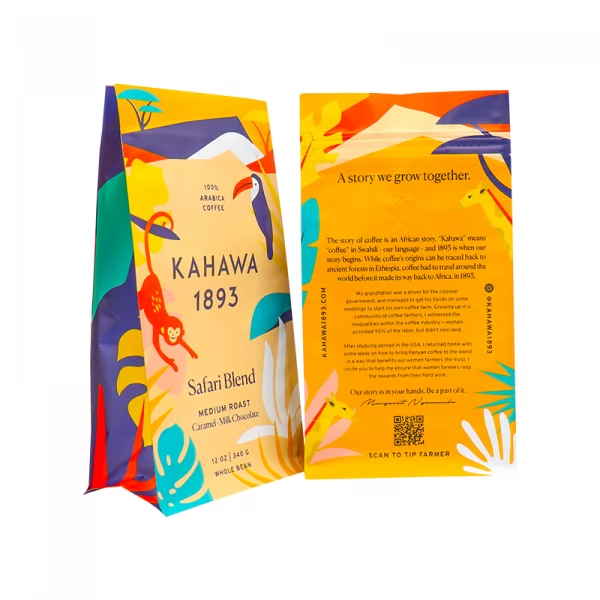
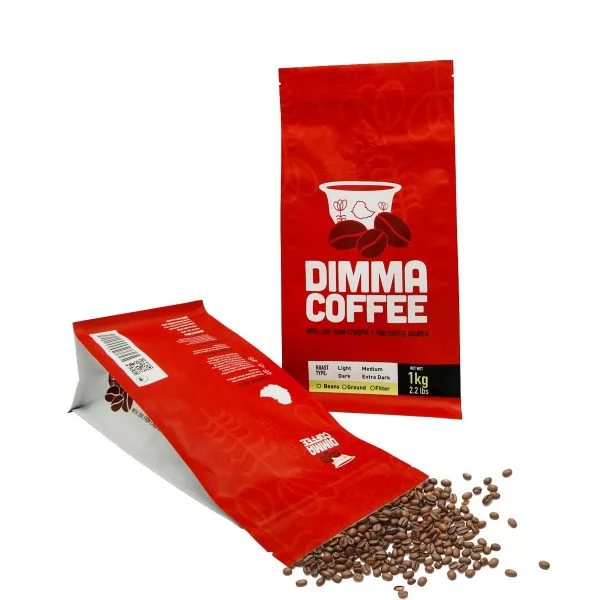
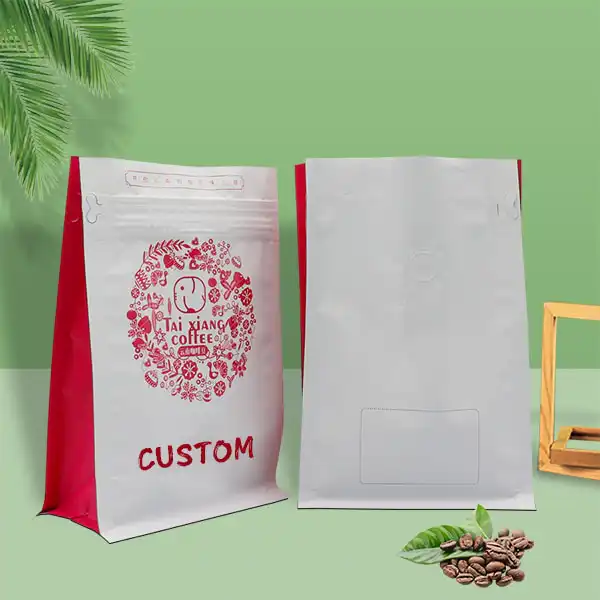
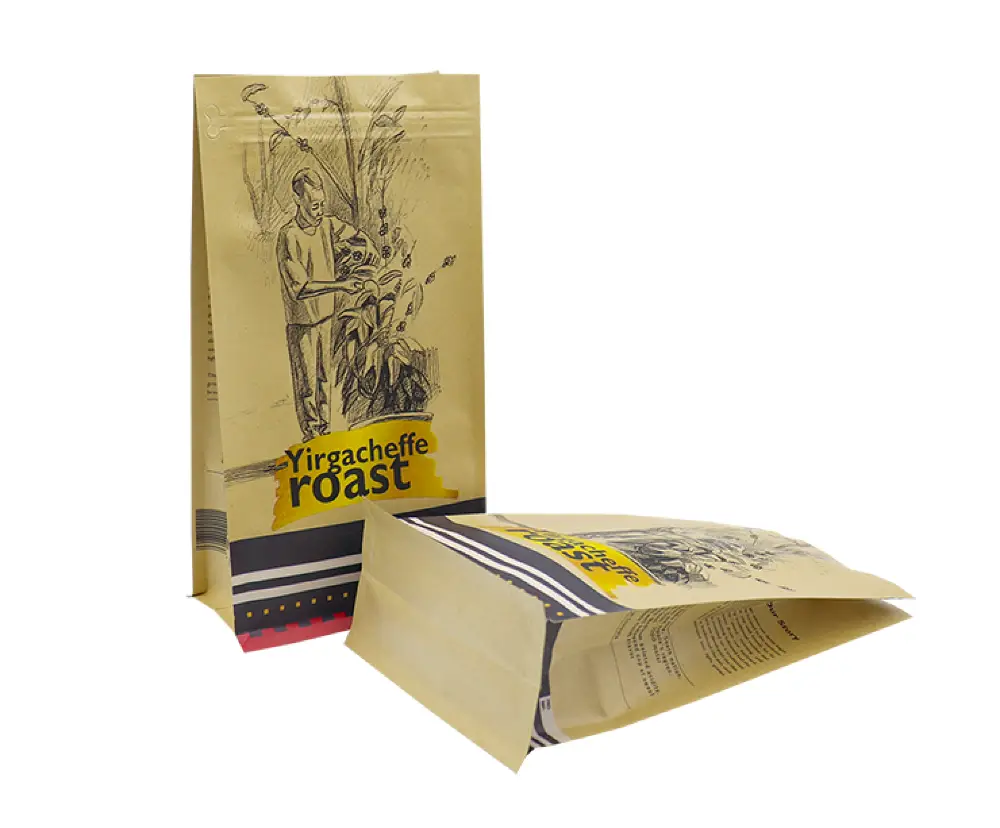
The pinched folds on both sides of the pouch aren't just a look. They let a flat bag expand into a box-like shape when filled, which means it stands tidy on a shelf and stacks cleanly in a shipping carton.
For coffee specifically, that expanding profile does something useful. It gives whole beans room to settle without stressing the seals, and it presents a broad front and back panel for your branding.
Working with brands across North America, we've found the most common mistake is choosing a bag by eye rather than by fill weight. A bag that looks right empty can slump or bulge once beans go in, and that small miss shows up on every shelf you sell into.
Sizing by Fill Weight: A Practical Reference
Bean density changes everything. Light-roasted, dense beans pack tighter than dark, oily, puffed-up roasts, so two brands filling the "same" 340g bag might need different dimensions. Still, standard footprints give you a reliable baseline before you customize.
Here's a side gusset coffee bag sizes chart our design team uses as a starting point during quoting. Measurements are width × height × gusset in millimeters.
| Fill Weight | Typical Dimensions (W × H × Gusset) | Best For |
|---|---|---|
| 100g | 70 × 205 × 40 mm | Samples, single-origin trials |
| 250g | 90 × 250 × 60 mm | Retail whole bean, subscriptions |
| 340g (12oz) | 95 × 270 × 65 mm | North American retail standard |
| 500g | 105 × 310 × 70 mm | Café retail, gifting sets |
| 1kg | 130 × 410 × 85 mm | Wholesale, café supply |
| 2kg+ | 150 × 480 × 100 mm | Bulk roastery formats |
Treat these as anchors, not rules. If your roast profile skews dark and airy, size up slightly so the bag doesn't strain at the seams.
250g side gusset coffee bag dimensions explained
The 250g format is the workhorse of specialty coffee retail. At roughly 90×250mm with a 60mm gusset, it holds a quarter kilo of whole beans with a small headspace for the aroma to breathe.
That headspace matters. Pack a bag to the brim and the valve struggles to release CO2 evenly, which can lead to uneven pressure and a puffy, awkward shape on the shelf.
1kg side gusset coffee bag size for wholesale
When you supply cafés or sell to serious home brewers, the 1kg format earns its place. Around 130×410mm, it balances a generous fill with a footprint that still fits standard shipping cartons in even rows.
The wider gusset here, near 85mm, is what keeps a full kilo standing upright instead of toppling. Skimp on gusset width and your heaviest bags become your least stable ones.
How to Measure Correctly (So Your Beans Actually Fit)
Dimensions on a spec sheet describe the empty, flat pouch. Once beans go in, the gusset opens and the usable height shrinks. This is the gap that trips up first-time buyers.
A quick way to sanity-check before you commit:
- Weigh a sample of your actual beans, not a generic estimate.
- Account for headspace of about 15 to 20 percent for CO2 release.
- Confirm the filled height leaves room for a clean top seal or tin tie.
- Request a physical sample and fill it yourself before ordering in volume.
Our in-house design team often helps brands who only have a rough idea of their fill weight, translating a bean sample into exact measurements. That single step prevents the most expensive reprints.
Materials: The Layers Doing the Real Work
The shape sells the bag, but the film keeps the coffee good. Freshly roasted beans release CO2 for days and are vulnerable to oxygen, light, and moisture the entire time they sit on a shelf.
A strong oxygen barrier is the single most important property for aroma retention. Oxygen is what turns bright, complex coffee into flat, stale coffee, so the material stack is where flavor is won or lost.
Common material structures
| Structure | Barrier Level | Look | Typical Use |
|---|---|---|---|
| Kraft + PE + Foil | High | Natural, matte | Artisan, eco-forward brands |
| PET + AL + PE | Very High | Glossy or matte | Long shelf-life retail |
| PET + VMPET + PE | High | Metallic sheen | Cost-conscious retail |
| Recyclable mono-PE | Medium-High | Clean, modern | Sustainability-led brands |
| Compostable (PLA/Kraft) | Medium | Earthy | Short turnover, local sales |
Because we hold FDA and ISO 22000 certifications, we recommend matching the barrier to your real shelf life, not just your aesthetic. A gorgeous compostable bag that stales your beans in three weeks isn't a win for anyone.
Sustainability is a genuine draw right now. Recyclable mono-material and compostable options have matured a lot, and by 2026 they hold aroma far better than the early versions did. Just confirm the barrier data before you switch.
The Degassing Valve: Small Part, Big Job
That little button on the front of a coffee bag is a one-way degassing valve. It lets CO2 escape from freshly roasted beans while blocking oxygen from getting in. Without it, sealed bags puff up and can burst.
Not every bag needs one. If you rest your beans before packing, or sell them fast, you have options.
Valve options at a glance
- External valve: The classic round valve, easy to spot and reliable for pre-degassing needs.
- Internal valve: Sits flush for a cleaner front panel, popular with minimalist branding.
- No valve: Suitable for ground coffee that has already released most of its gas, or fast-turnover products.
- Valve position: Usually centered or upper-front, but placement can shift to protect your logo area.
As a manufacturer that has produced packaging for over 20 years, we've seen brands assume a valve is always required. For rested or ground coffee, skipping it can simplify your bag without any downside.
Closure and Finishing Choices
How the top closes shapes both the customer experience and your fill line. Each option has a trade-off worth knowing before you decide.
| Closure | Reseal? | Feel | Notes |
|---|---|---|---|
| Tin tie | Partial | Rustic, craft | Fold-down look, quick to close |
| Zipper (press-to-close) | Yes | Modern retail | Great for whole bean freshness |
| Heat seal only | No | Clean, sealed | Best barrier, single use |
| Pocket zipper | Yes | Premium | Hidden, tidy top edge |
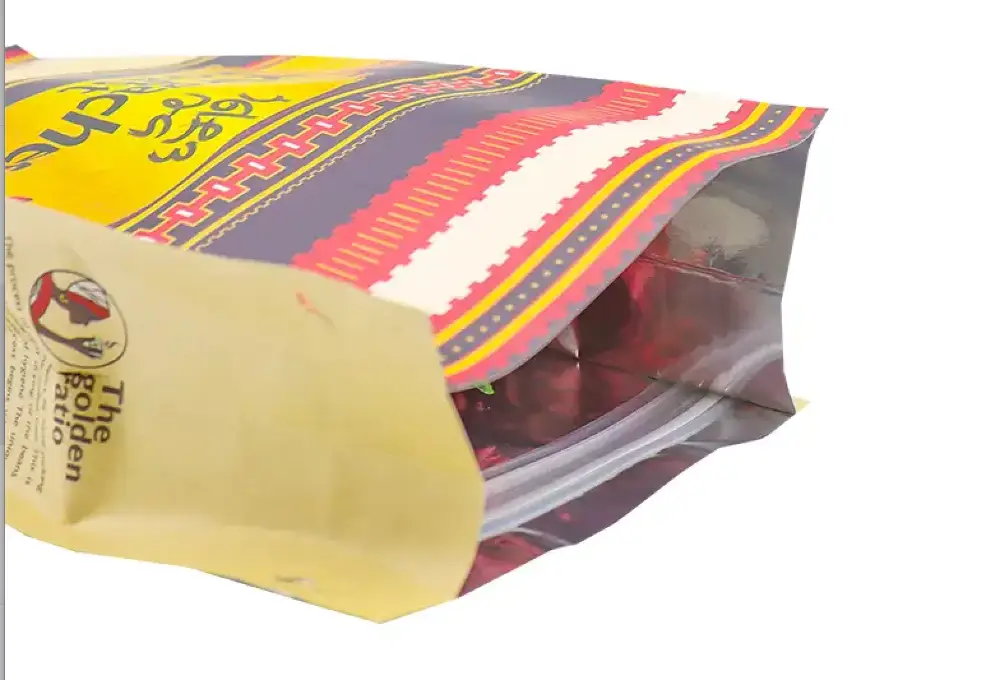
Finishing touches like matte lamination, spot gloss, or soft-touch coating change how the bag feels in hand. For coffee, tactile finishes tend to reinforce the sense of a considered, high-quality product.
Custom Sizing: When Standards Aren't Enough
Standard footprints cover most needs, but a distinctive bag can set you apart on a crowded shelf. If your fill weight is unusual, or you want a taller, slimmer silhouette, custom side gusset coffee bag sizes let you shape the bag around your brand rather than the other way around.
A few things to weigh before going custom:
- Minimum order quantities usually rise as complexity grows.
- Custom dies and printing plates have one-time setup steps.
- Slightly non-standard sizes can still ship in existing cartons if planned early.
In our 6,800㎡ cleanroom facility, custom dimensions and printing run to the same food-safety standards as our stock formats. That consistency matters when you're building a shelf presence you want to repeat, order after order.
Matching the Bag to Your Sales Channel
Where you sell should influence what you order. A subscription brand shipping direct has different priorities than a café supplying wholesale.
Use this quick side gusset coffee bag size guide by channel to point yourself in the right direction:
| Channel | Suggested Size | Priority |
|---|---|---|
| Online subscription | 250g / 340g | Ship-friendly, resealable |
| Grocery retail | 250g / 500g | Shelf stability, branding |
| Café wholesale | 1kg | Value per unit, stacking |
| Gifting / seasonal | 100g / 250g | Look and unboxing feel |
Retail shelves reward stability and a clean face for your logo. Direct shipping rewards a bag that survives a mailer and reseals so the second cup tastes as good as the first.
Common Mistakes We See Brands Make
A few patterns come up again and again. Catching them early saves reprints, wasted film, and unhappy customers.
- Ordering by look, not weight: Always fill a sample before committing to volume.
- Ignoring bean density: Dark, oily roasts need more room than dense light roasts.
- Over-prioritizing looks over barrier: A beautiful bag that stales coffee costs you repeat sales.
- Forgetting the valve match: Freshly roasted beans need degassing; rested or ground coffee may not.
- Skipping shipping fit: Confirm your bag stacks cleanly in your cartons before you scale.
None of these are hard to avoid once you know to look for them. The trick is deciding before you print, not after.
How to Brief a Manufacturer the Right Way
The smoother your brief, the faster you get an accurate quote and a bag that fits the first time. Bring these details to the conversation:
- Your fill weight and a bean sample if possible.
- Target shelf life and sales channel.
- Material preference, including any sustainability goals.
- Valve, closure, and finish choices.
- Estimated volume and any deadline.
If you're missing pieces, that's normal for a growing brand. A good partner fills the gaps with you rather than pushing a stock answer. You can reach the YLTPACK team on WhatsApp at +86 182 1944 5665 or by email at [email protected] to talk through samples and specs.
Final Thoughts
Choosing the right coffee pouch comes down to three linked decisions: the fill weight that sets your dimensions, the material stack that guards your aroma, and the valve that manages fresh-roast gas. Get those three aligned and the bag more or less designs itself.
Start with your beans, not the bag. Weigh them, respect their density, and choose a footprint with a little breathing room. From there, layer in the barrier and finishing that fit your shelf life and your brand story.
With more than two decades shaping pouches for roasters, our team is happy to sanity-check your numbers before you print. A short conversation now beats a reprint later.
Frequently Asked Questions
What is the most popular coffee bag size for retail?
The 250g and 12oz (340g) formats dominate specialty retail shelves. They hold a satisfying amount of whole beans, ship affordably, and give your branding a clear front panel. If you're launching a retail line, one of these is usually the safest first order.
Do all coffee bags need a degassing valve?
No. Freshly roasted whole beans release CO2 and benefit from a valve to prevent puffing or bursting. If you rest your beans before packing, or sell ground coffee that has already off-gassed, you can often skip the valve and enjoy a cleaner front panel.
How do I keep coffee fresh in the bag longer?
Prioritize a strong oxygen barrier, add a degassing valve for fresh roasts, and choose a resealable closure like a press-to-close zipper. Leaving roughly 15 to 20 percent headspace also helps the valve manage pressure evenly, protecting aroma over the whole shelf life.
Can I get a size that isn't on the standard chart?
Yes. Custom dimensions let you tailor the bag to an unusual fill weight or a distinctive silhouette. There may be one-time setup steps for custom dies and plates, so it's worth planning your volume and carton fit early. Our design team can translate a bean sample into exact measurements.
Are sustainable coffee bags as effective as traditional ones?
They've come a long way. Recyclable mono-material and compostable options now hold aroma far better than early versions, though barrier levels still vary. Match the material to your real shelf life and confirm the barrier data. For fast-turnover local sales, greener options work well; for long shelf life, verify the numbers first.