Why Packaging Material Quietly Decides How Good Your Coffee Tastes
If you're a brand owner or buyer comparing suppliers, this guide walks you through the real trade-offs. No jargon, no fluff—just the practical knowledge you need to make a confident decision.
What Actually Damages Coffee Inside a Bag?
Before we compare materials, let's name the four enemies. Understanding these makes every material choice obvious.
- Oxygen: Triggers oxidation that strips away aroma compounds within days.
- Light: UV exposure breaks down delicate oils, especially in medium roast coffee.
- Moisture: Causes clumping and accelerates staleness.
- CO2 buildup: Fresh roasts release gas that needs somewhere to escape.
The best packaging blocks the first three while managing the fourth. That balancing act is exactly why material selection gets tricky.
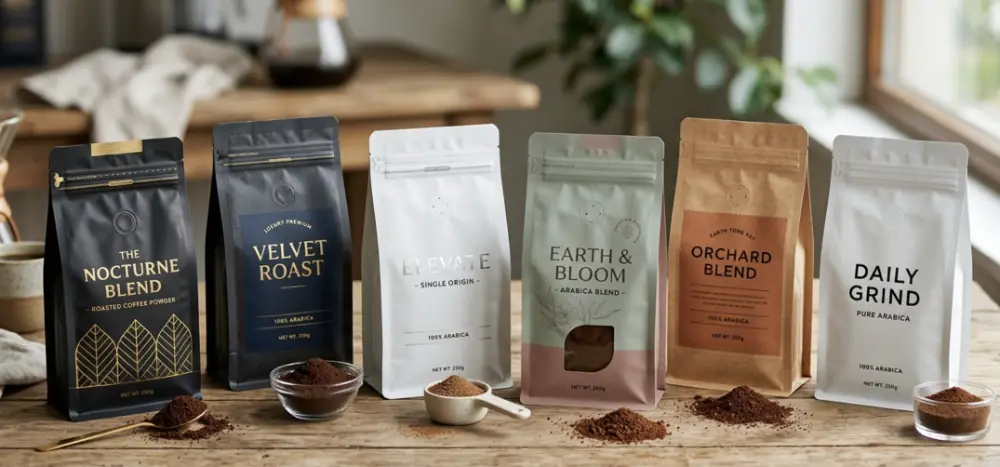
The Main Materials Compared
Most coffee pouches are made from layered films rather than a single material. Each layer does a job—barrier, strength, or sealability. Here's how the popular options stack up.
| Material | Oxygen Barrier | Light Protection | Recyclability | Best For |
|---|---|---|---|---|
| Kraft paper + foil liner | Excellent | Excellent | Limited | Premium retail look |
| Metalized PET (MPET) | Very good | Very good | Limited | Cost-conscious brands |
| Clear PET/PE laminate | Moderate | Poor | Moderate | Showing product visually |
| Recyclable mono-material PE | Good (with coating) | Moderate | High | Eco-focused lines |
| Compostable PLA/kraft | Moderate | Good | Compostable | Sustainability claims |
Foil-Lined Kraft: The Classic Workhorse
If you want the strongest defense against staleness, a kraft exterior with an aluminum foil layer is hard to beat. The foil creates a near-total barrier against air and light. As a manufacturer that has produced packaging for 20+ years, we still recommend this build for roasters who prioritize shelf life above everything else.
Metalized Films: Lighter and Flexible
Metalized PET mimics foil's shine at a lower weight. It performs well for products with moderate turnover, though it doesn't quite match true foil for long-term protection. It's a smart middle ground for many growing brands.
Recyclable and Compostable Options
Sustainability is no longer optional. A 2025 consumer survey found that over 60% of coffee buyers consider packaging recyclability before purchasing. Mono-material PE and compostable laminates have improved dramatically, though their barrier properties still require careful coating choices.
Do You Need a One-Way Valve?
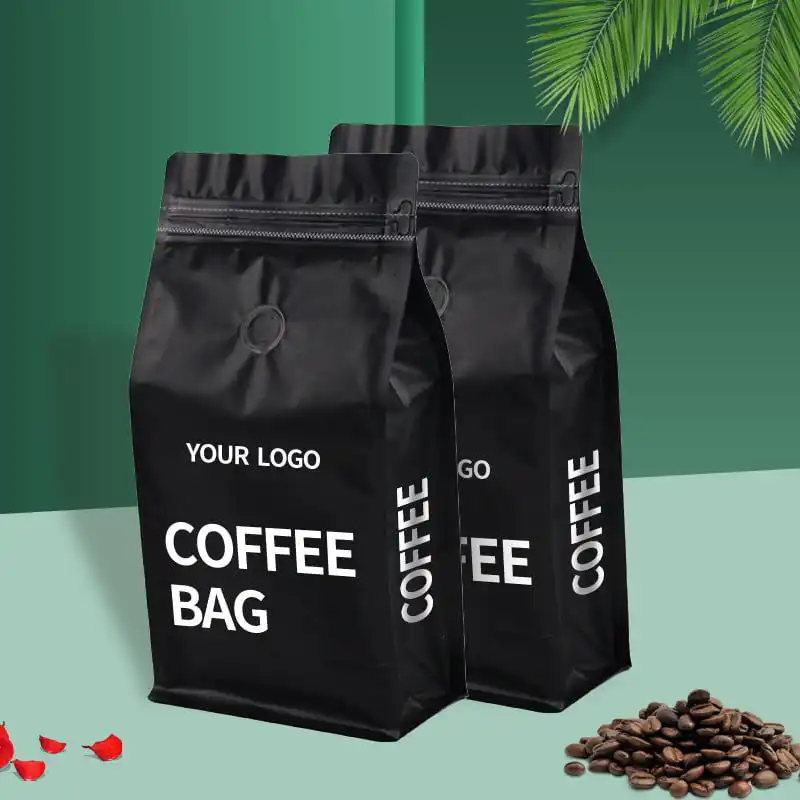
Freshly roasted beans release carbon dioxide for days after roasting. Seal them in an airtight pouch with no escape, and you risk a swollen or burst bag. A degassing valve lets CO2 out without letting oxygen in.
For anyone packaging fresh roasted coffee, this small component is non-negotiable. Working with brands across North America, we've found that the most common mistake is skipping the valve to save a few cents—then dealing with returns from puffed-up pouches.
Resealability: A Feature Customers Actually Notice
Once a pouch is opened, the clock starts ticking. A resealable bag of ground coffee for freshness keeps the contents protected between uses, and shoppers genuinely appreciate the convenience.
- Press-to-close zippers: Affordable and familiar.
- Slider zippers: Feel premium, easier for older hands.
- Tin-tie closures: Pair beautifully with a kraft, artisanal look.
Because we hold FDA and ISO 22000 certifications, we test closure integrity to confirm seals hold up through repeated opening without leaking aroma.
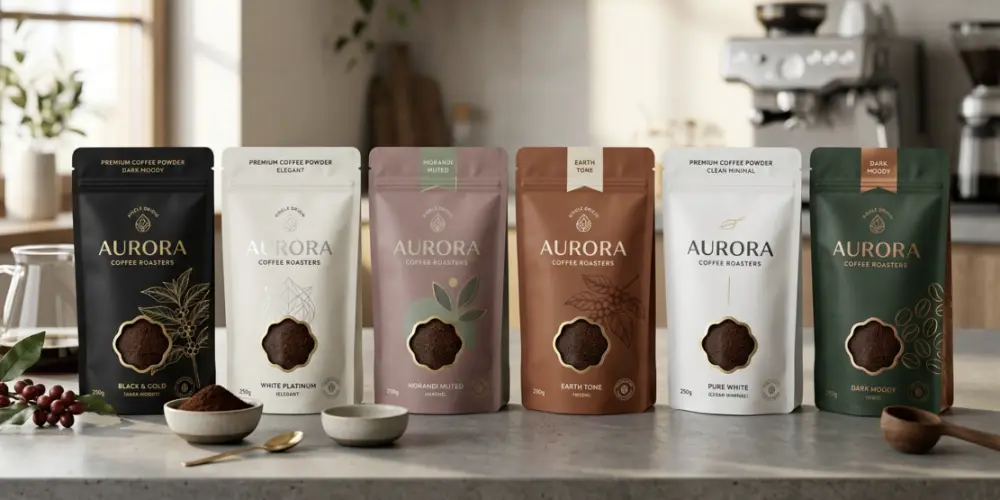
Pouch Formats and What They Signal
The shape of your packaging shapes how customers perceive the product on the shelf.
Stand-Up Pouches
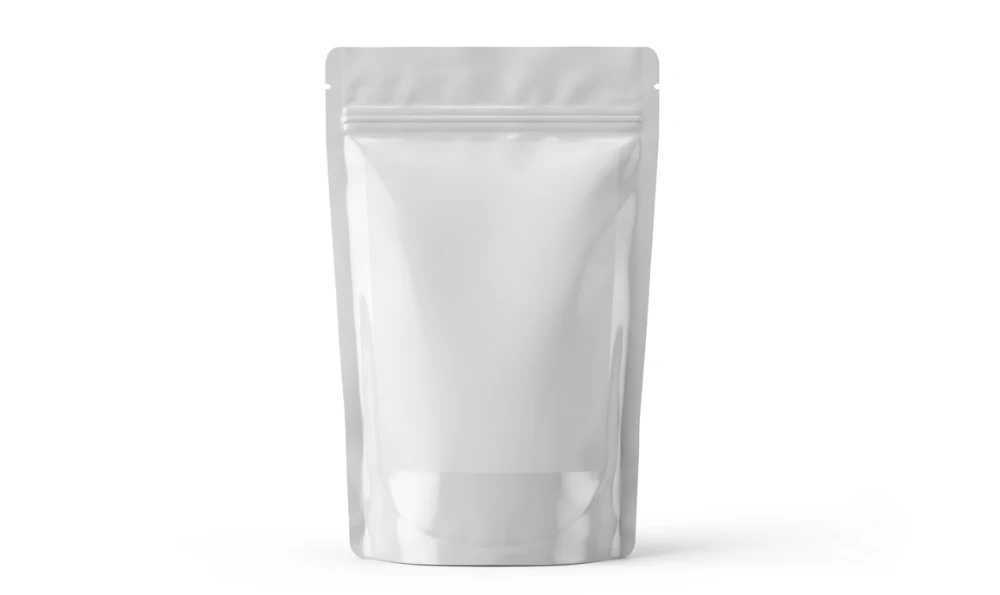
These dominate retail shelves because they stand tall, display branding clearly, and stack neatly. They're a reliable default for the best bag of ground coffee for daily brewing sold in grocery aisles.
Flat-Bottom (Box) Pouches
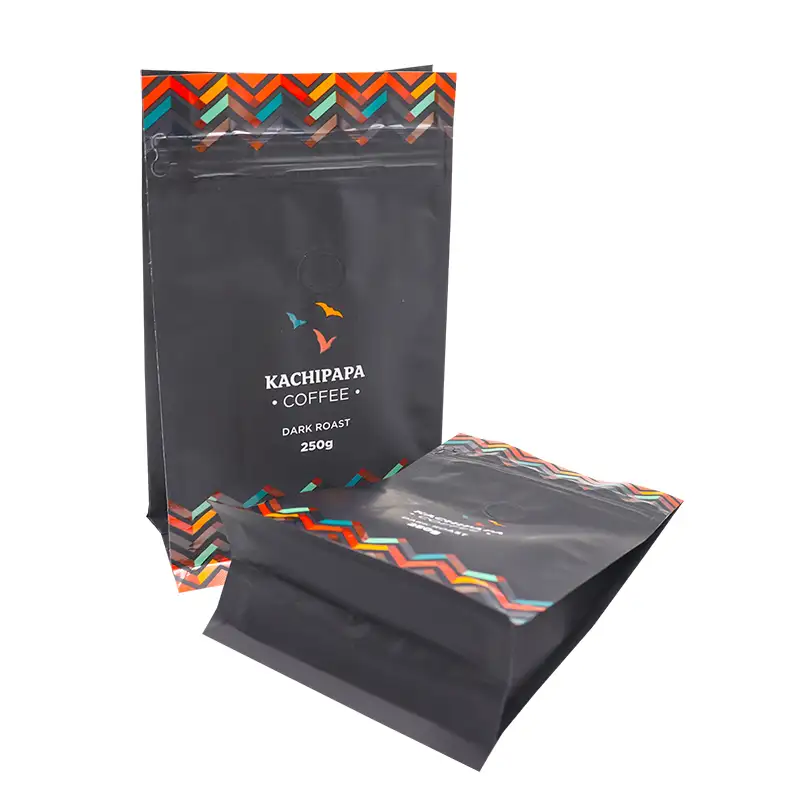
With five printable panels and excellent shelf stability, these communicate a premium feel. They cost more to produce but earn back attention through presence.
Side-Gusset Bags
The traditional coffee shape, often paired with a tin-tie. They suit heritage and craft positioning well.
Sizing: How Much Coffee Goes in Each Bag?
Choosing the right pouch volume affects both cost and customer experience. A common question we hear is how many cups in a 12 oz bag of ground coffee—roughly 24 to 30 cups, depending on brew strength. That gives most households about two weeks of mornings.
For larger orders, a bulk bag of ground coffee for office use typically ranges from 2 to 5 pounds, designed for high-volume brewers and break rooms.
| Bag Size | Approx. Cups | Ideal Use |
|---|---|---|
| 8 oz | 16–20 | Sampler / single household |
| 12 oz | 24–30 | Standard retail |
| 2 lb | 64–80 | Frequent drinkers |
| 5 lb | 160–200 | Offices & cafés |
Storage Tips Worth Sharing With Your Customers
Great packaging only works if customers use it right. Printing simple guidance on the back panel builds trust and reduces complaints.
Wondering how to store an opened bag of ground coffee? Press out excess air, reseal the zipper, and keep it in a cool, dark cabinet—never the fridge, where moisture and odors creep in. Coffee grounds stay freshest away from heat and humidity.
Printing and Branding That Sells
Material choice and design go hand in hand. Matte finishes feel artisanal; gloss pops on a crowded shelf. Our in-house design team often helps brands who only have a rough idea, turning sketches into print-ready files that match the chosen film.
For smaller startups testing a market, digital printing keeps low quantities feasible without compromising quality.
Matching Material to Your Business Goals
There's no single winner—only the right fit for your priorities. Use this quick checklist:
- Longest shelf life? Foil-lined kraft with a valve.
- Eco positioning? Recyclable mono-material or compostable laminate.
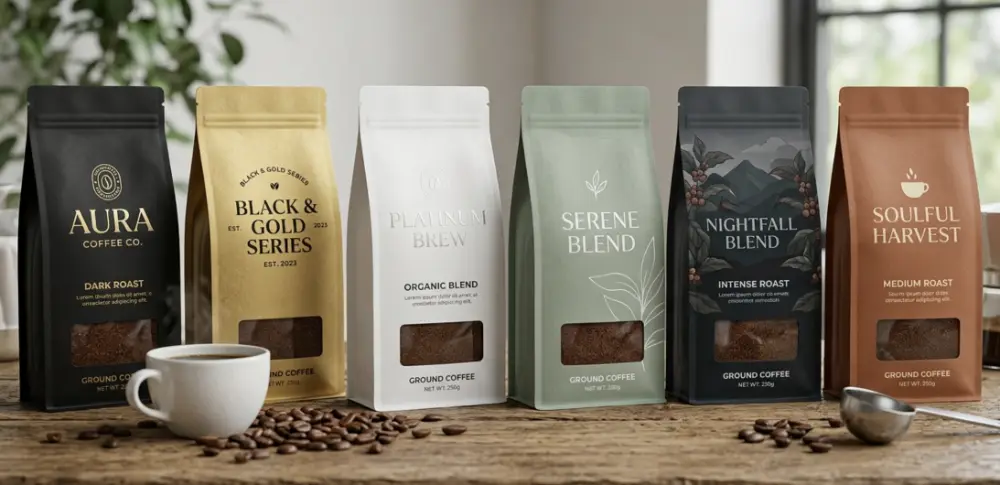
- Show the product? A clear window panel paired with a barrier back.
- Tight launch budget? Metalized PET stand-up pouches.
Whether you sell whole bean coffee, a signature ground coffee blend, or both, the right structure protects flavor and reputation. In our 6,800㎡ cleanroom facility, we produce pouches under hygiene controls that keep food contact safe from the first layer to the last seal.
Ready to Spec Your Perfect Pouch?
The smartest move is to start with a sample. Test a few material builds with your actual roast, check how the aroma holds after two weeks, and let real results guide your decision. That hands-on approach beats guessing every time.
If you'd like guidance tailored to your roast, volume, and brand story, the YLTPACK team is happy to walk through options with you. Reach us on WhatsApp at +86 182 1944 5665 or email [email protected], and we'll help you map material, format, and finish to your goals.
Frequently Asked Questions
Is foil packaging better than recyclable material for coffee?
Foil offers superior barrier protection, but modern recyclable films with quality coatings come close for products with faster turnover. The right pick depends on how long your coffee sits before being consumed and your sustainability commitments.
Why does my coffee pouch puff up after sealing?
That's CO2 from freshly roasted beans. A one-way degassing valve releases the gas while blocking incoming oxygen, preventing the bag from swelling or bursting.
Can I get a window on my coffee bag without losing freshness?
Yes. We combine a small clear panel with a high-barrier back film, so customers see the product while the contents stay protected from light and air.
What's the minimum order for custom coffee pouches?
It varies by format and printing method. Digital printing supports smaller test runs, while larger volumes benefit from other processes. Share your needs and we'll suggest a practical starting point.
How long does coffee stay fresh in a properly sealed bag?
With a foil barrier and a working valve, ground coffee typically stays fresh for several months unopened. Once opened, plan to use it within two to three weeks for the best flavor.