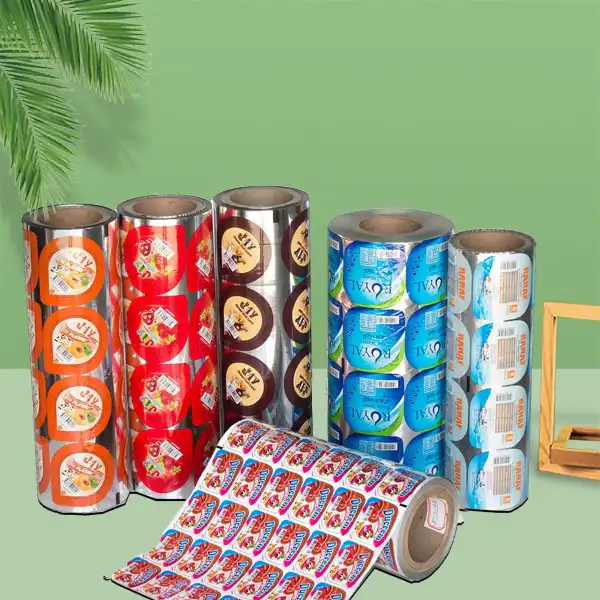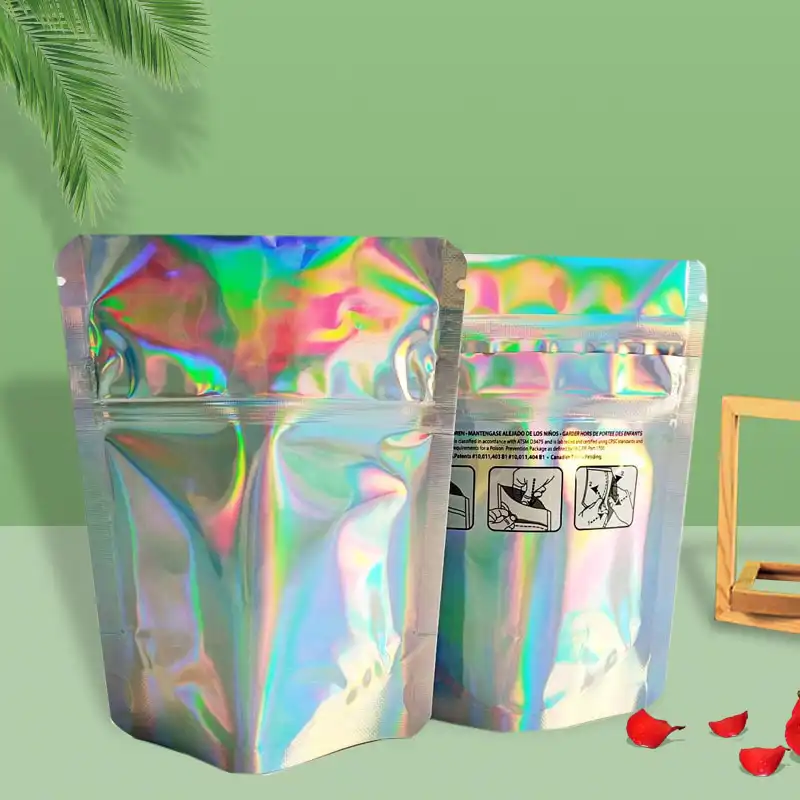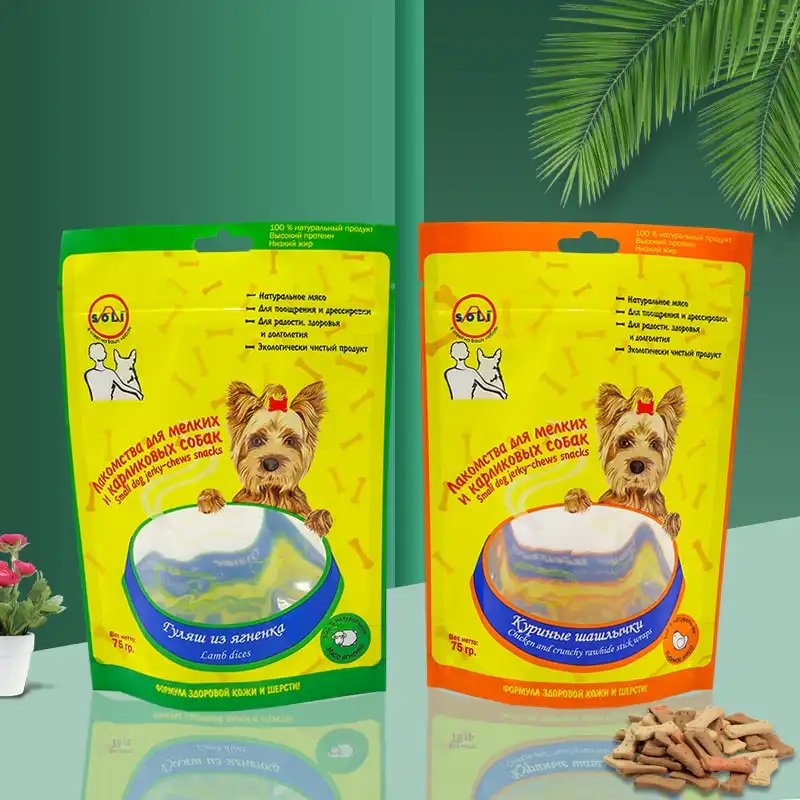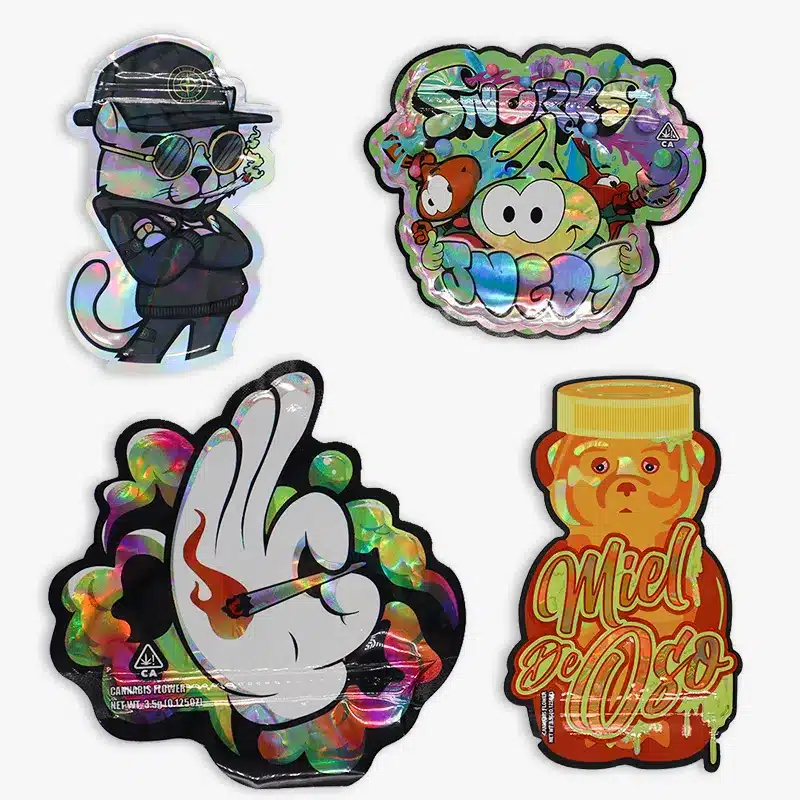
Here's a number that stops most people cold: properly sealed Mylar bags can keep white rice, wheat, and dried beans shelf-stable for decades. That's not a marketing claim — it's a documented result backed by food science and used by everyone from FEMA emergency planners to specialty coffee brands shipping globally.
Demand for Mylar packaging has surged across prepping communities, food manufacturing, and e-commerce. Whether you're storing emergency rations, launching a snack brand, or sourcing mylar pouches wholesale for retail, this guide gives you the data, comparisons, and practical steps to make the right call.
What Are Mylar Bags? Material, Structure & Core Properties
Material Composition
Mylar is the brand name for BoPET (Biaxially-oriented polyethylene terephthalate) — a polyester film manufactured under intense heat and stretch tension to align its molecular structure. The result is a film with exceptional tensile strength and barrier performance.
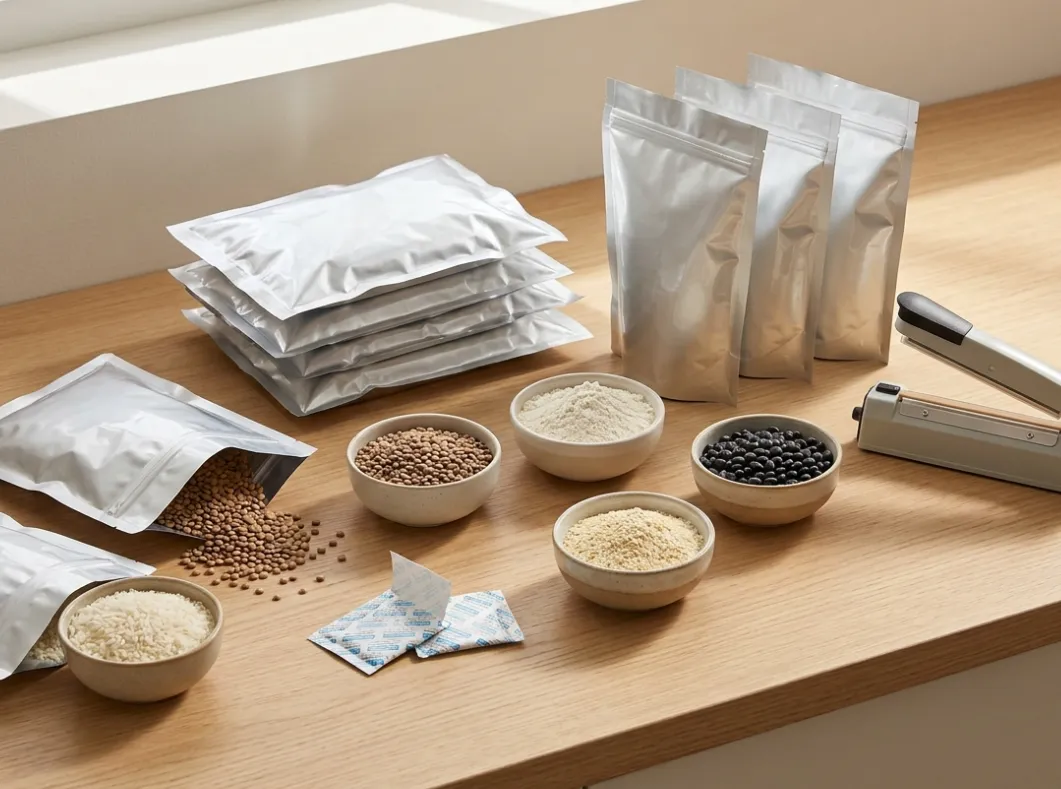
A standard food-grade Mylar bag uses a three-layer laminate: an outer polyester film for durability, a middle aluminum foil layer for barrier performance, and an inner polyethylene (PE) layer that is food-safe and heat-sealable. That aluminum layer is the real differentiator — it blocks oxygen, moisture, and light simultaneously.
| Property | Performance Level |
|---|---|
| Oxygen Transmission Rate | <0.01 cc/m²/day |
| Moisture Barrier | Excellent |
| Light Blocking | 99%+ |
| Puncture Resistance | High |
| Heat-Seal Compatibility | Yes |
Mylar vs. Regular Plastic Bags
A standard Ziploc or vacuum seal bag is single-layer polyethylene or nylon — it lets oxygen and moisture slowly permeate over time. Mylar's aluminum foil core creates a near-impenetrable barrier that plastic simply cannot replicate.
Vacuum seal bags are great for the freezer. But for ambient-temperature, long-term dry storage, a mylar pouch with an oxygen absorber outperforms every plastic alternative on the market.
Types of Mylar Bags: Choosing the Right One
By Thickness (Mil Guide)
Thickness is measured in mil (thousandths of an inch). Thicker bags resist puncture better and are suited for longer storage windows.
| Thickness | Best For | Shelf Life Potential |
|---|---|---|
| 3.5 mil | Short-term snacks, retail display | 1–3 years |
| 5 mil | Grains, dried goods, coffee | 5–10 years |
| 7.5 mil | Long-term emergency food storage | 10–25+ years |
By Closure Type
- Heat-seal bags — Maximum airtight protection; ideal for long-term storage where the bag won't be reopened frequently.
- Ziplock mylar pouch — Resealable zipper for daily-use products like coffee, protein powder, or pet treats.
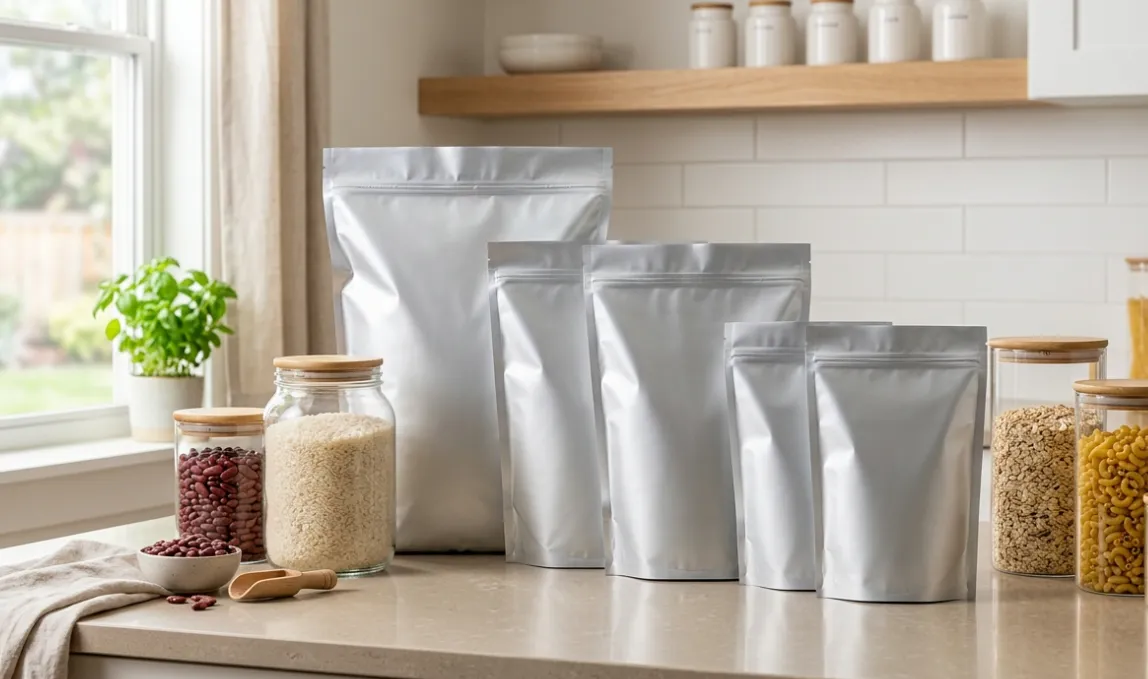
- Stand-up mylar pouch — Self-standing gusset design; retail-shelf friendly and visually appealing.
- Flat bottom bags — Premium format for coffee, supplements, and pet food with maximum shelf presence.
By Size
| Bag Size | Capacity | Typical Use |
|---|---|---|
| 1 Quart | ~1–1.5 lbs | Herbs, coffee, snacks |
| 1 Gallon | ~4–6 lbs | Rice, flour, oats |
| 5 Gallon | ~25–33 lbs | Bulk grain storage |
Top Uses of Mylar Bags Across Industries
Food Storage & Emergency Preparedness
Among serious preppers, 72% use Mylar bags combined with oxygen absorbers for long-term food storage — and for good reason. Foods like white rice, hard red wheat, rolled oats, freeze-dried meals, and powdered milk store reliably for decades when properly sealed.
A few foods to avoid in Mylar: high-fat items like brown rice, whole nuts, or granola with oils. Fats oxidize regardless of the oxygen barrier, cutting shelf life dramatically.
Retail & E-Commerce Packaging
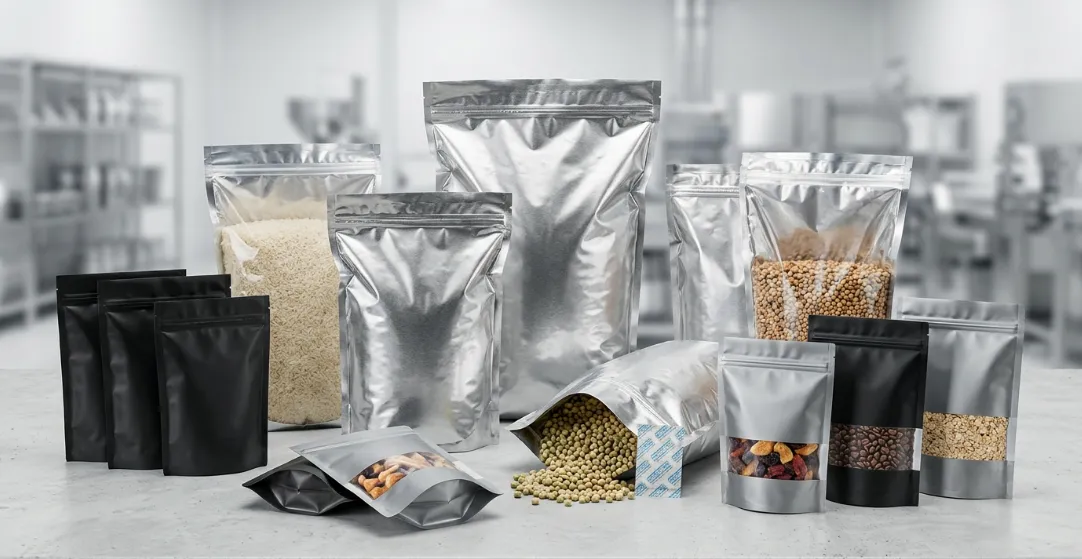
The food retail sector has embraced Mylar pouches for coffee, tea, spices, supplements, and pet treats. Industry data shows mylar pouches wholesale demand grew approximately 18% year-over-year, driven by DTC brands needing premium shelf presentation with real barrier performance.
Custom printing — including digital and rotogravure options — allows brands to achieve high-impact visuals directly on the pouch surface, eliminating label costs and improving perceived product quality.
Cannabis & Herbal Product Packaging
Child-resistant Mylar pouches have become the standard in regulated cannabis markets. They combine odor-barrier performance with tamper-evident features and meet compliance requirements in most U.S. states.
Industrial & Non-Food Applications
Beyond food, Mylar bags protect moisture-sensitive electronics during shipping, serve as pharmaceutical blister-pack liners, and are widely used for seed storage in agriculture — where germination rates depend on keeping humidity below critical thresholds.
How to Use Mylar Bags Correctly
Step-by-Step: Long-Term Food Storage
- Select the correct bag size and minimum 5-mil thickness for storage beyond 5 years.
- Add the appropriate oxygen absorber (see table below) to the empty bag.
- Fill the bag, leaving 2–3 inches of headspace at the top.
- Gently press out excess air by hand before sealing.
- Heat-seal using a flat clothing iron or impulse sealer — run 2–3 second passes along the top edge.
- Label clearly with contents and packing date.
- Store sealed bags inside food-grade 5-gallon buckets for rodent and physical protection.
Oxygen Absorber Size Guide
| Bag Size | Recommended O2 Absorber |
|---|---|
| 1 Quart | 100–300 cc |
| 1 Gallon | 300–500 cc |
| 5 Gallon | 2000 cc |
Common Mistakes to Avoid
- Using 3.5-mil bags for multi-year storage — they're too thin for serious long-term use.
- Skipping oxygen absorbers entirely — the bag alone won't prevent oxidation.
- Storing in garages or areas with temperature swings — heat degrades both food and the foil layer over time.
- Sealing wet or high-moisture foods — moisture trapped inside accelerates mold and bacterial growth.
Buying Guide: Mylar Bags Wholesale & Retail
Key Factors When Purchasing
| Factor | What to Look For |
|---|---|
| Mil Thickness | Minimum 5 mil for long-term use |
| Food-Grade Certification | FDA-compliant inner PE layer |
| Seal Strength | Tested heat-seal integrity |
| MOQ (Wholesale) | 100–500 units typical minimum |
| Custom Printing | Available for branded packaging |
Mylar Pouches Wholesale: When It Makes Sense
Retail pricing for individual Mylar bags typically runs $0.50–$2.00 per unit. Wholesale sourcing drops that to $0.10–$0.40 per unit — a 60–80% cost reduction that matters significantly at scale.
Wholesale makes sense for food businesses, bulk preppers, and e-commerce sellers moving more than a few hundred units per month. When evaluating suppliers, compare domestic vs. overseas options: domestic suppliers offer faster lead times and easier quality audits; overseas manufacturers (particularly certified Chinese factories) offer lower unit costs and full custom printing capabilities.
Custom Mylar Pouch Features to Compare
- Printing method: Digital (low MOQ, fast turnaround) vs. rotogravure (high quality, better for large runs)
- Window panels: Clear windows increase product visibility and consumer confidence
- Closure options: Zipper reseal, tear notch, hang hole for retail display
- Certifications: FDA food contact compliance, BPA-free materials, food-safe inks, ISO 22000
Mylar Bags vs. Competing Storage Solutions
| Storage Method | Shelf Life | Cost | Ease of Use | Best For |
|---|---|---|---|---|
| Mylar Bags | Up to 25 years | Medium | Moderate | Long-term bulk storage |
| Vacuum Seal Bags | 3–5 years | Medium | Easy | Refrigerator/freezer |
| Glass Mason Jars | 2–5 years | High | Easy | Small quantities |
| #10 Cans | 25–30 years | High | Difficult | Commercial prepping |
| Regular Plastic Bags | <1 year | Low | Very Easy | Short-term only |
For most households and small food businesses, Mylar bags hit the best balance of cost, performance, and practicality. #10 cans beat Mylar slightly on maximum shelf life, but require commercial canning equipment and offer zero flexibility once opened.
FAQ: Mylar Bags
Are mylar bags food safe?
Yes — when the inner polyethylene layer meets FDA food contact standards. Always confirm your supplier provides food-grade certification documentation. Reputable manufacturers will have this on file.
Can you reuse mylar bags?
Heat-sealed bags are not recommended for long-term reuse — the seal area is compromised once cut open. Ziplock mylar pouches can be reused for short-term storage of dry goods without issue.
Do mylar bags need oxygen absorbers?
For storage beyond 5 years, oxygen absorbers are essential — the bag alone cannot remove residual oxygen. For retail packaging with shorter shelf expectations, they're optional depending on the product's sensitivity to oxidation.
What foods last 25 years in mylar bags?
White rice, hard red wheat, rolled oats, pasta, powdered milk, salt, and sugar are all documented to maintain quality for 25+ years when properly sealed with oxygen absorbers and stored at stable temperatures below 70°F.
How do I seal mylar bags without a sealer?
A flat clothing iron set to its highest heat setting works reliably. A hair straightener is another popular alternative. Run the iron or straightener along the top edge in 2–3 second passes, then check the seal by pressing the bag — it should hold firm with no air escaping.
What is the difference between a mylar bag and a mylar pouch?
The terms are interchangeable in most contexts. "Pouch" tends to appear in retail and branded packaging conversations, while "bag" is the more common term in food storage and prepping communities. The underlying material and construction are identical.
Where can I buy mylar bags wholesale?
Direct manufacturers, B2B packaging platforms, and certified packaging suppliers all offer mylar pouches wholesale with custom printing and bulk pricing. Always request a sample before placing a large order and verify food-grade certifications in writing.
Ready to Order Mylar Bags? Here's Your Next Step
YLTPACK has been manufacturing certified flexible packaging since 2005. Our Mylar bags and custom pouches are FDA-compliant and ISO 22000 certified — the same certifications food brands and distributors require for retail and export markets.
We work directly with food businesses, e-commerce sellers, emergency preparedness suppliers, and wholesale buyers. Every order is fully customizable — choose your size, mil thickness, closure type, print design, and finish. No generic catalog products.
Free samples available. Test our quality before committing to a bulk order — no strings attached.
- For food storage buyers: Start with a 5-mil, 1-gallon kit — we'll help you spec the right oxygen absorber combination.
- For brands and businesses: Request a wholesale quote for custom-printed mylar pouches with your logo, nutrition panel, and retail-ready design.
- For bulk procurement: Ask about our MOQ tiers and per-unit pricing at 500, 1,000, and 5,000+ unit volumes.
The right Mylar bag investment protects your product quality, builds consumer trust, and cuts long-term packaging costs. Don't leave that on the table.
Contact YLTPACK today: [email protected]