Why Proper Storage of Cat Food Pouches Matters More Than You Think
Let's walk through the practical steps to store cat food pouches properly, why certain materials outperform others, and what smart brands are doing to help their customers keep food fresh longer.
Understanding What Makes Cat Food Pouches Vulnerable
Wet cat food pouches face three primary enemies: heat, light, and oxygen. Once any of these infiltrate the pouch barrier, you get oxidation, bacterial growth, and nutrient degradation. The fats in cat food are particularly susceptible — they go rancid fast when exposed to air.
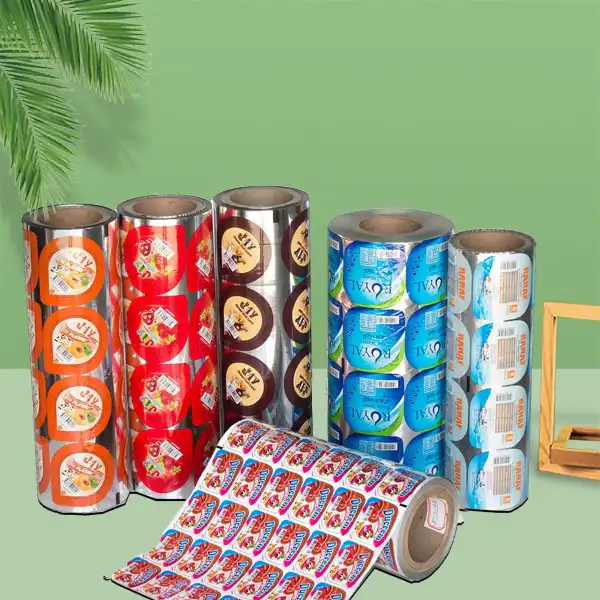
Most modern retort pouches use multi-layer lamination (think PET/aluminum foil/PE structures) to block moisture and oxygen. But even a micro-puncture or a poor seal can compromise months of shelf life in days. That's why storage conditions matter just as much as the packaging itself.
The Role of Barrier Layers in Freshness Retention
A well-constructed cat food pouch typically includes an oxygen transmission rate (OTR) below 1.0 cc/m²/day. For context, that's essentially airtight. But temperature fluctuations cause the pouch material to expand and contract, which can stress seal lines over time.
Pet owners increasingly value ingredient transparency and expect the food to taste and smell consistent every time they open a pouch. If your pouches are stored in a hot garage or near a window, that consistency disappears fast.
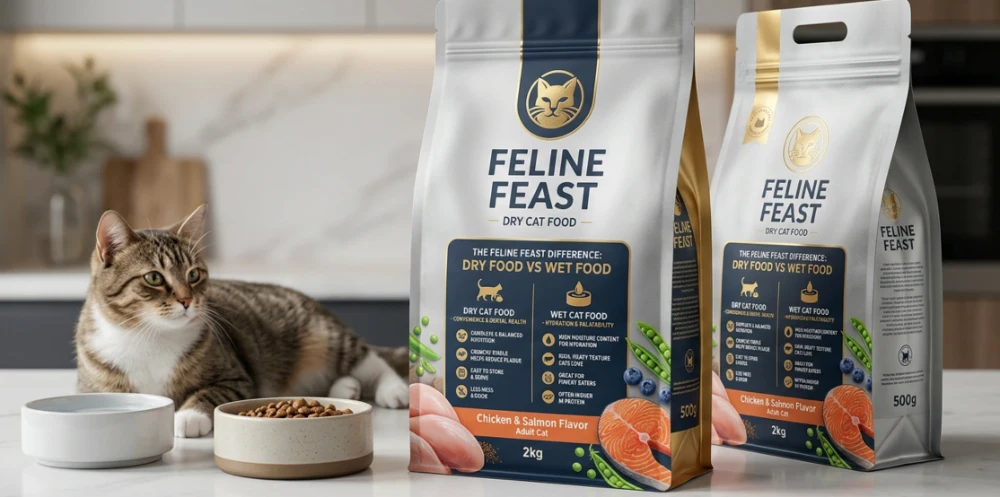
Step-by-Step: How to Store Unopened Cat Food Pouches
Unopened pouches are forgiving — but not indestructible. Here's how to maximize their lifespan:
- Keep them in a cool, dry place. Ideal temperature range is 50–77°F (10–25°C). Basements and pantries work well. Avoid garages, attics, or areas near appliances that generate heat.
- Avoid direct sunlight. UV radiation degrades vitamins (especially A, D, and E) even through packaging film. A closed cabinet or opaque storage bin solves this.
- Store flat, not stacked excessively. Pouches are flexible — stacking too many can stress the seals at the bottom of the pile. Limit stacking to 3–4 layers for retail pouches.
- Check expiration dates regularly. Rotate stock using a first-in, first-out system. This applies whether you're managing a warehouse or your kitchen cupboard.
A 2024 study published in the Journal of Food Science found that wet pet food stored above 85°F for 30+ days showed measurable nutrient loss — up to 15% reduction in certain amino acids. Temperature control isn't optional; it's essential.
What to Do After Opening a Cat Food Pouch
This is where most freshness failures happen. Once you break that seal, the clock starts ticking fast.
Refrigerate Immediately
Opened wet cat food must go into the refrigerator within 30 minutes — ideally sooner. At room temperature, bacteria double roughly every 20 minutes on moist, protein-rich food. Your fridge should be at or below 40°F (4°C).
Transfer or Seal Properly
If the pouch doesn't reseal cleanly, transfer remaining food into an airtight glass or BPA-free container. Some modern resealable cat food packaging features zipper closures or press-to-seal strips that help, but even those benefit from refrigeration.
Use Within 48 Hours
Opened wet cat food should be consumed within 1–2 days max. After 48 hours, even refrigerated food may develop off-flavors that your cat will refuse. Cats are notoriously picky — and rightfully so. Spoiled food can cause gastrointestinal issues.
| Storage Condition | Unopened Shelf Life | Opened Shelf Life |
|---|---|---|
| Cool, dry pantry (60–75°F) | Up to 2–3 years (per manufacturer date) | N/A — must refrigerate once opened |
| Refrigerator (35–40°F) | Same as pantry (no benefit to refrigerating sealed pouches) | 1–2 days maximum |
| Hot environment (85°F+) | Reduced by 30–50% from printed date | Discard within hours |
| Freezer (0°F) | Extended beyond printed date (texture may change) | Up to 3 months if transferred to freezer-safe container |
Can You Freeze Cat Food Pouches?
Yes — with caveats. Freezing extends shelf life significantly, but the texture of wet cat food changes after thawing. Gelatin-based formulas become watery. Pâté styles hold up better.
If you're freezing portions, transfer the food into small airtight containers or ice cube trays. This lets you thaw single servings without waste. Thaw in the refrigerator overnight — never microwave or leave on the counter, as uneven heating creates bacterial hot spots.
For brands selling multi-packs, this is worth mentioning on your packaging or website. Customers who buy in bulk appreciate guidance on freezing portions.
Storage Mistakes That Ruin Cat Food Pouches
Working with brands across North America, we've found that the most common storage mistake isn't dramatic — it's subtle. Here are the ones we see repeatedly:
- Storing near cleaning products. Pouch materials can absorb volatile organic compounds (VOCs) from nearby chemicals. Keep pet food away from household cleaners, even if both are sealed.
- Leaving pouches in delivery boxes on the porch. Summer temperatures inside a cardboard box can exceed 130°F. Bring deliveries inside immediately.
- Cutting pouches open with scissors. Jagged cuts make resealing impossible. If your pouch has a tear notch, use it. Clean cuts keep the remaining product safer.
- Storing in humid environments. Bathrooms, laundry rooms, and areas near dishwashers create condensation that can corrode foil layers over time.
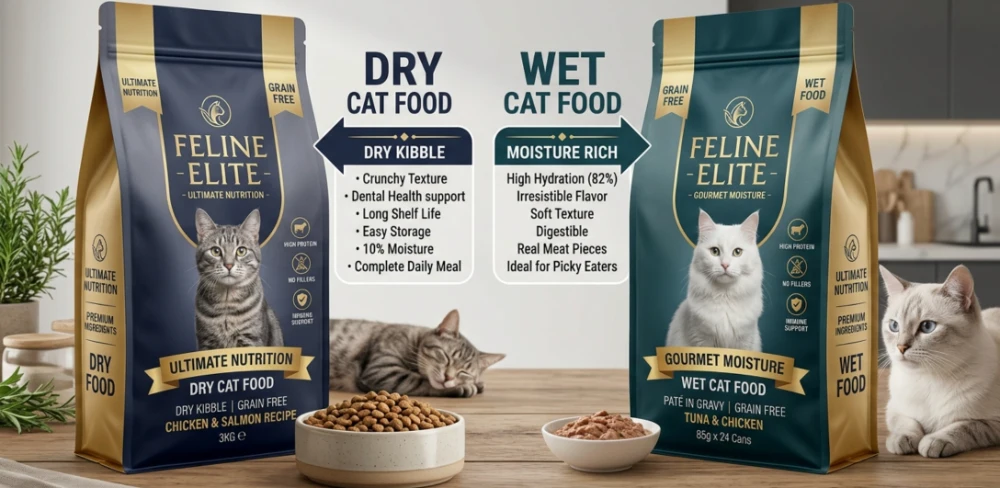
How Packaging Design Helps Customers Store Food Better
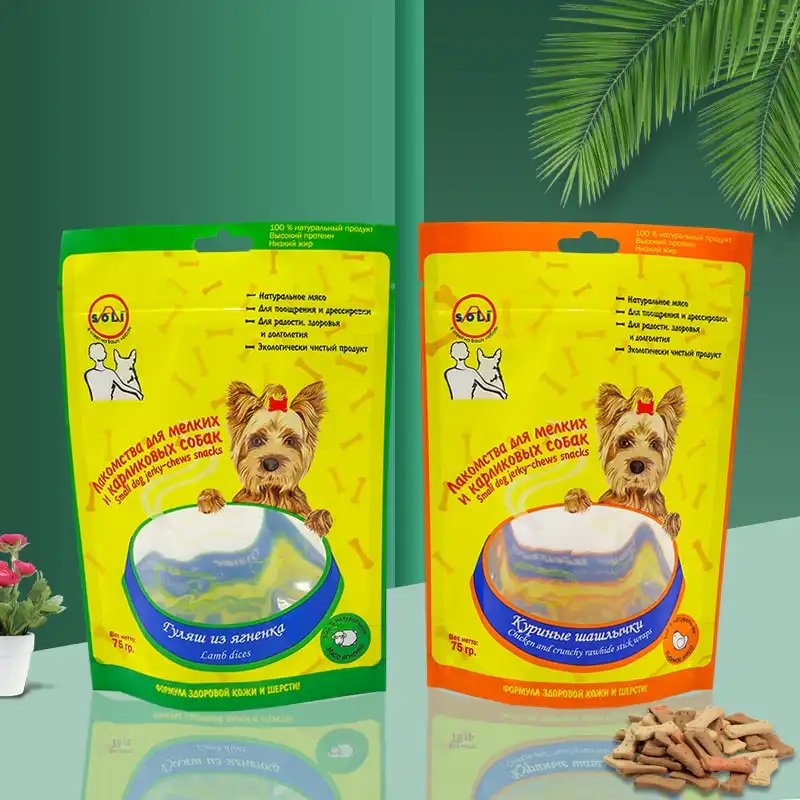
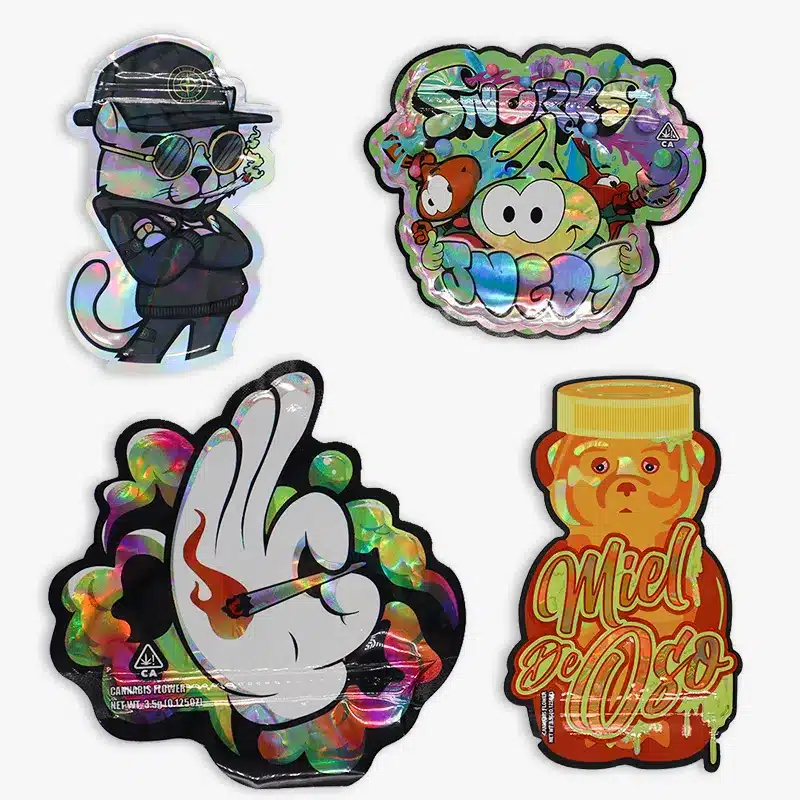
If you're a brand developing a cat food line, your pouch design directly impacts how well your customers can store your product. This is where custom pet food packaging design ideas become a competitive advantage — not just aesthetics, but function.
Features That Improve Post-Purchase Storage
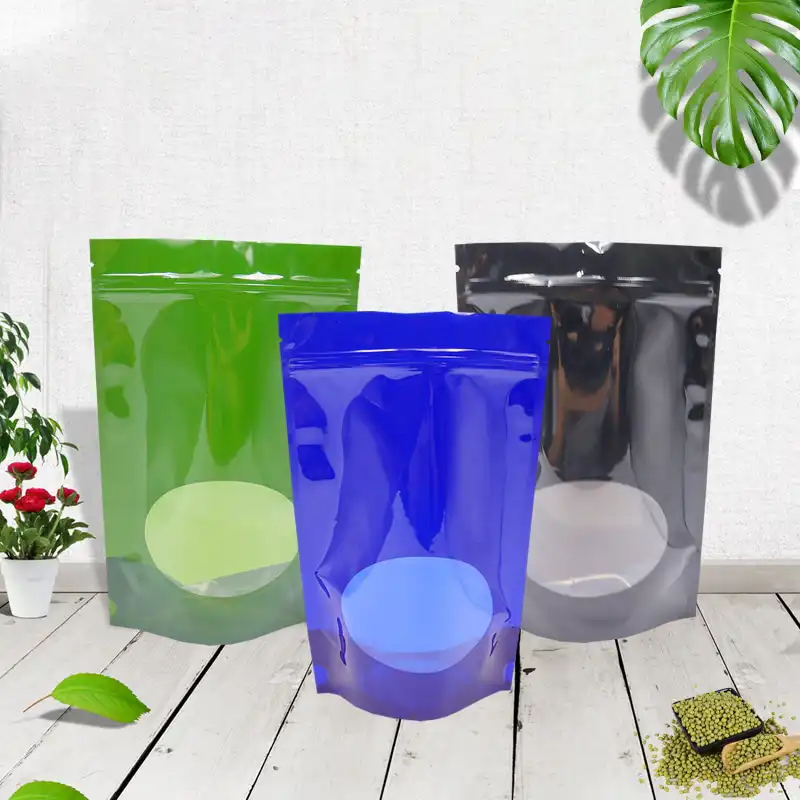
- Zipper reclosure: Allows customers to reseal without extra containers. Adds cost, but dramatically reduces food waste complaints.
- Portion-controlled sizing: Single-serve pouches (3–5 oz) eliminate the storage problem entirely. No leftovers, no resealing needed.
- Clear storage instructions printed on-pack: Most brands skip this. A simple "Refrigerate after opening. Use within 48 hours." on the back panel reduces customer service inquiries.
- Matte finish or opaque films: Blocks UV light even when customers leave pouches on the counter.
Our in-house design team often helps brands who only have a rough idea turn these functional details into reality. It's not just about how a pouch looks — it's about how it performs in someone's kitchen at 7 AM while they're trying to feed a demanding cat.
Choosing the Right Pouch Materials for Maximum Shelf Stability
For brands sourcing packaging, material selection is the foundation of storage performance. Here's what we recommend based on two decades of producing food-contact pouches in our 6,800㎡ cleanroom facility:
| Material Structure | Oxygen Barrier | Moisture Barrier | Ideal For |
|---|---|---|---|
| PET / AL / PE | Excellent | Excellent | Retort wet food, long shelf life |
| PET / EVOH / PE | Very Good | Good | Non-retort wet food, eco-friendly pet food bags |
| Kraft / PLA / PLA | Moderate | Moderate | Treats and dry toppers (shorter shelf life acceptable) |
| Mono-PE with barrier coating | Good | Good | Recyclable-ready pouches for sustainability-focused brands |
Because we hold FDA and ISO 22000 certifications, we ensure every material combination meets food-contact safety standards before recommending it. The right structure depends on your product's water activity, pH level, and desired shelf life target.
Sustainability Without Sacrificing Freshness
The pet food industry is moving toward sustainable pet treat packaging materials, but eco-friendly options often involve trade-offs in barrier performance. Mono-material pouches (required for mechanical recycling) typically offer lower oxygen barriers than traditional multi-layer laminates.
The solution? Barrier coatings like SiOx (silicon oxide) applied to mono-PE films. These coatings deliver near-aluminum performance while keeping the pouch recyclable. According to the Flexible Packaging Association's 2025 sustainability report, adoption of these coatings among pet food brands grew 40% year-over-year.
If your brand is exploring biodegradable animal product containers or compostable options, know that shelf life will generally be shorter — typically 6–12 months versus 24+ months for aluminum-laminate structures. Plan your distribution timeline accordingly.
Bulk Storage Tips for Brands and Retailers
If you're managing inventory for a pet food brand, proper warehouse storage protects your investment. Damaged pouches mean returns, refunds, and unhappy customers — not to mention wasted product.
- Climate-controlled warehousing: Maintain 60–75°F with humidity below 65%. This applies to both your own storage and third-party logistics partners.
- Pallet stacking limits: Follow your packaging supplier's guidelines. Standard retort pouches in corrugated cases typically allow 4–5 pallet layers maximum.
- FIFO rotation: First in, first out. Label every incoming pallet with receipt date. This sounds basic, but we've seen brands lose entire lots because old stock got buried.
- Inspect on arrival: Check for punctured pouches, crushed cases, or moisture damage before accepting shipments from any supplier.
For small business pet product packaging suppliers and emerging brands, finding warehouse space with proper climate control can be challenging. If you're starting small, even a temperature-stable closet or basement with a dehumidifier works for initial inventory.
What Pet Owners Actually Want to Know (And How Brands Can Help)
Here's an insight from years of working with pet food companies: your customers Google storage questions because the information isn't on your pouch. That's a missed opportunity.
Consider adding a QR code on your packaging that links to a storage guide. It costs nothing to print, adds value, and creates a touchpoint with your audience. Sustainable pet supply labels increasingly include these digital extensions.
Pet owners care deeply about what goes into their cat's body. They research ingredients, read reviews, and compare brands. If your packaging communicates that you've thought about freshness beyond the factory — that you care what happens in their kitchen — you build trust that competitors miss.
Working With a Packaging Partner Who Understands Pet Food
Not every packaging manufacturer understands the specific demands of animal nutrition products. Retort processing, oxygen-sensitive ingredients, fat content that stresses seal integrity — these require specialized knowledge.
At YLTPACK, we work with pet food brands at every stage: from choosing the right barrier films, to designing custom dog treat pouches that actually reseal cleanly, to ensuring your production run meets food safety regulations across different markets.
Whether you need eco-friendly pet product packaging solutions for a sustainability rebrand or biodegradable pet product packaging wholesale options for a new product launch, the key is partnering with a supplier who asks the right questions about your product before recommending a structure.
If you're exploring options, reach out to our team at [email protected] or via WhatsApp at +86 182 1944 5665. We'll walk you through material options based on your specific formulation and target shelf life — no obligation, just practical guidance.
Quick Storage Checklist for Cat Food Pouches
- Store unopened pouches in a cool, dry, dark location (50–77°F)
- Keep away from heat sources, sunlight, and cleaning chemicals
- Refrigerate immediately after opening
- Use opened food within 48 hours
- Transfer to airtight containers if the pouch doesn't reseal
- Rotate stock using first-in, first-out
- Never microwave food in the pouch
- Freeze in portioned containers if buying in bulk
Frequently Asked Questions
How long do unopened cat food pouches last in storage?
Most unopened retort pouches remain safe and nutritious for 2–3 years from the manufacturing date when stored properly. Always check the printed expiration date, and store below 77°F in a dry environment. Heat exposure can reduce this timeline significantly.
Can I store cat food pouches in the garage?
It's not recommended. Garages experience temperature extremes — often exceeding 100°F in summer and dropping below freezing in winter. These fluctuations stress seal integrity and accelerate nutrient degradation. A climate-stable pantry or closet is far safer for any food products.
What's the best way to reseal an opened cat food pouch?
If the pouch has a built-in zipper, press it firmly to close. For pouches without reclosure features, fold the opening tightly and secure with a clip, then refrigerate. For maximum freshness, transfer remaining food into a small glass container with a tight-fitting lid.
Does the type of pouch material affect how I should store cat food?
Yes. Aluminum-laminate pouches offer superior light and oxygen barriers, making them more forgiving in imperfect storage conditions. Newer recyclable mono-material pouches may require stricter temperature control due to slightly lower barrier properties. Check with your brand or packaging supplier for specific guidance.
How can pet food brands improve storage life through better packaging?
Brands can select higher-barrier film structures, incorporate zipper reclosures, use portion-sized formats, and print clear storage instructions on-pack. Working with a packaging manufacturer experienced in food-contact materials — one that holds certifications like FDA and ISO 22000 — ensures the pouch structure matches the product's specific preservation needs.